1960s Documentary Movies
The 40 most popular 1960s documentary movies on Flickfolio, ranked by popularity. Click any film for ratings, reviews, trailers, and where to watch.
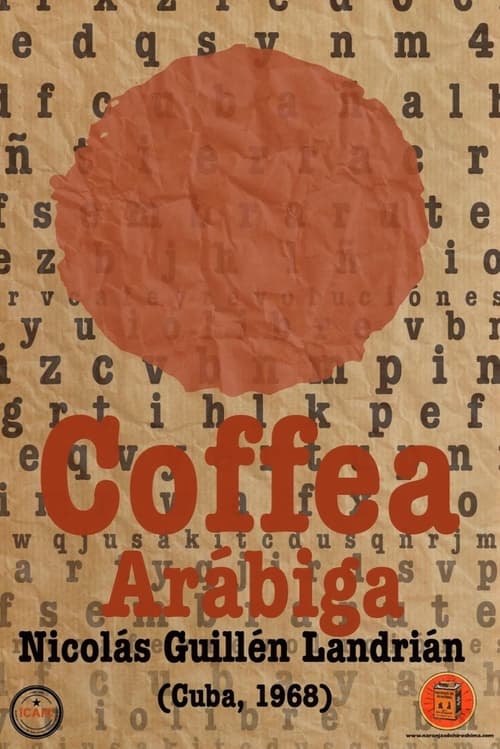
Arabian Coffee
1968 · 18m
country: Cuba
'Coffea arábiga' was sponsored as a propaganda documentary to show how to sow coffee around Havana. In fact, Guillén Landrián made a film critical of Castro, exhibited but banned as soon as the coffee plan collapsed.
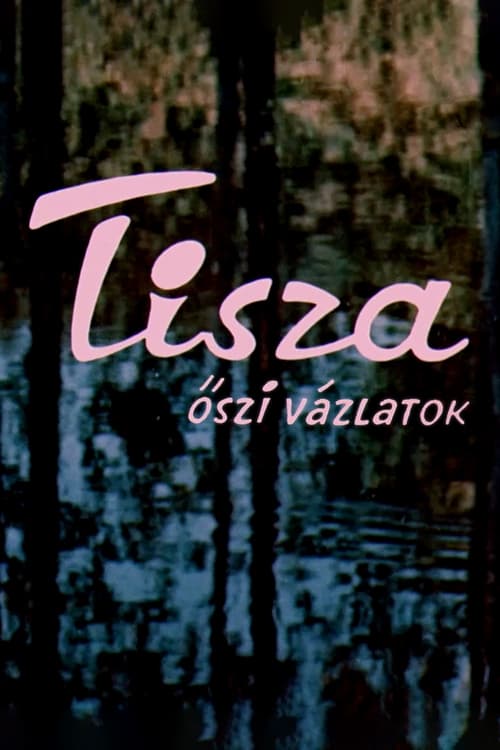
Tisza: Autumn Sketches
1963 · 17m
country: Hungary
The first signs of autumn are seen in a landscape along a river. Some villagers are stacking a bed of stone blocks on the river-bank to avoid more eroding. Others are occupied by ploughing, fishing or repairing. A small steamboat passes by. In the engine room a stoker is shovelling coal into the oven. Further down the river a small town is passed by the water. A rowing-team is training for coming races. Some biologists are looking at microbes from the water through a microscope. A group of workers are painting a new barge and push it into the river. When a small boy sees a racing boat, he leaves his sand-castle and runs along the river.
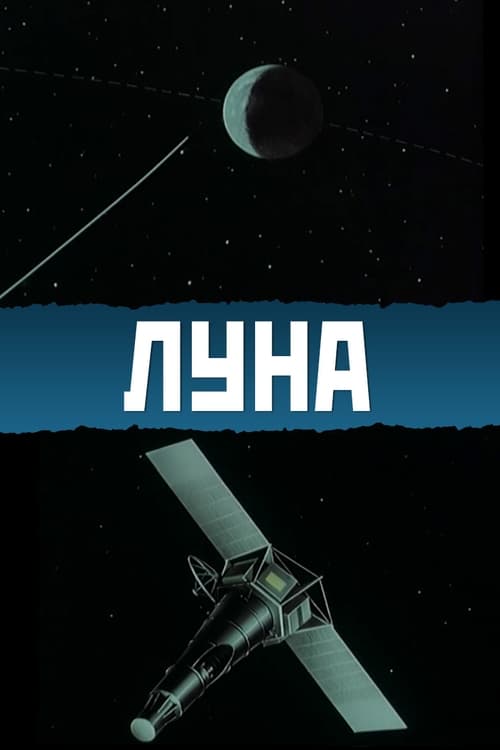
The Moon
1965 · 51m
country: Soviet Union
Science fiction/documentary film about man's voyages to the moon.

Revolution
1963 · 9m
country: Bolivia
Documentary that offers a great overview of the history of Bolivia, their misery, the popular indomitable spirit and repressions that occur without pause.
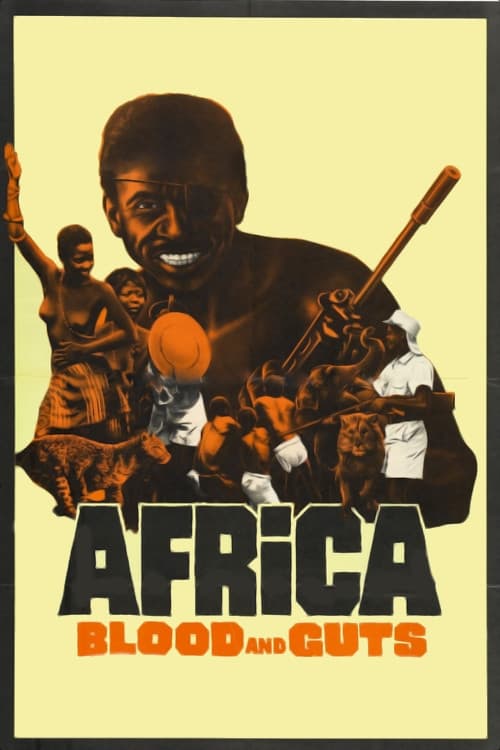
Africa Blood and Guts
1966 · 2h 18m
country: Italy
A chronicle of the violence that occurred in much of the African continent throughout the 1960s. As many African countries were transitioning from colonial rule to other forms of government, violent political upheavals were frequent. Revolutions in Zanzibar and Kenya in which thousands were killed are shown, the violence not only political; there is also extensive footage of hunters and poachers slaughtering different types of wild animals.
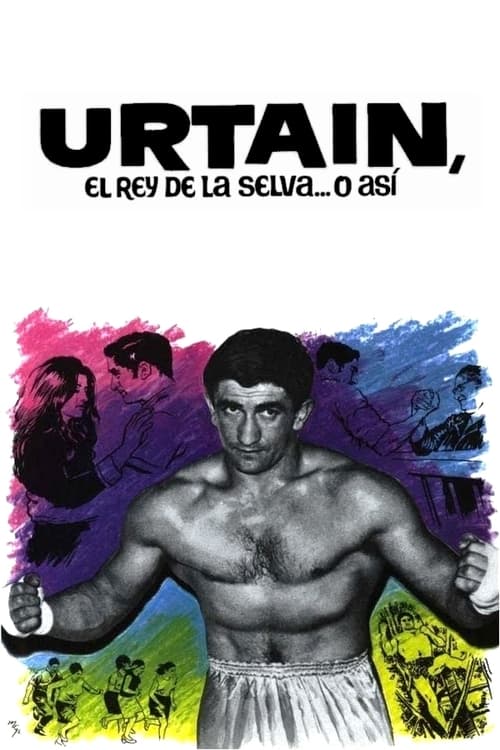
Urtain, King of the Mountains
1969 · 1h 37m
country: Spain
A humorous visit to the turbulent world of the controversial Spanish boxer José Manuel Urtain.
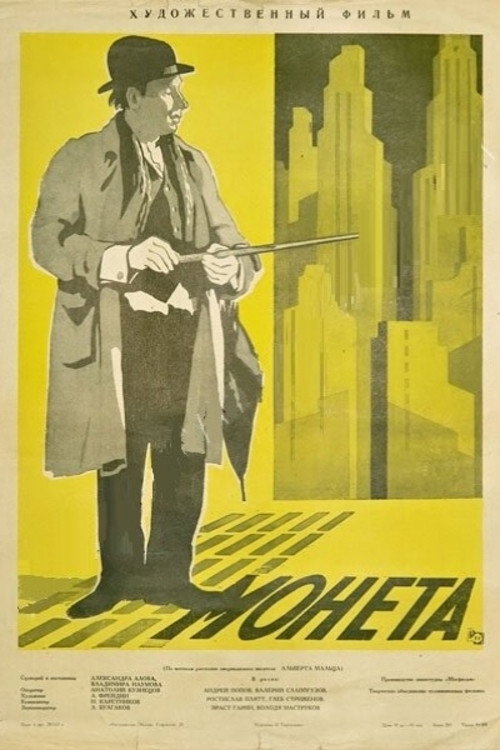
The Coin
1962 · 1h 22m
country: Soviet Union
The collection of TV series based on Albert Maltsa’s stories. Action happens at the time of the Great depression.
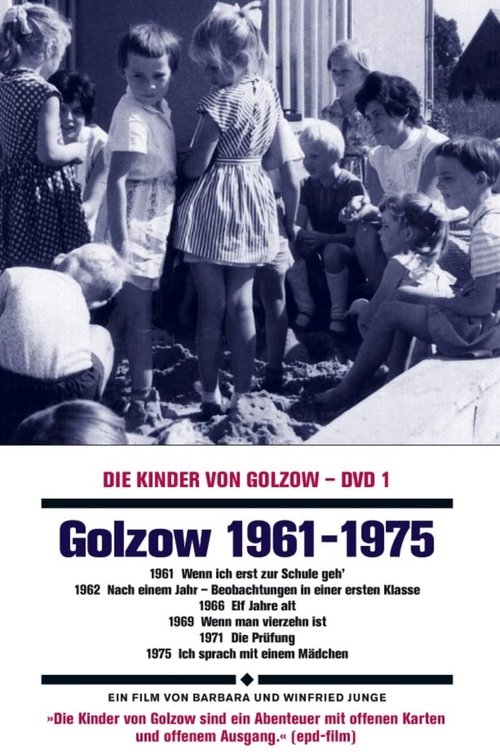
Nach einem Jahr - Beobachtungen in einer ersten Klasse
1963 · 14m
country: East Germany
How the class community is formed. The children's environment and the experiences and discoveries that the school gives them. They are reflected in the lessons. At the end of the school year they receive their first report card and are "Young Pioneers".

Puerto Piojo
1969 · 15m
country: Argentina
Documentary short film about life in Puerto Piojo, Santa Fe.
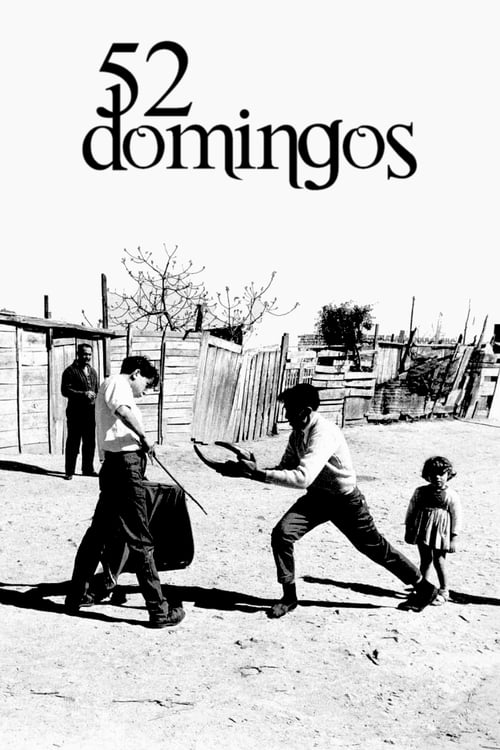
52 Sundays
1965 · 29m
country: Spain
The misadventures of a group of young people who seek a better life by becoming bullfighters, the only way to leave their poor existence in the slums of Barcelona.
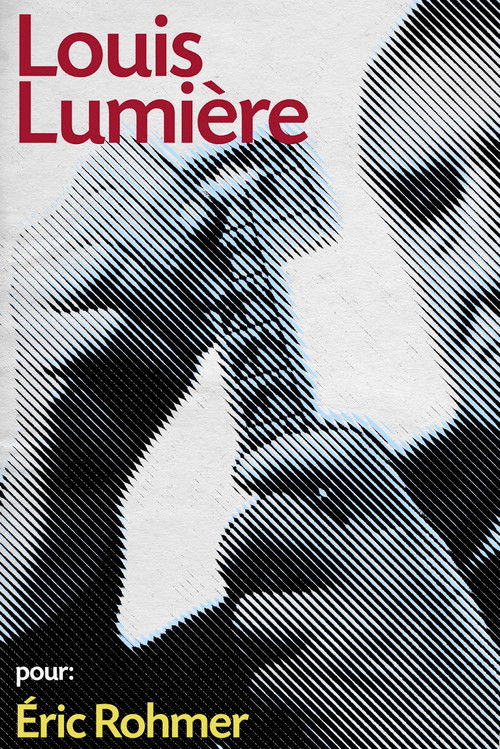
Louis Lumière
1968 · 1h 6m
country: France
Eric Rohmer leads a conversation with Jean Renoir and Henri Langlois on the art of filmmaker Louis Lumière.
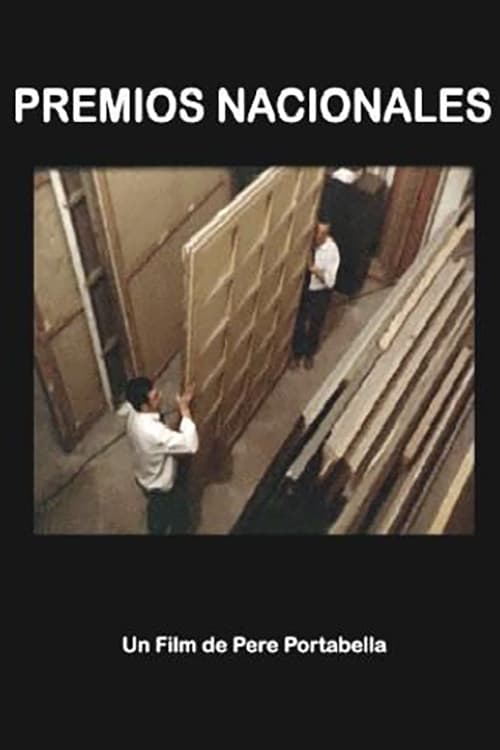
The National Prizes
1969 · 5m
country: Spain
With musical accompaniment from the zarzuela 'The drum Grenadiers' by Ruperto Chapí, a pair of custodians are in the basement of the National Library of Madrid showing some canvas awarded with the National Prize for Painting between 1941 and 1969.
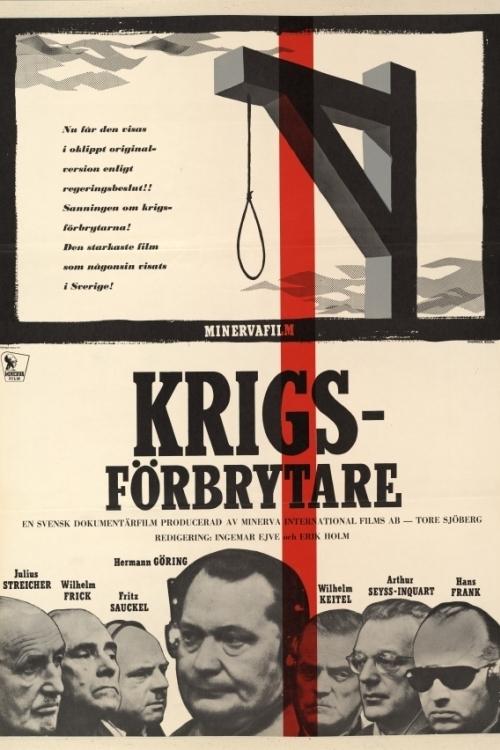
Secrets of the Nazi Criminals
1963 · 1h 22m
country: Sweden
Documents the major trial of the Nazi war criminals and the violent acts that they were accused of.
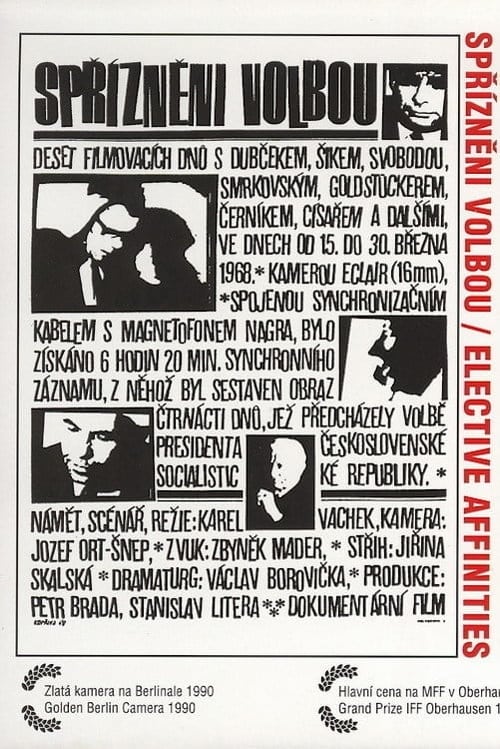
Elective Affinities
1968 · 1h 25m
country: Czechoslovakia
Documentary showing the Czechoslovakian political landscape in March 1968, when president Antonin Novotny, a hardline Stalinist, stepped down and moderate communist Ludvik Svoboda was elected. Five months later, in August 68, the Prague Spring would end with the military intervention of the Warsaw Pact.
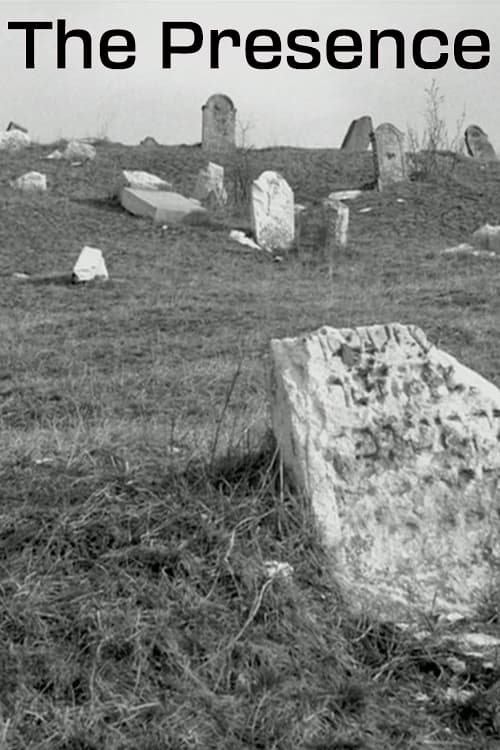
The Presence
1965 · 8m
country: Hungary
Two old men enter an abandoned synagogue, look at the decay around them, and pray.
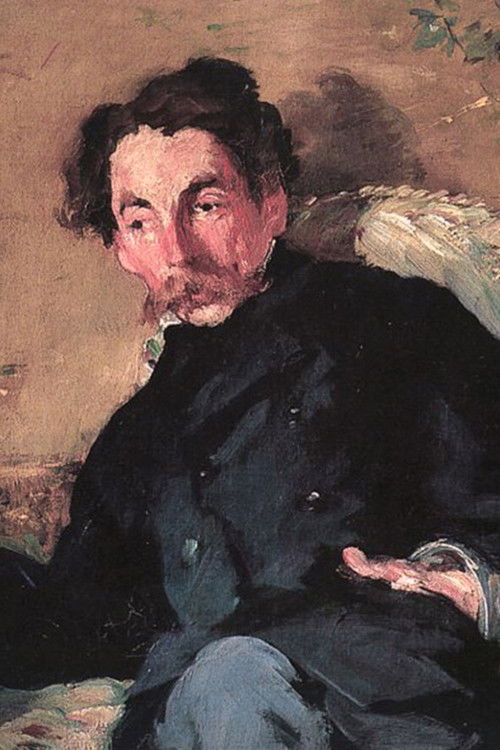
Stéphane Mallarmé
1968 · 28m
country: France
Stéphane Mallarmé is one of the many educational documentaries that Éric Rohmer did for the television during the 1960’s. At the beginning of the film, Rohmer states that he has placed in Mallarmé’s mouth words taken from an interview with the writer by Jules Heuret published in 1891.
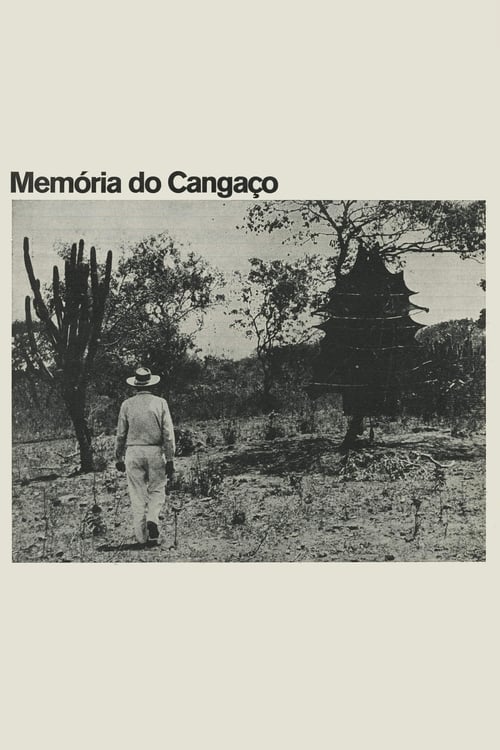
Memória do Cangaço
1964 · 32m
country: Brazil
The origins of "cangaço", armed brigands in the Northeast between 1935 and 1939, interviews with some survivors of the fighting, police and outlaws movement. Interspersed with testimonials, authentic sequences of films made in 1936 by Benjamin Abraham, an Arab peddler who managed to film the famous band of Virgulino Ferreira da Silva, the "Lampião".
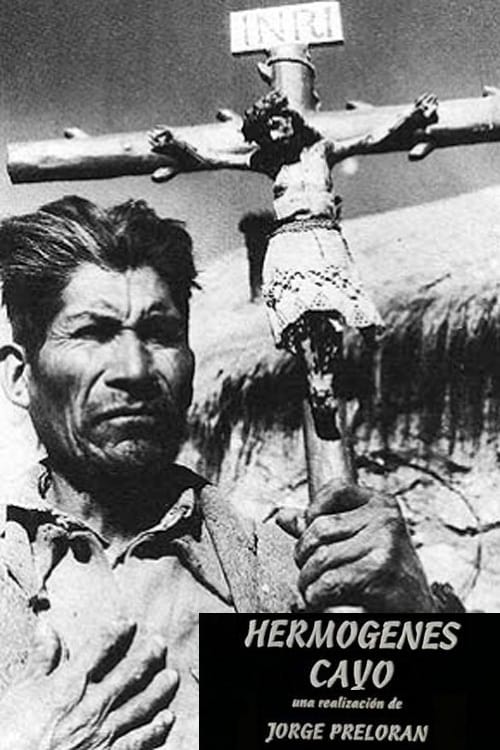
Hermógenes Cayo (Imaginero)
1969 · 1h 8m
country: Argentina
IMAGINERO is an ethnobiography of Hermogenes Cayo, a self-taught woodcarver and painter who lives on the high Andean plateau of Argentina. The film portrays Hermogenes, his wife Aurelia Kilpe, and their children in their Andean lifestyle, as well as Hermogenes' passion for painting, carving, building, and his devotion to the Virgin Mary. Devout, austere and dedicated to craftsmanship, he can make anything from religious figures carved from cactus wood to a working harmonium. Inspired by a trip to Buenos Aires to advocate for land rights, Hermogenes has labored to replicate the style of the capital's grand cathedral and shrine to the Virgin with resourcefulness and skill.
Dispatches from the National Strike Council
Dispatches from the National Strike Council
1968 · 20m
country: Mexico
Paul Leduc, Rafael Castanedo, Óscar Menéndez and other students filmed the CNH assemblies and took to the streets to record the rallies, demonstrations and confrontations that the various student groups held against the police and the army throughout 1968.
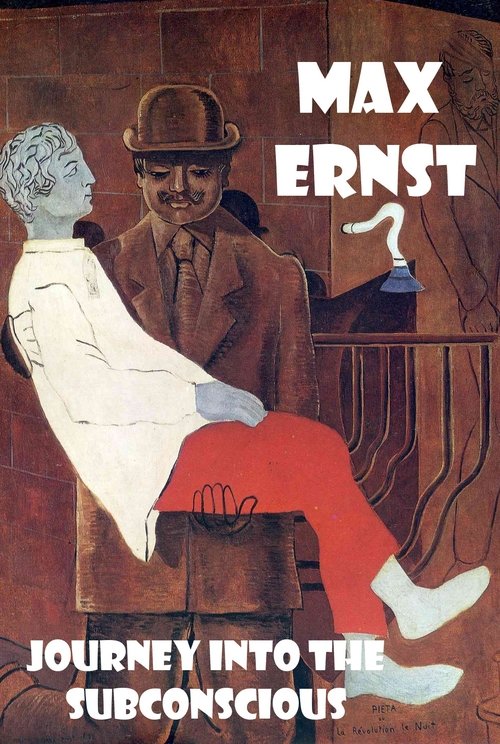
Max Ernst: Journey into the Subconscious
1964 · 12m
country: Unknown
The inner world of the great painter Max Ernst is the subject of this film. One of the principal founders of Surrealism, Max Ernst explores the nature of materials and the emotional significance of shapes to combine with his collages and netherworld canvases. The director and Ernst together use the film creatively as a medium to explain the artist's own development.
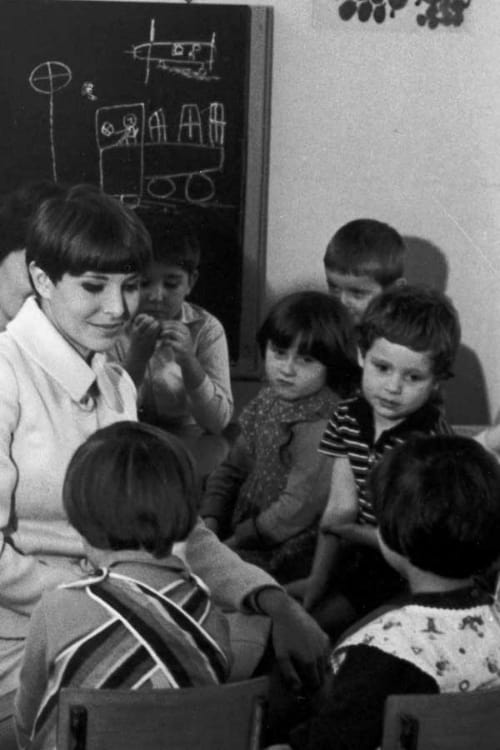
From Mother to Daughter
1968 · 1h 16m
country: Canada
Documents a woman's actual pregnancy; the emotions, the affects on her husband and first-born child, the birth itself via Caesarean section, and her struggle to return to work and a social life, while still being a good mother.
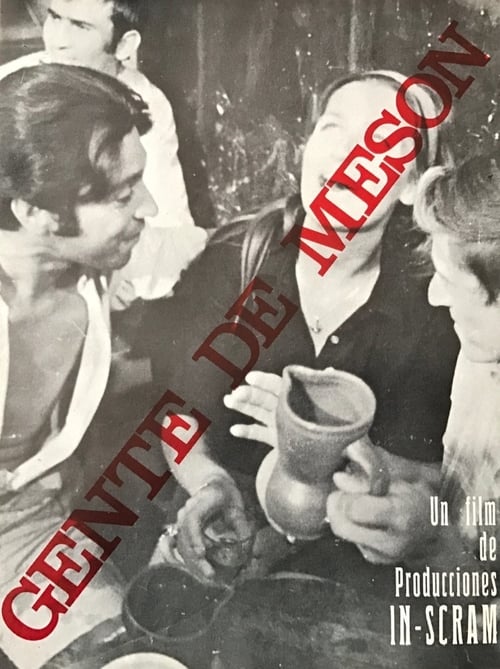
Gente de mesón
1969
country: Spain
No overview available
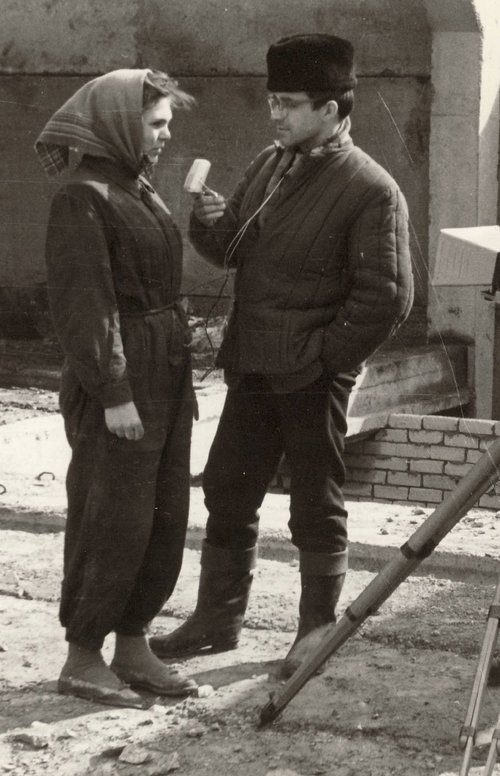
The Construction
1962 · 10m
country: Soviet Union
"The Construction is the second part of Uldis Brauns’ trilogy. It focuses on the construction of Daugavpils' synthetic fibre factory, and includes well-balanced, wide-angle shots and dramatic camera angles. The soundtrack is used imaginatively to create new meanings, and to construct metaphor like a musical artwork. The Construction also uses live interviews recorded on set; Armīns Lejiņš, the trilogy's scriptwriter, appears on camera interviewing people." - VERZIO International Human Rights Documentary Film Festival
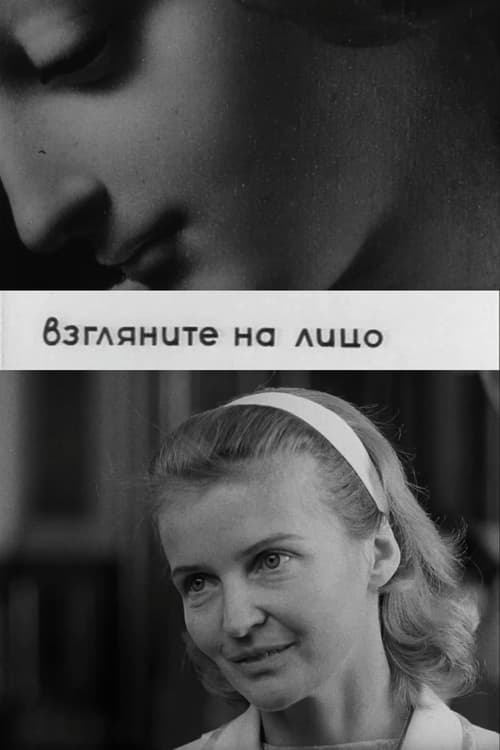
Look at the Face
1966 · 11m
country: Soviet Union
Short film in the Hermitage Museum looking at da Vinci's Madonna Litta.
Smith, James O. - Organist, USA. 1. Die Europa-Tournee des Jazz-Organisten Jimmy Smith
Smith, James O. - Organist, USA. 1. Die Europa-Tournee des Jazz-Organisten Jimmy Smith
1966 · 55m
country: Germany
An account of the first European tour of American jazz organist Jimmy Smith and his trio in 1965, replete with backstage footage and music.
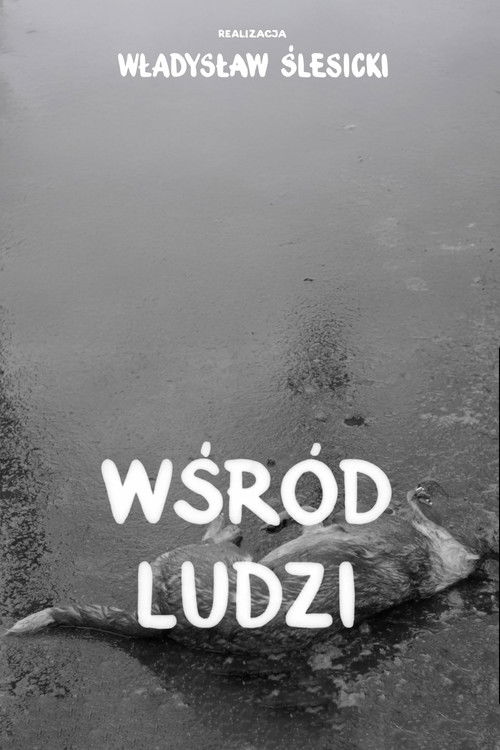
Among Men
1960 · 14m
country: Poland
Impressionistic study of the fate of a stray dog, trying to avoid the results of human indifference and cruelty.
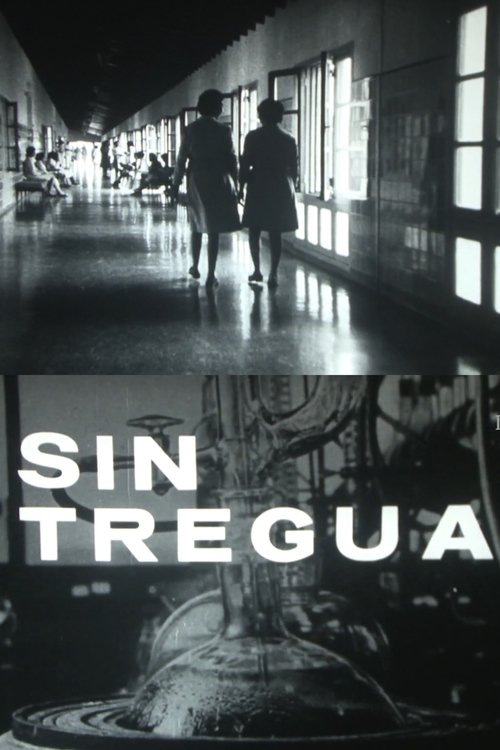
Sin tregua
1966 · 12m
country: Argentina
A documentary short on the treatment of tuberculosis patients in Santa Fe, Argentina.
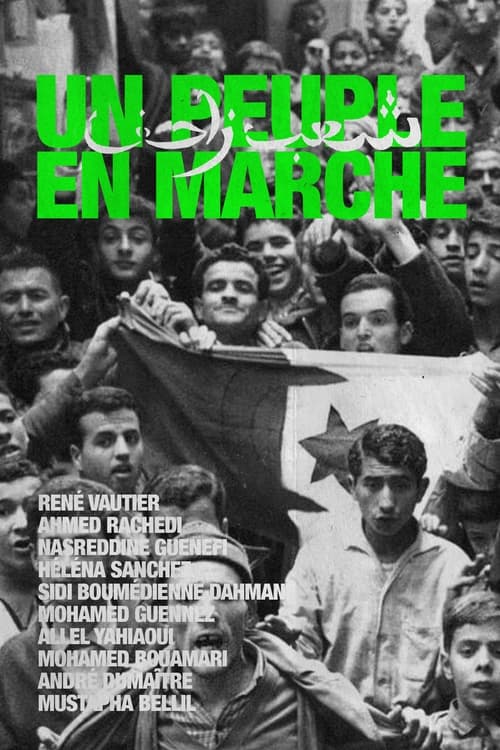
A People on the March
1963 · 55m
country: Algeria
Collectively directed by the members of the Centre audiovisuel d'Alger at Ben Aknoun, the film traces, in two parts, Algeria's recent history, from colonial repression to the birth of the National Liberation Army, and the country's postwar reconstruction, framed in sympathy with the socialist project of Ahmed Ben Bella's government. Released in 1964, the film was banned and sealed after Houari Boumediene's June 1965 coup, precisely because of its favorable treatment of Ben Bella.

Dead well
1967 · 38m
country: Venezuela
Dead Well (Pozo muerto, 1967) is a Venezuelan documentary directed by Carlos Rebolledo and produced by the avant-garde collective El Techo de la Ballena. Through a series of testimonies from residents of the oil towns of Cabimas and Lagunillas, the film recounts the human cost of Venezuela’s oil industry. Tracing the country's petroleum history from the 1922 Barroso II oil well blowout to the late 1960s, it exposes the exploitation, poverty, and environmental devastation endured by communities along the eastern shore of Lake Maracaibo. Filmed in black-and-white on 35mm, the documentary is regarded as a landmark work of the New Latin American Cinema.
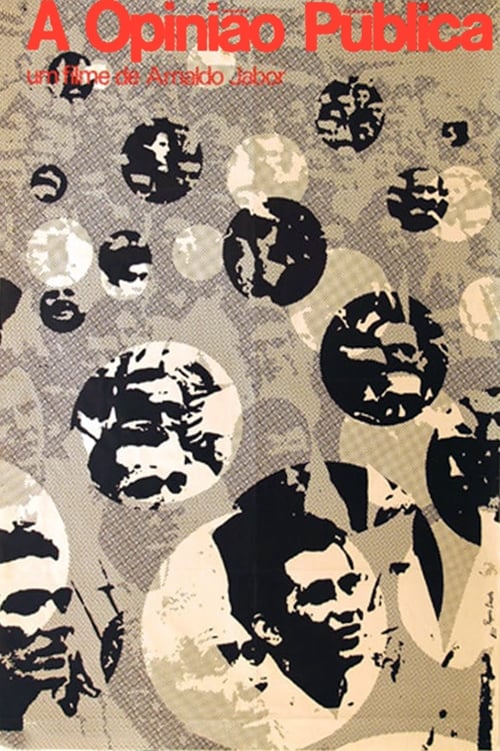
A Public Opinion
1967 · 1h 5m
country: Brazil
Documentary about middle-class people in Rio de Janeiro, in the 1960s, when Brazil was going through a hard period in its history, with the military coup and the following dictatorship. Interviews with people in the street disclose their fears, aspirations and political alienation.
Videotape Study No. 3
Videotape Study No. 3
1967 · 4m
country: United States
Part of a collection of restored early works by Nam June Paik and Jud Yalkut, this piece is historically significant as well as remarkably prescient. Video Tape Study No.3 is a direct media intervention, in which Paik distorts and manipulates footage from news conferences by U.S. President Lyndon Johnson and New York Mayor Lindsey.
Cordiais Saudações
Cordiais Saudações
1968 · 11m
country: Brazil
No overview available

Diatoms
1968 · 17m
country: France
The one-celled long and slender diatom, up close: discovered in 1703 with the invention of the microscope. We observe them magnified 10,000 times: water expelled through the skeleton, mucilage constantly emitted, allowing it to glide. Their energy comes from sunlight. They divide and disperse. The narrator, conversing with a young woman, says their remains cover one-third of the earth's surface. They have uses in petroleum, explosives, and polish. Some live in isolation, some in colonies, like elaborate fans. They can move in clusters. Many small animals eat them. We watch them slide on each other in long strings.
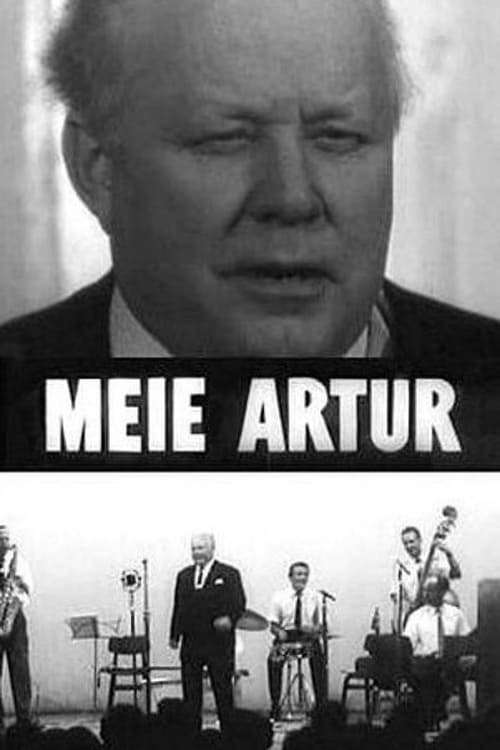
Our Artur
1968 · 54m
country: Soviet Union
Throughout his long singing career, Artur Rinne went hand in hand with his audience who appreciated simplicity and heartfelt folksy songs. Singing, meeting audience like old acquaintances in large concert halls or in modest village clubs - this is the essence of his work. Artur Rinne talks about his life as a singer and as a person.
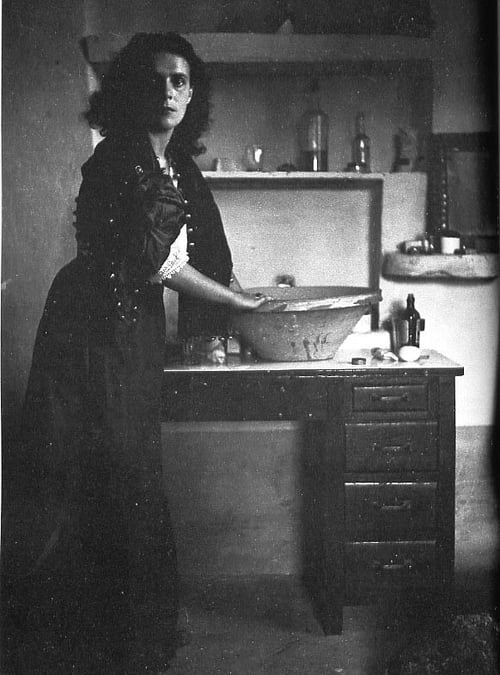
Leonora Carrington or The Ironic Spell
1965
country: Mexico
Cinema and painting establish a fluid dialogue and begins with introspection in the themes and forms of the plastic work of a woman tormented by the elongated specters, originating from her obsessions and nightmares.
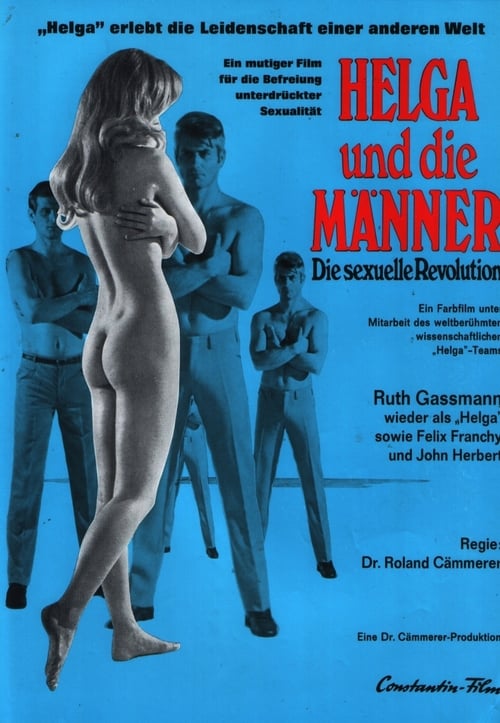
Helga und die Männer - Die sexuelle Revolution
1969 · 1h 17m
country: Germany
No overview available

Operación H
1963 · 12m
country: Spain
In 1963, the businessman Juan Huarte Beaumont, art patron, collector and founder of X Films, a film production company based in Madrid, invited the Basque artists Nestor Basterretxea and Jorge Oteiza to make a promotional short about his companies. Certain conditions were attached to the commission: the artists were each to present finished scripts without any contact with each other about them. Huarte chose Basterretxea's script, and Basterretxea directed the film, which was given the title 'Operación H' in postproduction.
Taxi Meter
1967 · 9m
country: Iran
A short documentary about Tehran's taxi drivers and their problem with the new taxi meters.
Retour Madrid
1968 · 21m
country: Netherlands
Documentary about Ajax Amsterdam in 1968.
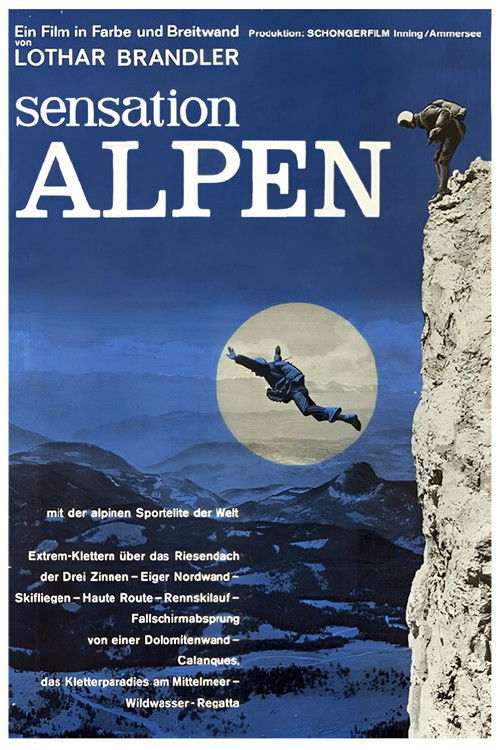
Sensation Alpen
1966 · 1h 14m
country: Germany
From Trento to Chamonix, via Zermatt; from the Morgiou cove to the Eiger's north face; from Planica to the Lavaredo peaks, the Alps are depicted, illustrated, and magnified in all their unique and sublime beauty, through the sports practiced there and the most typical customs and traditions of their inhabitants. A helicopter rescue and a parachute jump from the Red Wall by Wolfgang Weizenbocks are experiences not to be missed.