1970s Mexican TV Shows
The 40 most popular 1970s mexican TV shows on Flickfolio, ranked by popularity. Click any show for ratings, reviews, trailers, and where to watch.
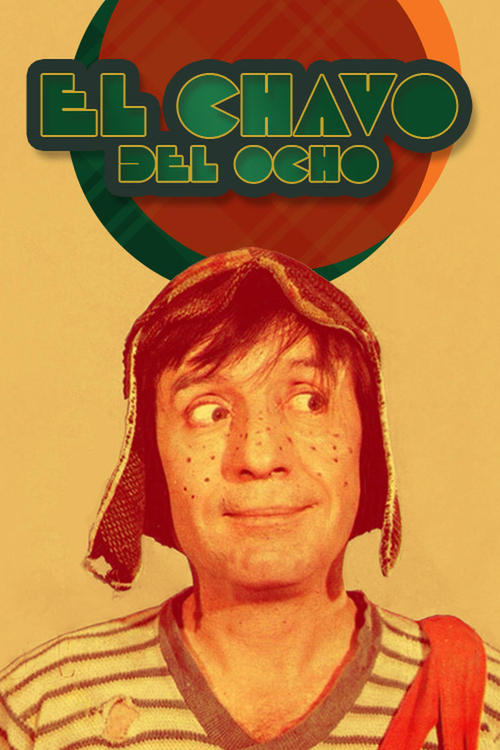
El Chavo del Ocho
1973
country: Mexico
The mishaps of Chavo, an 8-year-old Mestizo-Latino American orphan boy who lives in a village. Together with Quico, Chilindrina, Ñoño and La Popis, Chavo experiences a series of humorous entanglements.
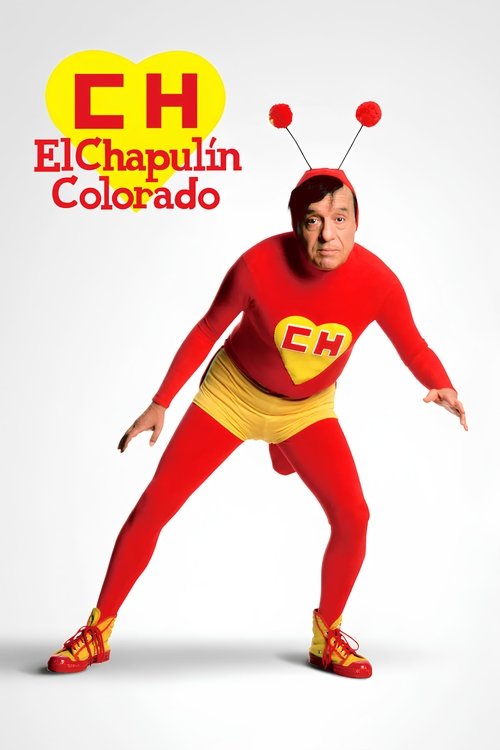
El Chapulín Colorado
1973
country: Mexico
No overview available
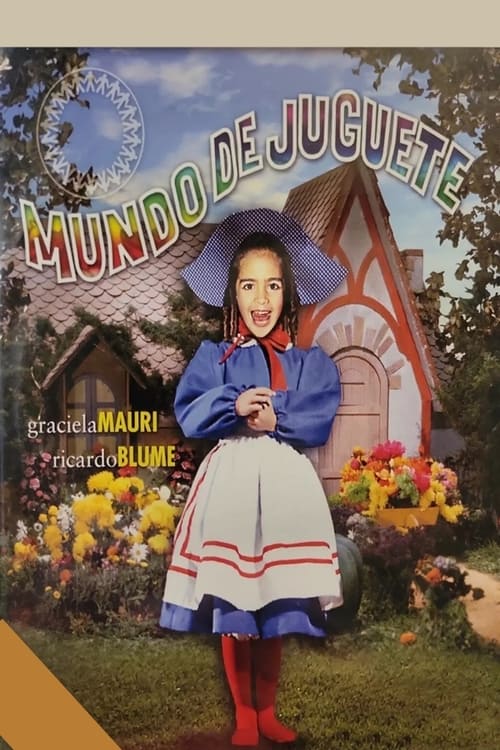
Mundo de Juguete
1974
country: Mexico
Mundo de Juguete is a telenovela produced in Mexico by Televisa in 1974. It is a remake of telenovela Papá Corazón. This telenovela holds the record for having the second longest run ever for a Latin American telenovela, with a total of 605 episodes. Most telenovelas run for an average of six to eight months; the shortest ones run about four months, and the longest up to a year. Many "Mundo de Juguete" fans believe that either all or some of the tapes and film from the telenovela were lost when Televisa collapsed during the 1985 earthquake. Televisa has been secretive regarding which tapes were lost during that earthquake, so there is no way of confirming this. However, such claims can be disputed, considering that the Telenovela has been repeated on television several times after 1985. During the nineties, it was repeated on Mexico City Canal 9. For a period of time, it was also shown on Unicable or on Telenovelas Televisa remade the telenovela in 2000, and called it "Carita de Angel".
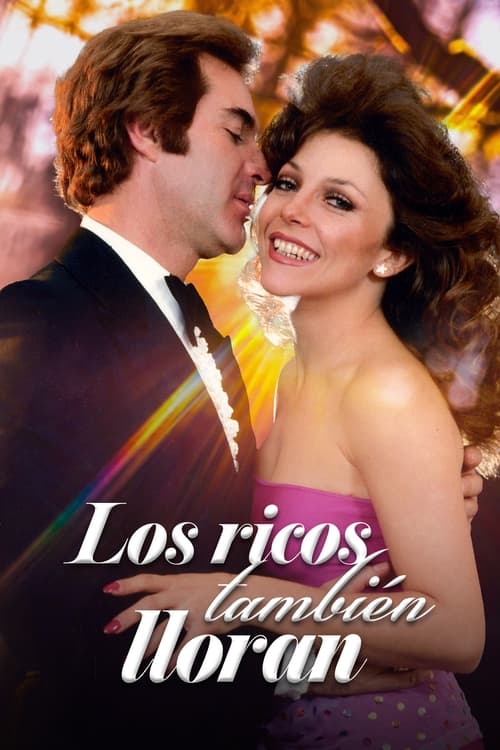
The Rich Also Cry
1979
country: Mexico
Popular telenovela produced in Mexico in 1979, starring Verónica Castro, Rogelio Guerra and Rocío Banquells. Castro also sang the theme Aprendí a Llorar, a song written by Lolita de la Colina. The telenovela was produced by Chilean Valentín Pimstein and Carlos Romero, it was directed by Rafael Banquells. The story was written by Inés Rodena and adapted by Valeria Philips.
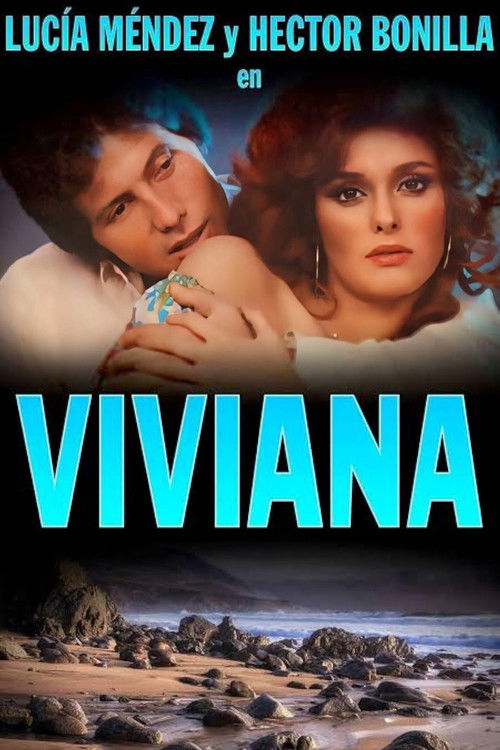
Viviana
1978
country: Mexico
A poor but beautiful woman comes to the city looking for her husband ... who is married to another woman, the evil Gloria. While she falls in love to a handsome and good hearted doctor, she decides to work at nights to earn money at a "Model School" which is, in reality, a high profile brothel...
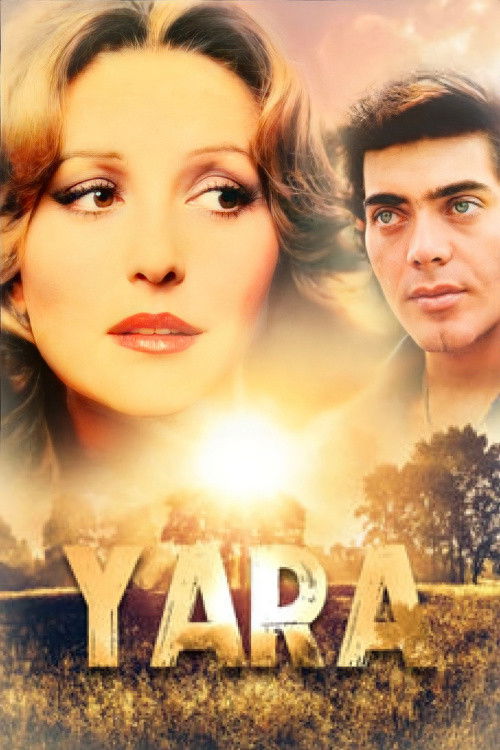
Yara
1979
country: Mexico
Yara is an indigenous woman who comes to Mexico City in search of a better quality of life. Yara suffered the contempt of society and the people around her.
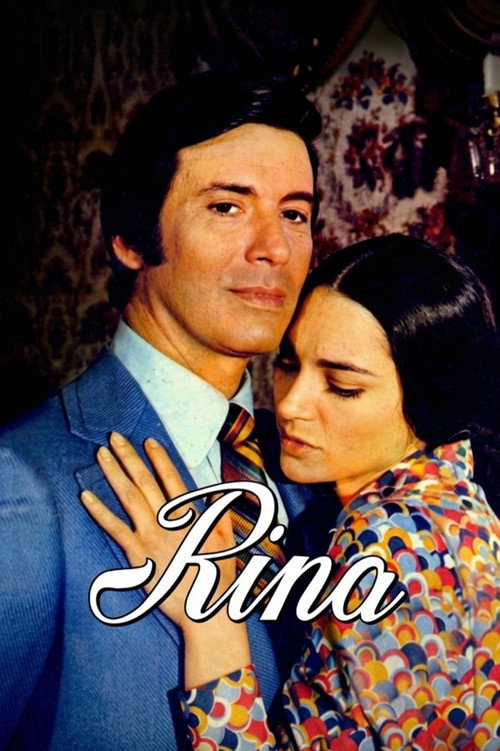
Rina
1977
country: Mexico
The story follows Rina, a young hunchback who sells flowers to support her father and siblings after being abandoned by her mother. One day, while selling her flowers, she is beckoned from a window by Leopoldo—a wealthy, elderly, bitter, and invalid man—who manipulates her into marrying him because he refuses to leave his inheritance to his sister-in-law, Rafaela. Rina agrees to the marriage due to financial hardship. Shortly thereafter, Leopoldo dies, and Rina inherits a vast fortune. She undergoes surgery to correct her hunchback and transforms into a beautiful woman. Unwilling to accept the loss of the inheritance, Rafaela devises a scheme with the help of her son, Carlos Augusto, who has recently been widowed.
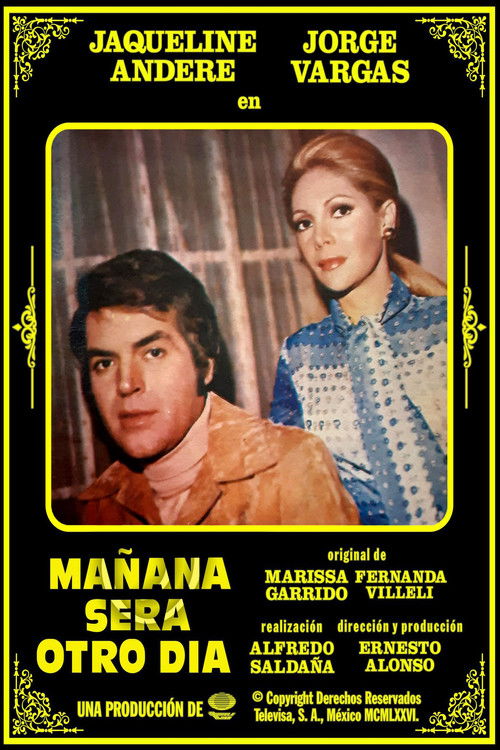
Mañana Será Otro Día
1976
country: Mexico
The title "Manana Sera Otro Dia" is the name of a Mexican telenovela. It began in 1976, with principal actors Jacqueline Andere and Eduardo Fajardo. The title in English means "Tomorrow will be another day", similar to Scarlett O'Hara's famous lines, optimistic of future victory, in the 1939 film Gone with the Wind. In the Spanish title, the accented word "será" is pronounced as "say-Rah" but often the word for day is not accented. The telenovela's runtime was 30 minutes, and it had 253 episodes. The TV series was produced in Mexico by Televisa S.A. de C.V. Viewers' reactions to the show have been highly favorable.
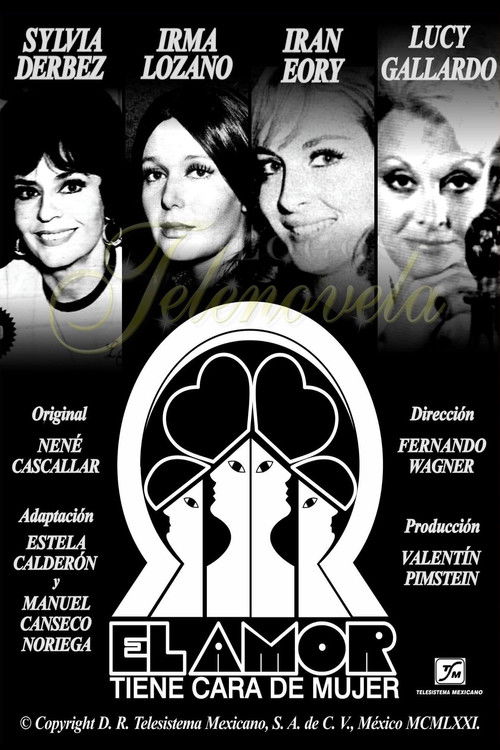
El amor tiene cara de mujer
1971
country: Mexico
No overview available
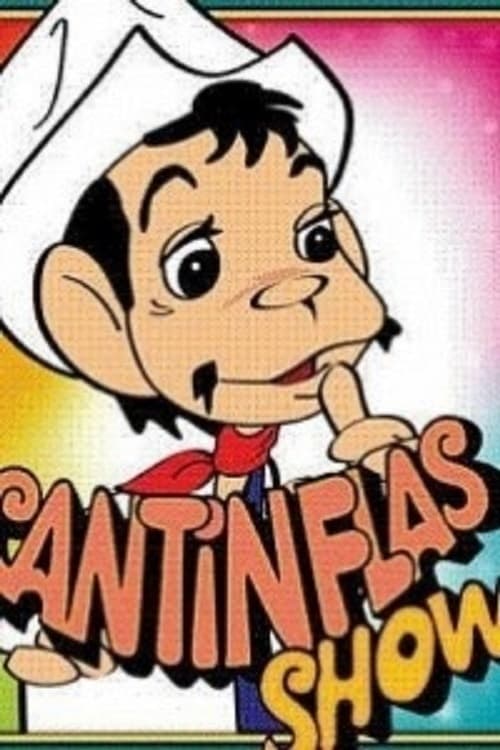
Cantinflas Show
1972
country: Mexico
Cantinflas, the main character, is present in popular stories like Samson and Delilah, and meets famous geniuses like Einstein and Edison.
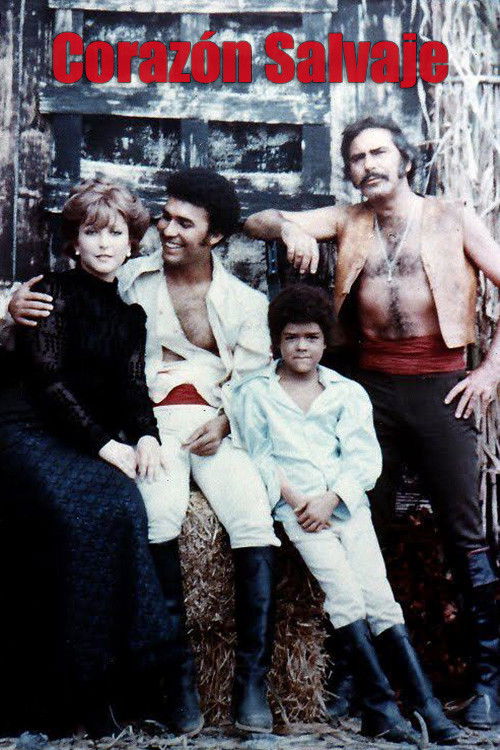
Corazón salvaje
1977
country: Mexico
Corazón salvaje is a Mexican telenovela, which was produced by and broadcast on Televisa in 1977. It is the fourth of five screen adaptations of the novel of the same name by Caridad Bravo Adams, and the second telenovela. The first telenovela was starred by singer Julissa while the 1977 production was starred by singer Angélica María who had previously had the role of Mónica in the 1968 film version. Actor Ernesto Alonso produced this version and after not casting Julissa and instead repeating Angélica María the first allegedly declared "Since my father is not employed in this company anymore Ernesto Alonso has forgotten me in his castings".
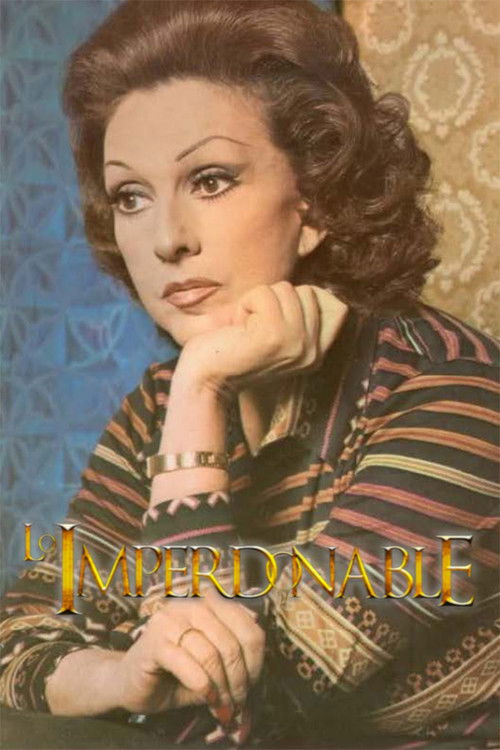
Lo imperdonable
1975
country: Mexico
No overview available

Pacto de amor
1977
country: Mexico
No overview available
Marcha nupcial
Marcha nupcial
1977
country: Mexico
No overview available
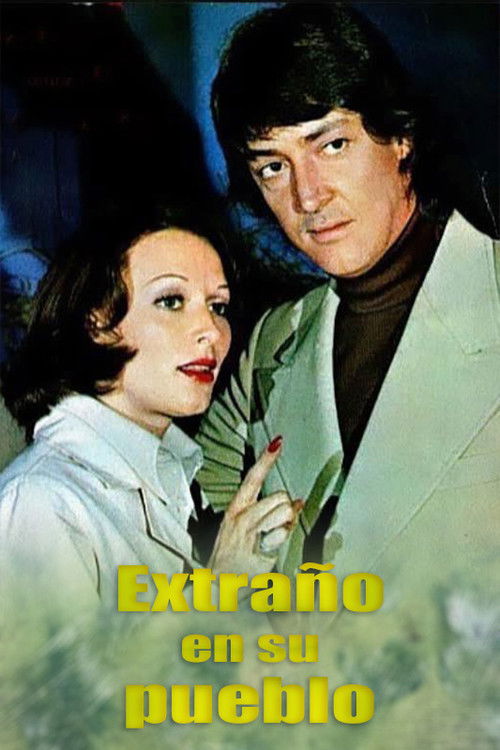
Extraño en su pueblo
1973
country: Mexico
No overview available
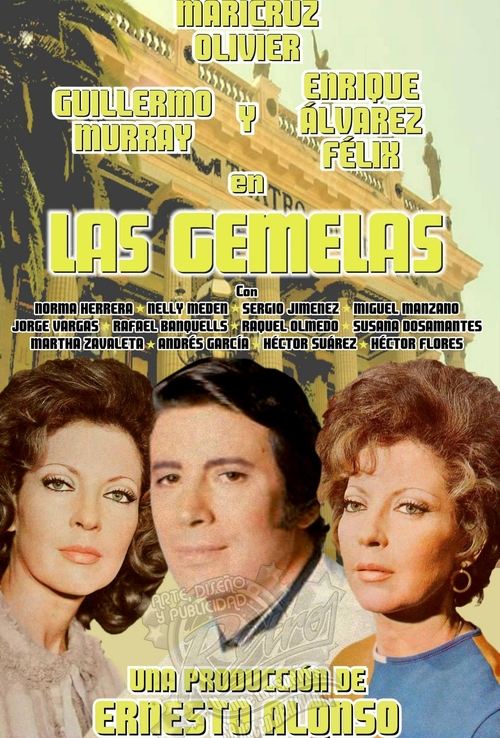
Las gemelas
1972
country: Mexico
No overview available
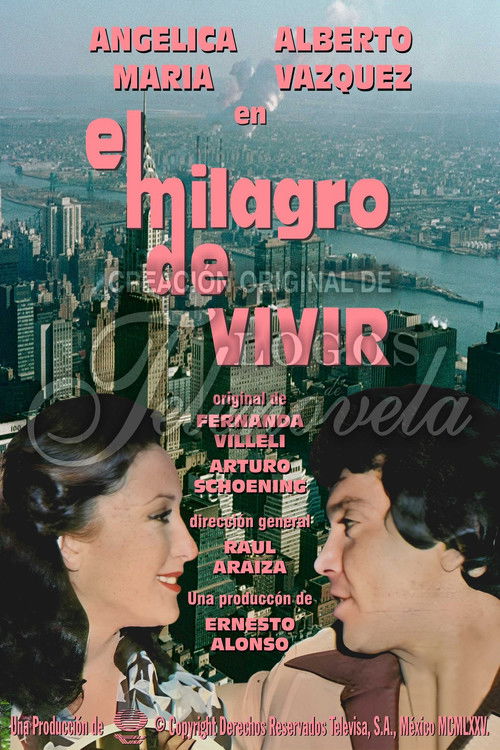
El milagro de vivir
1975
country: Mexico
No overview available
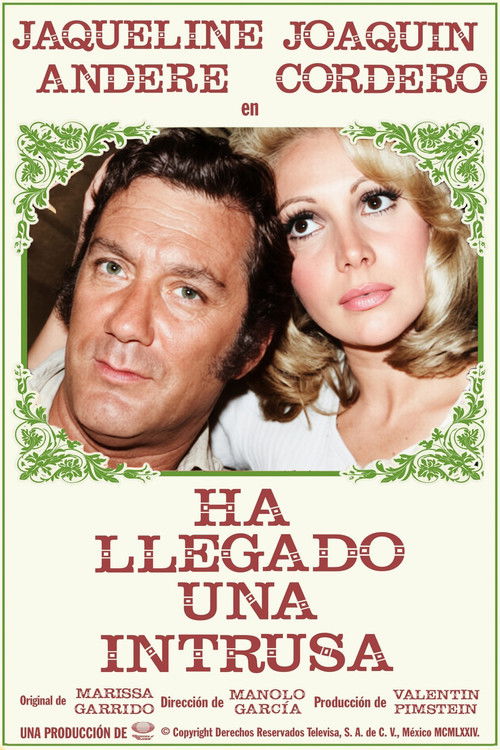
Ha llegado una intrusa
1974
country: Mexico
No overview available
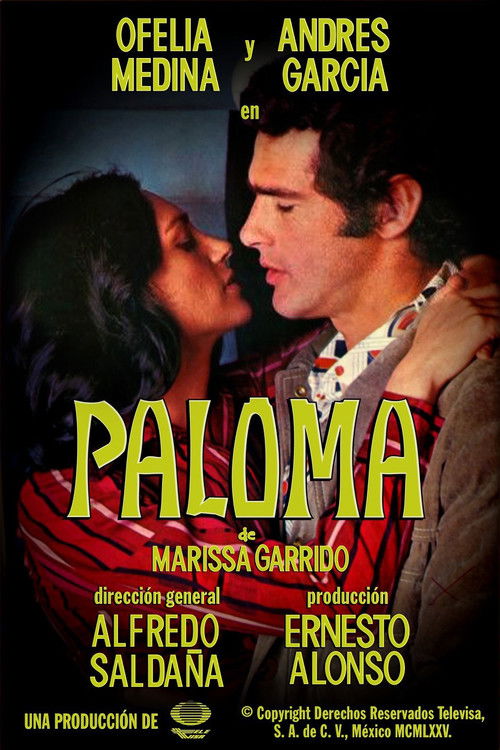
Paloma
1975
country: Mexico
No overview available
El chofer
1974
country: Mexico
No overview available
Rosalía
Rosalía
1978
country: Mexico
No overview available
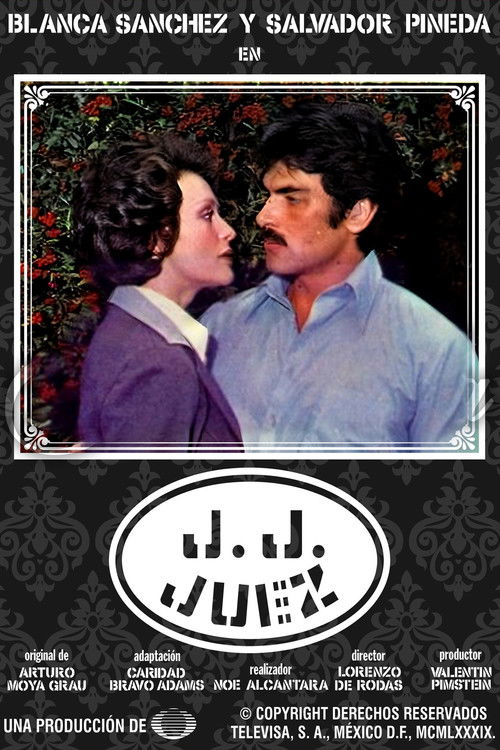
J.J. Juez
1979
country: Mexico
No overview available
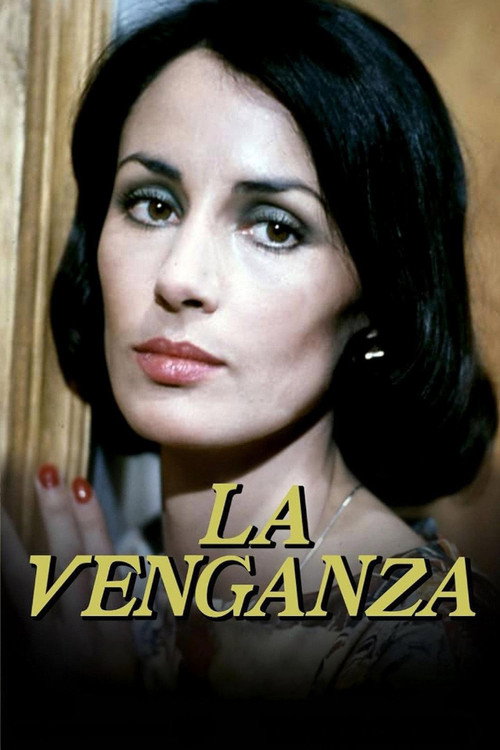
La venganza
1977
country: Mexico
The plot tells the story of Maria Olivares, a humble peasant woman living with her grandfather Maximiliano in a thatched hut on the Narváez estate. Maria falls in love with Xavier Narváez, a pilot, but his brother Rafael and his wife Carmen oppose the marriage because Maria is poor.
Amor prohibido
1979
country: Mexico
No overview available
Muchacha de barrio
1979
country: Mexico
No overview available
La Carabina de Ambrosio
1978
country: Mexico
La Carabina de Ambrosio was a variety television program broadcast between 1978 and 1987 presented as a Comic-Magical-Musical Show. It was produced by Humberto Navarro. It was hosted by figures such as Gualberto Castro, César Costa, Fito Girón and Manolo Muñoz. Some of the sketches of the broadcast were Guillo and the altar boy (Chabelo and the host in turn), La escuelita (Gualberto Castro, La pájara Peggy, Guillo, el Vulgarcito), the ventriloquist and Pujitos (César Costa and Chabelo), La Palabra Canta (Alejandro Suárez) and Mercado de Lágrimas (parody of Valle de Lágrimas and soap operas of the time) and parodies of the musical hits of the moment.
Aquí Nos Tocó Vivir
1978
country: Mexico
No overview available
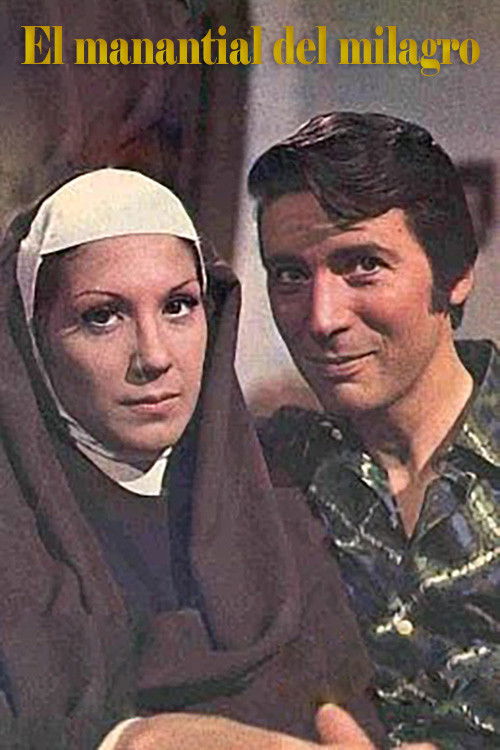
El manantial del milagro
1974
country: Mexico
No overview available
Mi hermana la nena
Mi hermana la nena
1976
country: Mexico
No overview available
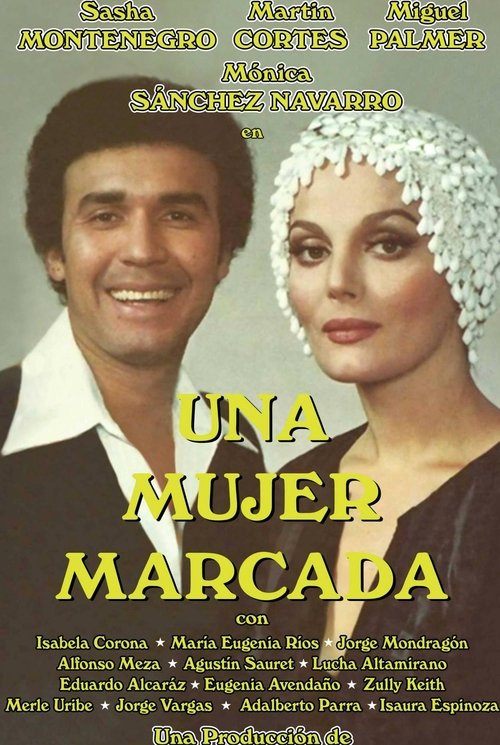
Una mujer marcada
1979
country: Mexico
No overview available
Los Supergenios de la Mesa Cuadrada
1970
country: Mexico
No overview available
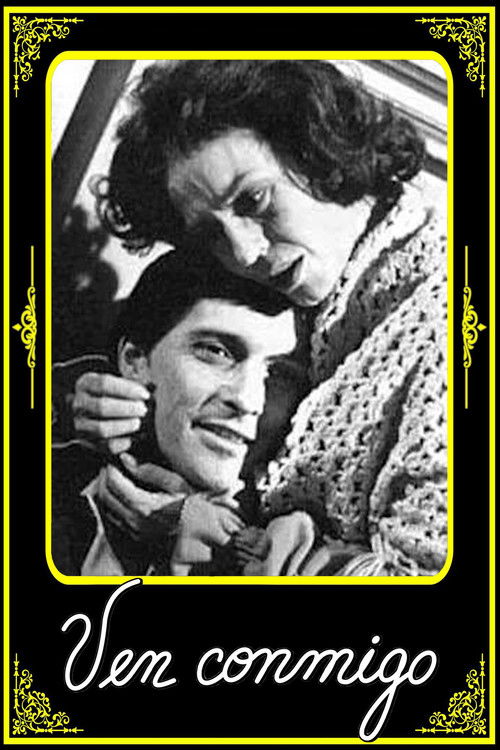
Ven conmigo
1975
country: Mexico
No overview available
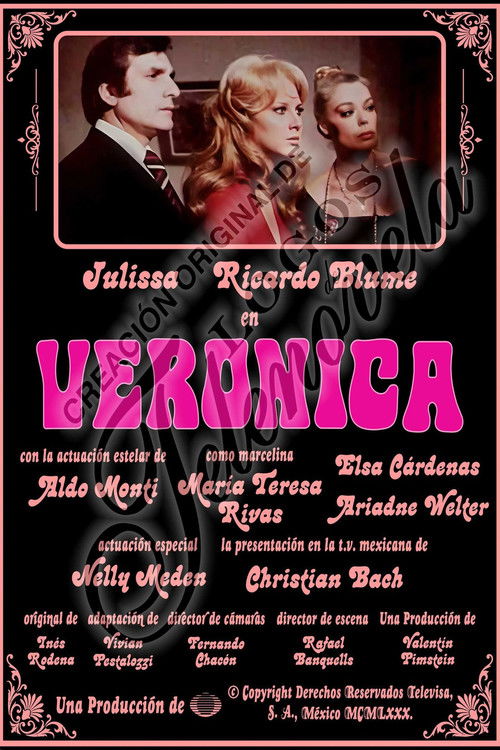
Verónica
1979
country: Mexico
No overview available
Amarás a tu prójimo
Amarás a tu prójimo
1973
country: Mexico
No overview available
Los miserables
1974
country: Mexico
No overview available
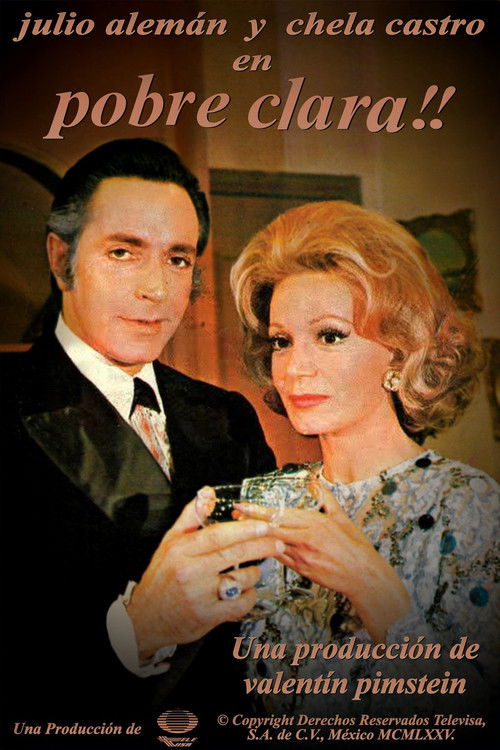
Pobre Clara
1975
country: Mexico
No overview available
Barata de primavera
Barata de primavera
1975
country: Mexico
No overview available
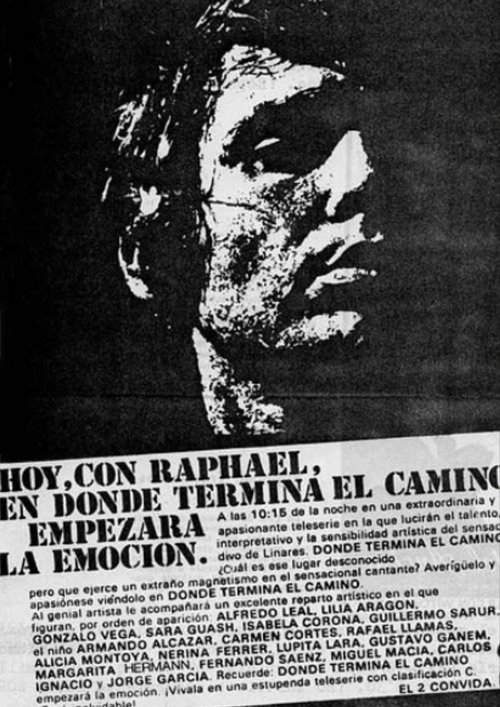
Where the road ends
1978
country: Mexico
A Mexican telenovela directed by Antulio Jiménez Pons for Canal de las Estrellas in 1978.
Ana del aire
Ana del aire
1974
country: Mexico
No overview available
¿Quién?
¿Quién?
1973
country: Mexico
No overview available