Movie DirectorRelease Date ↓All GenresAll ErasAny RatingAny Runtime

DTV: Rock, Rhythm & Blues
1984 · 45m
country: United States
Compilation of D-TV music videos, combining rock and R&B tunes with footage of Disney animation.
TMDB3.7
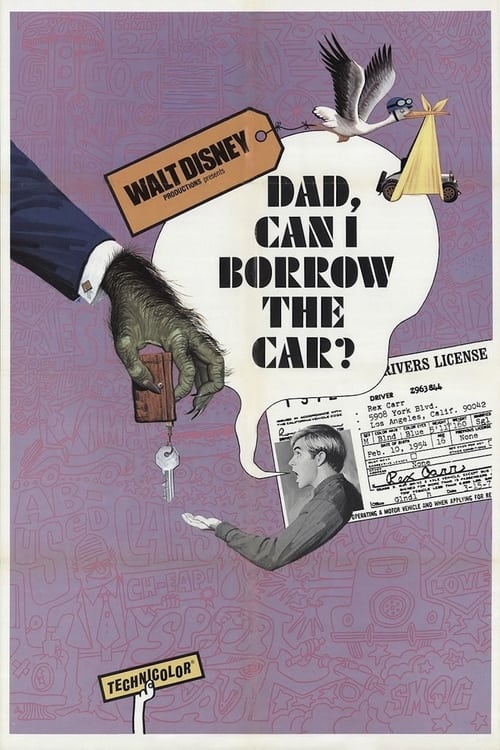
Dad... Can I Borrow the Car?
1970 · 47m
country: Unknown
A live-action short, using many avant-garde film techniques, that looks at American car culture in the late 1960s. The main section deals with the many trials and obstacles a teenager must face on the path to being able to drive. Surviving the driver's education class is only the first step, as the teenager must then pass his driving test, and then finally get permission to borrow the family car.
TMDB3.1
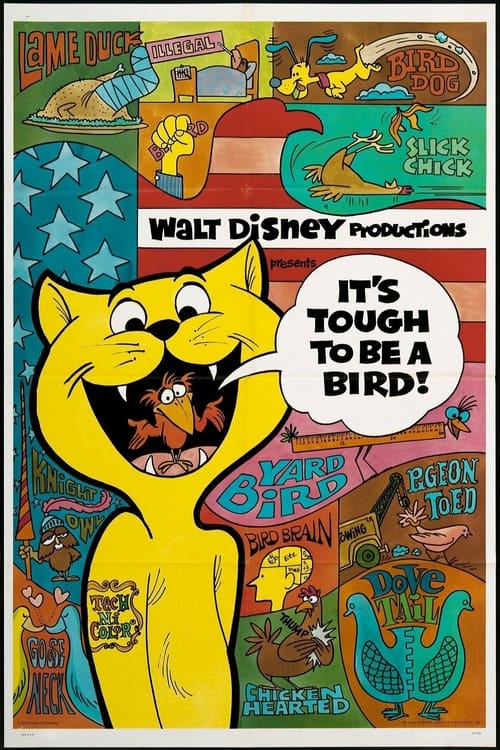
It's Tough to Be a Bird
1969 · 21m
country: United States
Part cartoon and part documentary, this film offers a humorous look at birds and the ways people perceive them.
TMDB5.0
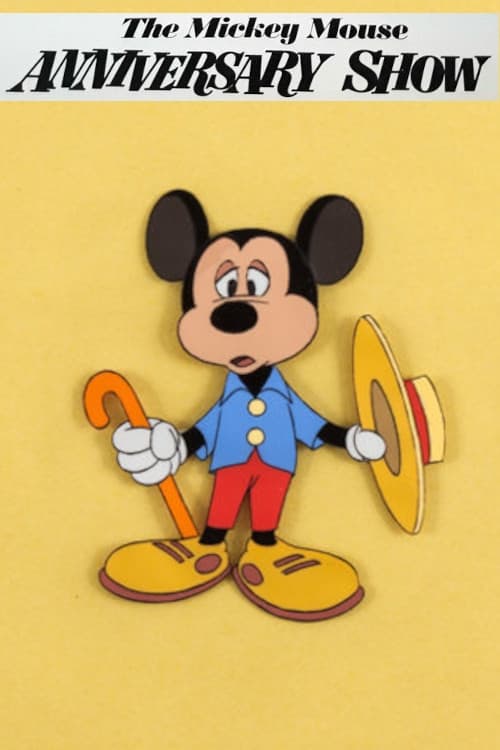
The Mickey Mouse Anniversary Show
1968 · 1h 24m
country: United States
The Mickey Mouse Anniversary Show originally aired on the Wonderful World of Disney television program.
Escalation
TMDB0.5
Escalation
1968 · 2m
country: United States
1968 film by Ward Kimball protesting LBJ's escalation of the war in Vietnam.

TMDB3.5
Eyes in Outer Space
1959 · 26m
country: Unknown
Rare Walt Disney Space series from 1959, speculating about the use of satellites, including controlling the weather of the Earth!
TMDB4.3
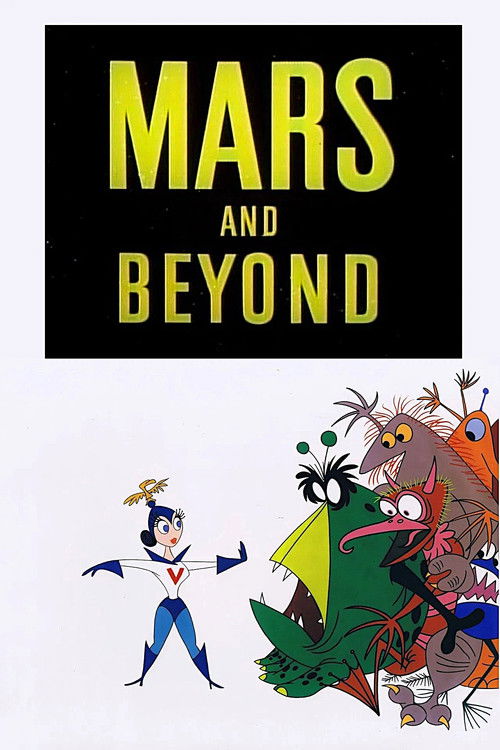
Mars and Beyond
1957 · 53m
country: Unknown
Directed by renouned animator Ward Kimball, ' Mars and Beyond' is a lighthearted exploration of the history and future of Space Travel as understood back in 1957! Theories from scientists and philosophers are discussed. Focusing on Mars. Ideas from science-fiction authors H.G. Wells and Edgar Rice Burroughs are brought to life with colorful animation. Pulp science fiction comics of the time are parodied. Life on other planets is considered, profiling each of the planets in the solar system from the perspective of what would happen to man on them. A masterpiece of animation and sci-fi that was way ahead of it's time. Ward Kimball was perhaps the most inventive of all Disney animators and probably the only one who admitted to experimenting with psychedelic drugs in the 60's. Also the only animator who Walt Disney ever called a "genius."
TMDB3.5
Man and the Moon
1955 · 53m
country: United States
The moon is the subject here. Man's fascination with the moon (via animation) is presented, as is the moon's usage in popular culture (from Shakespeare to nursery rhymes to popular songs). Also, superstitions and suppositions associated with the moon is presented. Then scientific research on the moon is shown, followed by plans for (and then a simulation of) an actual trip around the moon.

TMDB3.4
Man in Space
1955 · 51m
country: United States
With a combination of documentary footage and animation, the science and history of rockets, and the effects of space travel on man are illustrated.
TMDB3.4
Toot, Whistle, Plunk and Boom
1953 · 10m
country: United States
Professor Owl gives a lecture on the evolution of Western musical instruments, starting with the advent of rudimentary brass, woodwind, string and percussion instruments by ancient cave dwellers at the dawn of history.
TMDB3.0
Melody
1953 · 10m
country: United States
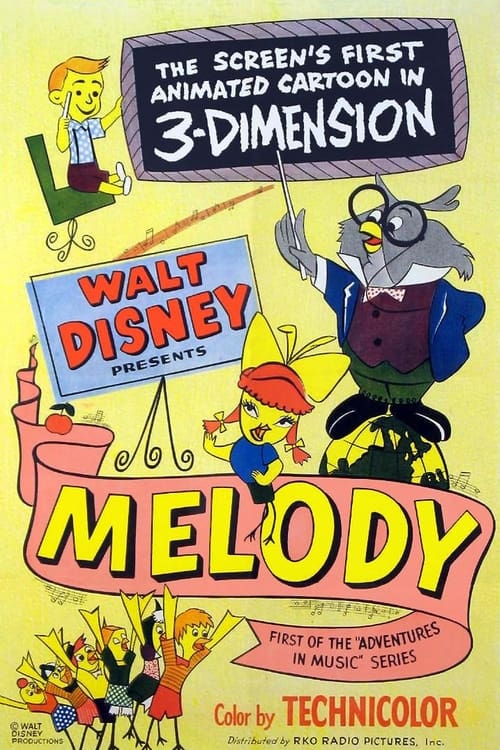
An owl teaches his class full of birds about melody. It's all around in nature. Only birds and man can sing; man "sings" even when he speaks. We see a quick survey of the stages of life, as captured by songs: the alphabet song for primary school, Here Comes the Bride, The Old Gray Mare, etc. Some inspirations for song are outlined in song: love, sailing, trains, the West, motherhood, etc., but "we never sing about brains." Finally, an example of how a simple melody can be expanded into a symphony: an elaborate version of the simple tune that opened the lesson