Movie DirectorRelease Date ↓All GenresAll ErasAny RatingAny Runtime
Michel Legrand
TMDB5.0
Michel Legrand
1992
country: Unknown
TMDB5.0
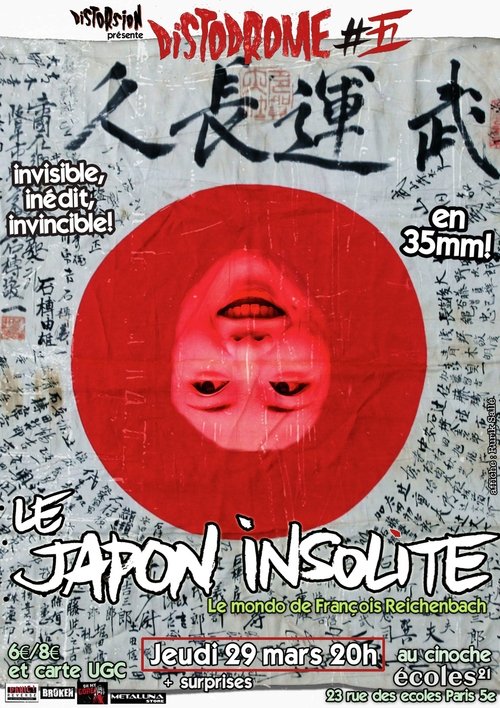
Le Japon insolite
1983 · 1h 22m
country: Unknown
Director François Reichenbach assembled 90 minutes of footage on Japanese rituals and customs, martial arts, evidence of Western commercialism, and the nearly blank faces of urban dwellers who seem to wrap themselves in anonymity as a protection against the crowded masses. Without the benefit of interviews or analyses of what is passing before one's eyes on the screen, the parade of Japanese scenes seems to take place at some distance -- making the viewer a definite outsider with no friendly interpreter to ground his or her perspective.
TMDB4.7
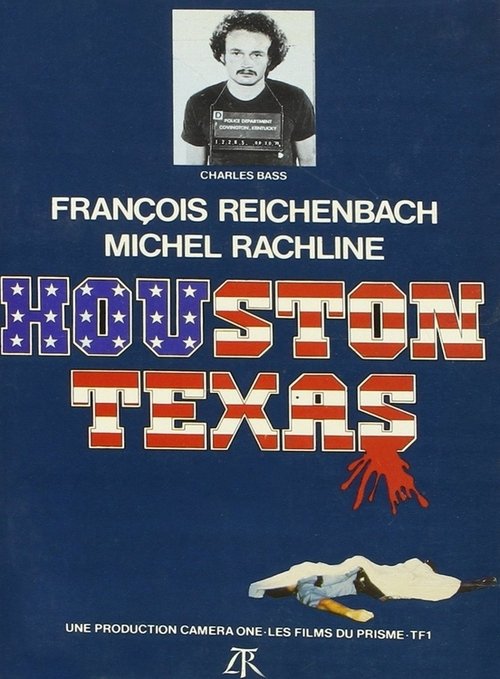
Houston, Texas
1981 · 1h 34m
country: France
A film-crew follow the investigation of a cop killing.
Violence et Beaute
TMDB5.0
Violence et Beaute
1981 · 40m
country: Unknown
Documentary film by François Reichenbach of the lucha libre in Mexico. A study of the wrestling mania, in which he also delivers a portrait of life, politics and popular culture in Mexico
TMDB5.0
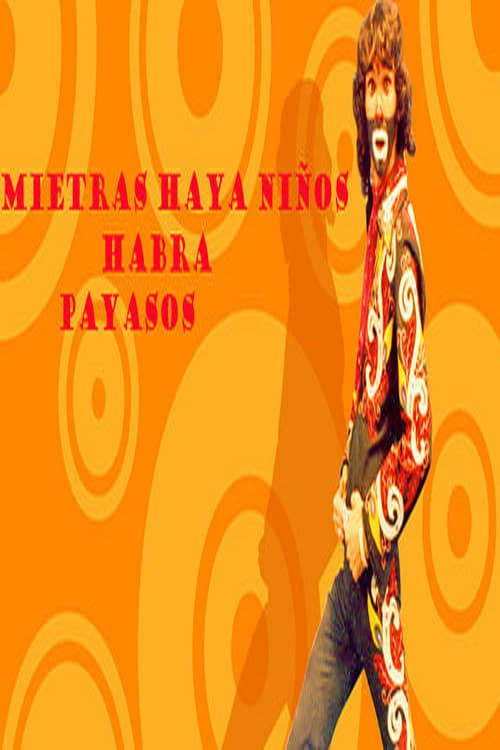
Tant qu'il y aura des enfants il y aura des clowns
1980 · 1h 1m
country: Mexico
In Mexico, young orphan Ricky's life will be turned upside down when the most famous clown in the country comes to his village.
TMDB2.7
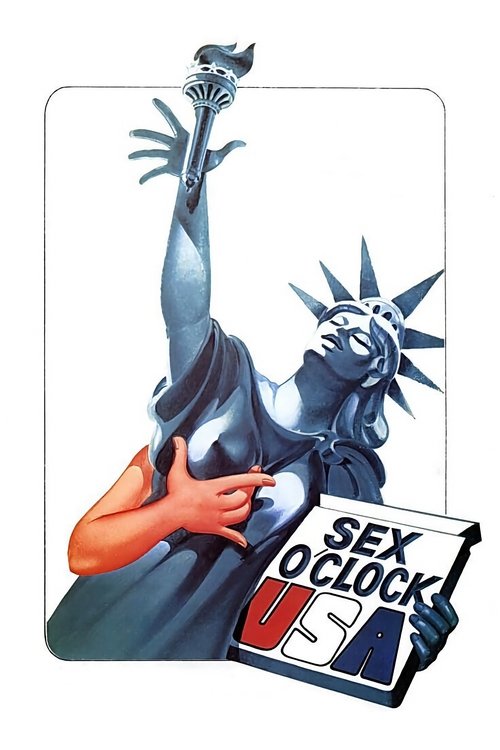
Sex O’Clock USA
1976 · 1h 27m
country: France
The American sexual revolution in motion through Reichenbach's sharp eye: peep shows, gay theatre, X-rated film shoots...

TMDB3.5
L’Indiscret
1974 · 1h 30m
country: France
Study of the passengers of a steamship during a Mediterranean cruise. (uniFrance)
TMDB3.6
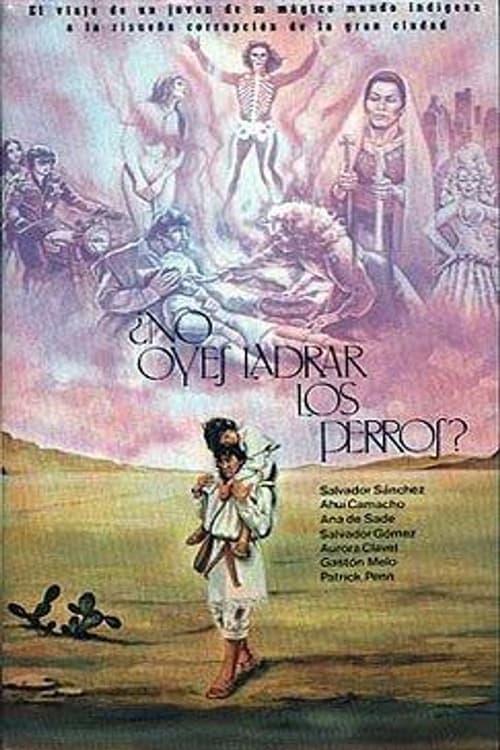
Do You Hear the Dogs Barking?
1974 · 1h 22m
country: France
Carrying his son on his back, a man travels from place to place looking for a doctor to treat the sick boy. As they journey, the indio father tells the boy stories to keep him distracted. These stories reveal the life of native peoples in Mexico, both in the countryside and in cities, and they shed light on characteristic beliefs and rituals.
TMDB3.7
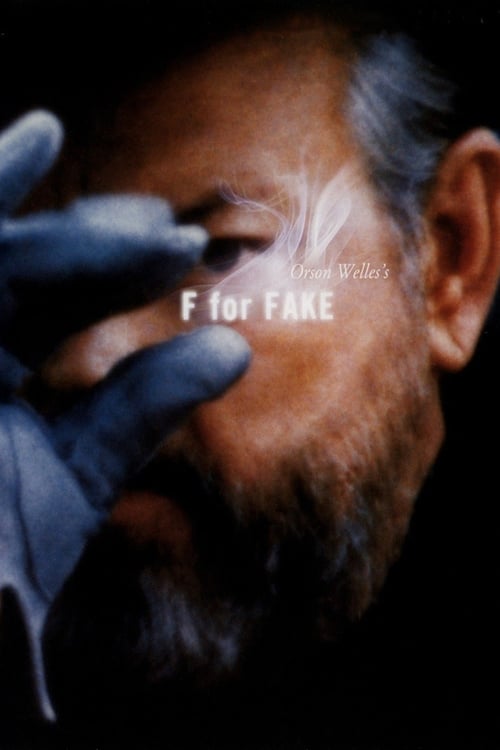
F for Fake
1973 · 1h 29m
country: France
Documents the lives of infamous fakers Elmyr de Hory and Clifford Irving. De Hory, who later committed suicide to avoid more prison time, made his name by selling forged works of art by painters like Picasso and Matisse. Irving was infamous for writing a fake autobiography of Howard Hughes. Welles moves between documentary and fiction as he examines the fundamental elements of fraud and the people who commit fraud at the expense of others.

TMDB3.2
The Right of the Maddest
1973
country: France
The guardian of a nursing home lends a compassionate ear to the complaints of two new pensioners who love each other and have only one dream: to see the sea. To help them realize their dream, the brave man steals the car of the director. She quickly discovers the crime and drags her pale husband to the pursuit of the trio, aboard a tanker truck...
TMDB4.7
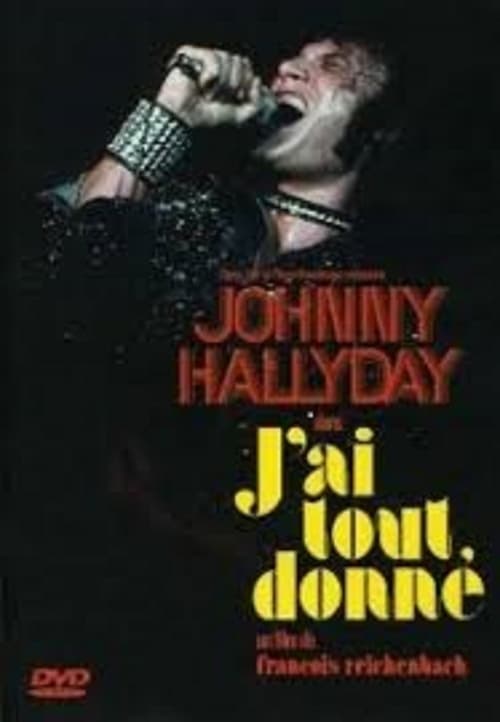
J'ai tout donné
1972 · 1h 20m
country: France
An intimate cinéma vérité style documentary following french mega star Johnny Hallyday's summer tour.

TMDB3.6
Medicine Ball Caravan
1971 · 1h 28m
country: United States
Documentary of a 154-person bus and truck tour that set out to spread the gospel of flower power to the hinterlands of the U.S.
Yehudi Menuhin, chemin de lumière
TMDB4.8
Yehudi Menuhin, chemin de lumière
1970 · 1h 18m
country: Unknown
Portrait of violin prodigy Yehudi Menuhin: an account of his career, his professional and private life and his profession of faith, inspired by Eastern philosophy.
TMDB3.5
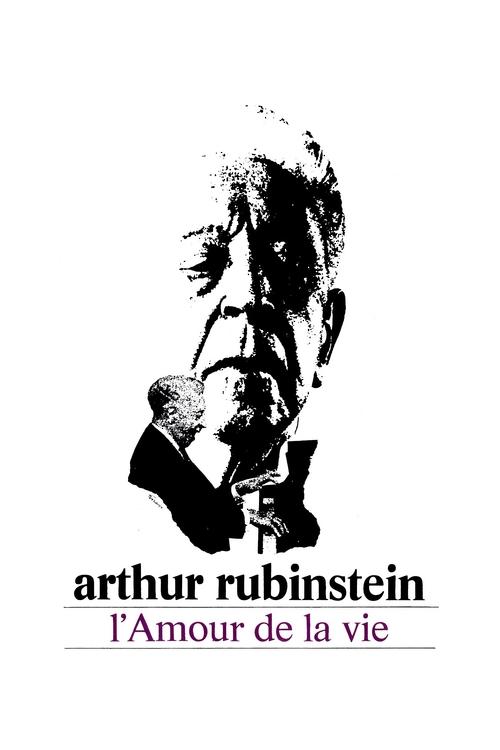
Arthur Rubinstein: The Love of Life
1969 · 1h 29m
country: France
Documentary about Polish-American pianist, Arthur Rubinstein.

TMDB5.0
Images, rythmes et percussions
1969 · 1h 4m
country: Iran
In 1969, 10 years before the Iranian revolution, Iran and the ancient city of Persepolis hosted an arts festival that revealed all the contrasts and diversity of ancient Persia. Alternating sequences of performances and images filmed in the country show the cultural richness of Iran, where modernity and tradition exist side by side.
TMDB2.0
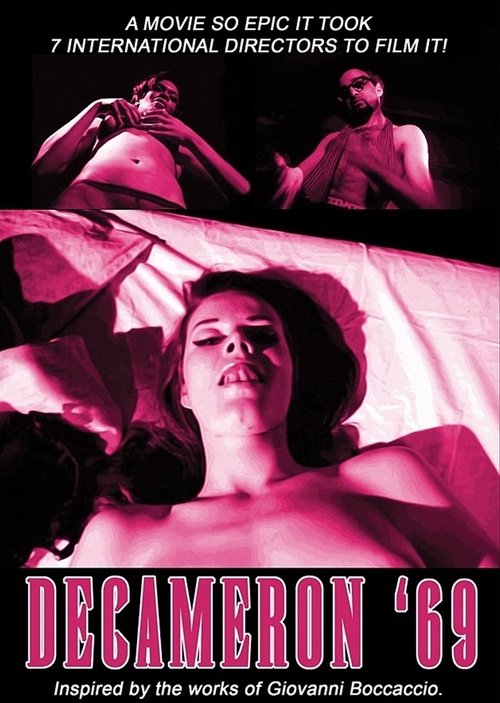
Decameron '69
1969 · 1h 14m
country: Unknown
Inspired by Giovanni Boccaccio's 14th-century collection of novellas known as The Decameron, this innovative film combines short works from seven directors who set out to interpret Boccaccio's masterwork for the modern age. The result is an assortment of titillating tales ranging from the erotic to the tragic.
TMDB4.3
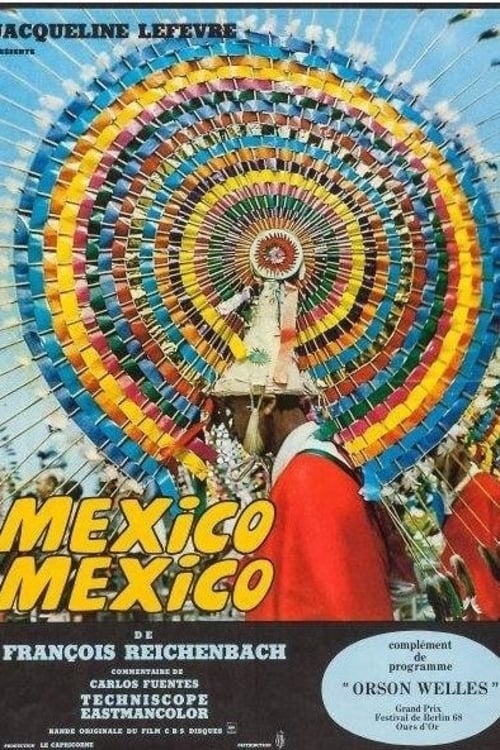
Mexico Mexico
1968 · 1h 30m
country: France
"Mexico begins where the roads end ”. Mexican writer Carlos Fuentes tells us about the history of Mexico: its invasions, its revolutions, its sacred lands, its forgotten legends, its religious rituals and this frightening misery. François Reichenbach and his camera sink into the dust, on this sacred land, where "the land never ends."
TMDB3.4
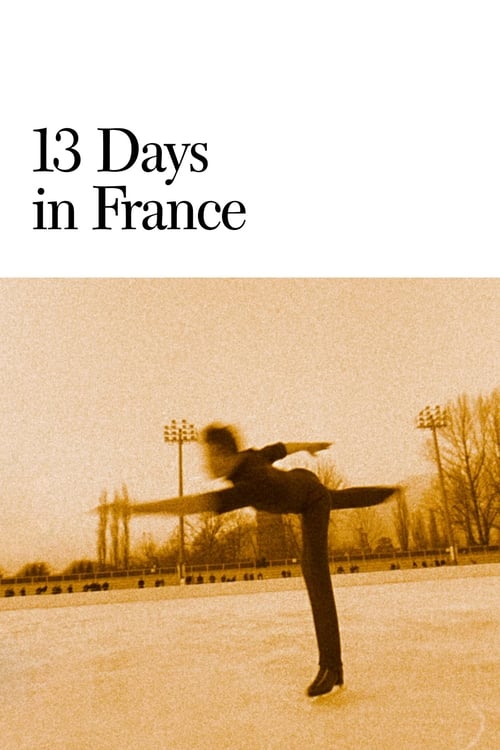
13 Days in France
1968 · 1h 52m
country: France
This colorful documentary chronicles the events of the 1968 Winter Olympics in France. The events made international celebrities of skater Peggy Fleming and skier Jean-Claude Killy for their gold-medal performances. The camera accurately catches the speed of bobsleds and downhill racers and ski jumpers as they race for the gold. President Charles DeGaulle is shown observing the action over 13 days, which saw France earn the best performance to date in the winter games.
TMDB3.4
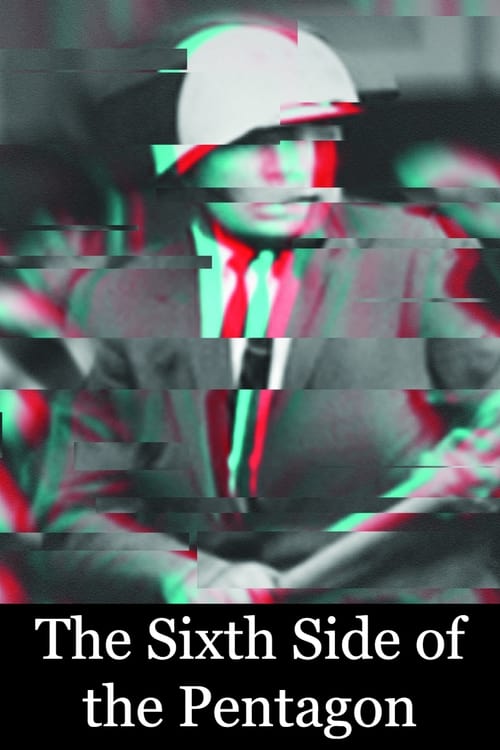
The Sixth Side of the Pentagon
1968 · 28m
country: France
Chris Marker and François Reichenbach document the massive anti–Vietnam War protest held in Washington, D.C., on October 21, 1967, where more than 100,000 demonstrators gathered at the Lincoln Memorial before marching on the Pentagon. Filmed amid the crowd, the short captures the tension, idealism, and growing radicalism of the American peace movement.
TMDB4.3
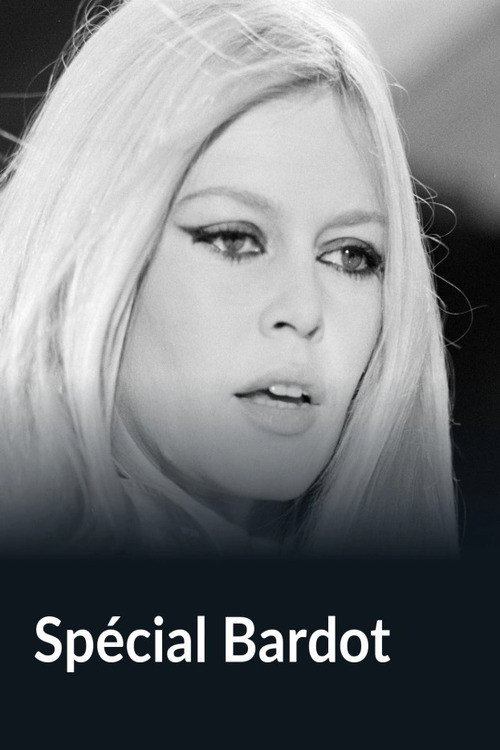
Spécial Bardot
1968 · 45m
country: France
And the image created the myth... Bardot as a brunette, blonde or redhead. Bardot in thigh-high boots, mini-dress or swimsuit, Bardot in London, at La Madrague or on a Harley... In all her states, BB sings with Gainsbourg and Sacha Distel: "Bonnie and Clyde", "Comic strip", "Mister Sun"... Reichenbach's camera sublimates the icon.
TMDB3.5
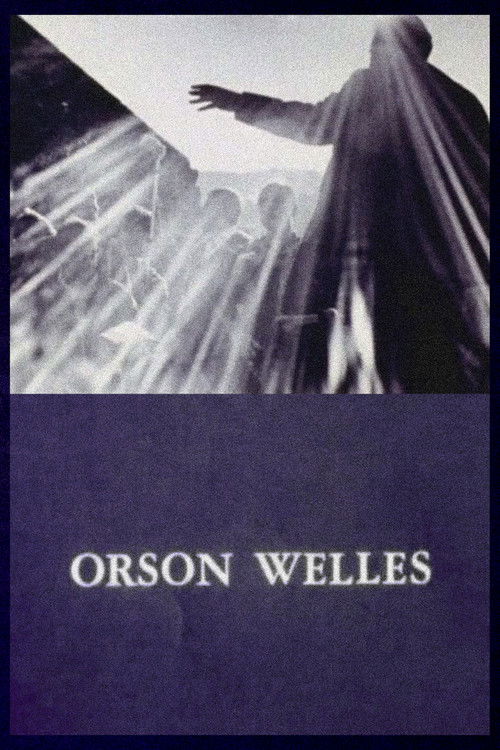
Portrait: Orson Welles
1968 · 41m
country: France
Excerpts and fragments from different interviews with Orson Welles making a statement to journalists in fluent French about his career and his conception of life.
Voyage de Brigitte Bardot aux USA
TMDB4.5
Voyage de Brigitte Bardot aux USA
1966 · 47m
country: Unknown
François Reichenbach follows Brigitte Bardot in the USA during the promotion of Louis Malle's film "Viva Maria!"
Le Carnaval de la Nouvelle-Orléans
TMDB5.0
Le Carnaval de la Nouvelle-Orléans
1965 · 9m
country: Unknown
The ancestor of the carnival is the Feast of Fools. During the Middle Ages between Christmas and Epiphany, everything was turned topsy-turvy. The poor could mock the rich, the humble could deride the powerful. A “fool’s pope” was elected and one could disguised himself as a bull, a cow, a deer or other pagan divinities. In New Orleans, the carnival has preserved this sense of liberty. Suddenly, everything is permitted, even the most absurd extravagance.

TMDB3.8
Village Sweetness
1964 · 47m
country: France
Documentary about a small village near Le Mans, commented by the village school-teacher.
TMDB4.5
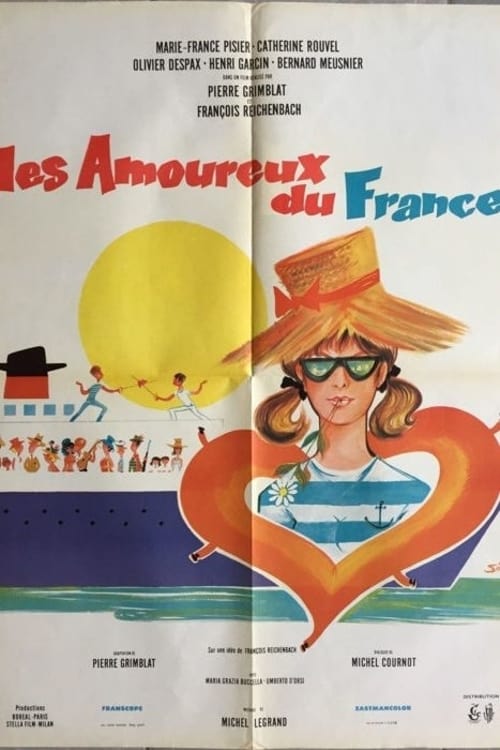
The Lovers of the France
1964 · 1h 36m
country: France
Seeing an opportunity to make a financial recovery for the family, a nobleman attempts to wed his son to his wealthy friend's daughter. His plan is to send the boy for a cruise on the SS France with the prospective female. Upon arriving to meet the lovely girl, the young man switches places with his valet. Unbeknownst to him, however, is the fact that the girl has pulled a similar deception. Though Jean-Marc Ripert is responsible for much of the cinematography in this New Wave comedy, it is Francois Reichenbach who handled the camera for many of the ocean-liner scenes.
Lomelin
TMDB5.0
Lomelin
1964
country: Unknown
Dunoyer de Ségonzac
TMDB5.0
Dunoyer de Ségonzac
1964
country: France
TMDB3.0
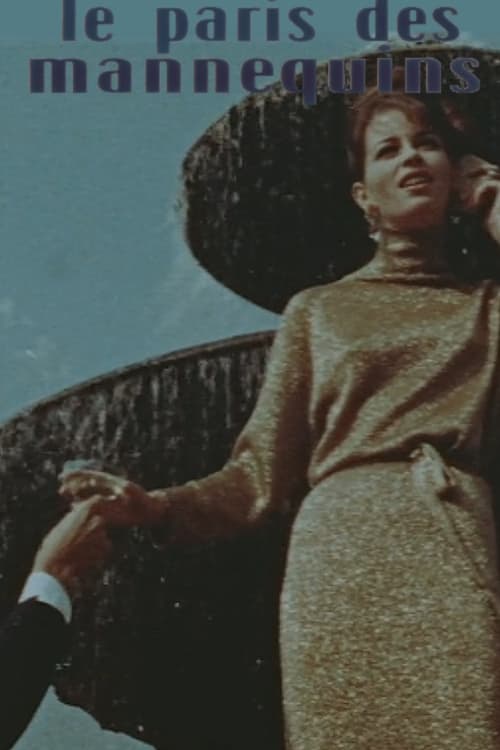
Le Paris des mannequins
1963 · 11m
country: France
A photoshoot on the roofs and in the streets of Paris, under the astonished eyes of the inhabitants.
L'Amérique lunaire
L'Amérique lunaire
1963 · 8m
country: Unknown
This short film is a metaphore for the destruction of the indian culture by the 'white man'.
TMDB3.5
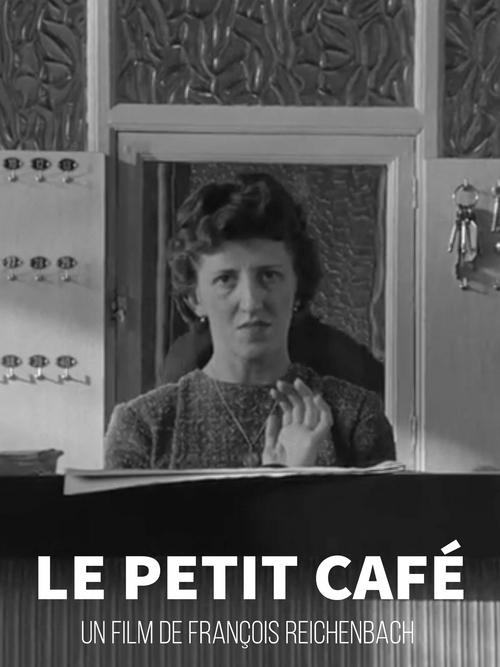
The Little Café
1963 · 12m
country: France
A day in a little café of Paris.

TMDB4.0
In Memory of Rock
1963 · 11m
country: France
The rock-wild youth of the 1960s during the apparitions of their idols.
TMDB3.3
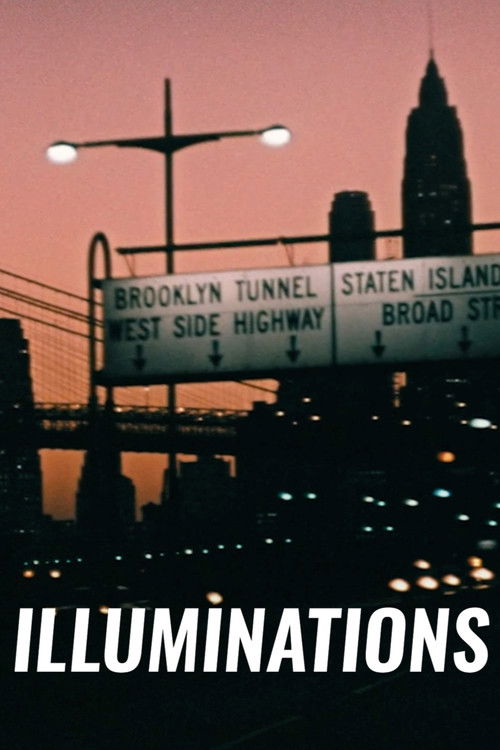
Illuminations
1963 · 9m
country: Unknown
Light is everywhere. Sunlight illuminates the beauty of solitary landscapes. Twilight, on the other hand, illuminates New York City, a city both swarming with people and spectral. This is a mysterious spectacle, enhanced by Rimbaud's poetry and Michel Legrand's music.
TMDB3.2
The Winner
1961 · 1h 45m
country: France
Documentary-style drama about a young African boxer who comes to Paris to try for a boxing career.
TMDB3.5
America as Seen by a Frenchman
1960 · 1h 31m
country: France
At the end of the 1950s, French documentarian François Reichenbach spent eighteen months traveling the United States, documenting its diverse regions, their inhabitants, and their pastimes. The result is a journey through a multitude of different Americas, filtered through a French sensibility.
L'américain se détend
TMDB4.3
L'américain se détend
1958 · 13m
country: France
Part of Reichenbach's series of short documentaries on America.
Au pays de Porgy and Bess
Au pays de Porgy and Bess
1957
country: Unknown
Part of Reichenbach's series of short documentaries on America.
L'été Indien
L'été Indien
1957 · 11m
country: France
Part of Reichenbach's series of short documentaries on America.
TMDB3.0
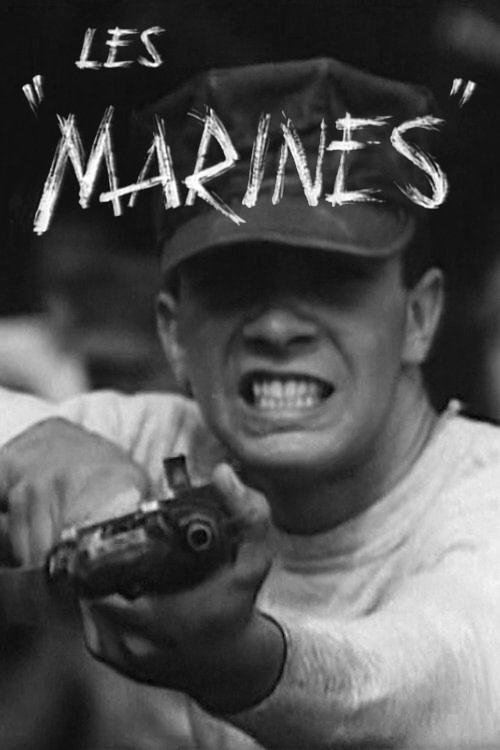
The Marines
1957 · 22m
country: France
François Reichenbach follows a group of young men from the day they enlist in the US Marine Corps, all the way through basic training.
Impressions de New York
TMDB5.0
Impressions de New York
1956 · 12m
country: France
(auto-translation: LA CINÉMATHÈQUE FRANÇAISE ) Using a subjective camera, set to music by Bela Bartók and text by Arthur Rimbaud, François Reichenbach offers a highly singular vision of the American megalopolis. (MIFF:) These are no ordinary travel notes brought back from America by filmmakers; they are not enthusiastic records of skyscrapers and crowds. but disturbing aspects of a hallucinatory world of concrete and metal, glaring light and haunting shadow. The film is notable for its dramatic use of colour, and music from Bela Bartok's ballet "The Miraculous Mandarin". (a-t:) F.B. confides in his memoir 'Le monde a encore un visage' (1981): "When I went to New York for the first time, I'd brought along a Bell & Howell 16mm camera whose instructions I hadn't read. I didn't know how to use the film, and inadvertently loaded some rolls that had already been printed, which resulted in these strange superimposed images. A well-known process that I had reinvented by accident".
TMDB4.0
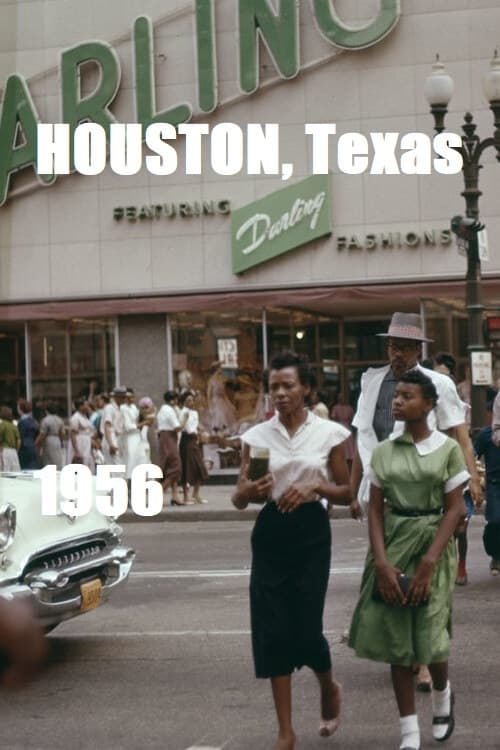
Houston Texas
1956 · 9m
country: Unknown
A report on this extraordinary boom town that owes its fortune to oil.
Le grand sud
Le grand sud
1956
country: Unknown
TMDB4.5
Visages de Paris
1955
country: France
TMDB2.9
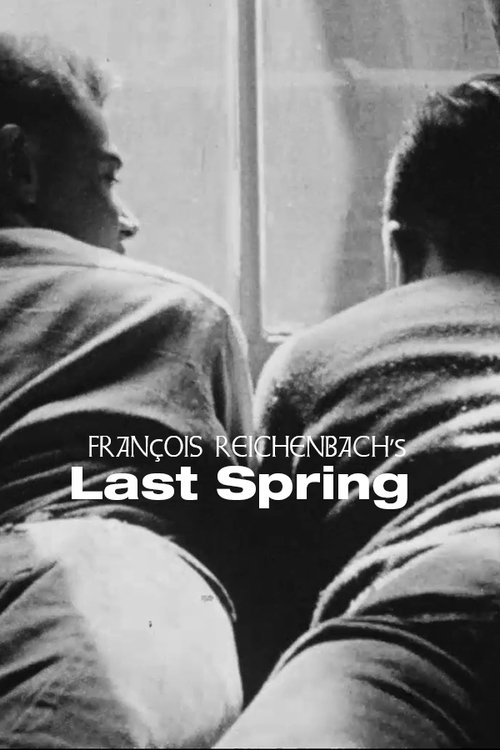
Last Spring
1954 · 23m
country: France
Two men in love, hugging and then apart, one in the city and the other in the country.

TMDB2.8
Nus Masculins
1954 · 25m
country: France
Travel journal under the form of a portrait series, silent intimate images filmed by François Reichenbach in 1954.