Movie DirectorRelease Date ↓All GenresAll ErasAny RatingAny Runtime

TMDB3.8
The Stranger
1991 · 1h 54m
country: India
A well-off family is paid an unexpected, and rather unwanted, visit by a man claiming to be the woman's long lost uncle. The initial suspicion with which they greet the man slowly dissolves as he regales them with stories of his travels, tales that are at odds with their conventional middle class perspective on the world.

TMDB3.6
The Branches of the Tree
1990 · 2h 10m
country: United Kingdom
When a wealthy patriarch falls ill on his 70th birthday, three of his sons rush in from Calcutta, leading to a reunion filled with painful ironies and lingering disillusionment. As the family—including an addled fourth son who lives with the old man—watches and waits, the static occasion brings out simmering tensions in their family dynamics, from the father’s moral rectitude to the business ambition of two sons and the withdrawal of their siblings.

TMDB3.6
An Enemy of the People
1990 · 1h 39m
country: India
Ashoke Gupta is an idealistic doctor working in a town near Calcutta. He discovers that the water at a popular temple is the source of an outbreak of typhoid and hepatitis. In order to save lives, he risks his career to try and call attention to this polluted water source, while a local group of building contractors attempt to discredit him in various ways.
TMDB2.8
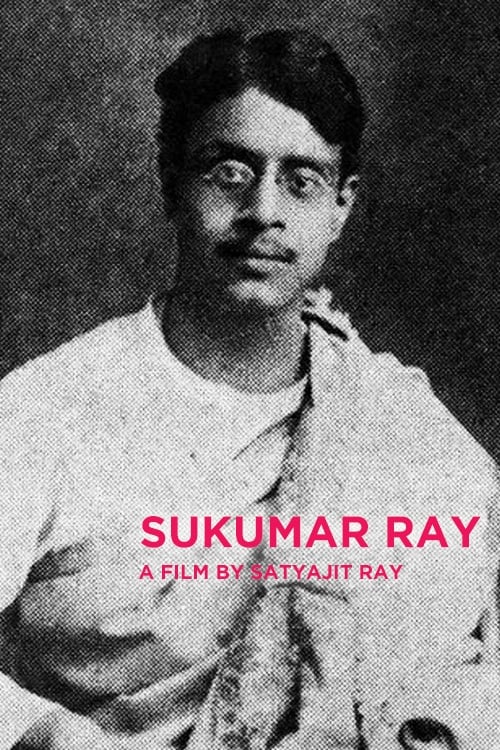
Sukumar Ray
1987 · 29m
country: India
The film presents the life and work of the writer Sukumar Ray, Satyajit Ray's father. Ray made this film as a tribute to celebrate the centenary of his birth.
TMDB3.6
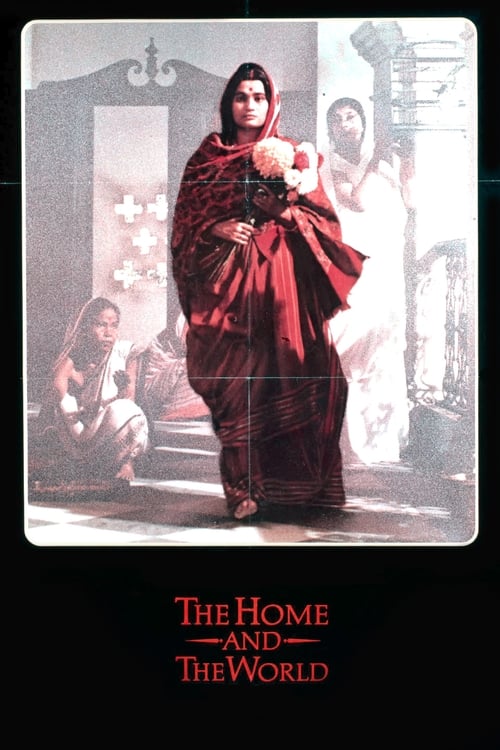
The Home and the World
1985 · 2h 20m
country: India
In the early 1900s, Nikhilesh, a wealthy Westernized Hindu in colonial East Bengal, feels compelled to test the love of his wife, Bimala. He introduces her to his friend Sandip, a politician agitating against British rule, and Bimala is equally taken with both Sandip's anti-colonial fervor and the man himself. Personal and political tensions subsequently flare as the now assertive Bimala has to make a crucial decision.
TMDB2.6
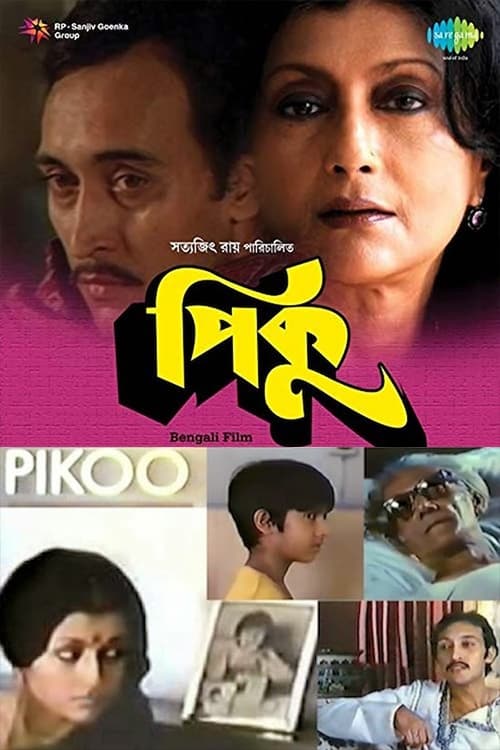
Pikoo
1981 · 26m
country: India
A day in the life of a six-year-old child in Calcutta, who lives shut up in the family home, insulated from the city by a park. The father is away at work. The grandfather is alone in his room, ill and confined to his bed. The mother receives her lover.
TMDB3.2
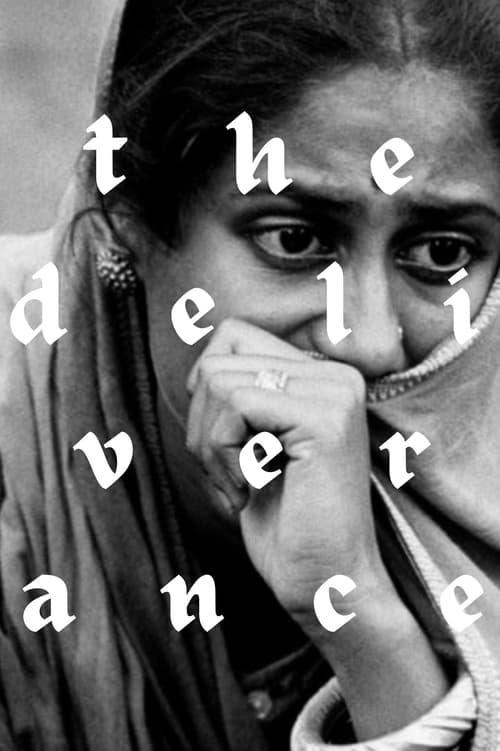
Sadgati
1981 · 45m
country: India
When a poor and out-caste village tanner goes to village priest to get the date of his daughter's marriage fixed, the priest in turn asks for labor without pay in exchange.
TMDB4.0
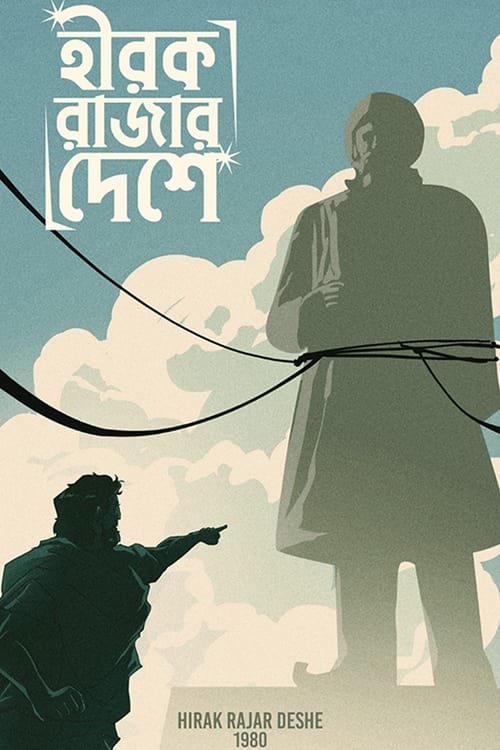
The Kingdom of Diamonds
1980 · 1h 58m
country: India
When Goopy and Bagha learn about Hirak Raja's tyranny, they try to set him right with the help of Udayan, a school teacher, and their magical powers.
TMDB3.6
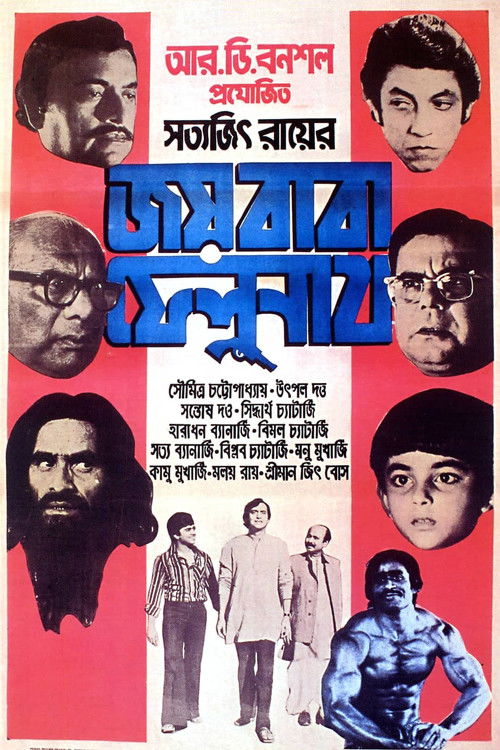
The Elephant God
1979 · 2h
country: India
Set in the holy city of Benares, this is the second film about the detective Feluda, who goes on a holiday with his cousin, Topshe, and his friend, Lalmohan Ganguly. But the theft of a priceless deity of Lord Ganesh (the Elephant God) from a local household forces him to investigate.
TMDB3.5
FF3.5
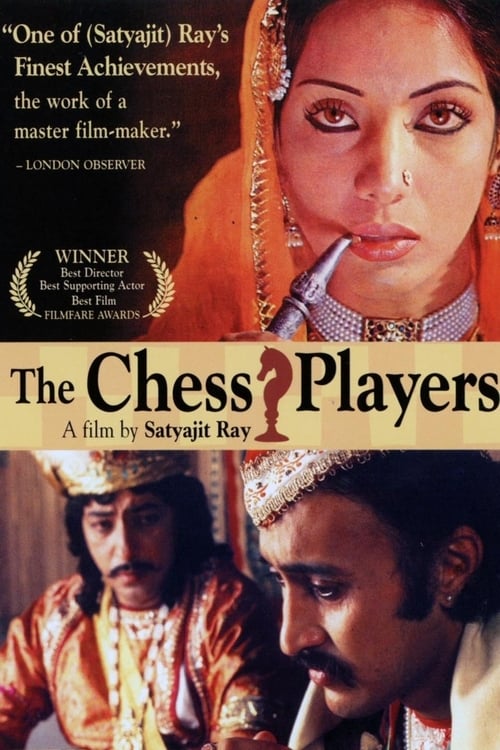
The Chess Players
1977 · 2h 9m
country: India
In the year 1856, Nawab Wajid Ali Shah is the King of Awadh, one of the last independent kingdoms of India. The British intend to control this rich land and send General Outram to clear way for an annexation. Pressure is mounting amidst intrigue and political maneuvers, but the Nawab whiles away his time in pursuit of pleasure and religious practice. The court is of no help either — noblemen Mir and Mirza ignore all duties and spend their days playing endless games of chess.
TMDB3.5
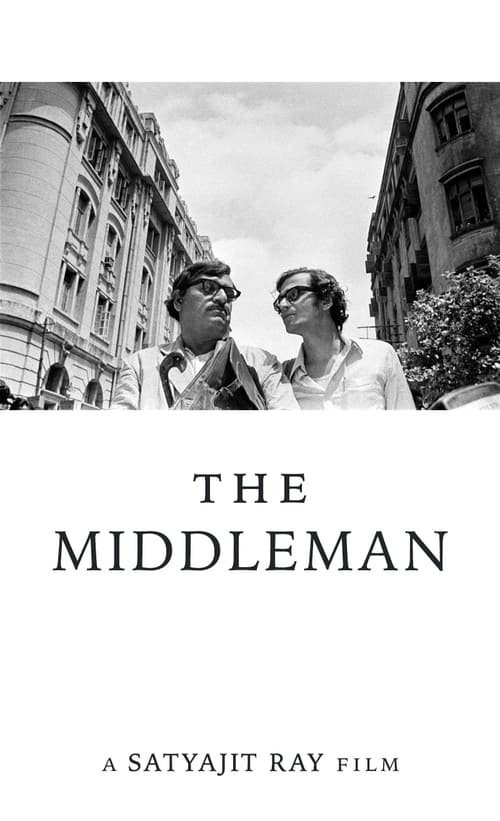
The Middleman
1976 · 2h 11m
country: India
A bright and idealistic young graduate steels himself for a dog-eat-dog world, only to flounder in a job market packed with thousands of other hopefuls. When he eventually decides to start his own business as a middle-man, he discovers that the world of business does not live up to his lofty ideals.
TMDB3.7
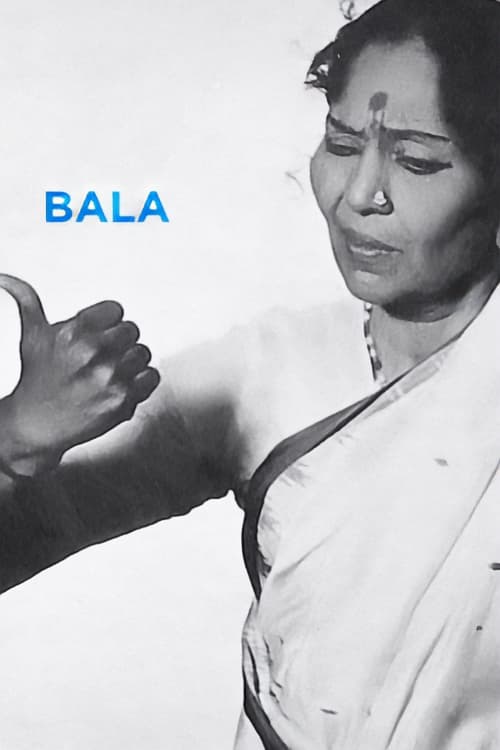
Bala
1976 · 31m
country: India
A documentary about the aging prima ballerina Balasaraswati (popularly known as "Bala"), the most famous exponent of the Bharatanatyam dance.
TMDB3.9
The Golden Fortress
1974 · 2h 15m
country: India
A young boy becomes a target for crooks, after he claims to remember his past life and mentions precious jewels in a golden fortress.
TMDB3.4
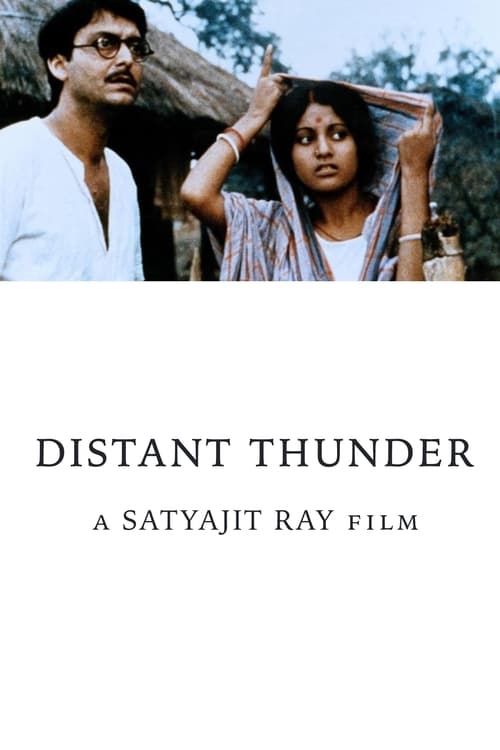
Distant Thunder
1973 · 1h 41m
country: India
Gangacharan is the new Brahmin of a village, where he assumes various duties: teaching, organizing religious events, and trying to prevent epidemics. But in that year 1943, war is raging (as reminded by the planes occasionally heard flying over the countryside), and a major famine is under way. As food shortages reach catastrophic proportions, Gangacharan attempts to preserve his privileged situation, while his generous wife, Ananga, conversely tries to help and support the community.
TMDB3.0
The Inner Eye
1972 · 21m
country: India
At the age of 54, Binode Bihari Mukherjee, an accomplished painter, lost his sight following an unsuccessful cataract operation. He continued to create art despite his loss of sight. The documentary explores Binode Bihari’s inner eye that guides his fingers to create art.
TMDB3.5
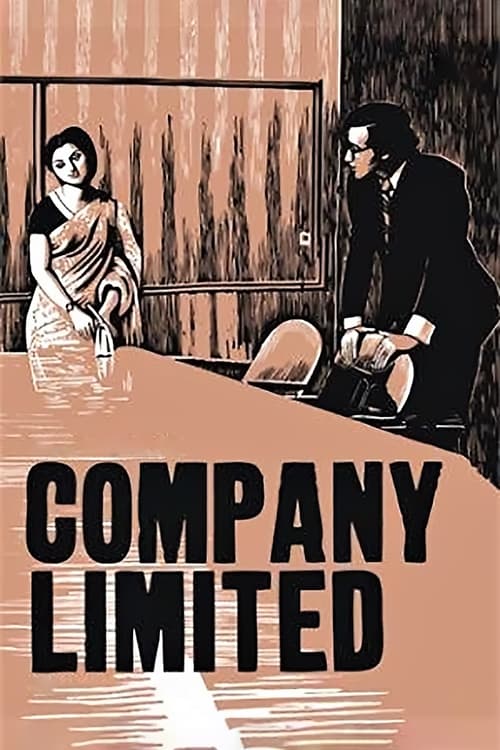
Company Limited
1971 · 1h 50m
country: India
Ambitious businessman Shyamalendu enjoys showing his visiting sister-in-law, Tutul, the extravagant life he leads with his wife. But Tutul is less than impressed with the trappings of wealth.
TMDB3.3
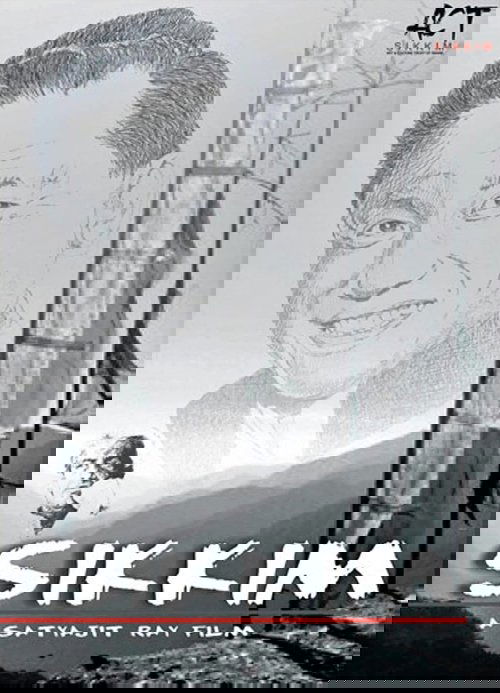
Sikkim
1971 · 55m
country: India
Satyajit Ray's poetic documentary was commissioned by the Chogyal (King) of Sikkim at a time when he felt the sovereignty of Sikkim was under threat from both China and India. Ray's documentary is about the sovereignty of Sikkim. The film was banned by the government of India when Sikkim merged with India in 1975. The ban was finally lifted by the Ministry of External Affairs in September 2010. Preserved by the Academy Film Archive in 2007.
TMDB3.6
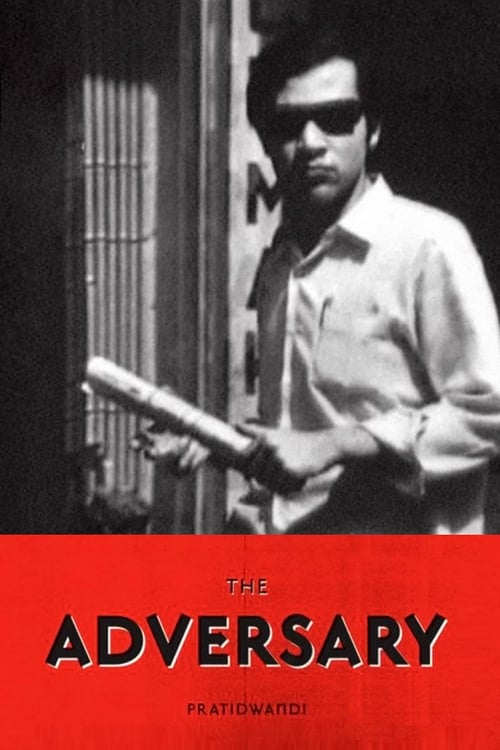
The Adversary
1970 · 1h 50m
country: India
Siddhartho Chowdhury, a brilliant young medical student, is forced to leave his studies after his father's sudden demise. He is forced to navigate the high unemployment rate and the communist socio-political climate of 1960s Calcutta in search of a job.

TMDB3.5
Days and Nights in the Forest
1970 · 1h 57m
country: India
Four friends from Calcutta who have very different personalities make a holiday excursion into the country, to a tiny village in the state of Bihar where they set themselves up in a bungalow. A series of minor events, all connected to their respective reactions to their new environment, reveals their characters more deeply.
TMDB3.8
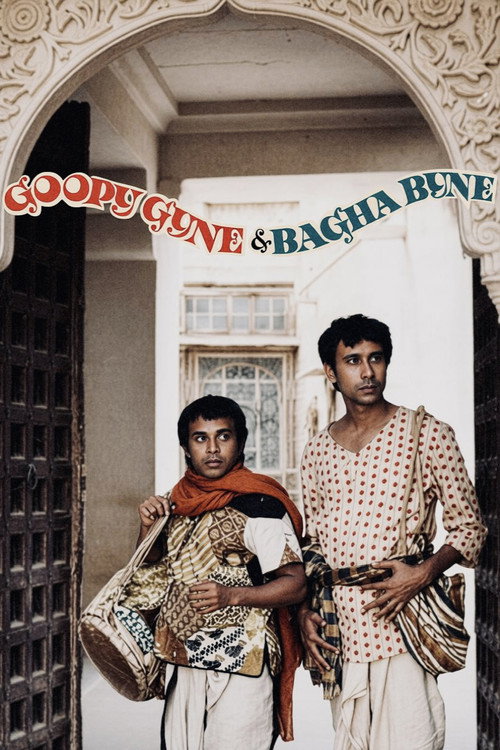
Goopy Gyne Bagha Byne
1969 · 2h 9m
country: India
Goopy Gyne and Bagha Byne are banished from their respective villages for being bad musicians. However, with their skills, they succeed in pleasing the king of ghosts who grants them three boons. How will they succeed in preventing the war between Halla and Shundi which is looming large?

TMDB3.2
The Zoo
1967 · 2h 5m
country: India
When Byomkesh Bakshi's new client, Dr. Nishanath Sen, is murdered at Golap Colony, he decides to probe into the case with the help of his close aide, Ajit.

TMDB4.0
The Hero
1966 · 1h 58m
country: India
Arindam, a matinee idol, is going by train to collect an acting award. On the train, he is confronted by Aditi, a journalist who somewhat unwillingly starts to take his interview. Arindam, won over by Aditi's naivete, starts to disclose his past, his fears and his secrets.
TMDB3.8
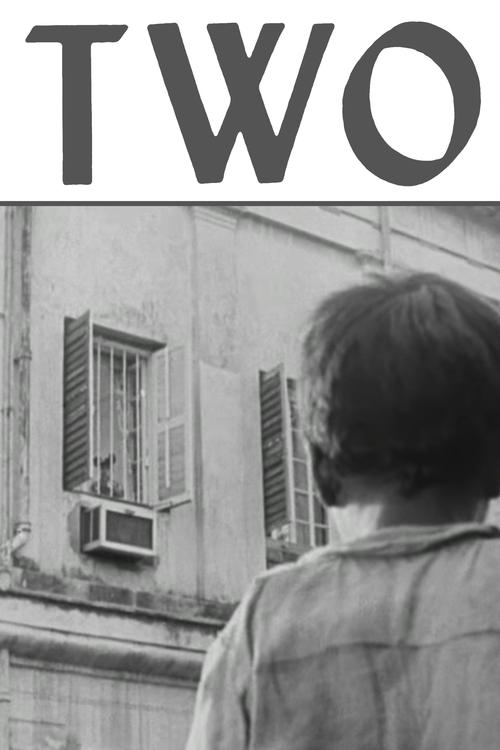
Two
1965 · 12m
country: India
This short film shows an encounter, through a series of games, between a street child from the shantytowns and a child of a rich family, stationed at his window. The film has no dialogue and the action moves through the attempts at one-upmanship evident in their successive display of their toys. Their rivalry (a kite shot down by a toy rifle, for example) concludes with the opposition between the world of noise (the toys inside the house) and that of music (the street child's flute). Preserved by the Academy Film Archive in 2006.
TMDB3.6
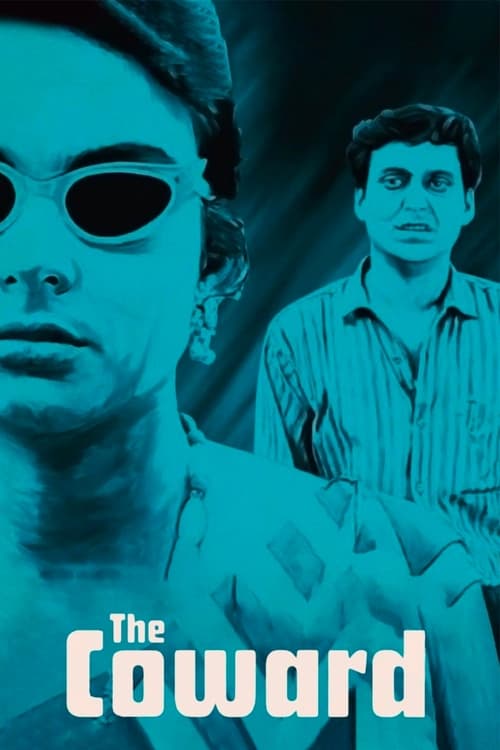
The Coward
1965 · 1h 10m
country: India
Amitabha Roy is a Calcutta-based scriptwriter, driving around in the country to collect material for a film. His vehicle breaks down in a small town. A tea planter, Bimal Gupta, offers hospitality for the night. Amitabha is forced to accept the offer as he has no alternative.
TMDB3.0
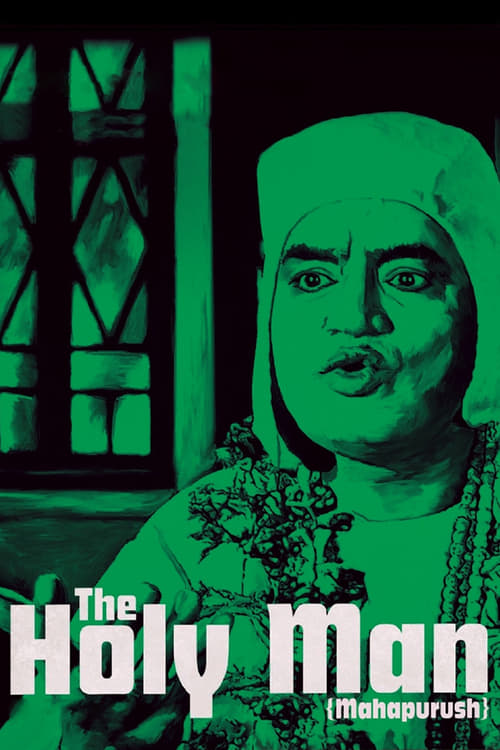
The Holy Man
1965 · 1h 5m
country: India
A wandering baba initiates a widower layer and his youngest daughter, irritating her boyfriend Satya and the ever-skeptical Nibaran.
TMDB3.7
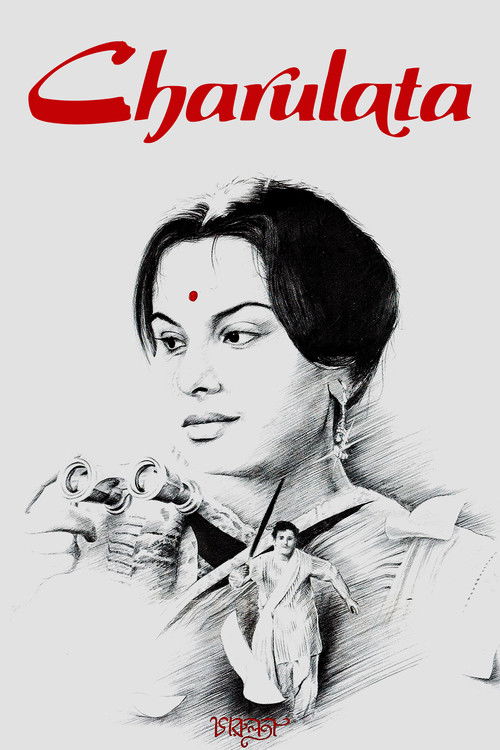
Charulata
1964 · 1h 57m
country: India
In 1870s India, Charulata is an isolated, artistically inclined woman who sees little of her busy journalist husband, Bhupati. Realizing that his wife is alienated and unhappy, he convinces his cousin, Amal, to spend time with Charulata and nourish her creative impulses. Amal is a fledgling poet himself, and he and Charulata bond over their shared love of art.
TMDB3.9
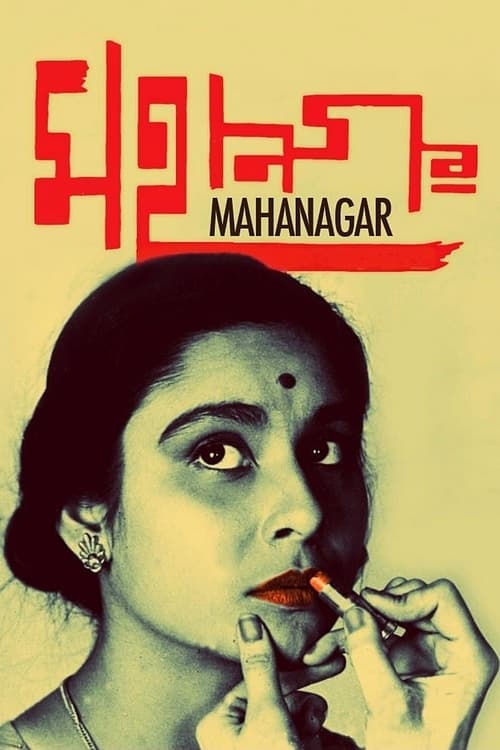
The Big City
1963 · 2h 16m
country: India
Arati takes a job as a door-to-door saleswoman in Calcutta's wealthy neighbourhoods, in defiance of her traditionally-minded husband, Subrata, and his live-in parents. Emulating her Anglo-Indian friend Edith, who speaks equal to the men she encounters on the job, Arati quickly becomes her firm's top salesperson. When Subrata loses his job, the power dynamic begins to shift.
TMDB3.8
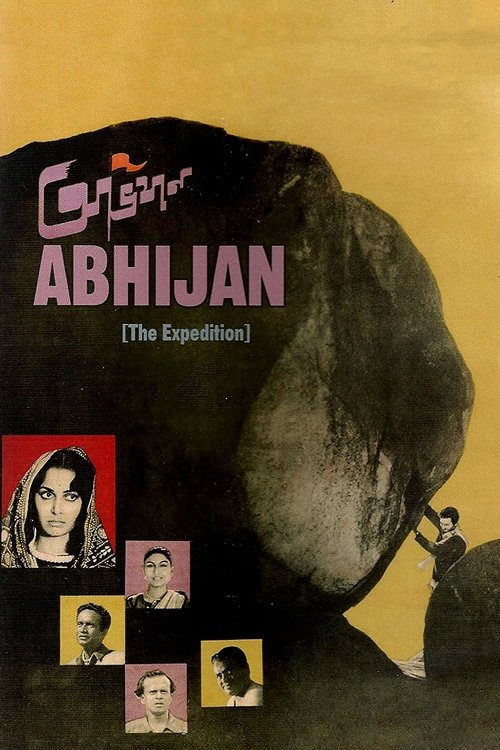
The Expedition
1962 · 2h 26m
country: India
Narsingh, a North Indian taxi driver, attempts to reinvent his life by visiting his native place, but instead gets embroiled in a local Marwari businessman's smuggling and human trafficking business.
TMDB3.8
Kanchenjungha
1962 · 1h 42m
country: India
Played out in real time, several complex family dramas intersect in the landscape of the Himalayan foothills, allowing the Bengali auteur to examine the class and generational differences of postcolonial India while celebrating the hopes of a society in transition.
TMDB3.5
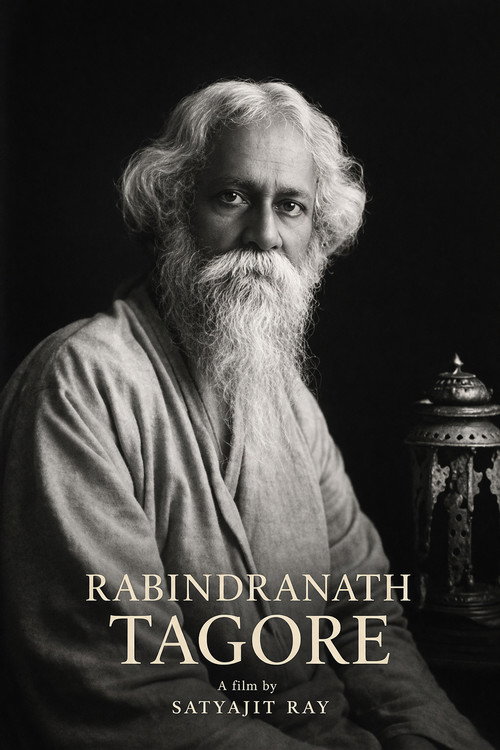
Rabindranath Tagore
1961 · 54m
country: India
Docudrama about the life of Rabindranath Tagore, Indian polymath—poet, writer, playwright, composer, philosopher, social reformer and painter, who reshaped Bengali literature and music as well as Indian art, becoming in 1913 the first non-European and the first lyricist to win the Nobel Prize in Literature. The film was released during Tagore's birth centenary year.

The Lost Jewels
1961 · 1h 1m
country: India
The story revolves around a woman, who stays in a large mansion with her husband. She develops an obsession for her ornaments and refrains giving them to her husband as they face financial crisis. Preserved by the Academy Film Archive in partnership with Arsenal - Institut für Film und Videokunst e.V. in 2007.

TMDB3.8
Three Daughters
1961 · 2h 53m
country: India
Three stories with three central female characters linking the stories together. The first one concerns an orphan girl who grows attached to the postmaster she is caring for after he teaches her to read and write. The second one is a supernatural tale about a woman obsessed with the jewels her husband buys for her. The final one follows a young man who falls for an unconventional girl from his new village instead of his arranged bride, the daughter of a respectable family.

TMDB3.7
Devi
1960 · 1h 39m
country: India
A devout upper-class Hindu has a vision in a dream that his daughter-in-law is the human incarnation of the Goddess Kali and begins worshipping her.
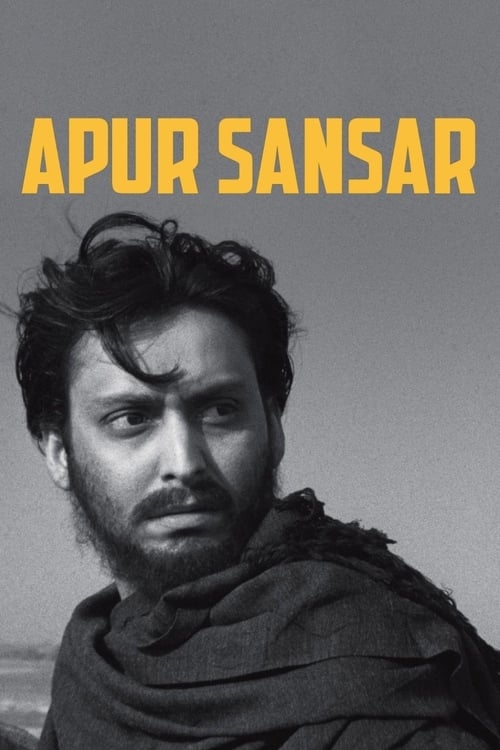
TMDB4.1
The World of Apu
1959 · 1h 45m
country: India
Apu, now a jobless ex-student dreaming vaguely of a future as a writer, is invited to join an old college friend on a trip up-country to a village wedding.

TMDB3.8
The Music Room
1958 · 1h 40m
country: India
An aging, decadent landlord’s passion for music becomes the undoing of his legacy as he sacrifices his wealth in order to compete with the opulent music room of his younger, richer neighbour.

TMDB3.4
The Philosopher's Stone
1958 · 1h 51m
country: India
A middle-aged bank clerk happens on a stone with alchemical properties, allowing him to turn steel into gold.
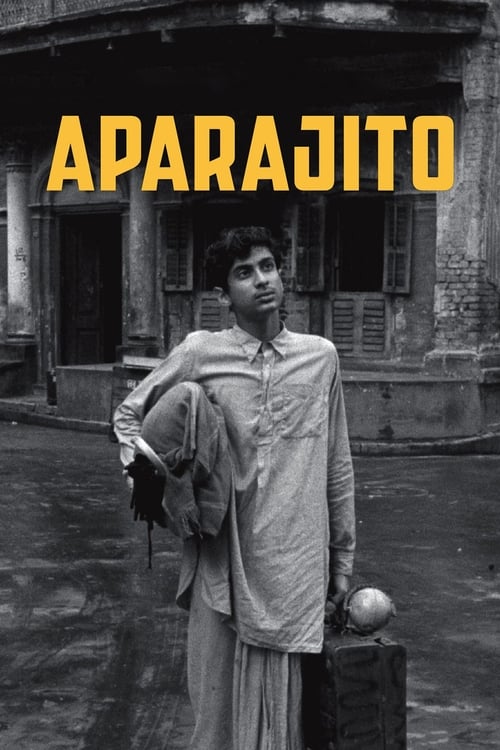
TMDB3.9
Aparajito
1956 · 1h 50m
country: India
Apu and his family have moved away from the country to live in the bustling holy city of Benares. As he progresses from wide-eyed child to intellectually curious teenager, eventually studying in Kolkata, we witness his academic and moral education, as well as the growing complexity of his relationship with his mother.
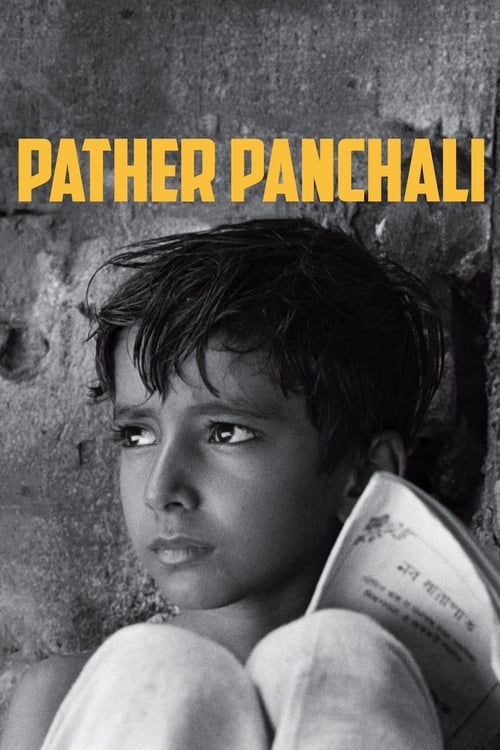
TMDB3.9
Pather Panchali
1955 · 2h 5m
country: India
Impoverished priest Harihar Ray, dreaming of a better life for himself and his family, leaves his rural Bengal village in search of work. Alone, his wife, Sarbojaya, looks after her rebellious daughter, Durga, and her young son, Apu, as well as Harihar's elderly aunt Indir. The children enjoy the small pleasures of their difficult life, while their parents suffer the daily indignities heaped upon them.