Movie Original Music ComposerRelease Date ↓All GenresAll ErasAny RatingAny Runtime
TMDB3.8
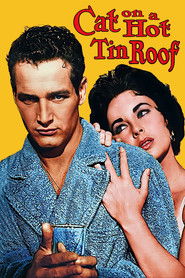
Cat on a Hot Tin Roof
1958 · 1h 48m · US
An alcoholic ex-football player drinks his days away, having failed to come to terms with his sexuality and his real feelings for his football buddy who died after an ambiguous accident. His wife is crucified by her desperation to make him desire her: but he resists the affections of his wife. His reunion with his father—who is dying of cancer—jogs a host of memories and revelations for both father and son.
TMDB3.5
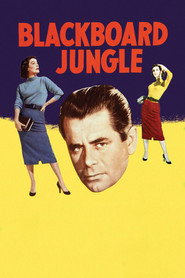
Blackboard Jungle
1955 · 1h 41m · US
Richard Dadier is a teacher at North Manual High School, an inner-city school where many of the pupils frequently engage in anti-social behavior. Dadier makes various attempts to engage the students' interest in education, challenging both the school staff and the pupils. He is subjected to violence as well as duplicitous schemes.
TMDB3.6
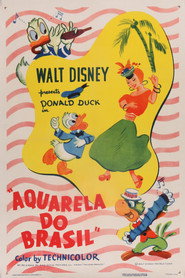
Aquarela do Brasil
1942 · 7m · US
José Carioca, showing Donald Duck around South America and introducing him to the samba
TMDB3.5
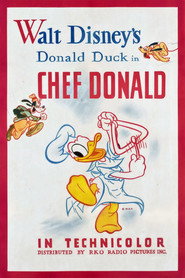
Chef Donald
1941 · 7m · US
Donald decides to try cooking along with a radio show.
TMDB3.5
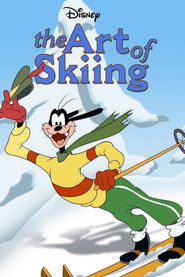
The Art of Skiing
1941 · 8m · US
Goofy, staying at the Sugar Bowl resort, demonstrates the basics of downhill skiing, which the titles and announcer insist is pronounced "SHEEing". The equipment is, of course, of the era. As you can imagine, Goofy has much trouble keeping his skis parallel and pointing downhill. The final ski jump conveniently lands Goofy right back in bed.
TMDB3.0
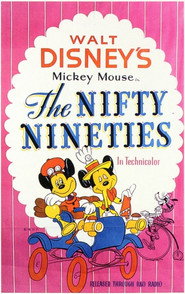
The Nifty Nineties
1941 · 7m · US
Mickey courts Minnie in the Gay Nineties: they take in a vaudeville show and go for a drive in his horseless carriage, to the strains of "While Strolling Through the Park" and "In the Good Old Summertime". Goofy rides by on a penny-farthing bicycle, and the whole Duck family rides by on a bicycle built for five.
TMDB3.4
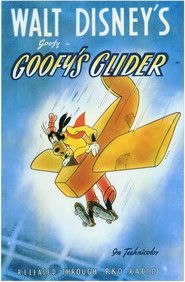
Goofy's Glider
1940 · 8m · US
Yet another sport is made 'easy' for us by Goofy's demonstration how- never, ever, to try anything for real, least of all with a glider-flying machine he launches in ways that would kill anything but a cartoon character, such as a giant catapult and even a canon. Meanwhile Goofy proves totally incapable to control any of its movements in the air, let alone the 'landing' which is too messy even for a bombshell.
TMDB3.3
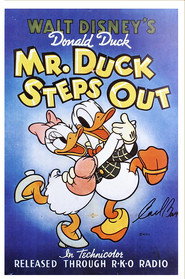
Mr. Duck Steps Out
1940 · 8m · US
Donald visits the house of his new love interest for their first known date. At first Daisy acts shy and has her back turned to her visitor. But Donald soon notices her tailfeathers taking the form of a hand and signaling for him to come closer. But their time alone is soon interrupted by Huey, Dewey and Louie who have followed their uncle and clearly compete with him for the attention of Daisy. Uncle and nephews take turns dancing the jitterbug with her while trying to get rid of each other. In their final effort the three younger Ducks feed their uncle maize in the process of becoming popcorn. The process is completed within Donald himself who continues to move wildly around the house while maintaining the appearance of dancing. The short ends with an impressed Daisy showering her new lover with kisses