Movie DirectorRelease Date ↓All GenresAll ErasAny RatingAny Runtime

TMDB3.7
Madadayo
1993 · 2h 14m
country: Japan
In postwar Tokyo, beloved writer-professor Hyakken Uchida retires and is buoyed through hardship by the fierce devotion of his former students, who honor him each year with a raucous “Not yet!” birthday toast. Told in warm, gently comic vignettes, Kurosawa’s farewell celebrates aging, friendship, and the sustaining ritual of teacher and pupils refusing to say goodbye.

TMDB3.5
Rhapsody in August
1991 · 1h 38m
country: Japan
An elderly Nagasaki hibakusha spends a summer caring for her four grandchildren, whose curiosity about the 1945 bombing stirs buried memories and moral questions. When an American nephew from Hawaii visits, the family confronts grief, guilt, and the possibility of reconciliation across generations.

TMDB3.9
FF4.5
Dreams
1990 · 1h 59m
country: Japan
Eight visually rich vignettes drawn from Kurosawa’s own dreams—fox weddings and vanished orchards, a soldier’s ghosts, a walk through Van Gogh’s canvases, nuclear nightmares, and a water-mill utopia—meditate on childhood, art, mortality, and humanity’s uneasy bond with nature.
TMDB4.0
FF5.0
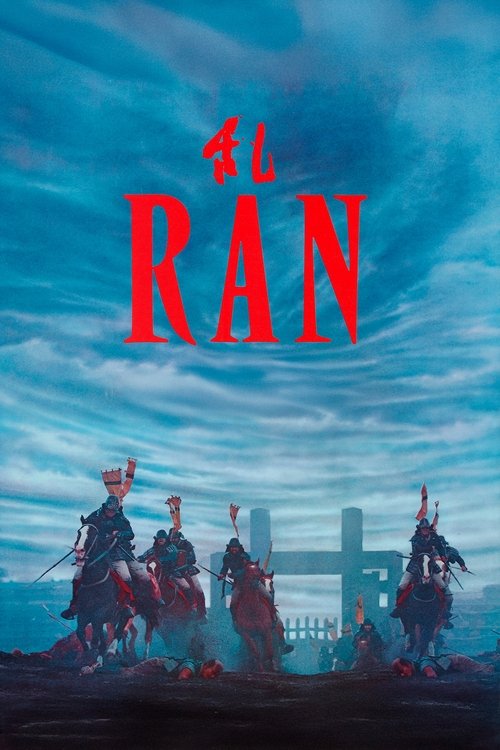
Ran
1985 · 2h 40m
country: Japan
Shakespeare's King Lear is reimagined as a singular historical epic set in sixteenth-century Japan where an aging warlord divides his kingdom between his three sons.
TMDB3.9
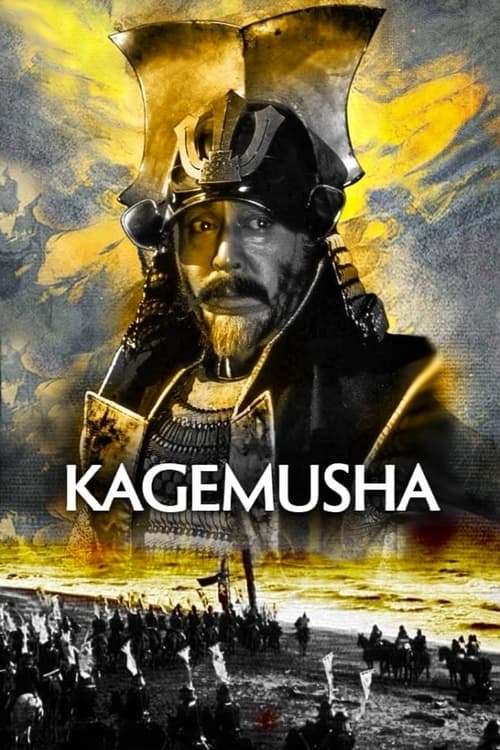
Kagemusha
1980 · 3h
country: Japan
Akira Kurosawa's lauded feudal epic presents the tale of a petty thief who is recruited to impersonate Shingen, an aging warlord, in order to avoid attacks by competing clans. When Shingen dies, his generals reluctantly agree to have the impostor take over as the powerful ruler. He soon begins to appreciate life as Shingen, but his commitment to the role is tested when he must lead his troops into battle against the forces of a rival warlord.
TMDB4.0
FF5.0
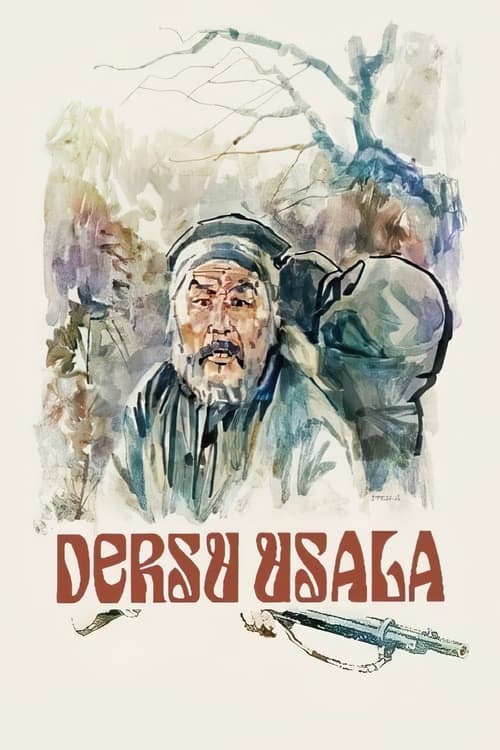
Dersu Uzala
1975 · 2h 21m
country: Japan
A military explorer meets and befriends a Goldi man in Russia’s unmapped forests. A deep and abiding bond evolves between the two men, one civilized in the usual sense, the other at home in the glacial Siberian woods.
TMDB3.5
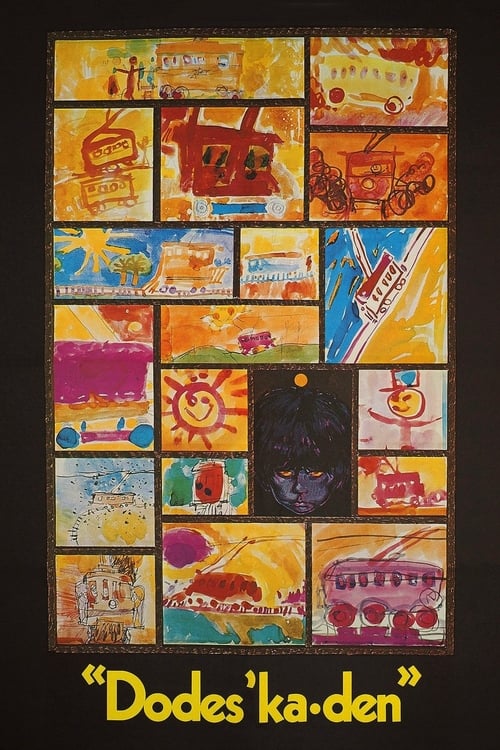
Dodes'ka-den
1970 · 2h 20m
country: Japan
On a Tokyo dump’s shantytown edge, interwoven vignettes follow residents scraping by: a boy who “drives” an imaginary trolley, a homeless father and son designing a dream house, a young woman brutalized at home, drunks, schemers, and saints of small kindnesses. Kurosawa crafts a ragged mosaic of hardship, fantasy, and flickers of grace that keep people moving forward.
TMDB3.0
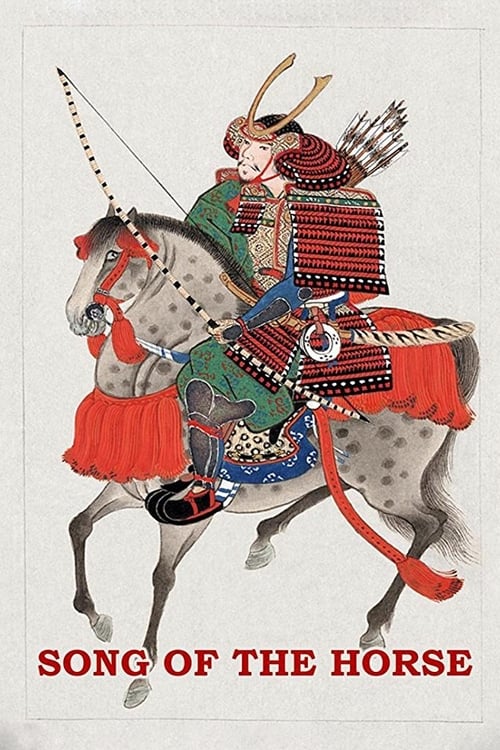
Song of the Horse
1970 · 1h 13m
country: Japan
Akira Kurosawa’s only television work—a lyrical documentary that follows a thoroughbred from birth and training to the Japan Derby—framed by a grandfather’s narration to his grandson about the fading bond between people and horses.
TMDB4.1
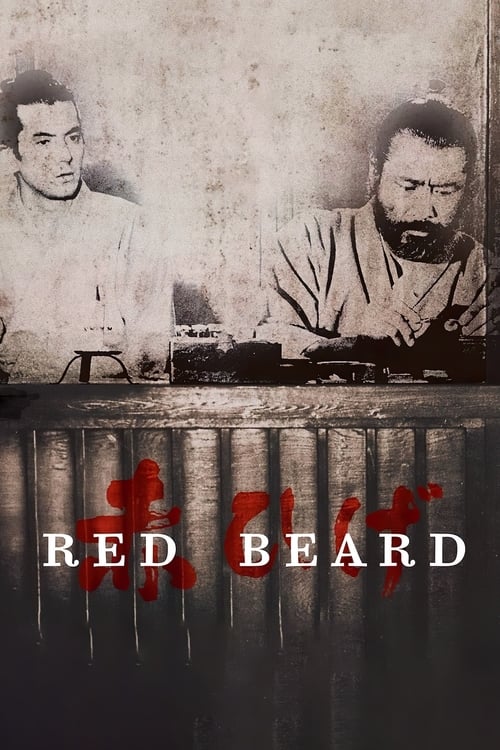
Red Beard
1965 · 3h 5m
country: Japan
Aspiring to an easy job as personal physician to a wealthy family, Noboru Yasumoto is disappointed when his first post after medical school takes him to a small country clinic under the gruff doctor Red Beard. Yasumoto rebels in numerous ways, but Red Beard proves a wise and patient teacher. He gradually introduces his student to the unglamorous side of the profession, ultimately assigning him to care for a prostitute rescued from a local brothel.
TMDB4.2
FF5.0
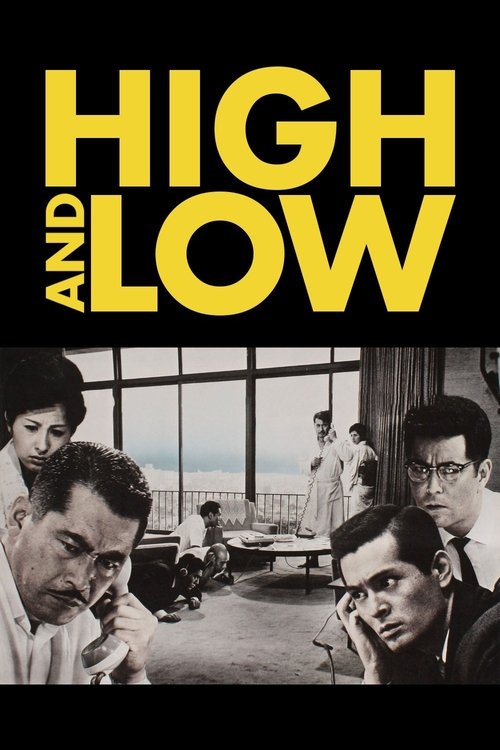
High and Low
1963 · 2h 22m
country: Japan
A Yokohama shoe executive faces a wrenching choice when kidnappers mistakenly seize his chauffeur’s son but demand the ransom anyway.
TMDB4.0
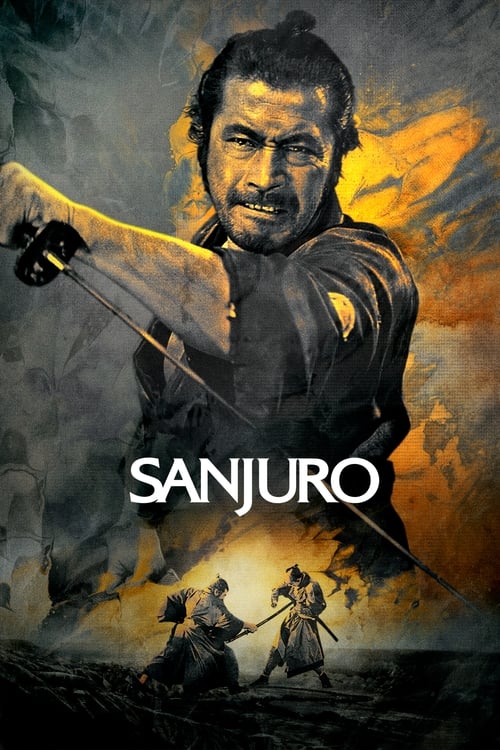
Sanjuro
1962 · 1h 36m
country: Japan
In this companion piece and sequel to "Yojimbo," jaded samurai Sanjuro helps an idealistic group of young warriors weed out their clan's evil influences, and in the process turns their image of a proper samurai on its ear.
TMDB4.0
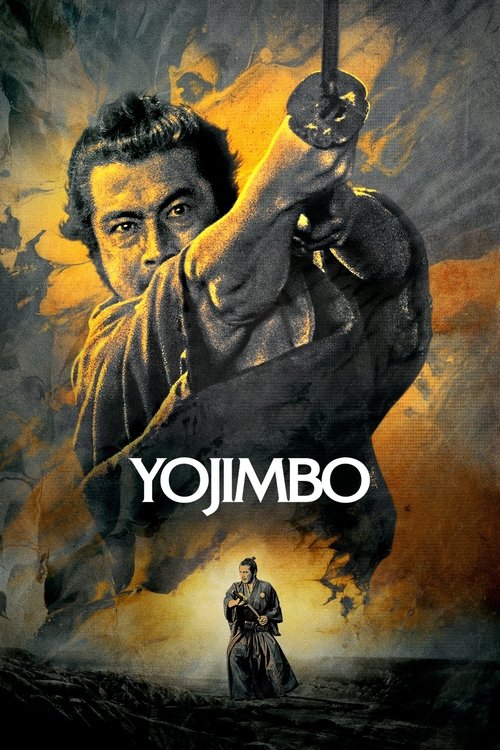
Yojimbo
1961 · 1h 50m
country: Japan
A nameless ronin, or samurai with no master, enters a small village in feudal Japan where two rival businessmen are struggling for control of the local gambling trade. Taking the name Sanjuro Kuwabatake, the ronin convinces both silk merchant Tazaemon and sake merchant Tokuemon to hire him as a personal bodyguard, then artfully sets in motion a full-scale gang war between the two ambitious and unscrupulous men.

TMDB3.9
The Bad Sleep Well
1960 · 2h 30m
country: Japan
In this loose adaptation of "Hamlet," illegitimate son Kôichi Nishi climbs to a high position within a Japanese corporation and marries the crippled daughter of company vice president Iwabuchi. At the reception, the wedding cake is a replica of their corporate headquarters, but an aspect of the design reminds the party of the hushed-up death of Nishi's father. It is then that Nishi unleashes his plan to avenge his father's death.
TMDB4.0
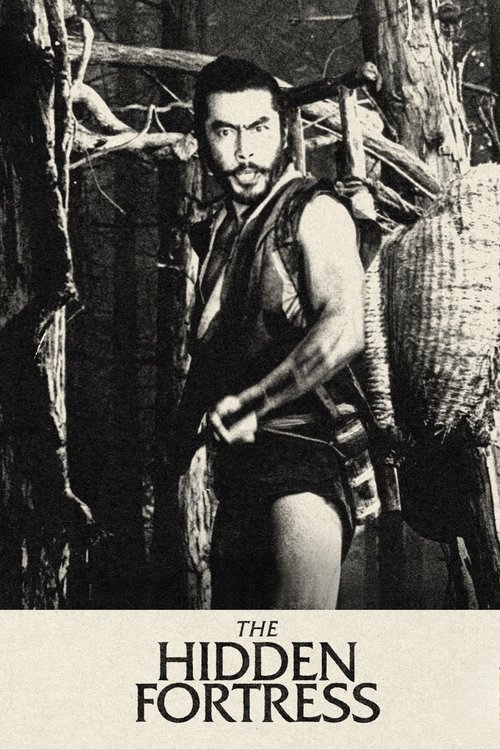
The Hidden Fortress
1958 · 2h 19m
country: Japan
In feudal Japan, during a bloody war between clans, two cowardly and greedy peasants, soldiers of a defeated army, stumble upon a mysterious man who guides them to a fortress hidden in the mountains.

TMDB3.5
The Lower Depths
1957 · 2h 5m
country: Japan
Residents of a rundown boardinghouse in 19th-century Japan, including a mysterious old man and an aging actor, get drawn into a love triangle that turns violent. When amoral thief Sutekichi breaks off his affair with landlady Osugi to romance her younger sister, Okayo, Osugi extracts her revenge by revealing her infidelity to her jealous husband.
TMDB4.0
FF5.0
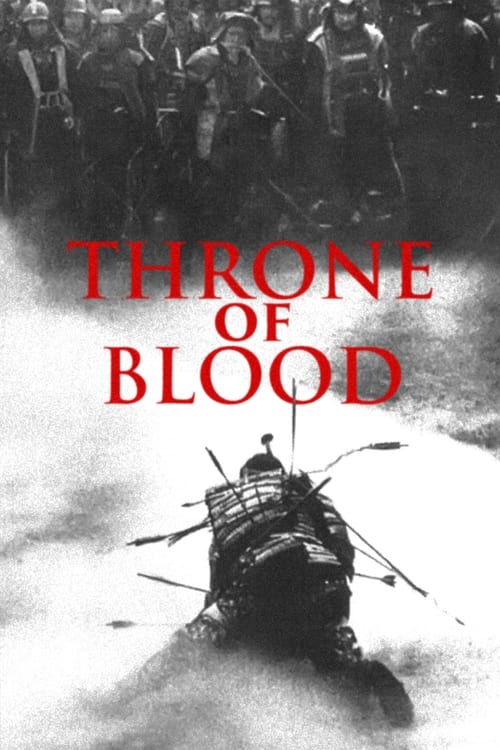
Throne of Blood
1957 · 1h 48m
country: Japan
Returning to their lord's castle, samurai warriors Washizu and Miki are waylaid by a spirit who predicts their futures. When the first part of the spirit's prophecy comes true, Washizu's scheming wife, Asaji, presses him to speed up the rest of the spirit's prophecy by murdering his lord and usurping his place. Director Akira Kurosawa's resetting of William Shakespeare's "Macbeth" in feudal Japan is one of his most acclaimed films.
TMDB3.7
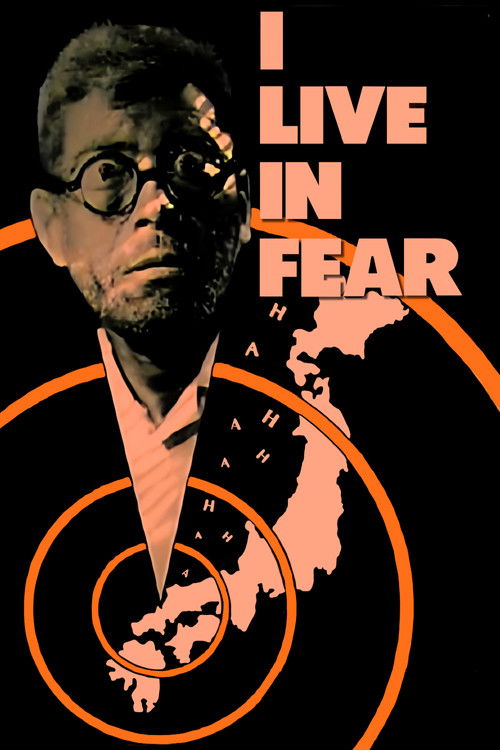
I Live in Fear
1955 · 1h 43m
country: Japan
An aging foundry patriarch, gripped by terror of nuclear annihilation, tries to uproot his family to Brazil. When they petition to have him declared incompetent, a family-court counselor witnesses his obsession slide into ruin—and asks whether ignoring the atomic threat is any saner.

TMDB4.2
FF5.0
Seven Samurai
1954 · 3h 27m
country: Japan
A samurai answers a village's request for protection after he falls on hard times. The town needs protection from bandits, so the samurai gathers six others to help him teach the people how to defend themselves, and the villagers provide the soldiers with food.
TMDB4.2
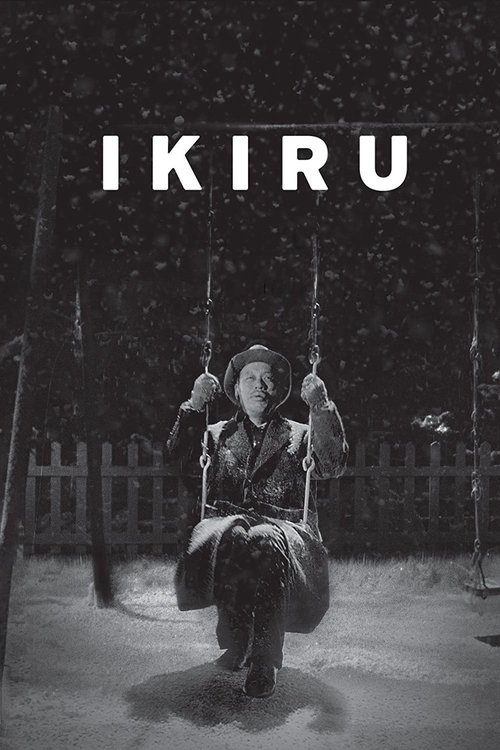
Ikiru
1952 · 2h 23m
country: Japan
Kanji Watanabe is a middle-aged man who has worked in the same monotonous bureaucratic position for decades. Learning he has cancer, he starts to look for the meaning of his life.
TMDB3.4
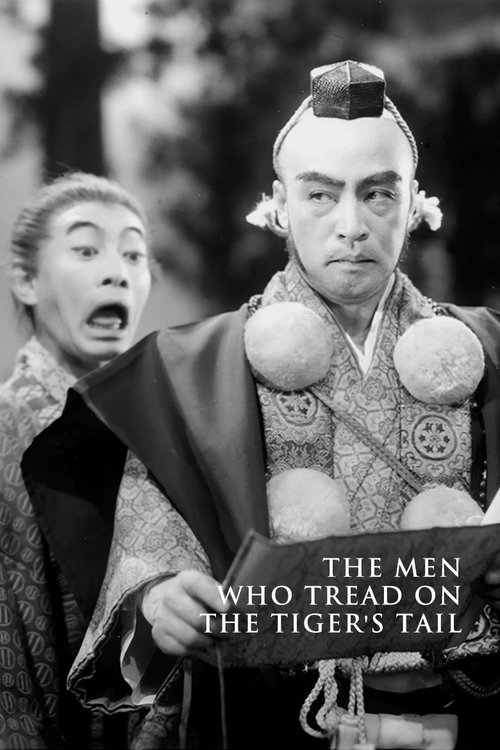
The Men Who Tread on the Tiger's Tail
1952 · 59m
country: Japan
A fugitive lord and his six retainers disguise themselves as monks to bluff their way through a hostile checkpoint.
TMDB3.5
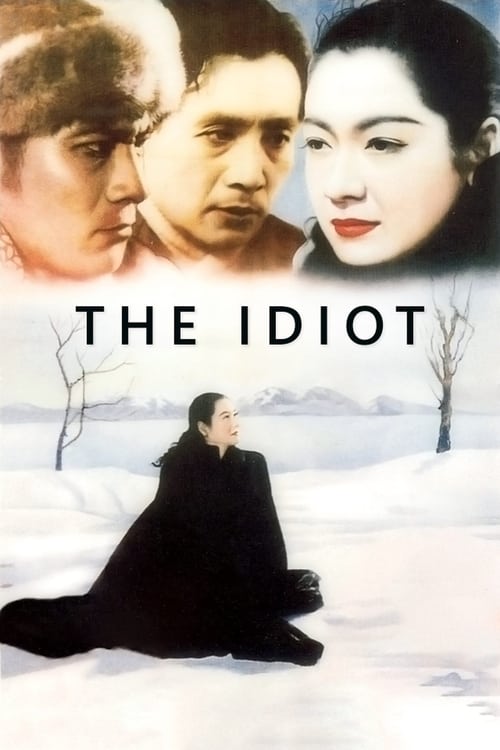
The Idiot
1951 · 2h 46m
country: Japan
A gentle, war-shattered ex-soldier, Kinji Kameda, arrives in wintry Hokkaidō and is pulled into a volatile tangle of love and pity between the disgraced Taeko Nasu, the proud Ayako, and his possessive friend Akama. Kameda’s saintly compassion exposes everyone’s wounds, steering the quartet toward jealousy, violence, and inexorable tragedy. Adapted from Dostoevsky’s novel.

TMDB4.0
FF5.0
Rashomon
1950 · 1h 28m
country: Japan
Four people recount different versions of the story of a man's murder and the rape of his wife.
TMDB3.5
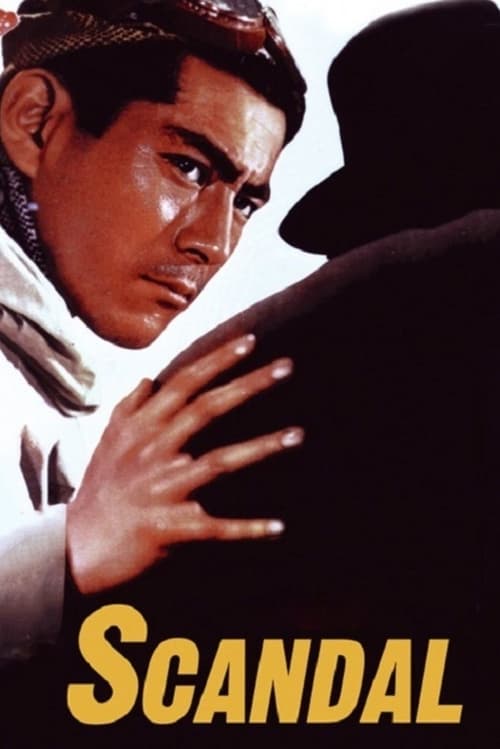
Scandal
1950 · 1h 44m
country: Japan
A celebrity photograph sparks a court case as a tabloid magazine spins a scandalous yarn over a painter and a famous singer.
TMDB3.8
FF5.0
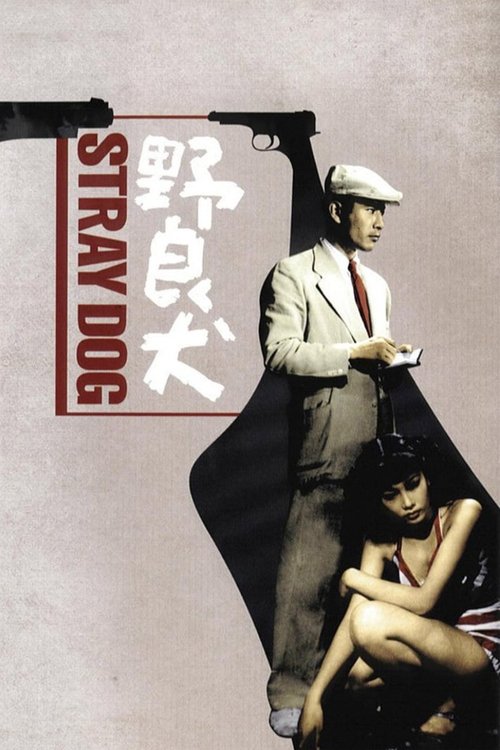
Stray Dog
1949 · 2h 2m
country: Japan
A bad day gets worse for young detective Murakami when a pickpocket steals his gun on a hot, crowded bus. Desperate to right the wrong, he goes undercover, scavenging Tokyo’s sweltering streets for the stray dog whose desperation has led him to a life of crime. With each step, cop and criminal’s lives become more intertwined and the investigation becomes an examination of Murakami’s own dark side.

TMDB3.6
The Quiet Duel
1949 · 1h 35m
country: Japan
A young army surgeon, Kyoji Fujisaki, accidentally contracts syphilis during a WWII field operation. Back at his father’s clinic, he treats himself in secret and breaks off his engagement rather than risk his fiancée’s future, even as he confronts the irresponsible patient who infected him—testing his ethics, pride, and capacity for sacrifice.

TMDB3.8
Drunken Angel
1948 · 1h 38m
country: Japan
In postwar Tokyo, a blunt, alcohol-soaked doctor diagnoses a swaggering young yakuza with tuberculosis, forging an uneasy bond that’s tested when the gangster’s ruthless former boss returns and drags him back toward the swampy underworld he can’t escape.
TMDB3.6
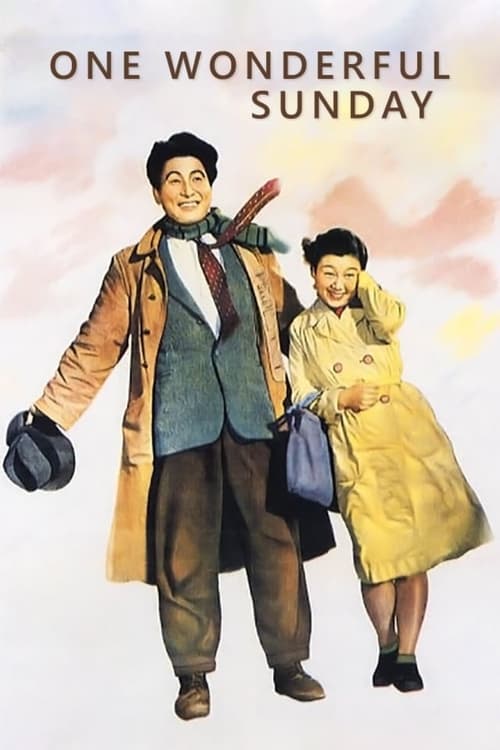
One Wonderful Sunday
1947 · 1h 48m
country: Japan
Two broke sweethearts wander war-scarred Tokyo on a single Sunday, stretching 35 yen as they chase housing, small pleasures, and a little hope.

TMDB3.4
No Regrets for Our Youth
1946 · 1h 51m
country: Japan
After her anti-fascist professor father is dismissed, Yukie navigates love, political repression, and wartime upheaval—ultimately forging her own path in pre- and post-WWII Japan.
TMDB5.0
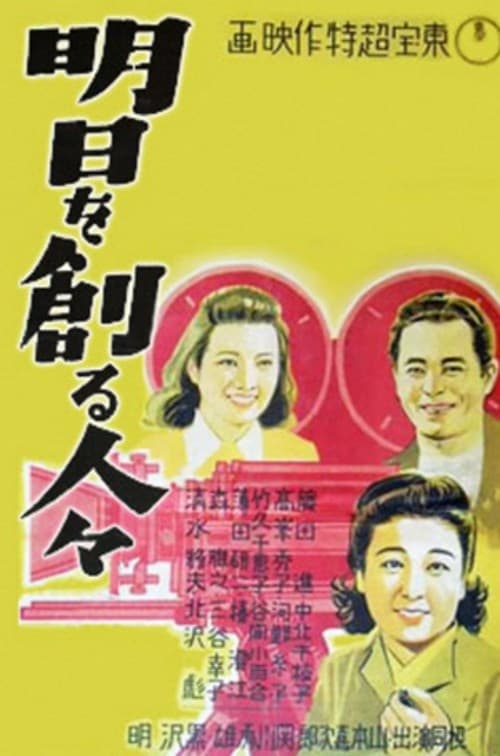
Those Who Make Tomorrow
1946 · 1h 22m
country: Japan
In postwar Japan, two sisters—a film studio script girl and a revue dancer—become swept up in the growing labor movement when workers around them strike for better conditions. As their conservative father opposes their activism, his own dismissal forces him to confront the realities of class struggle and join their fight for a fairer future. Now considered a lost film, Those Who Make Tomorrow was produced by Toho to promote unionization during Japan’s Allied Occupation.
TMDB3.0
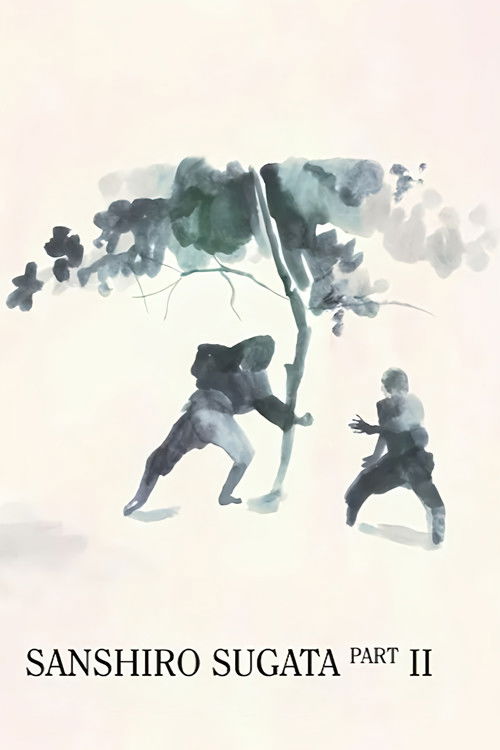
Sanshiro Sugata, Part Two
1945 · 1h 23m
country: Japan
A few years after his breakthrough, Sanshiro resumes his path to judo mastery—testing his discipline against an American prizefighter and later facing vengeful karate brothers. As rival schools and public spectacle push him toward violence, he must reconcile strength with restraint and the true spirit of his art.
TMDB2.8
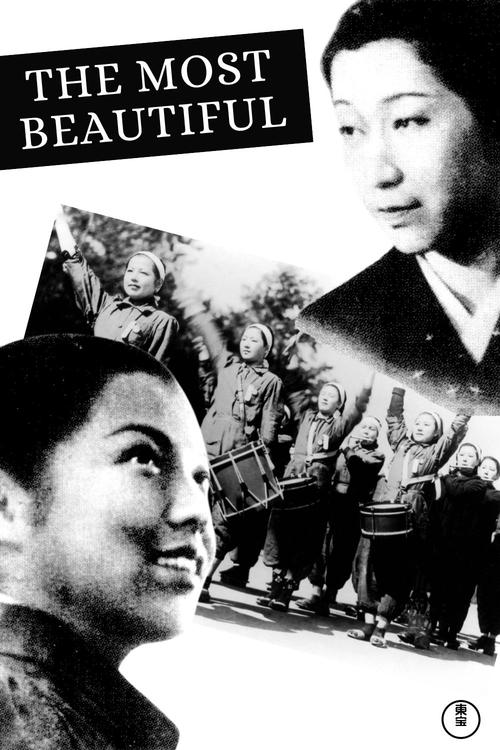
The Most Beautiful
1944 · 1h 25m
country: Japan
Young women at a precision optics factory in wartime Japan push to exceed production quotas, enduring illness, injury, and personal hardship to “serve the country.” Led by Tsuru Watanabe, they fight fatigue and setbacks to keep their line moving—even when duty collides with grief.
TMDB3.3
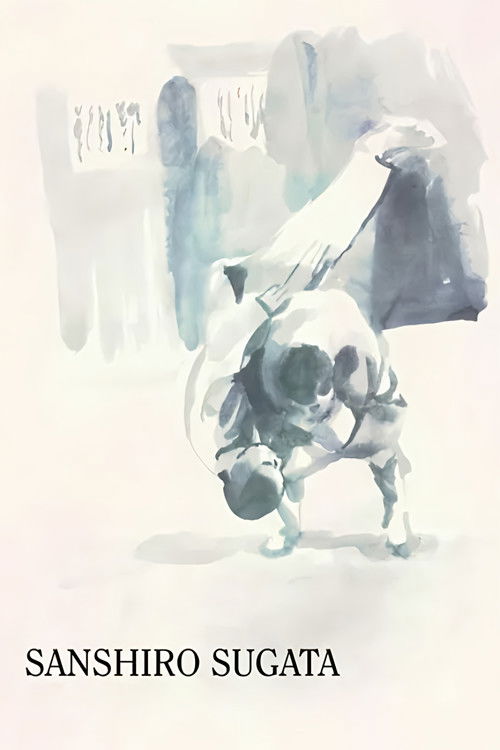
Sanshiro Sugata
1943 · 1h 37m
country: Japan
A hotheaded youth in 1880s Meiji Japan apprentices to judo master Shōgorō Yano, trading brute jujutsu bravado for discipline and humility. As Sanshirō matures, he proves judo’s spirit against old-guard challengers—including a deadly duel—while falling for his vanquished opponent’s daughter. Based on the novel by Tsuneo Tomita, son of Tomita Tsunejirō, the earliest disciple of judo.