Movie NovelRelease Date ↓All GenresAll ErasAny RatingAny Runtime
TMDB4.0
FF5.0
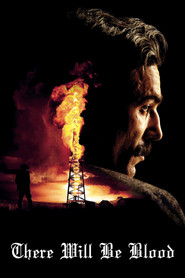
There Will Be Blood
2007 · 2h 38m · US
Ruthless silver miner, turned oil prospector, Daniel Plainview, moves to oil-rich California. Using his son to project a trustworthy, family-man image, Plainview cons local landowners into selling him their valuable properties for a pittance. However, local preacher Eli Sunday suspects Plainview's motives and intentions, starting a slow-burning feud that threatens both their lives.
TMDB3.1
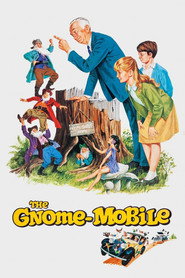
The Gnome-Mobile
1967 · 1h 25m · US
An eccentric millionaire and his grandchildren are embroiled in the plights of some forest gnomes who are searching for the rest of their tribe. While helping them, the millionaire is suspected of being crazy because he's seeing gnomes! He's committed, and the niece and nephew and the gnomes have to find him and free him.
TMDB3.1
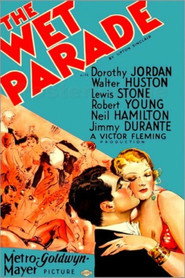
The Wet Parade
1932 · 1h 57m · US
The evils of alcohol before and during prohibition become evident as we see its effects on the rich Chilcote family and the hard working Tarleton family.
TMDB5.0
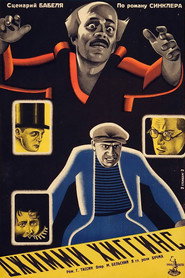
Jimmy Higgings
1928 · SU
Jimmy Higgings is a worker of the plant making weapons for the Tsarist Russia and the German Empire. During World War I, Jimmy speaks at a spontaneous rally against the war. He is arrested. When released, he becomes unemployed. He is happy to hear the news about the revolution; he volunteers into the American expeditionary force thinking that having the weapons he can fight against Germans – the enemies of the Russian revolution. However, finding himself in Russia, Jimmy soon realises that the expeditionary force of American volunteers fights not against the Germans, but against the young Socialist Russia. Without any hesitations, he takes the path of revolutionary struggle, he spreads propaganda among the American soldiers and distributes Bolshevik leaflets. Captured by the American military police, Jimmy Higgings does not betray his friends. He is sentenced to twenty years in a military prison. Jimmy cannot stand it and loses his mind. Lost movie.
TMDB5.0
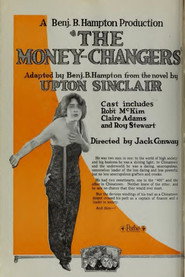
The Money Changers
1920 · 1h · US
Lucy Hegan, the proprietor of a settlement house for the poor, is engaged to Hugh Gordon, the head of a large pharmaceutical and chemical firm who, unknown to Lucy, is also the ringleader of a powerful drug and white slave operation in the Chinese quarter.
TMDB3.4
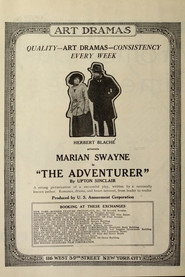
The Adventurer
1917 · 50m · US
A young girl is trying to live an honest life in a crooked city. Caught up with a crook that might be the son of a millionaire and other crooked people, she must attempt to reform things, or at least one person.
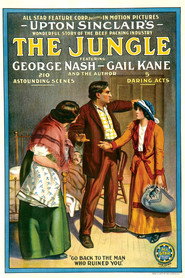
The Jungle
1914 · 55m · US
Lithuanian immigrant, Jurgis Rudkus, gains a job in the Chicago stockyards. Once working at the stockyards he meets and marries Ona. But due to cut backs at the stockyards, loses his job, and they fall into financial hardship. Ona, in order to get money to feed their child, engages in sexual activity with her husband's foreman, Connor. Connor, rapes her. When Rudkus finds out about the affair, he throws Connor into a cattle pen where he is killed. While in prison Ona dies. When Rudkus gets out of prison he becomes an advocate for women via the Socialist Party. Considered a lost film.