Movie DirectorRelease Date ↓All GenresAll ErasAny RatingAny Runtime
TMDB3.3
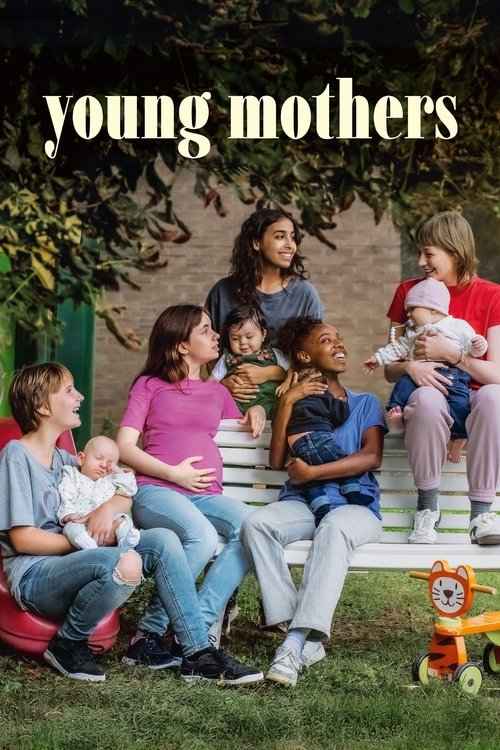
Young Mothers
2025 · 1h 46m
country: Belgium
Housed in a shelter for young mothers, Jessica, Perla, Julia, Ariane, and Naïma, all of whom have grown up in difficult circumstances, struggle to obtain a better life for themselves and their children.

TMDB3.4
Tori and Lokita
2022 · 1h 28m
country: Belgium
In Belgium today, a young boy and an adolescent girl who have travelled alone from Africa pit their invincible friendship against the difficult conditions of their exile.
TMDB3.1
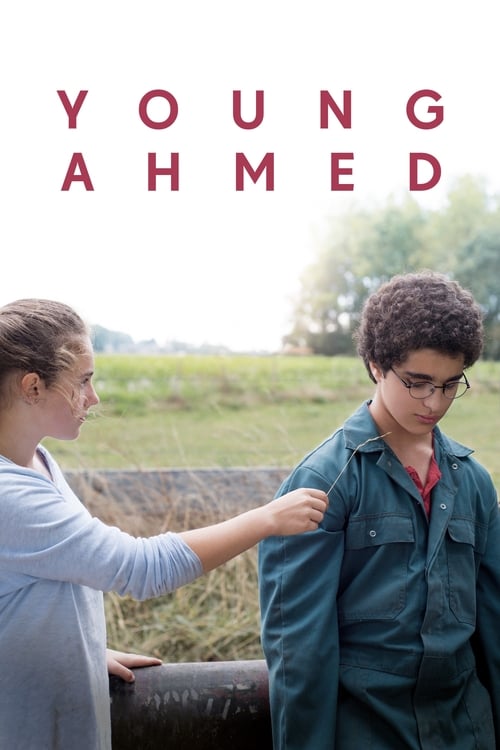
Young Ahmed
2019 · 1h 25m
country: Belgium
A young Belgian is incited by his imam to view a teacher as an apostate and assassinate her; after he fails, he is sent to juvenile reform.

TMDB3.1
The Unknown Girl
2016 · 1h 46m
country: Belgium
Jenny, a young doctor who feels guilty after a young woman she refused to see winds up dead a few days later, decides to find out who the girl was, after the police can't identify the young woman.
TMDB3.5
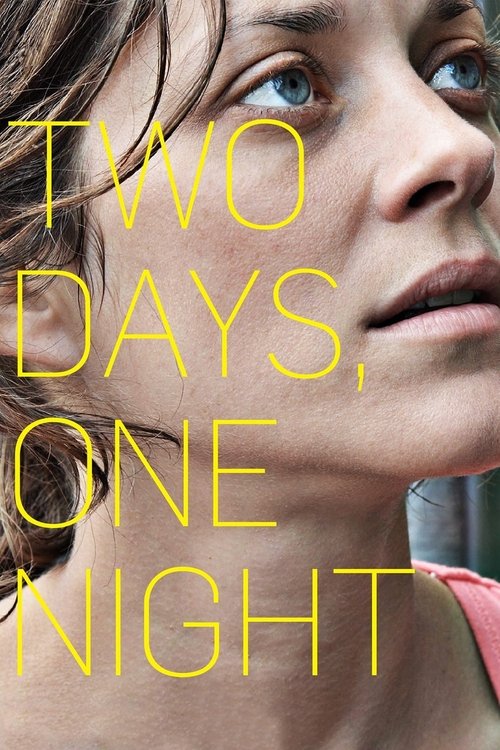
Two Days, One Night
2014 · 1h 35m
country: Belgium
Sandra is a young woman who has only one weekend to convince her colleagues they must give up their bonuses in order for her to keep her job — not an easy task in this economy.
TMDB3.5
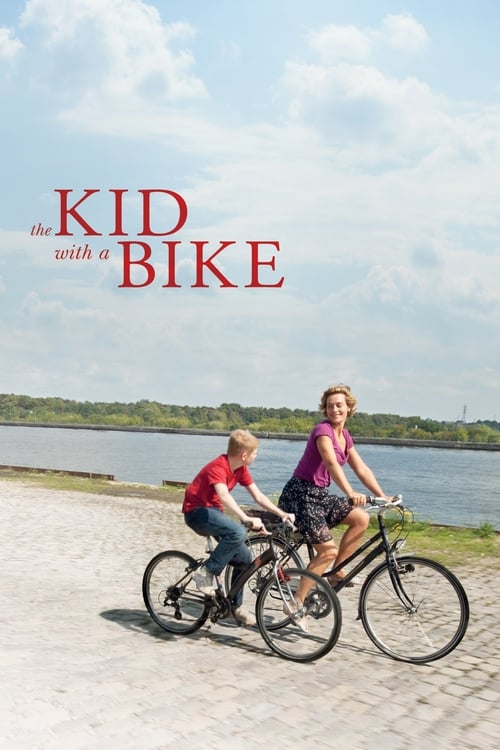
The Kid with a Bike
2011 · 1h 27m
country: Belgium
Abandoned by his father, a young boy is left in the hands of an unqualified childcare provider.

TMDB3.4
Lorna's Silence
2008 · 1h 45m
country: Belgium
Lorna is a young Albanian woman in a marriage of convenience with Claudy, a heroin addict. Just as Lorna is about to be granted Belgian citizenship, Claudy finds the strength to detox; this presents a problem not only for Lorna, but for the criminal who brokered the deal.
TMDB3.2
To Each His Own Cinema
2007 · 1h 40m
country: France
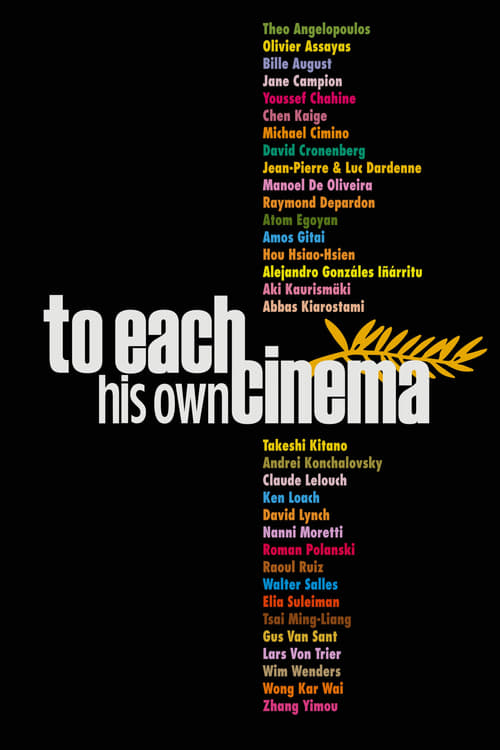
Commissioned to mark the 60th anniversary of the Cannes Film Festival, "To Each His Own Cinema" brought together 33 of the world's pre-eminent filmmakers to produce short pieces exploring the multifarious facets of cinema and their perspective on the state of their chosen artform in the early 21st century.
TMDB3.5
The Child
2005 · 1h 36m
country: Belgium
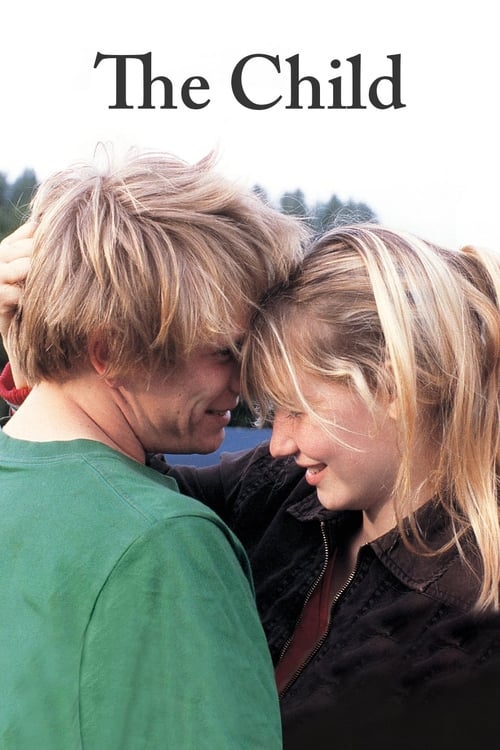
A poor young Belgian mother wants her petty thief of a boyfriend to be gainfully employed to raise their newborn child, but he has other ideas.
TMDB3.7
The Son
2002 · 1h 43m
country: Belgium
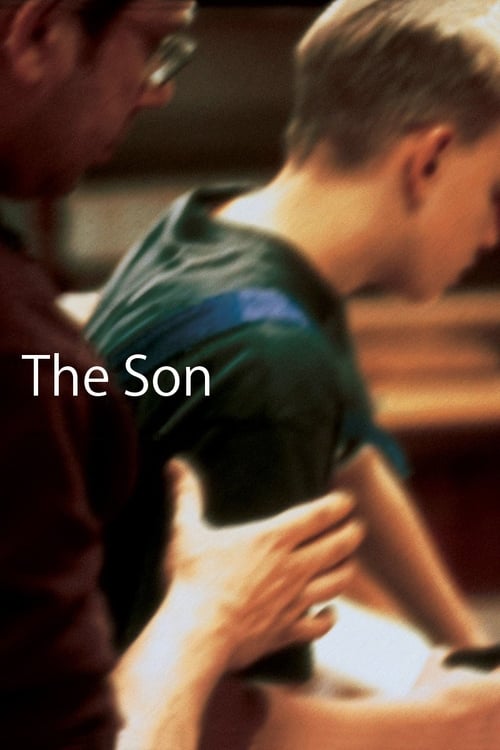
A joinery instructor at a rehab center refuses to take a new teen as his apprentice, but then begins to follow the boy through the hallways and streets.
TMDB3.6
Rosetta
1999 · 1h 35m
country: Belgium
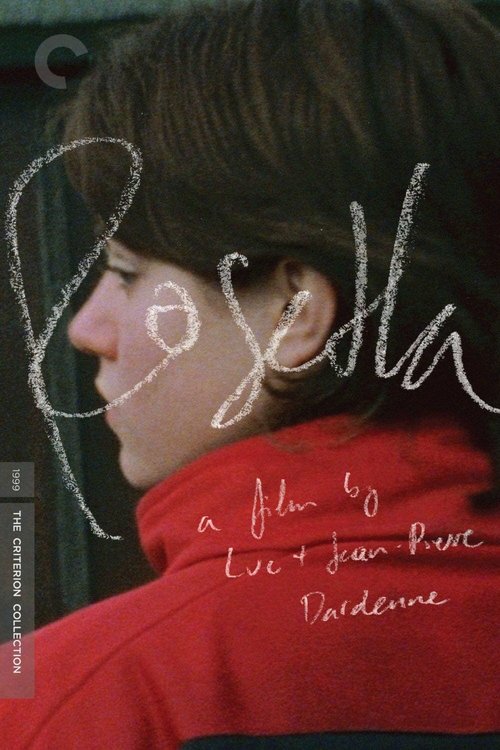
Young, impulsive Rosetta lives a hard and stressful life as she struggles to support herself and her alcoholic mother. Refusing all charity, she is desperate to maintain a dignified job.
TMDB3.6
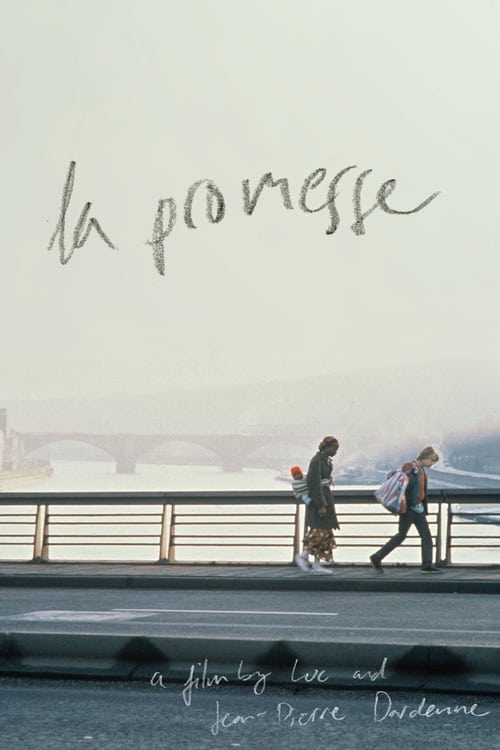
La Promesse
1996 · 1h 34m
country: Belgium
Igor, aged 15, and his father Roger deal in housing and peddling illicit labor in the outlying districts of Liege, Belgium. Scams, lies and swindling rule their lives. When one of his father’s illegal workers gets injured on the job and asks Igor to promise to take care of his wife and baby, Igor finds himself at a crossroad. He wants to keep the promise, but the price would be to betray his father.
TMDB2.7
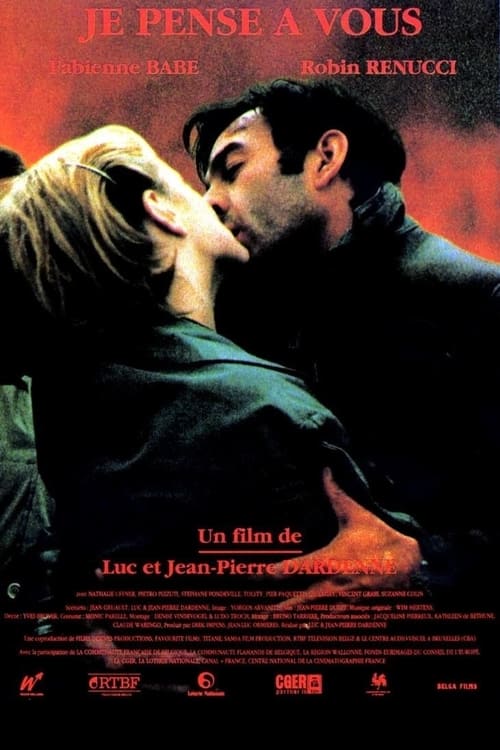
Thinking of You
1993 · 1h 25m
country: Belgium
Belgium, 1980. On the banks of the Meuse river, against the background of a steel-producing city, factories close down one after another and lay off workers. One of those made redundant is Fabrice, who, at thirty-five, is proud of his trade, and now feels he has become useless. His wife, Céline, tries to renew his interest in life, but Fabrice remains trapped in his depression, and then one day he disappears...
TMDB2.8
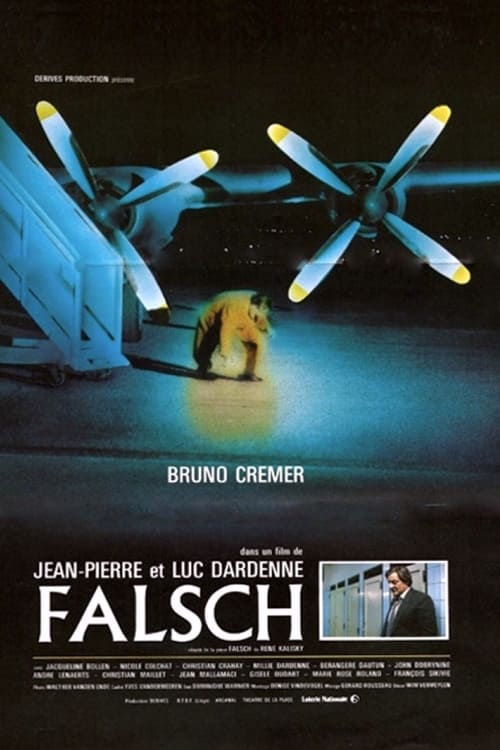
Falsch
1987 · 1h 22m
country: France
Just before twilight, a small plane lands on the runway of a country airport. One passenger disembarks: Joe, the last survivor of a Jewish family, the Falsches. He has an appointment with them all tonight, forty years after leaving Berlin for New York in 1938. The Falsches are all waiting for him in the arrival lounge: those who perished in the concentration camps; those who left with Joe in 1938; and those who returned to Berlin after the war. Lilli, a young German woman, is there too; she is the daughter of a Nazi official, who was the love of Joe's youth, and who died during the bombing of Berlin. For Joe, it is a night of encounters, of celebrations beyond life and death.
TMDB2.9
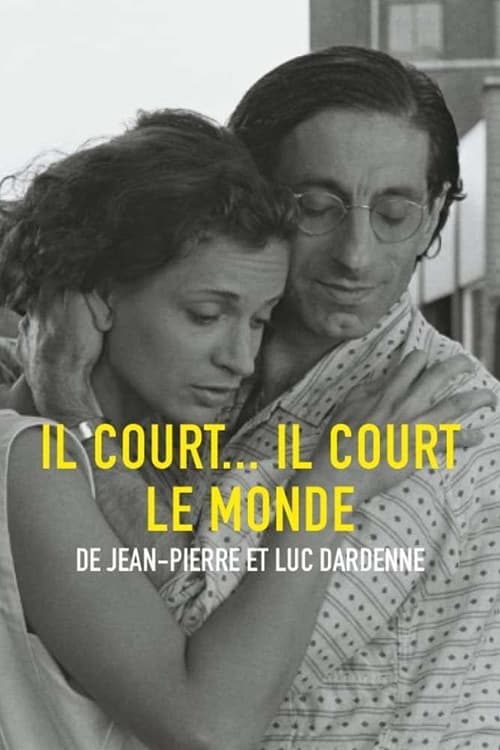
Il court, il court, le monde
1987 · 10m
country: Belgium
John, a television director, is preparing a show on speed. A phone call from his girlfriend Sophie makes him leave the studio in a hurry. Ηe drives fast and quarrels with another driver. John is upset; he insults the other man and drives off. In the meantime, the producer of the show changes John’s editing. John’s assistant calls him at home but John tells him that they should talk later. John hears the sound of another car and looks out the window. We hear the sound of an accident. John shouts and runs out onto the road. Sophie has hit a pedestrian. She was on her way to tell John that they are expecting a child.
TMDB3.1
Regard Jonathan/Jean Louvet, son oeuvre
1983 · 57m
country: Unknown
The Dardenne brothers profile left-wing playwright Jean Louvet in this documentary focused on memory and revolutionary activism.
TMDB3.5
Lessons from a University on the Fly
1982 · 55m
country: Unknown
After the implementation of the state of siege in Poland and the banning of the independent trade union Solidarnosc in 1981, the Dardenne brothers visited five Polish immigrants from different generations. Five Poles who left the country, fleeing the Nazis, pogroms or communism.
TMDB3.2
R... Doesn't Answer Anymore
1981 · 52m
country: Unknown
For three months, the Dardenne brothers investigated independent local radio stations in Belgium, France, Italy and Switzerland. The result is a fascinating picture of the arrival of independent radio in Europe as a subversive alternative to the official media (public broadcasters and commercial mass media). To do this, the filmmakers spoke with pioneers. They also took an interest in the installations, such as hidden transmitters. One of them is a radio which broadcasts in the Alsatian dialect in order to protect a minority language. R… ne répond plus is a virtuoso work in which the Dardennes experiment with sound, only logical since the subject concerns radio stations. The film ends in an almost deafening cacophony of voices, static and other sounds that fill the airwaves.
TMDB3.5
For the War to End, the Walls Should Have Crumbled
1980 · 52m
country: Unknown
Jean-Pierre and Luc Dardenne profile a former electrical worker and his involvement in the production and distribution of an underground workers’ rights newspaper within his factory that led to his termination in the brothers’ early experimental TV documentary.
TMDB4.5
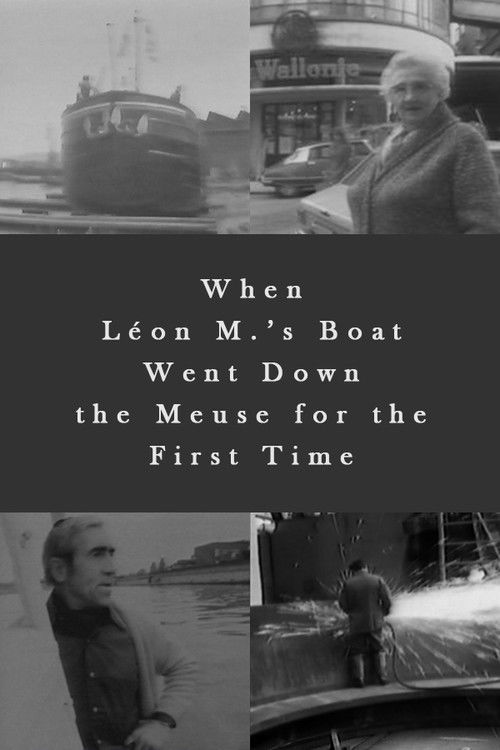
When Léon M.’s Boat Went Down the Meuse for the First Time
1979 · 38m
country: Belgium
Documentary about a man remembering his struggles while floating on a boat down a river.
Le Chant du rossignol
TMDB4.5
Le Chant du rossignol
1978 · 52m
country: Unknown
A video film in which seven people who resisted Nazism talk, relate and recall their struggle in the Liège region.