Movie DirectorRelease Date ↓All GenresAll ErasAny RatingAny Runtime
TMDB3.0
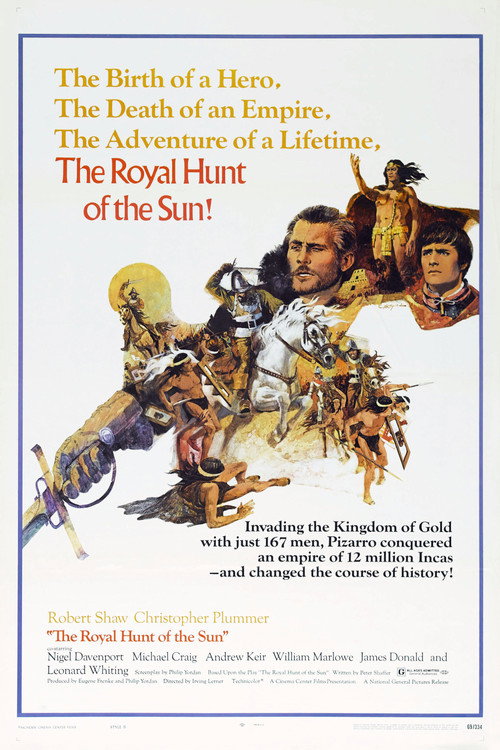
The Royal Hunt of the Sun
1969 · 2h 1m
country: United Kingdom
The Spanish explorer Pizarro captures the Inca god-chief Atahualpa and promises to free him upon the delivery of a hoard of gold. But Pizarro finds himself torn between his desire for conquest and his sense of honor after friendship and respect develops between captive and captor.
TMDB2.4
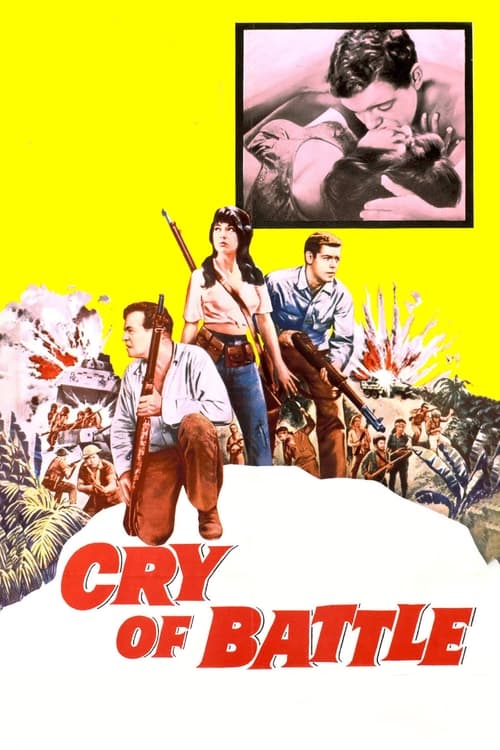
Cry of Battle
1963 · 1h 39m
country: United States
During World War II, the spoiled son of a wealthy businessman finds himself involved in the guerrilla movement fighting against the Japanese, and finds romance and adventure.
TMDB2.3
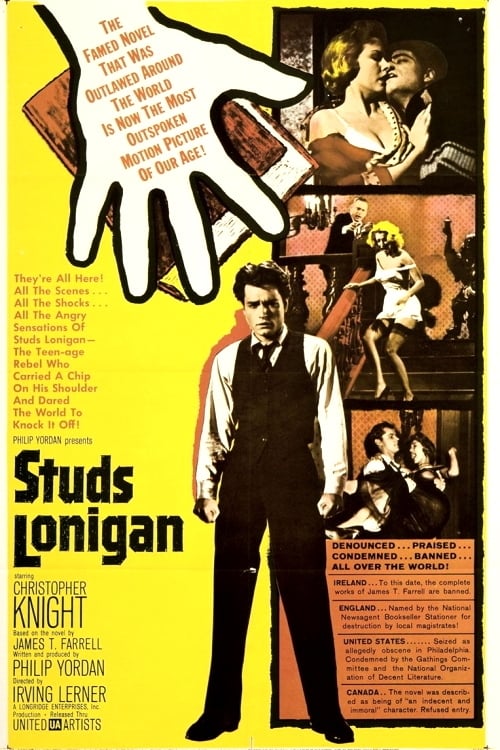
Studs Lonigan
1960 · 1h 35m
country: United States
A young man tries to escape the South Side of 1920s Chicago.
TMDB3.1
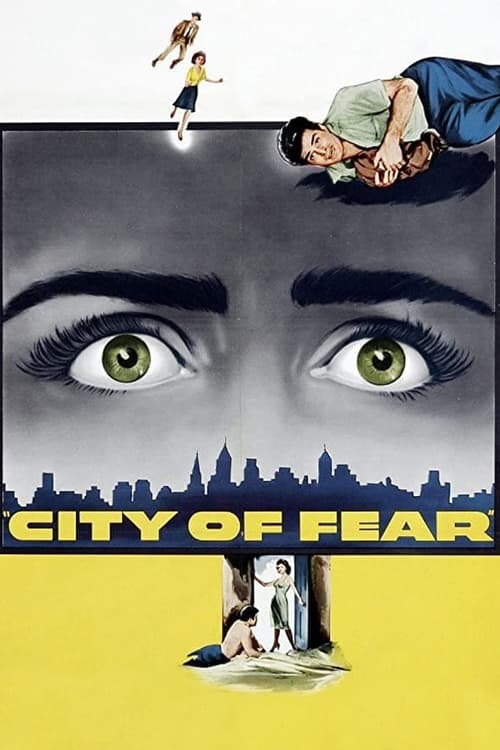
City of Fear
1959 · 1h 21m
country: United States
An escaped convict gets a hold of some radioactive material after his escape. Authorities desperately try to find the man that unknowingly is threating the lives of everyone in the city.
TMDB3.4
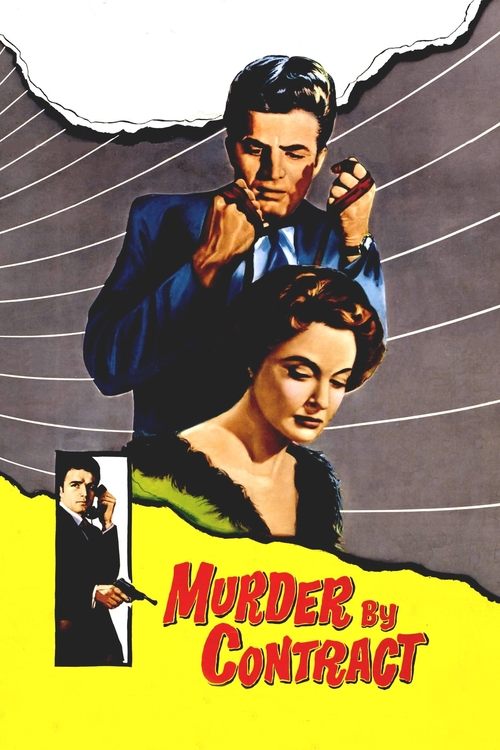
Murder by Contract
1958 · 1h 21m
country: United States
Claude is a ruthless and efficient contract killer. His next target, a woman, is the most difficult.
TMDB2.9
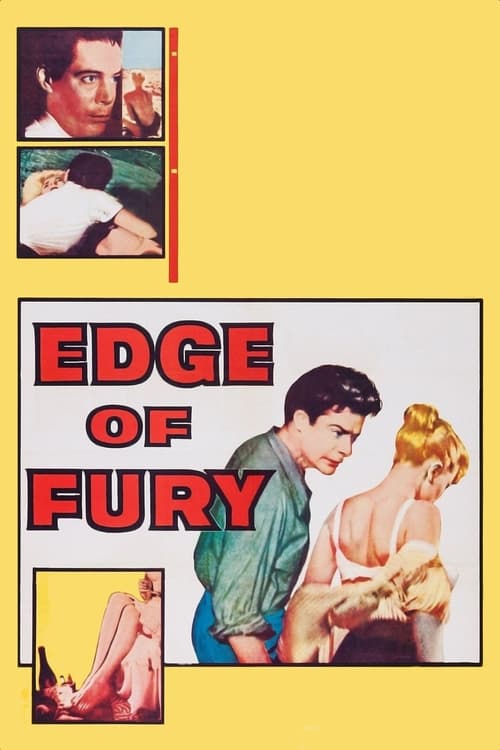
Edge of Fury
1958 · 1h 17m
country: United States
A psychopathic young beachcomber pretends to befriend a mother and two daughters living at their summer home.
TMDB3.5
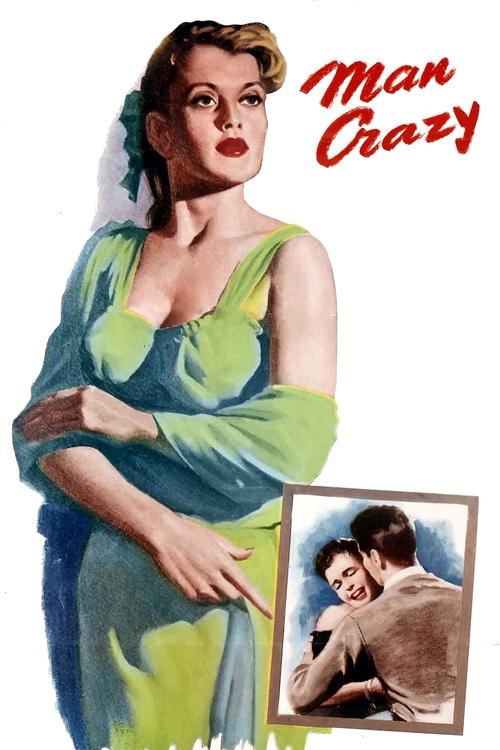
Man Crazy
1953 · 1h 19m
country: United States
Three women come to Hollywood to break into the movies.
Suicide Attack
TMDB4.0
Suicide Attack
1951 · 1h 4m
country: United States
This film was cobbled together from Japanese newsreels and propaganda films, to boost home-front morale, filmed during World War Two.
TMDB2.9
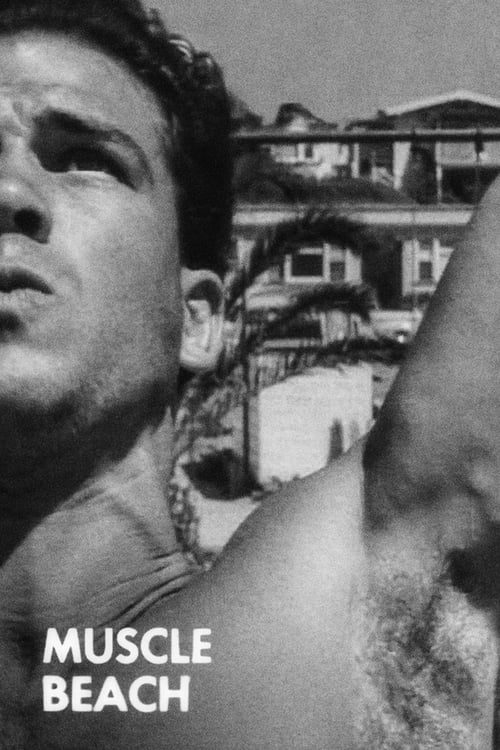
Muscle Beach
1948 · 9m
country: United States
Muscle Beach was shown in competition at Cannes in 1949 and won a prize at the Edinburgh International Film Festival in 1951. The short became a cult favorite, screening at film clubs around the world. Strick used an army surplus movie camera to shoot the film during weekends in the fall of 1948. The songs in “Muscle Beach,” composed and sung by political folk singer Earl Robinson, with lyrics by screenwriter and poet Edwin Rolfe, accent the film’s three-movement structure as it transitions between soaring gymnastics shows, flirty beachgoers and children playing near the now-demolished pier at Ocean Park. Preserved by the Academy Film Archive in 2009.
TMDB2.3
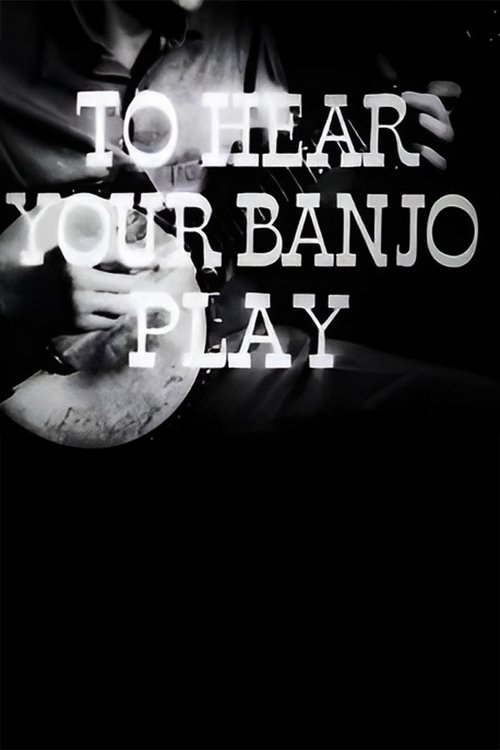
To Hear Your Banjo Play
1947 · 16m
country: United States
A short film about Pete Seeger and the birth of banjo music throughout the Southern United States.
TMDB2.9
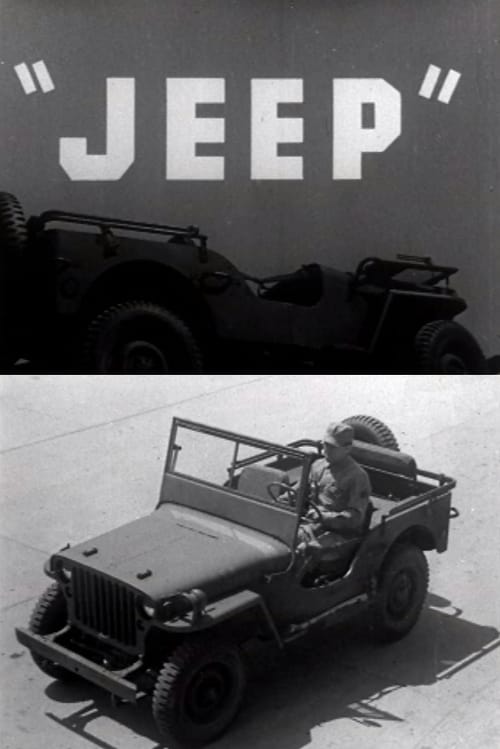
The Autobiography of a 'Jeep'
1943 · 10m
country: United States
The invention and use of a jeep are described, from the viewpoint of one of the vehicles.

TMDB3.1
Swedes in America
1943 · 17m
country: United States
1943 documentary with Ingrid Bergman.
TMDB3.0
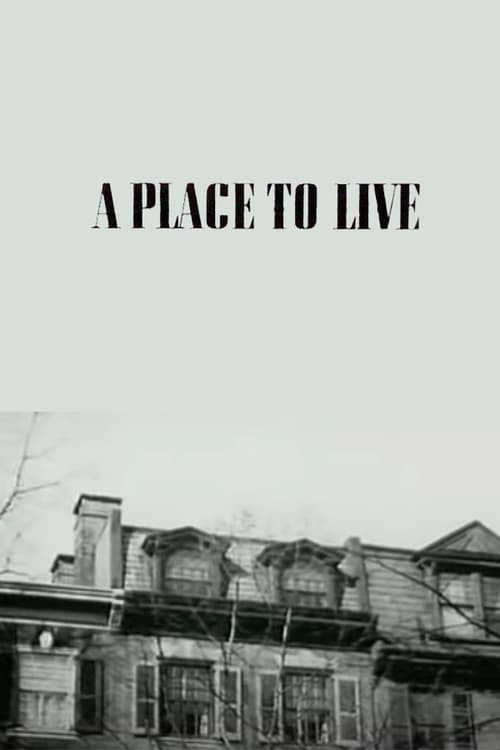
A Place to Live
1941 · 17m
country: United States
Inner city squalor in Philadelphia, Pennsylvania is the subject of this documentary, which focuses on a child returning from school to his home, a cramped and squalid apartment in a rat-infested slum neighborhood.
TMDB2.8
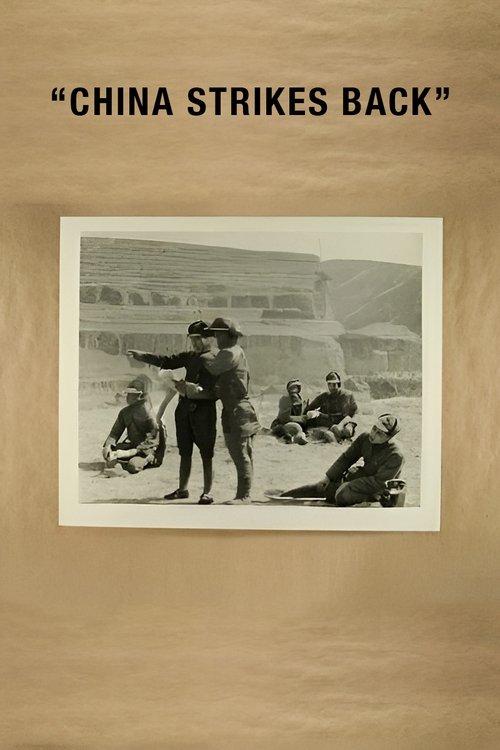
China Strikes Back
1937 · 37m
country: United States
Raw footage received from photographer Harry Dunham revealed never before seen images of Mao Tse-Tung and the Eighth Route Army, inspiring Frontier to collectively shape a new film from desperate images, and to refine its dialectic editing.