Movie WriterRelease Date ↓All GenresAll ErasAny RatingAny Runtime
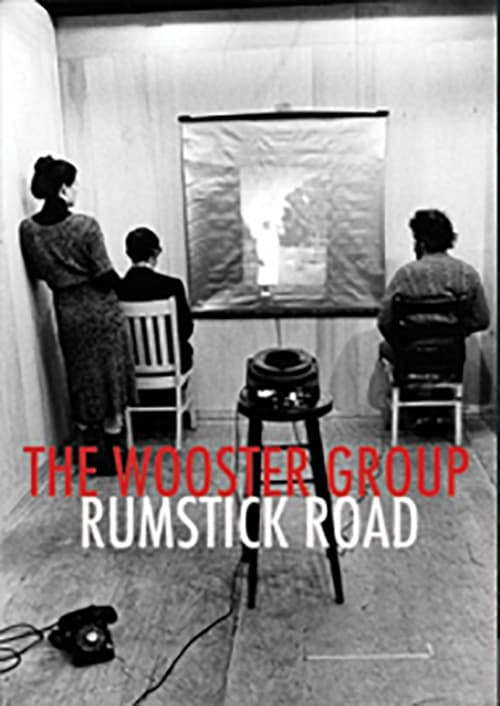
Rumstick Road
2014 · 1h 12m
country: United States
A video reconstruction of the 1977 Wooster Group production Rumstick Road, an experimental theater performance created by Spalding Gray and Elizabeth LeCompte after the suicide of Gray's mother. Archival recordings are combined with photographs, slides, and other materials to recreate the original production.

TMDB3.2
Gray's Anatomy
1996 · 1h 20m
country: United Kingdom
The film documents, in an often dramatic and humorous fashion, Gray's investigations into alternative medicine for an eye condition (Macular pucker) he had developed.
TMDB3.2
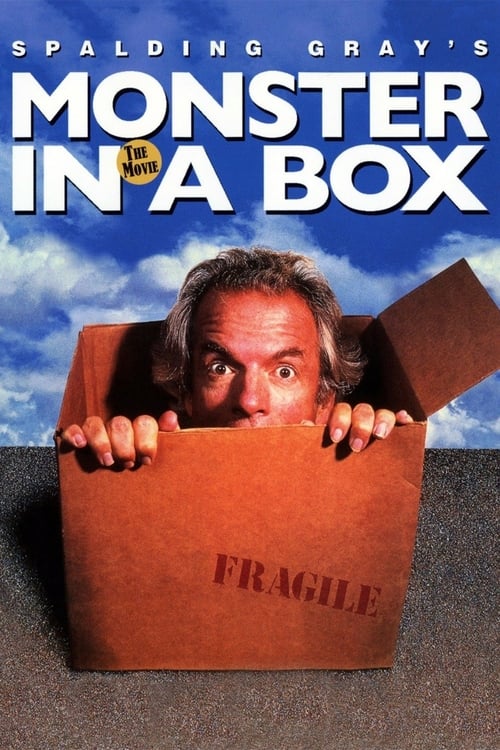
Monster in a Box
1992 · 1h 27m
country: United States
Monologuist Spalding Gray talks about the great difficulties he experienced while attempting to write his first novel, a nearly 2,000-page autobiographical tome concerning the death of his mother. Among his many asides, Gray discusses his problems in dealing with the Hollywood film industry, recounts the trips he took around the world in order to avoid dealing with his writer's block and describes his ambivalence about acting as stage manager for a Broadway production of "Our Town."
TMDB4.8
Spalding Gray: Terrors of Pleasure
1987 · 1h
country: Unknown
Monologue by Spalding Gray about his misadventures in purchasing a home.

TMDB3.5
Swimming to Cambodia
1987 · 1h 25m
country: United States
Spalding Gray sits behind a desk throughout the entire film and recounts his exploits and chance encounters while playing a minor role in the film 'The Killing Fields'. At the same time, he gives a background to the events occurring in Cambodia at the time the film was set.
Spalding Gray: A Life in Progress
1985 · 27m
country: United States
Performance clips and biographical anecdotes from the life of Spalding Gray.
Gray Areas
1984 · 29m
country: United States
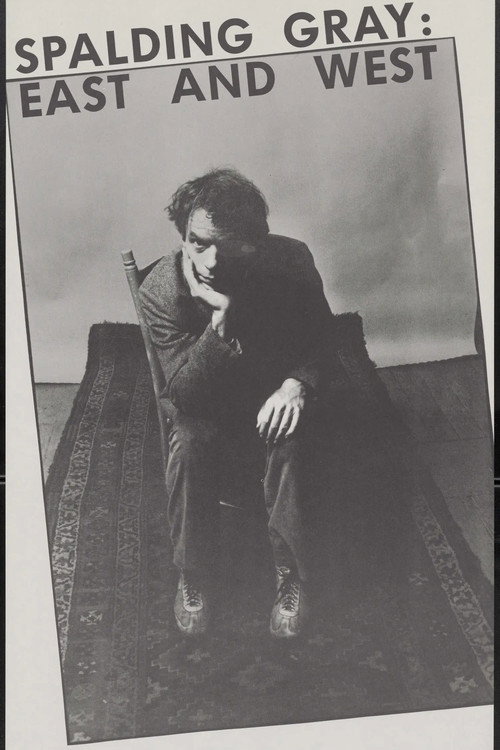
Filmed by Renée Shafransky, Gray Areas was a documentary of the Gray’s 1984 tour of fraternal Grange halls and senior-citizen drop-in centers throughout New England. During this spring tour, Gray performed “Interviewing the Audience” that was also documented by Shafransky.
TMDB2.5
Spalding Gray's Map of L.A.
1984 · 27m
country: United States
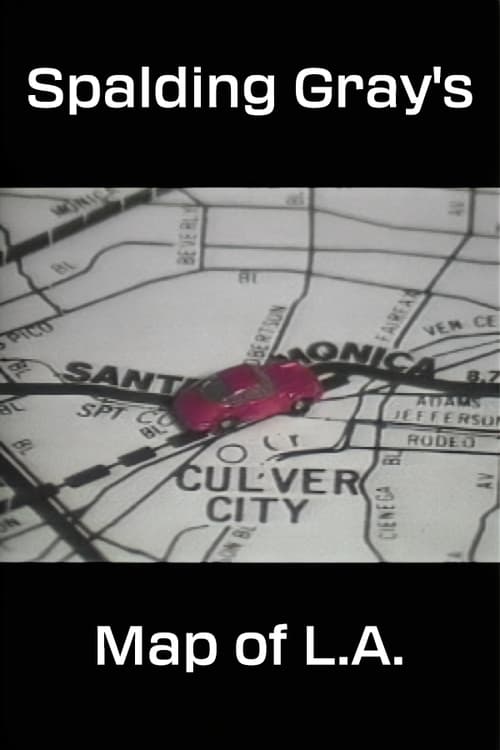
Spalding Gray comes to LA to perform a set of monologues.
Sex and Death to the Age 14
1982 · 1h 4m
country: United States
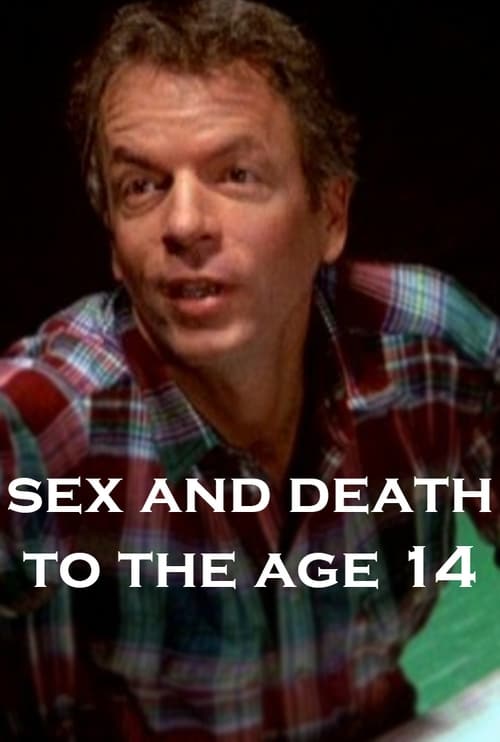
Monologue created and performed by Spalding Gray, who takes us through his childhood recollections of growing up in a Christian Science household in Barrington, Rhode Island, in the 1950s.
A Personal History of the American Theater
1982 · 1h 37m
country: United States
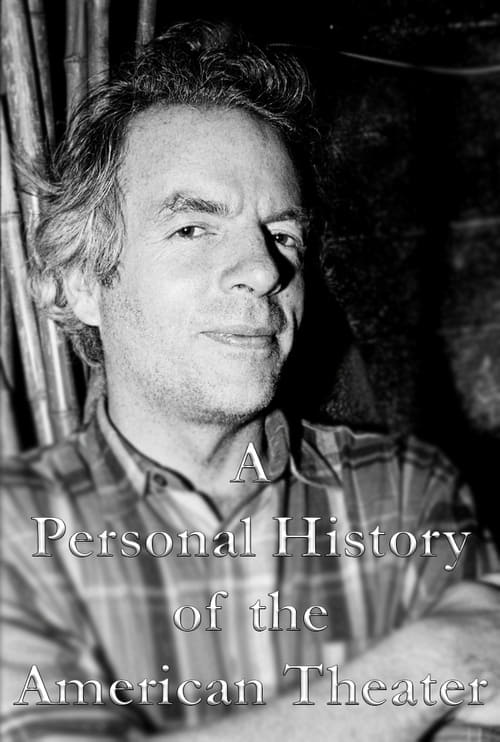
An autobiographical monologue in which Spalding Gray randomly draws cards for titles of the plays in which he performed in the 1960s. He proceeds to tell stories that came out of the experiences with each play.