Movie Original Music ComposerRelease Date ↓All GenresAll ErasAny RatingAny Runtime

TMDB3.3
FF4.0
Kirikou and the Wild Beasts
2005 · 1h 15m
country: France
Kirikou's grandfather thinks that the story of Kirikou and The Witch was too short, so he proceeds to explain more about Kirikou's accomplishments. We find out how the little boy became a gardener, a detective, a maker of pottery, a merchant, a traveler and a doctor.
TMDB3.1
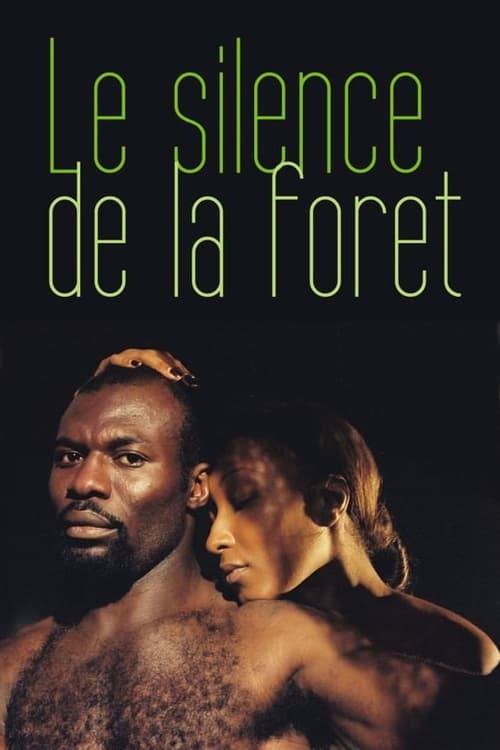
The Silence of the Forest
2003 · 1h 33m
country: Cameroon
A film about the difficulty for even the most well-intentioned person to know and respect another culture. In this case, the problem is so acute that there is even heated debate over what to call that 'other.' The subtitles in the film use the familiar word 'pygmies,' a relatively pejorative European term; the Bantu or villagers' expression for the same group, Babingas, carries similar negative connotations. These highly specialized, tropical rainforest hunter-gatherers should perhaps be called by their own ethnonym, Aka, MoAka (sing.) and BaAka (pl.)
TMDB3.2
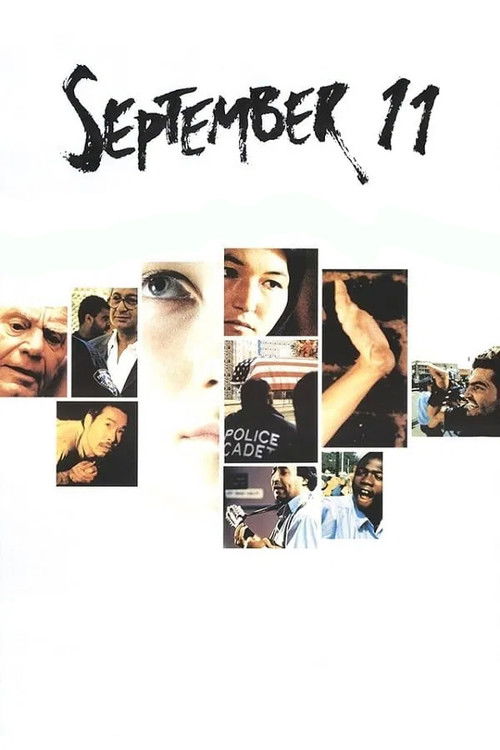
September 11
2002 · 2h 14m
country: France
Eleven directors from eleven countries each contribute an eleven-minute short reflecting on the events of 11 September 2001: A village teacher in Iran tries to explain to her young students what's happened; city kids in Burkina Faso think they've spotted Osama bin Laden; a deaf Frenchwoman in Manhattan writes a Dear John letter to a man who left that morning for work at the World Trade Center; a Chilean remembers Allende; events recall other deaths; a mother endures more than her son's death. Tones vary, as do the locales. Most concern coming to terms with the events of the day, but at least one confronts the viewer with tragedy and death.
TMDB3.3
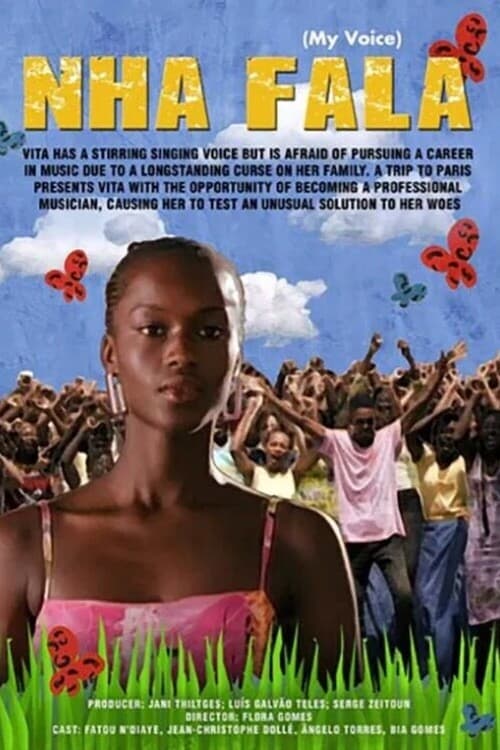
My Voice
2002 · 1h 26m
country: Portugal
Vita, a young and beautiful African woman learns that finding love and happiness need not come at the sacrifice of one's identity.
TMDB3.5
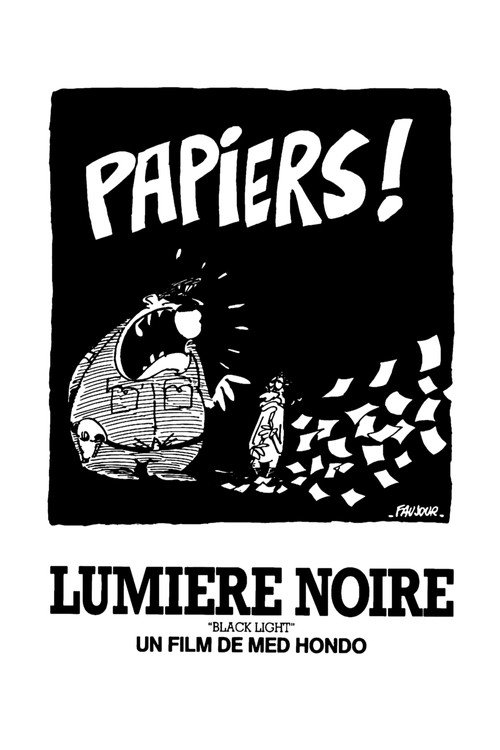
Black Light
1994 · 1h 44m
country: France
When a man's best friend is shot in cold blood by two corrupt policemen, he must track down the only eyewitnesses, who have deported to Mali.
TMDB2.5
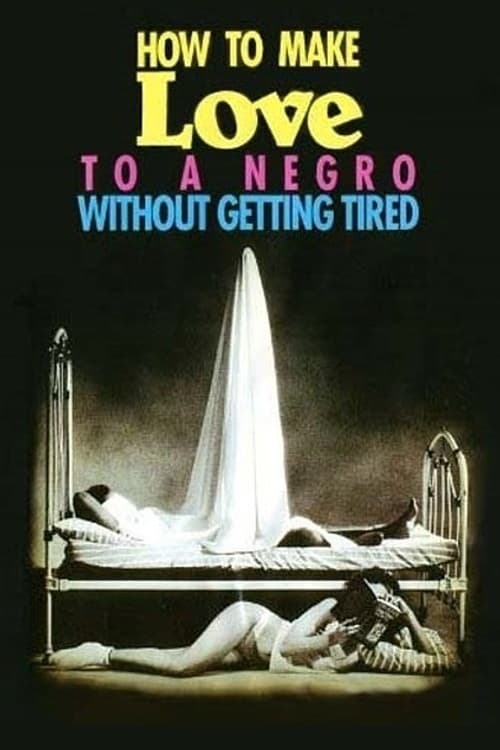
How to Make Love to a Negro Without Getting Tired
1989 · 1h 40m
country: France
A warm summer in Montreal. Two black men, Man and Bouba, share an apartment. Man is an ambitious author, writing on The Great Novel. Bouba is a lazy amateur philosopher who quotes the Koran. Man's habit of picking up young white women makes many young white men jealous...

TMDB2.4
Lady Cops
1987 · 1h 33m
country: France
Mireille Molyneux, police inspector, tracks down pimps. With the complicity of Yasmina, a prostitute, she arrested Charlie, her pimp. To take revenge on Mireille, Jean-Pierre, another pimp, accuses him of corruption. It was then the subject of an investigation by two IGS inspectors: Blondel and Lacroix. Soon after, Charlie was released for lack of evidence. To keep Yasmina, he kidnaps his son and threatens to kill him.
TMDB2.5
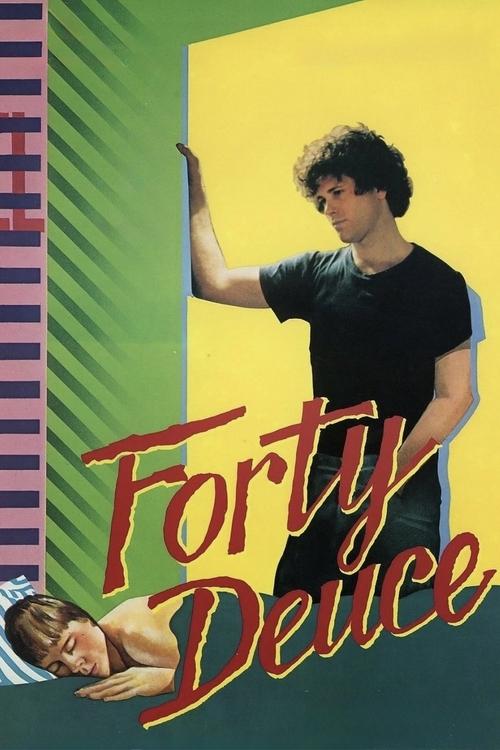
Forty Deuce
1982 · 1h 29m
country: United States
A young hustler tries to get drug money by selling a boy to a middle-aged man; his plans are disrupted when the kid dies.

TMDB3.3
Ceddo
1978 · 1h 57m
country: Senegal
The Ceddo people try to preserve their traditional African culture against the onslaught of Islam, Christianity, and the slave trade. When King Demba War sides with the Muslims, the Ceddo kidnap his daughter, Princess Dior Yacine, to protest their forcible conversion to Islam.
TMDB3.5
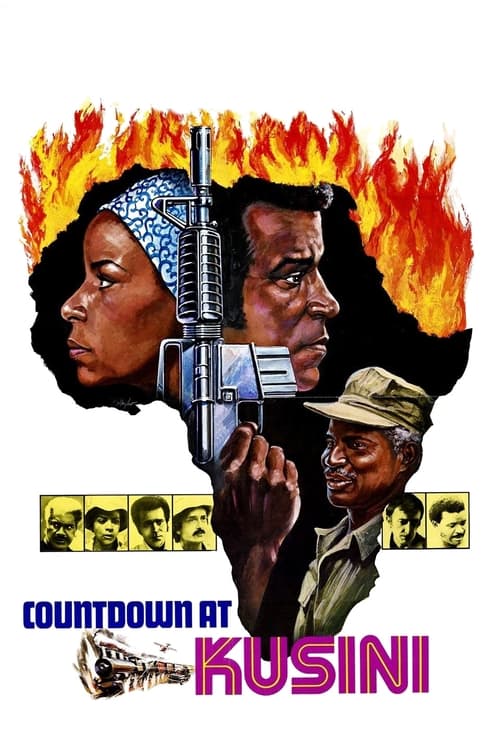
Countdown at Kusini
1976 · 1h 41m
country: Nigeria
An American musician working in Nigeria becomes involved with a patriot hunted by a mercenary in Africa.
TMDB5.0
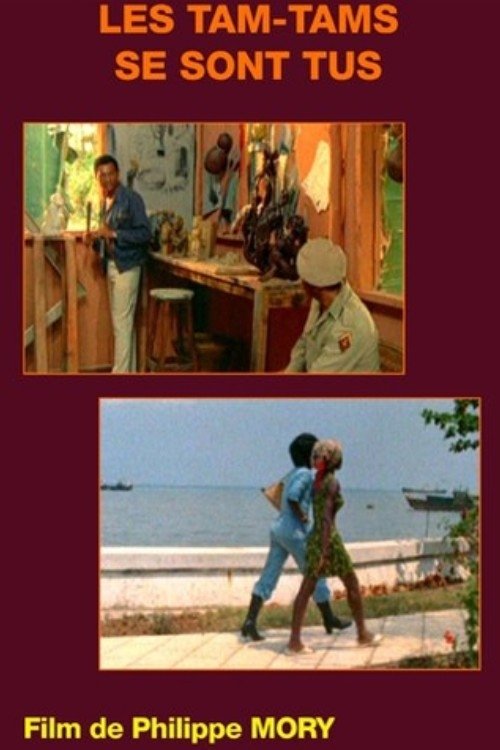
The Tam Tams Are Silent
1972 · 1h 10m
country: Gabon
Abraham is a young sculptor who does not quite understand the changing world in which he lives. During a visit to the village, he falls for the youngest wife of his uncle. They form a relationship but are discovered and Abraham flees to the city.