Movie DirectorRelease Date ↓All GenresAll ErasAny RatingAny Runtime
TMDB3.0
20 Little Films
2012 · 26m
country: Austria
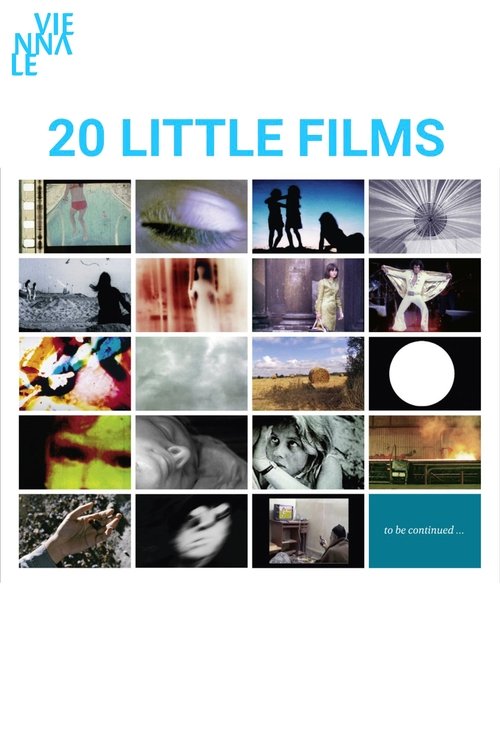
Since 1995, the Viennale has invited renowned directors to create short, one-minute films as personal contributions to the festival. Ranging from home movies to political essays, musical sketches to abstract studies, these “little films” form a unique anthology of cinematic moments. 20 Little Films collects a selection of these works, premiering together for the Viennale’s 50th anniversary at the Locarno Film Festival.
iDead
2011 · 2m
country: Unknown
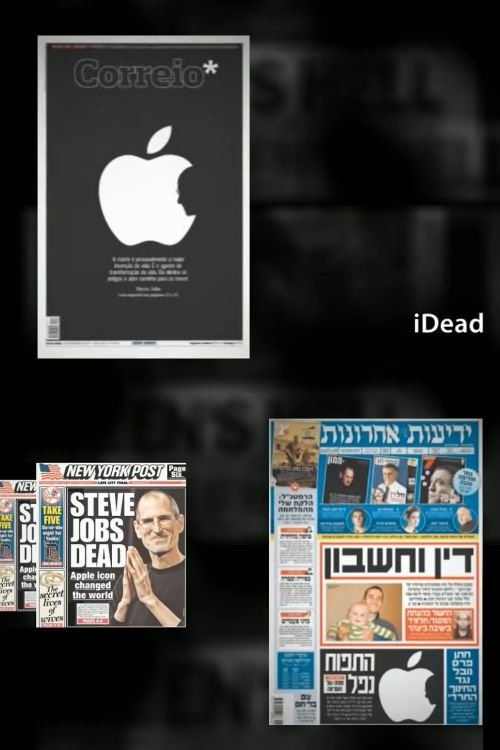
Video on the mass media response to the bardo-traversing of Steve Jobs. Long live the archive and the archivist.
Kino
2011 · 2m
country: France
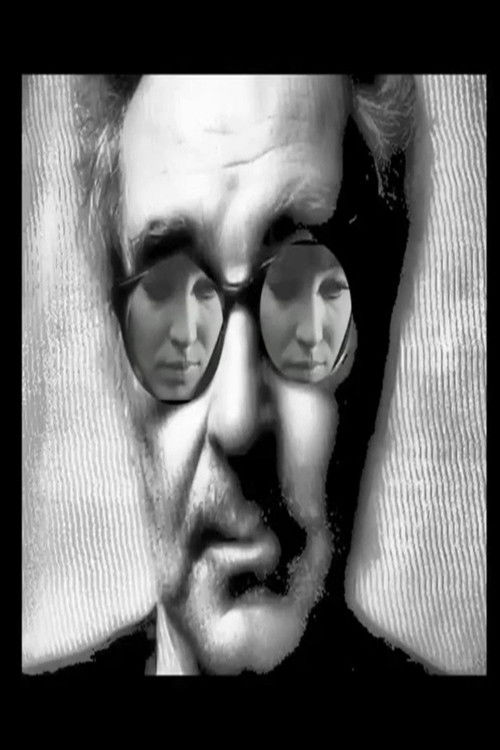
A short history of cinema
Imagine
2011 · 1m
country: Unknown
An historical "if"
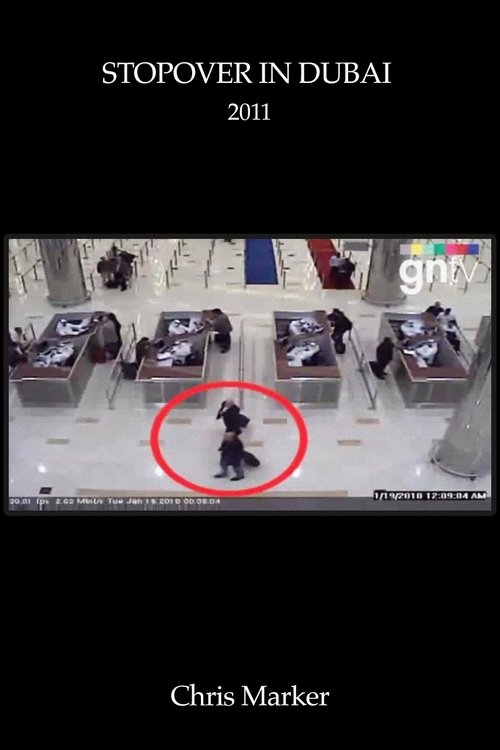
Stopover in Dubai
2011 · 27m
country: France
Chris Marker’s Stopover in Dubai is a found-footage documentary reconstructed from CCTV material released by Dubai State Security, documenting the 2010 assassination of Hamas co-founder Mahmoud al-Mabhouh. The footage follows a team of 26 assassins moving through hotels and corridors on the day of the killing. Marker retained the original images but replaced the broadcast’s generic soundtrack with Henryk Górecki’s music performed by the Kronos Quartet.

ROYAL POLKA.mov
2011 · 1m
country: Unknown
What else ?
Tempo Risoluto
Tempo Risoluto
2011 · 6m
country: Unknown
Rhytmics of a revolution.
Overnight
2011 · 3m
country: France
Short film about violence in London.
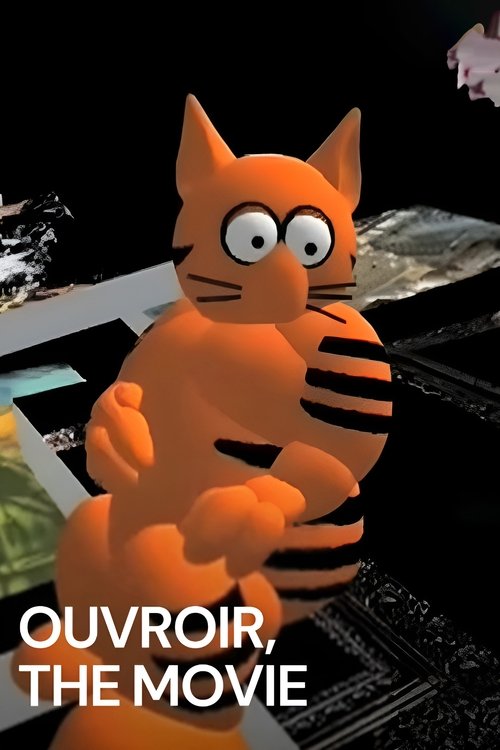
Ouvroir the Movie
2010 · 30m
country: France
A tour of Ouvroir, the virtual museum Chris Marker created in the online world Second Life with collaborator Max Moswitzer. Guided by Marker’s cat avatar, Guillaume-en-Égypte, visitors explore a 3D island of galleries, cinemas, and reading rooms inspired by Bioy Casares’s The Invention of Morel. The film documents this digital extension of Marker’s lifelong exploration of memory, art, and technology.
The Morning After
The Morning After
2008 · 5m
country: Unknown
After a sleepless night, Obama's victory flashes on frontpages around the world.
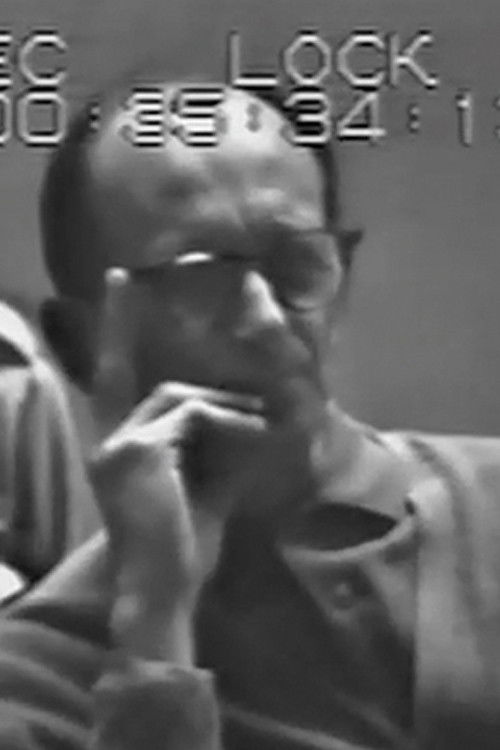
Henchman Glance
2008 · 33m
country: Unknown
Excerpts from Alain Resnais' film NIGHT AND FOG served as evidence during the trial against Adolf Eichmann in Jerusalem. On the evening before the trial, the defendant Eichmann was shown the entire film. Leo Hurwitz, the director responsible for video recording the trial, filmed this unusual projection in a kind of shot-countershot procedure without sound and in black and white. Nearly fifty years later, French filmmaker Chris Marker, who had already worked as an assistant director on NIGHT AND FOG, assembled these shots with the original color images and sounds of the French film: Henchman Glance.
TMDB2.5
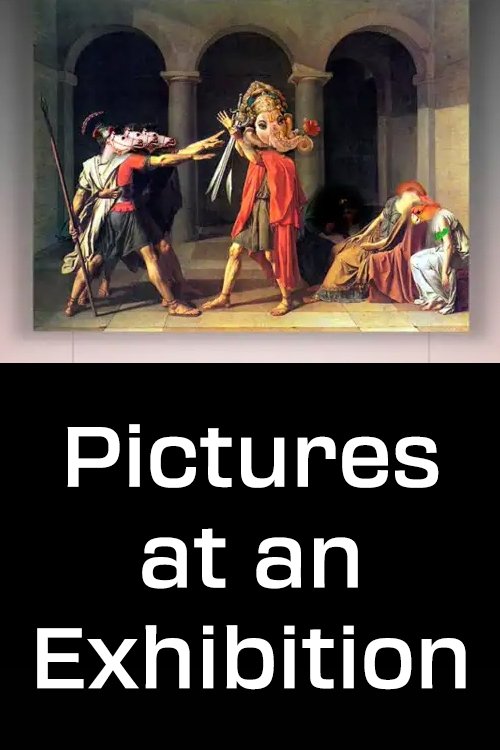
Pictures at an Exhibition
2008 · 9m
country: Unknown
Pictures, collages, well, call'em XPLUGS

TMDB2.3
Metrotopia
2008
country: France
A brief visual journey through the subways of major world cities. Without narration, Marker captures anonymous gestures, repetitive rhythms, and the unique atmosphere of underground urban spaces. A sensory meditation on modern life, the homogenization of environments, and the quiet beauty of places in transit.
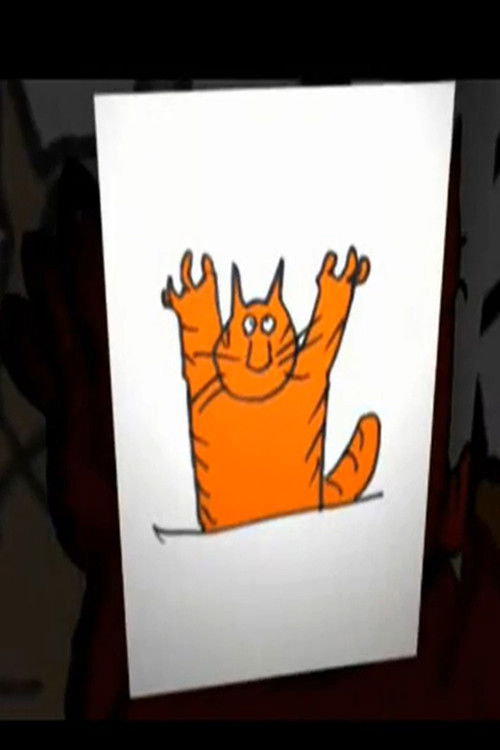
Guillaume Movie
2008 · 3m
country: Unknown
Cat film by Chris Marker
TMDB4.0
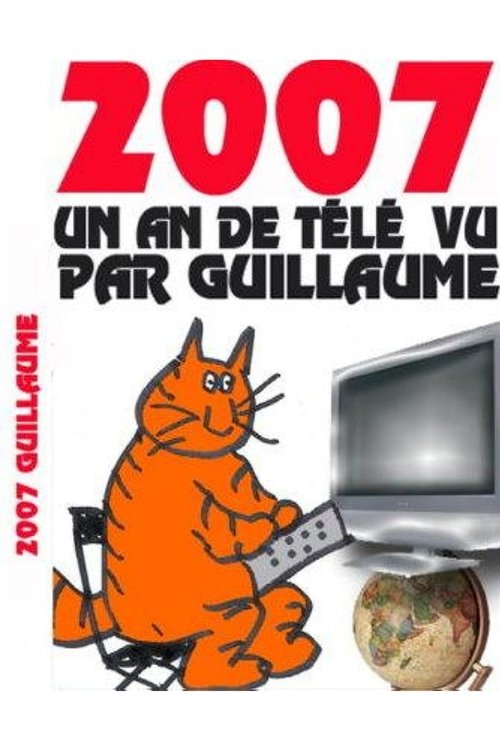
A Year of TV Seen by Guillaume
2007 · 1h 15m
country: Unknown
Like more and more internet users, if you didn't watch TV in 2007, you'll think twice about it in 2008. Because Guillaume-en-Egypte, Chris Marker's freelance cat, has watched it a lot; from Al Jazeera to CNN via Russian television and animal channels. And he came out unscathed, even offering us a special zapping.
Leila Attacks
TMDB2.0
Leila Attacks
2007 · 1m
country: France
Chris Marker's cat and rat.
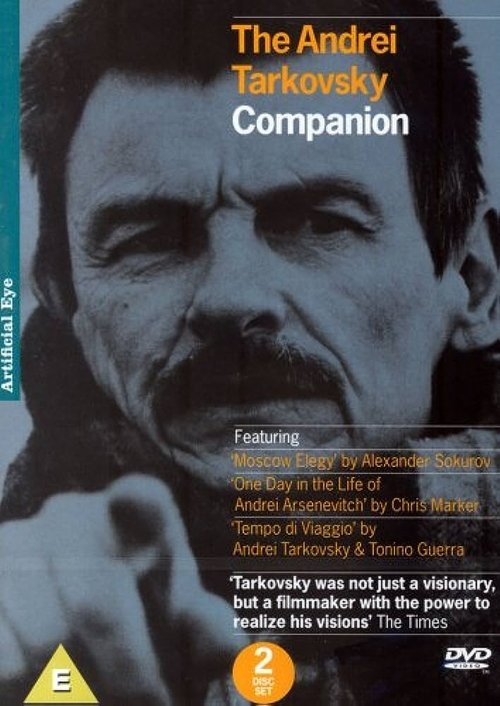
The Andrei Tarkovsky Companion
2007 · 3h 24m
country: France
The life and work of Russian film director Andrei Tarkovsky is celebrated and explored in three documentary films: Tempo Di Viaggio (1983) directed by Andrei Tarkovsky and Tonino Guerra, Moscow Elegy (1988) directed by Alexander Sokurov, and One Day In The Life Of Andrei Arsenevitch (2000) directed by Chris Marker.
TMDB3.5
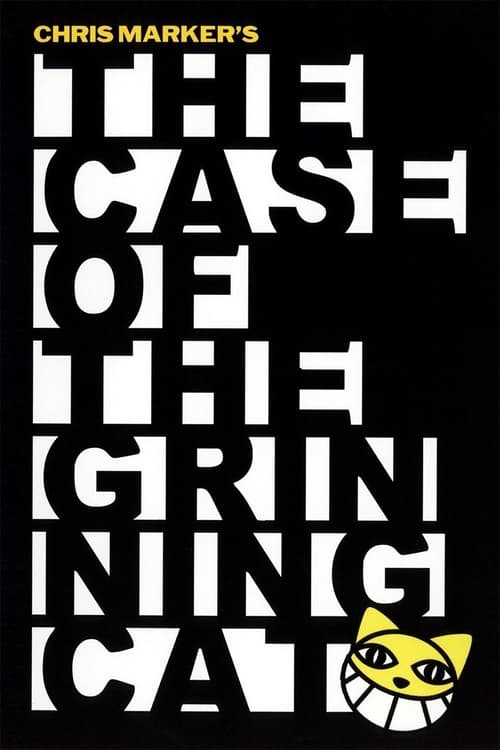
The Case of the Grinning Cat
2006 · 59m
country: France
Chris Marker, intrigued by the sight of yellow cats perched on walls on the streets of Paris, films the major national and international sociopolitical events of the early 2000s.
TMDB3.4
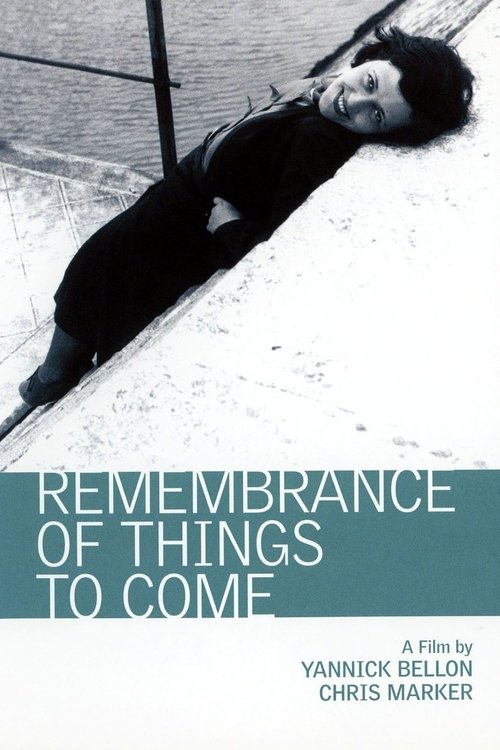
Remembrance of Things to Come
2001 · 42m
country: France
A personal history of France, told through photos by French photographer Denise Bellon.
TMDB3.5
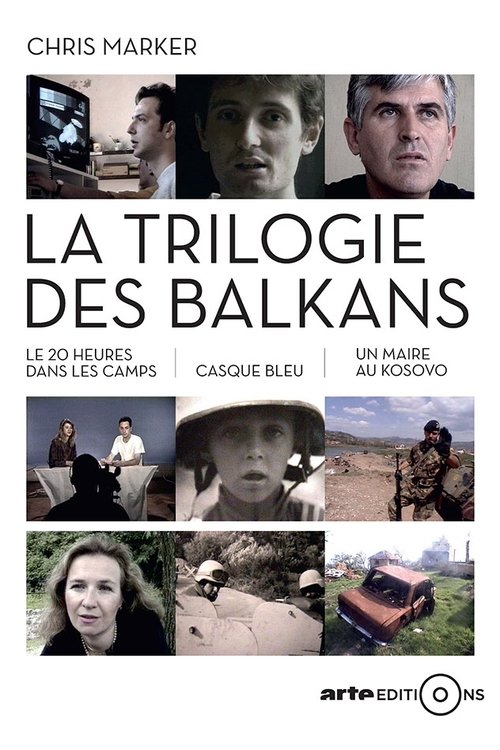
A Mayor in Kosovo
2000 · 27m
country: France
This is where sizzling fire still smoldering in a war which everybody talked a lot and which we rarely had the opportunity to hear the actors. Once removed their image of poor refugees on the roads, the Kosovars have strangely disappeared from the media world and Kosovo is again an abstraction. Bajram Rexhepi is entirely concrete. Surgeon by profession, he's a surgeon that fought the war in the ranks of the KLA, the Kosovo Liberation Army. With the upcoming of peace, his unquestioned authority made him the elected mayor of Mitrovica. The use made of this authority may undermine some misconceptions.
TMDB2.8
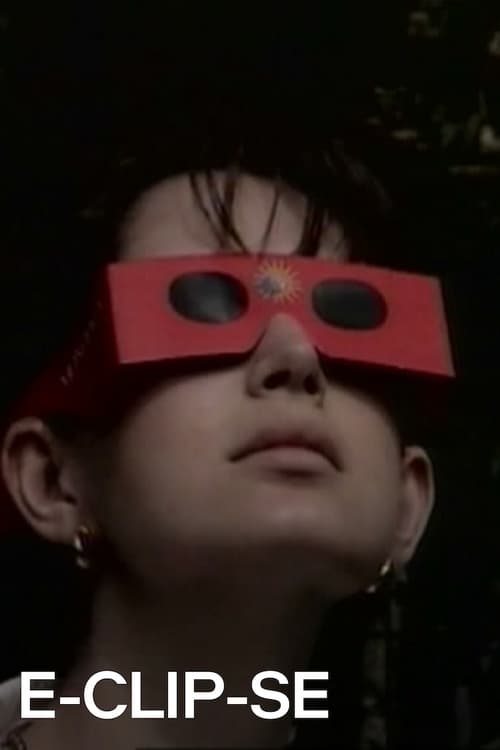
Eclipse
1999 · 8m
country: France
Filmed during the solar eclipse of August 11, 1999, Eclipse observes adults and children across France watching the darkened sky through protective glasses. Marker captures their varied reactions—wonder, curiosity, and indifference—as day briefly turns to night.
TMDB3.8
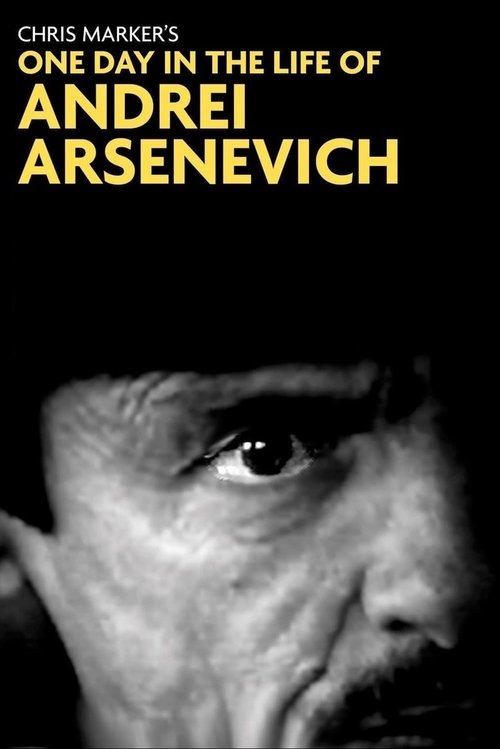
One Day in the Life of Andrei Arsenevich
1999 · 55m
country: France
Chris Marker’s portrait of Russian filmmaker Andrei Tarkovsky documents the director at work on his final film, The Sacrifice, during the last year of his life. Interweaving behind-the-scenes footage with excerpts from Tarkovsky’s earlier works, Marker crafts a moving reflection on the artist’s vision, methods, and enduring legacy.

TMDB3.0
Level Five
1997 · 1h 50m
country: France
Laura, a French programmer, inherits the task of creating a game about the World War II Battle of Okinawa. Her research and interviews with Japanese experts and witnesses prompt her to reflect on life, humanity, and the lasting influence of history and memories.
TMDB2.7
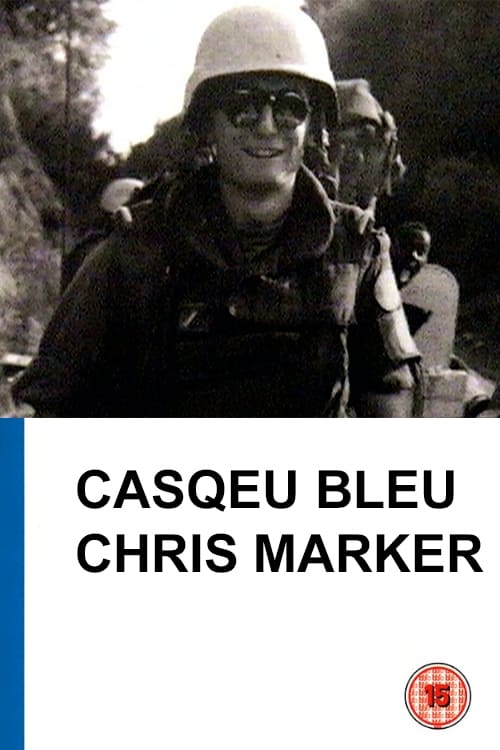
Blue Helmet
1995 · 25m
country: Unknown
A young man, who served as a peacekeeper in Bosnia and Herzegovina for a few months during the war, recounts his experiences. Throughout the film, we only see his face filmed in close-up, along with a few photos. The interview acts as a strong testimony to the failure of the international community in the Yugoslav crisis.
Silent Movie (Edit 2)
Silent Movie (Edit 2)
1995 · 59m
country: Unknown
Originally displayed as part of an installation consisting of one metal stand, 5 monitors, 5 laser disc players, a computer face interbox, 5 video discs with 20 min. sequences: The Journey, The Face, Captions, The Gesture, The Waltz; 18 B&W video stills, 10 film posters, and a soundtrack: "The Perfect Tapeur", solo piano pieces lasting 59 min. 32 sec.
TMDB3.8
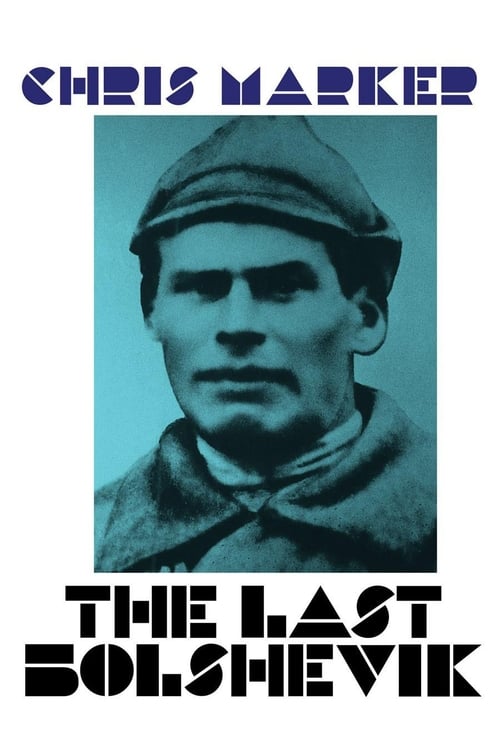
The Last Bolshevik
1994 · 2h 1m
country: Finland
A documentary on Soviet filmmaker Aleksandr Medvedkin, examining his tumultuous career, the rediscovery of his masterpiece Happiness, and Russia's struggles over the course of the 20th Century.
TMDB1.5
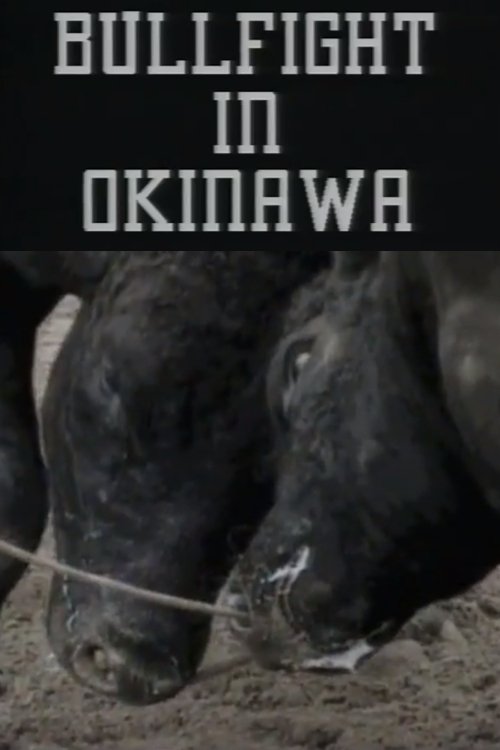
Bullfight in Okinawa
1994 · 4m
country: France
Chris Marker’s Bullfight in Okinawa is a bizarre, 4 min documentary that introduces viewers to Japan’s subterranean past time of bullfighting. Part of Markers five-film “Bestiary” series, Bullfight employs observational documentary techniques and, in particular, Marker’s camerawork is impressive — tight framed shots, free-hand pans, and quick zooms all contribute to the film’s urgent sense of tension — and, if it weren’t for the suspense inducing music, this short-gem would be damn close to pure objective documentary cinema.
TMDB3.8
Three Haiku Videos
1994 · 4m
country: France
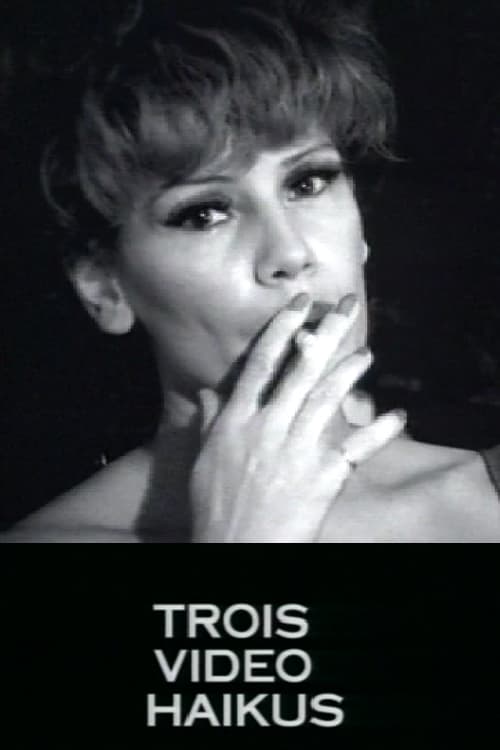
A collection of three short “video haikus” by Chris Marker. Yanka / Tchaika observes the Seine beneath a bridge; Owl Gets in Your Eyes features Catherine Belkhodja with an owl superimposed in flight; and Petite Ceinture pays homage to the Lumière brothers by filming empty train tracks along Paris’s disused railway.
Owl Gets in Your Eyes
TMDB2.6
Owl Gets in Your Eyes
1994 · 1m
country: France
Part of Chris Marker’s Three Video Haikus series, Owl Gets in Your Eyes observes owls and their young in quiet close-up, capturing their shifting expressions and watchful gaze.
Tchaïka
TMDB2.1
Tchaïka
1994 · 1m
country: France
Part of Chris Marker’s Three Video Haikus series, Tchaïka is a brief visual meditation showing an overexposed view of a bridge and the river flowing beneath it.
TMDB2.3
Petite Ceinture
1994 · 1m
country: France
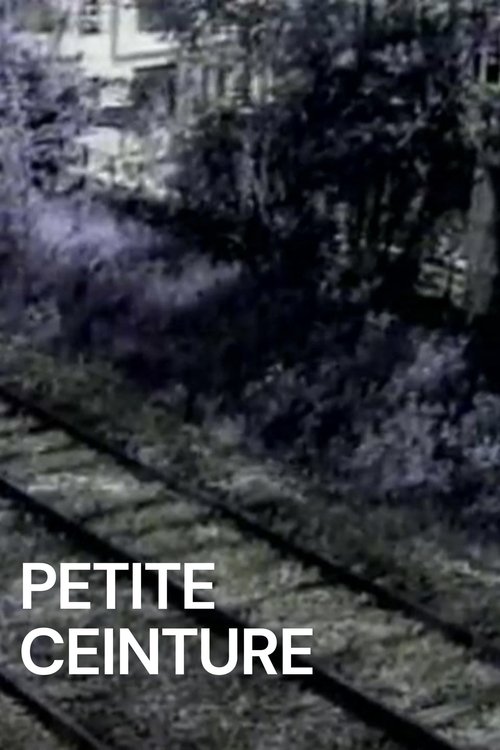
Part of Chris Marker’s Three Video Haikus series, Petite Ceinture is a brief visual meditation on Paris’s abandoned circular railway, filmed as an homage to the Lumière brothers.
TMDB2.8
Prime Time in the Camps
1993 · 26m
country: Unknown
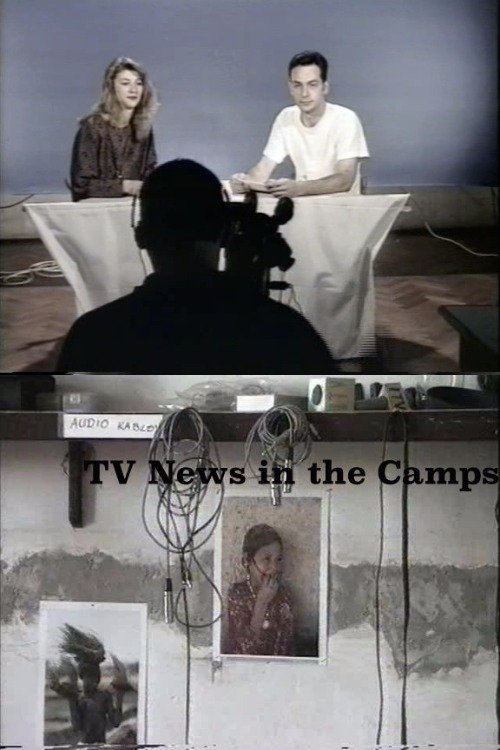
Prime Time in the Camps is one of a series of Chris Marker’s short films on the war in Yugoslavia. Featuring behind-the-scenes footage of the camp’s TV crews in action, with interviews and excerpts from the TV programs, the film captures the importance of grassroots media and the need for people to share their stories.
TMDB1.9
Slon Tango
1993 · 5m
country: France
An oddly rhythmic and balletic tape emerges from the juxtaposition of an elephant lumbering around his enclosure at the zoo and elegant music by Stravinsky.
Theory of Sets
TMDB2.9
Theory of Sets
1991 · 15m
country: France
Made entirely on Roger Wagner's HyperStudio software, Chris Marker explores set theory, using Noah's Ark as an example.
TMDB2.6
Berlin 1990
1990 · 25m
country: France
Some months after the fall of the Berlin wall, during the time of federal elections in Germany in 1990, Chris Marker shot this passionate documentary, reflecting the state of the place and its spirit with remarkable acuity.
Berlin 1990
Berlin 1990
1990 · 21m
country: Unknown
Berlin 1990 travels the streets and the political landscape of the recently re-unified Berlin. In the tumultuous atmosphere of 1990, we watch Berliners walk through check points manned by soldiers, past street vendors selling sausages and "actual" pieces of the Berlin Wall, and watch as they watch the election results come in for another "new" Germany.
An Owl Is an Owl Is an Owl
TMDB2.3
An Owl Is an Owl Is an Owl
1990 · 3m
country: France
Part of Chris Marker’s Bestiaire (Petit Bestiaire) collection, An Owl Is an Owl Is an Owl is a short video meditation on the gaze and movement of owls—sometimes still, sometimes in flight—observed with the quiet, rhythmic attention typical of Marker’s later video work.

TMDB2.9
Zoo Piece
1990 · 3m
country: France
A quietly observed montage of animals in captivity—seals, leopards, gorillas, wolves, monkeys, ostriches, and others—Zoo Piece shifts perspective from spectacle to confinement, reflecting on the boundaries between observation and imprisonment.
Rush - Voyage à Moscou
1990 · 1h 49m
country: Unknown
A document of Perestroika, to be viewed as (nearly) unedited rushes of a voyage to Moscow, preserved by compatriot Costa-Gavras. Says Émilie Cauquy of the French Cinémathèque, "Astonishing unpublished travel diary, shot by Chris Marker in analog video on the occasion of a screening of L'Aveu in Moscow in 1990 [...] Armed with his camcorder, Marker films and records the comments, takes on the role of contemporary capital according to this unique ethnographic method that he has perfected".
Détour Ceausescu
Détour Ceausescu
1990 · 8m
country: France
After the Romanian Revolution reached its peak during the Christmas Holidays of 1989, Romania’s Communist patriarch and his wife Elena were sentenced to death by a military court and accordingly gunned down. Chris Marker’s short video-collage Détour Ceauşescu documents how the execution was depicted by France’s national TV-channel TF1.
Zapping Zone
Zapping Zone
1990 · 6h 46m
country: Unknown
Chris Marker’s work, "Zapping Zone (Proposals for an imaginary television)" was produced by the Mnam-Centre Pompidou in the framework of the exhibition "Passages de l’Image" in 1990. Composed of 13 television sets, 7 computer stations (Apple II GS), 4 luminous displays containing 80 slides and 10 photomontages, this large interactive installation marked the entry of digital script into the art field at the dawn of the World Wide Web. Up until 2007, and Chris Marker’s last presentation before his death, the artist produced endlessly, building up an archive of 183 disks of work.
TMDB2.8
Tokyo Days
1988 · 20m
country: France
Chris Marker’s Tokyo Days follows the filmmaker and actress Arielle Dombasle as they wander through Tokyo, beginning with an encounter with a live mannequin in a shop window. Mixing casual observation with playful edits, Marker captures everyday scenes—from subways to markets—in a personal video diary of the city.
TMDB4.2
Cat Listening to Music
1988 · 3m
country: France
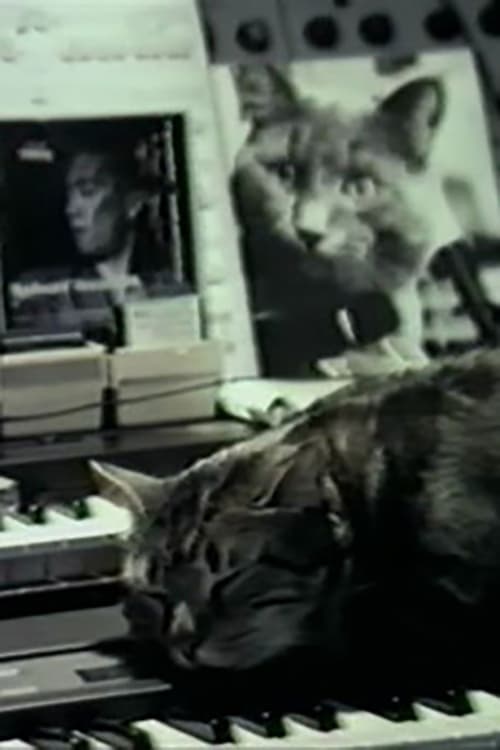
Part of Chris Marker’s Bestiaire (Petit Bestiaire) collection, Cat Listening to Music simply observes a cat responding to the sound of a piano.
TMDB4.0
Mémoires pour Simone
1986 · 1h 1m
country: Unknown
A wonderful tribute to the great Simone Signoret by Chris Marker. Rare documentary, made by movie clips and narration, with many lines Simone Signoret wrote for her autobiography 'La nostalgie n'est plus ce qu'elle était' (Nostalgia is not what it was anymore).
Matta '85
TMDB3.1
Matta '85
1985 · 15m
country: Unknown
A portrait of the Chilean artist Roberto Matta leading Marker on a wise and funny private guided tour of his solo exhibition at the Pompidou Center.

TMDB3.1
A. K.
1985 · 1h 15m
country: France
An intimate chronicle of the shooting of Ran (1985), a film directed by the legendary Japanese filmmaker Akira Kurosawa.
TMDB3.5
From Chris to Christo
1985 · 24m
country: France
In the fall of 1985, Christo "packed" the Pont Neuf. In the space of a week, enthusiasts, critics and curious people drastically change the perception of this place whose presence has never been felt as much as since it was veiled. And that's what Christo wanted.
TMDB3.2
2084: Video Clip for the Trade Unions' Reflection and Pleasure
1984 · 10m
country: France
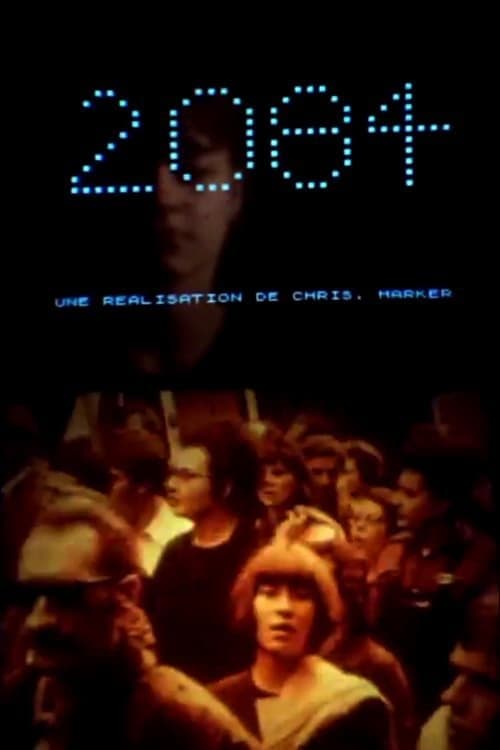
Made for the centenary of France’s trade union laws, Chris Marker’s 2084 imagines a future in which a computer looks back on the labor movement of the 20th century. Mixing documentary reflection with speculative fiction, the film envisions contrasting paths for the future of workers and unions.
TMDB3.8
Sans Soleil
1983 · 1h 40m
country: France
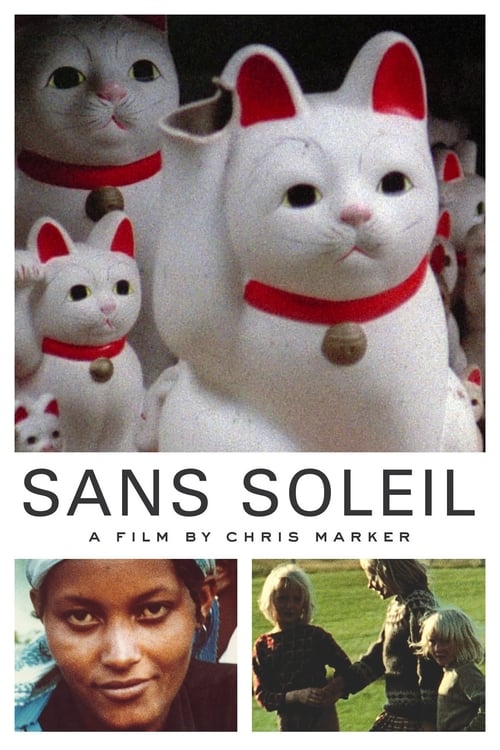
A woman narrates the thoughts of a world traveler, meditations on time and memory expressed in words and images from places as far-flung as Japan, Guinea-Bissau, Iceland, and San Francisco.
TMDB3.0
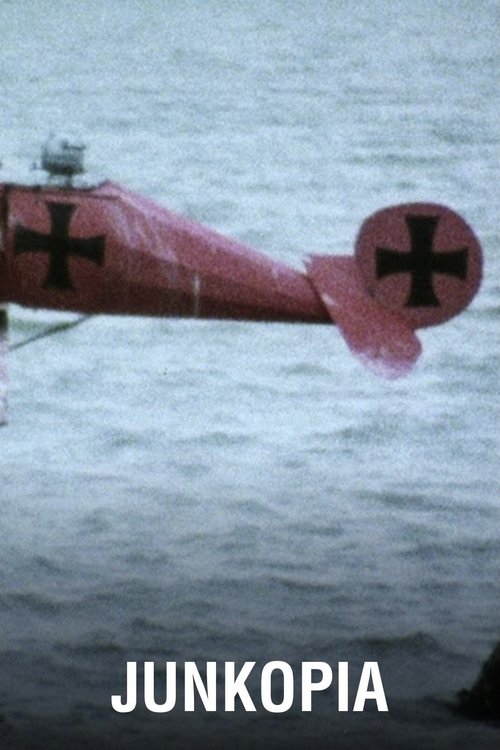
Junkopia
1981 · 6m
country: France
Filmed along the Emeryville Mudflats near San Francisco, Junkopia captures a landscape of sculptural installations made from driftwood and discarded materials. Chris Marker, John Chapman, and Frank Simeone transform these ephemeral artworks—set against highways and the distant city—into a quiet meditation on art, decay, and the modern environment.
When the Century Took Shape (War and Revolution)
1978 · 15m
country: France
In 1978, just after Le fond de l'Air Est Rouge, which mercilessly analyzed the previous ten years of the revolutionary left's momentum until its collapse, Chris Marker made this complementary piece entitled Quand le Siècle a Pris Forme (Guerre et Révolution).
TMDB4.0
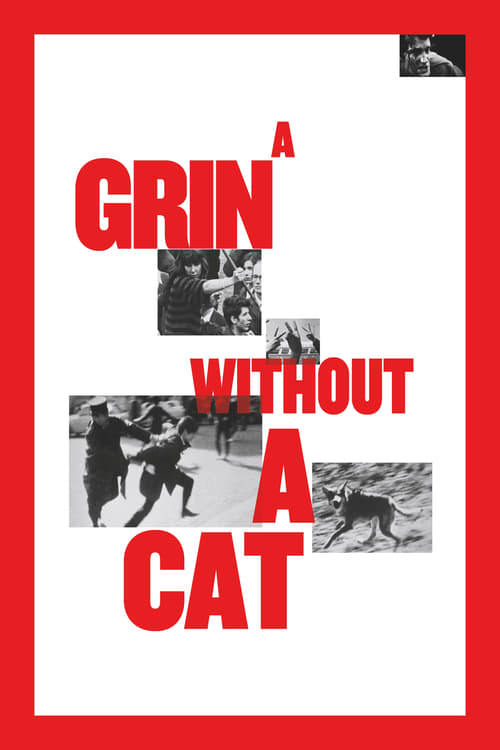
A Grin Without a Cat
1977 · 3h
country: France
Chris Marker’s A Grin Without a Cat is an epic political essay tracing the rise and decline of the global left from the 1960s to the 1970s. Through archival footage and commentary, the film examines revolutionary movements in France, Latin America, and beyond, reflecting on the ideals, failures, and fading hopes of a generation.
TMDB3.2
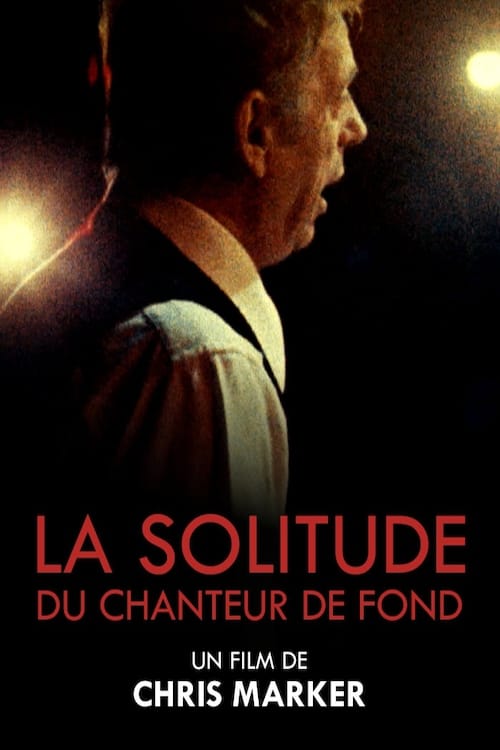
The Loneliness of the Long Distance Singer
1974 · 1h
country: France
This documentary chronicles an Yves Montand concert for Chilean refugees in France.
TMDB3.3
The Embassy
1973 · 20m
country: France
After a military coup d'état, political dissidents seek refuge in a foreign embassy. Over the next few days, they are joined by more and more people who are fleeing the military assault: teachers, students, intellectuals, artists, and politicians.
TMDB2.9
You Speak of Chile: What Allende Said
1973 · 16m
country: France
Salvador Allende interviewed by Régis Debray in 1971.
We Maintain It Is Possible
TMDB3.3
We Maintain It Is Possible
1973 · 47m
country: Unknown
In 1973, after the failure of wage negotiations with the management of the Lip watch factories, the workers went on strike. Marker was responsible for assembling clips from various photographers into one cohesive film.

TMDB3.6
Three Cheers for the Whale
1972 · 17m
country: France
Co-directed by Chris Marker and Mario Ruspoli, Three Cheers for the Whale traces humanity’s complex relationship with whales—from reverence to exploitation—culminating in a stark depiction of industrial whaling. Combining archival imagery, commentary, and documentary footage, the film offers both a historical reflection and a call for ecological awareness.
TMDB3.3
The Train Rolls On
1971 · 32m
country: France
This half-hour documentary by Chris Marker explores Aleksandr Medvedkin’s 1930s “Cine-Train,” a mobile film studio equipped with cameras, editing rooms, animation stations, and a laboratory. Traveling across the Soviet countryside, the train’s crew documented agricultural and industrial life—from Ukrainian harvests to southern steelworks—while living and working in cramped shared quarters.
You Speak of Paris: Maspero. Words Have Meaning
TMDB2.6
You Speak of Paris: Maspero. Words Have Meaning
1971 · 20m
country: France
An affectionate portrait of the left-wing publisher and bookshop owner François Maspero, who was a contributor to Far From Vietnam and would later publish the commentary to Le Fond de l’air est rouge. Maspero is one of the most satisfying and likeable of Marker’s films from this period, achieving an exemplary balance of quirky human warmth with a clear and inventive form of political argument.
TMDB3.3
You Speak of Prague: The Second Trial of Artur London
1971 · 31m
country: France
Artur London was arrested in 1951 in a Stalinist purge, imprisoned and tortured for two years and forced to confess in the Slansky Trial, one of the last Stalinist "show trials" in Eastern Europe. The documentary explores some of the reasons for the controversy aroused by Costa-Gavras' The Confession, which had been accused of being anti-communist, and it highlights the political importance of filmmaking which, by its nature, is a fiction intended for the general public.
TMDB3.6
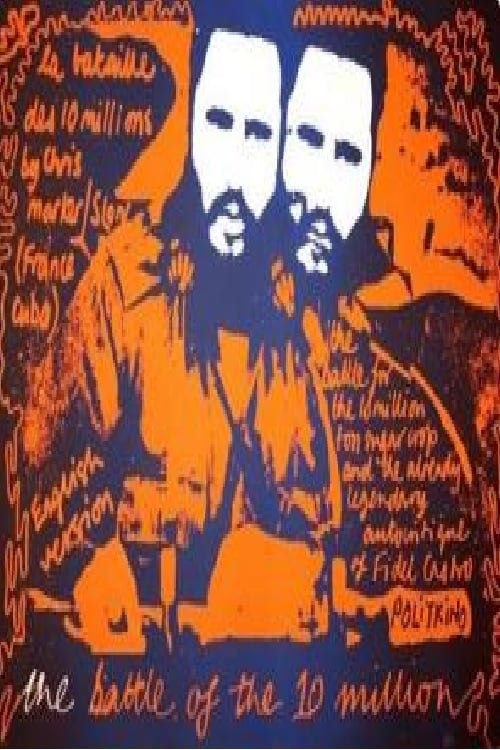
Cuba: Battle of the 10,000,000
1971 · 58m
country: Cuba
Documentary about economic development in Cuba, particularly the effort to boost output of sugar cane. This film is made from a compilation of newsreel footage from the Cuban film institute and from Santiago Alvarez's film Despegue a las 18.00 (Departure 18:00).
TMDB3.0
Report on Brazil: Carlos Marighella
1970 · 17m
country: France
Made shortly after the death of Brazilian revolutionary Carlos Marighella, this documentary reconstructs his life and political struggle through interviews with friends and comrades. It examines his role in the resistance against Brazil’s military dictatorship and his death in a 1969 police ambush.
Jour de tournage
TMDB2.5
Jour de tournage
1969
country: Unknown
Report on Brazil: Torture
TMDB4.5
Report on Brazil: Torture
1969 · 20m
country: Unknown
On September the 4th, 1969, a group of Brazilian revolutionaries kidnap the U.S. ambassador. In exchange for his release, they demand that the Brazilian authorities publish a manifesto they provide, and release 15 political prisoners.
TMDB3.4
The Sixth Side of the Pentagon
1968 · 28m
country: France
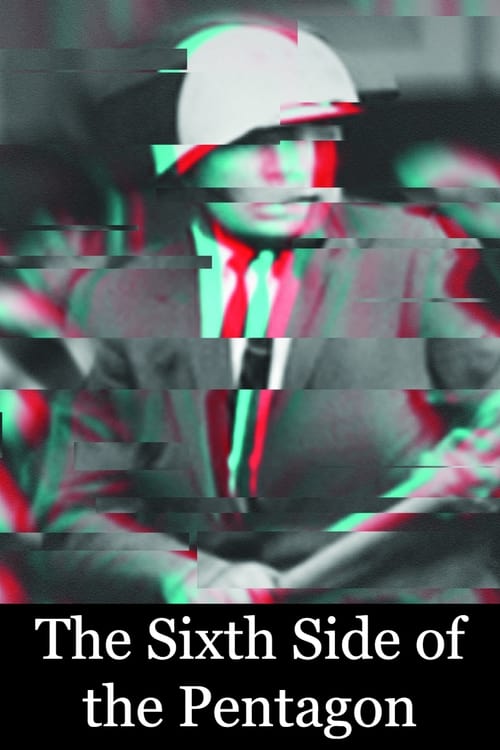
Chris Marker and François Reichenbach document the massive anti–Vietnam War protest held in Washington, D.C., on October 21, 1967, where more than 100,000 demonstrators gathered at the Lincoln Memorial before marching on the Pentagon. Filmed amid the crowd, the short captures the tension, idealism, and growing radicalism of the American peace movement.
TMDB4.0
Cinétracts
1968 · 1h 30m
country: France
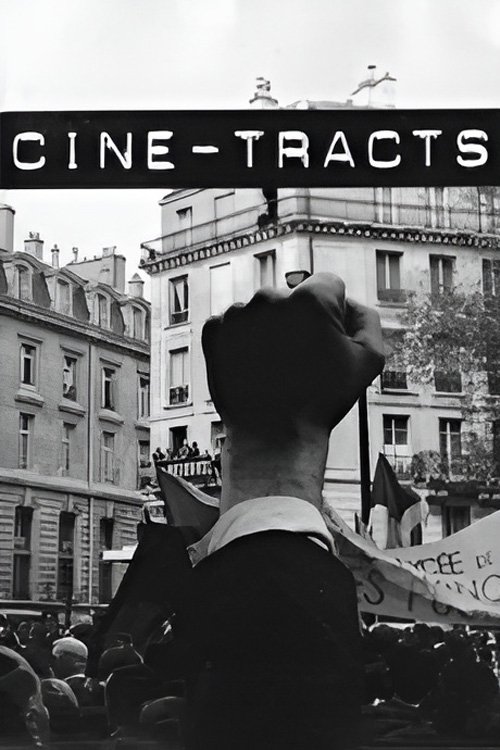
A series of 43 documentary shorts, directed (without credit) by several famous French filmmakers and each running between two and four minutes. Each "tract" espouses a leftist political viewpoint through the filmed depiction of real-life events, including workers' strikes and the events of Paris in May '68.
TMDB3.1
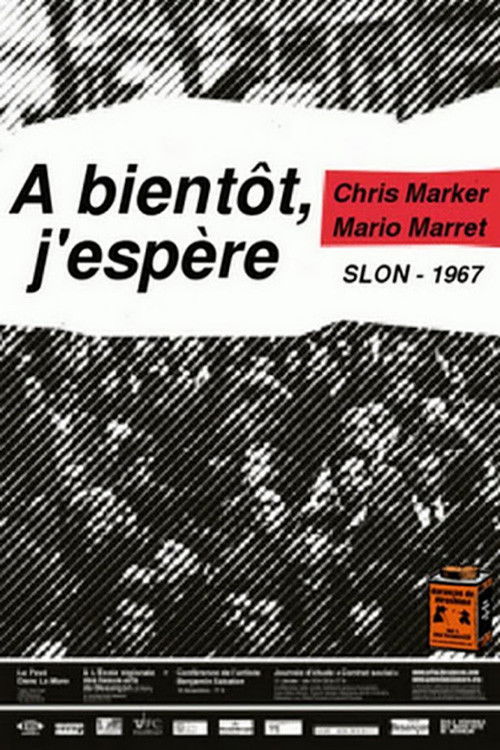
Be Seeing You
1968 · 45m
country: France
A documentary look at striking workers in a textile plant in Besançon, France, centering on interviews with workers about their motivations for becoming involved with the union and the struggles of their day to day life.
TMDB3.6
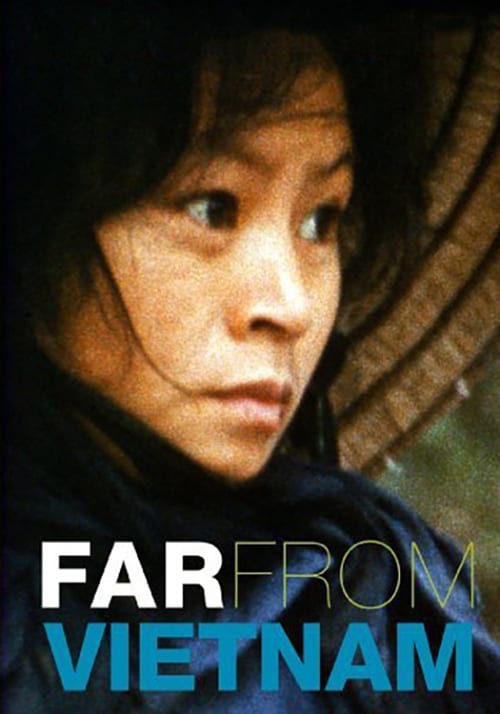
Far from Vietnam
1967 · 1h 56m
country: Belgium
In seven different parts, Godard, Ivens, Klein, Lelouch, Marker, Resnais, and Varda show their sympathy for the North-Vietnamese army during the Vietnam War.
TMDB3.5
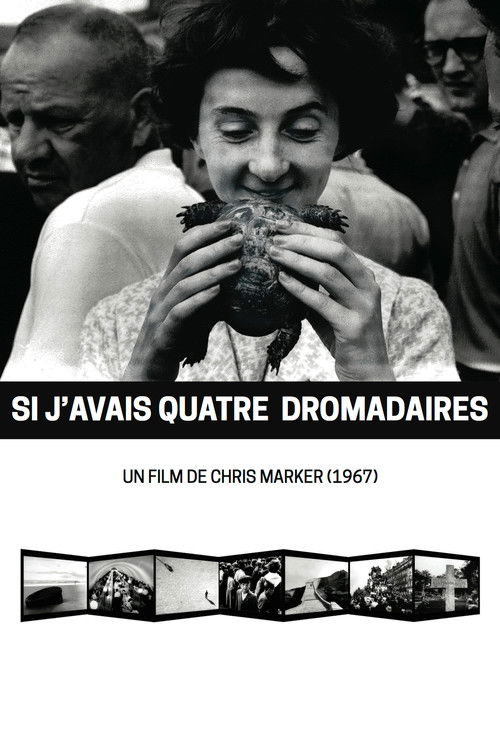
If I Had Four Dromedaries
1966 · 49m
country: France
Composed entirely of still photographs taken by Chris Marker across 26 countries, If I Had Four Dromedaries presents a dialogue between three voices reflecting on the meaning of images and travel. Through this photo-essay form, Marker explores the relationship between still and moving images and the act of seeing itself.

TMDB3.5
The Koumiko Mystery
1965 · 46m
country: France
Koumiko Muraoka, a young Japanese woman born in Manchuria and educated in France, wanders through Tokyo while she reflects on identity, memory, and what it means to be Japanese in a rapidly changing world.
TMDB4.0
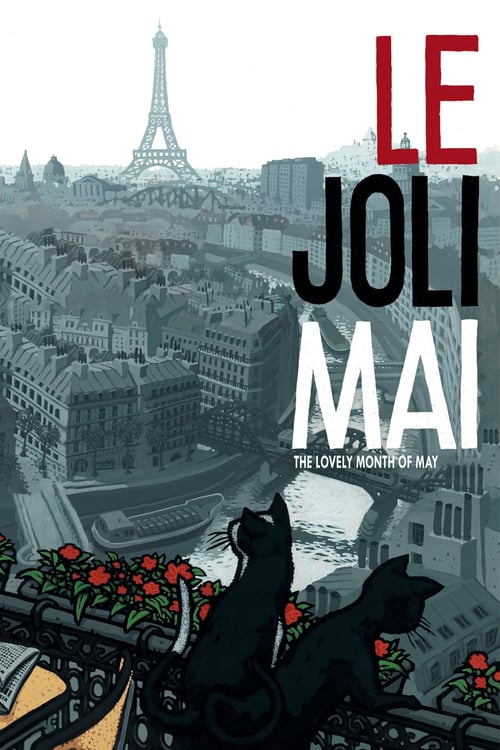
The Lovely Month of May
1963 · 2h 45m
country: France
Candid interviews of ordinary people on the meaning of happiness, an often amorphous and inarticulable notion that evokes more basic and fundamentally egalitarian ideals of self-betterment, prosperity, tolerance, economic opportunity, and freedom.

TMDB4.0
FF3.0
La Jetée
1962 · 29m
country: France
A man confronts his past during an experiment that attempts to find a solution to the problems of a post-apocalyptic world caused by a world war.

TMDB3.8
¡Cuba Sí!
1961 · 53m
country: France
Chris Marker’s documentary traces the course of the Cuban Revolution, from its early optimism to the aftermath of the Bay of Pigs invasion. Through on-the-ground footage and interviews—including two with Fidel Castro—the film captures the spirit and contradictions of a nation in transformation.
TMDB3.6
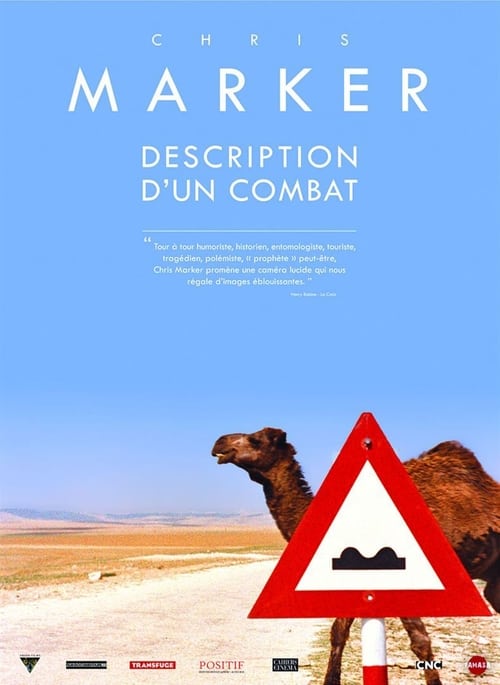
Description of a Struggle
1960 · 1h
country: Israel
Chris Marker’s documentary portrays Israel twelve years after its founding, blending location and archival footage to explore its diverse communities—from kibbutzim and Arab villages to Orthodox quarters and tourist sites. The “struggle” of the title reflects the nation’s search for identity in a rapidly changing region.
TMDB3.1
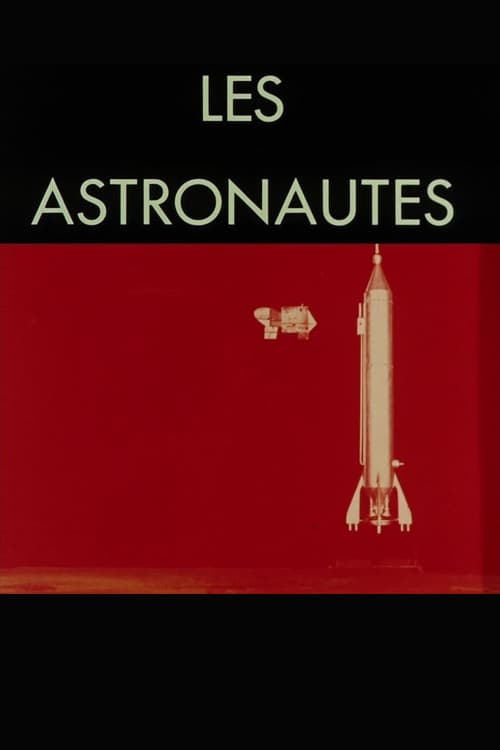
The Astronauts
1959 · 14m
country: France
An inventor builds a homemade spacecraft, and uses it to have various adventures, including peeping at women, visiting ‘human’ planets, and becoming involved in intergalactic warfare.

TMDB3.5
Letter from Siberia
1957 · 1h 2m
country: France
A faceless traveller takes a journey through the barren reaches of a Siberia caught between tradition and modernity, imparting his philosophical musings on its people and places, wildlife and culture.

TMDB3.2
Sunday in Peking
1956 · 19m
country: France
Chris Marker’s travel essay Sunday in Peking transforms a long-held childhood dream into a cinematic journey through Beijing. Blending documentary observation with reflective narration, Marker captures the city’s rhythms, traditions, and everyday life in mid-1950s China with his signature curiosity and lyricism.
TMDB3.5
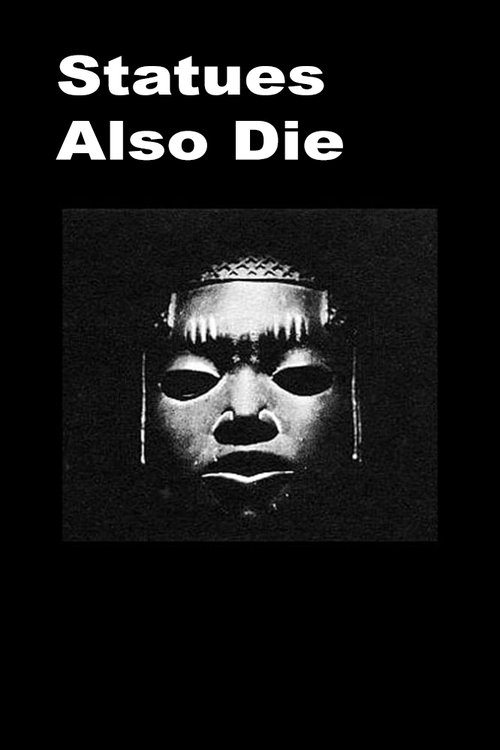
Statues Also Die
1953 · 30m
country: France
Commissioned by the journal Présence Africaine, this short documentary examines how African art is devalued and alienated through colonial and museum contexts. Beginning with the question of why African works are confined to ethnographic displays while Greek or Egyptian art is celebrated, the film became a landmark of anti-colonial cinema and was banned in France for eight years.
TMDB3.5
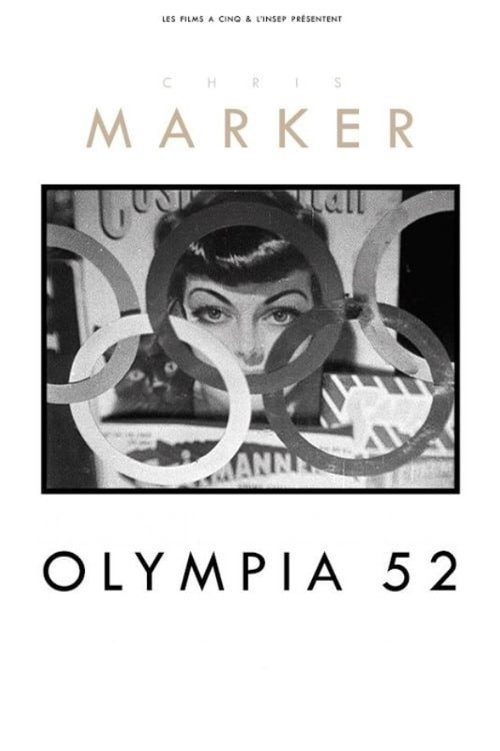
Olympia 52
1952 · 1h 26m
country: France
Olympia 52 is a 1952 French documentary film about the '52 Summer Olympics in Helsinki, Finland. Olympia 52 was produced by Peuple et Culture, a nonprofit organization, and it was the first feature-length work directed by the French filmmaker Chris Marker, who also co-wrote the narrative and served as one of the production’s four cinematographers.
The End of the World Seen by the Angel Gabriel
The End of the World Seen by the Angel Gabriel
1947
country: France
This film is considered lost. Chris Marker described it as his first film, shot in Berlin on an 8mm movie camera purportedly borrowed from André Bazin. A decade and a half later, Marker would recycle some of Berlin photographs in a montage sequence in La Jetée evoking a post–World War III Paris. In Abrahamic religions, Gabriel is an archangel with power to announce God’s will to men. He is mentioned in the Hebrew Bible, the New Testament, and the Quran. It is Gabriel who announces to the Virgin Mary that she would have a child. Alain Resnais recalled: “It was a sequence of images that weren’t always identifiable, he used a lot of out of focus shots and techniques like that, but the commentary was fabulous and I was completely swept away by this film”.