1920s History Movies
The 40 most popular 1920s history movies, ranked. Click any film for ratings, reviews, trailers, and where to watch.
TMDB4.0
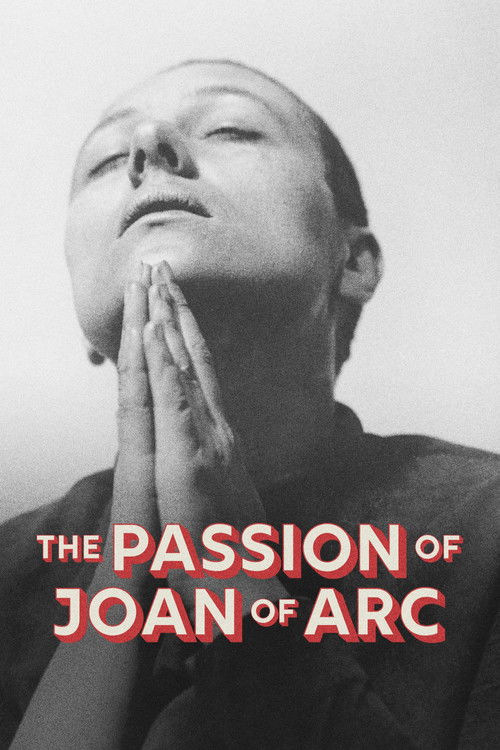
The Passion of Joan of Arc
1928 · 1h 21m
country: France
A classic of the silent age, this film tells the story of the doomed but ultimately canonized 15th-century teenage warrior. On trial for claiming she'd spoken to God, Jeanne d'Arc is subjected to inhumane treatment and scare tactics at the hands of church court officials. Initially bullied into changing her story, Jeanne eventually opts for what she sees as the truth. Her punishment, a famously brutal execution, earns her perpetual martyrdom.
TMDB3.8
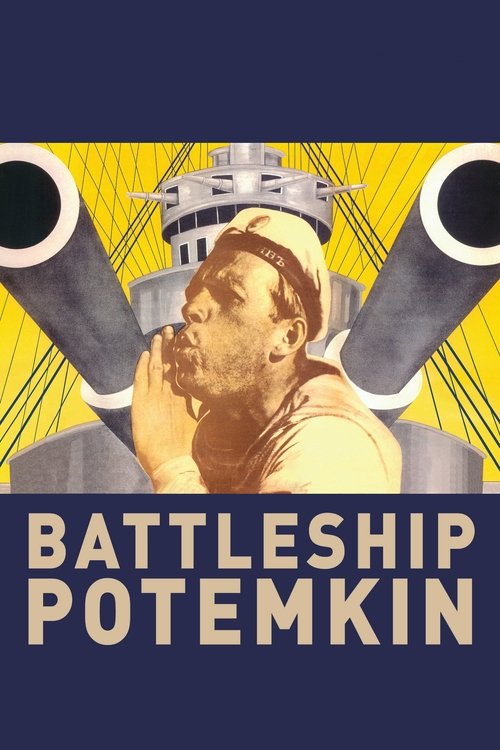
Battleship Potemkin
1925 · 1h 15m
country: Soviet Union
A dramatized account of a great Russian naval mutiny and a resultant public demonstration, showing support, which brought on a police massacre.
TMDB3.8
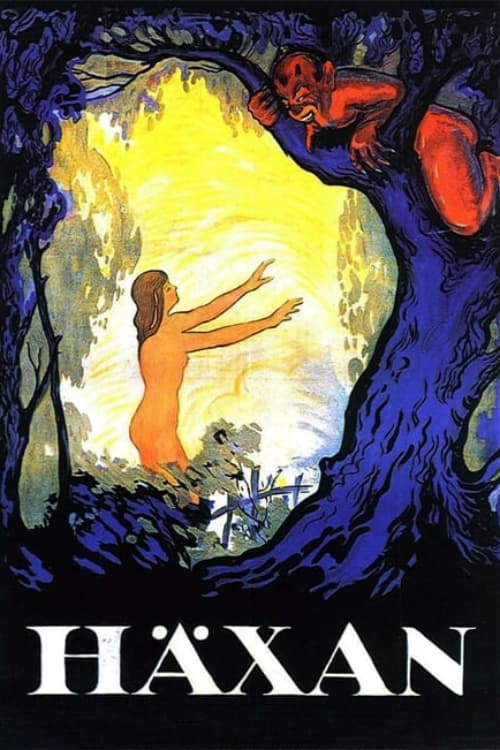
Häxan
1922 · 1h 45m
country: Sweden
Grave robbing, torture, possessed nuns, and a satanic Sabbath: Benjamin Christensen's legendary film uses a series of dramatic vignettes to explore the scientific hypothesis that the witches of the Middle Ages suffered the same hysteria as turn-of-the-century psychiatric patients. But the film itself is far from serious-- instead it's a witches' brew of the scary, gross, and darkly humorous.
TMDB4.0
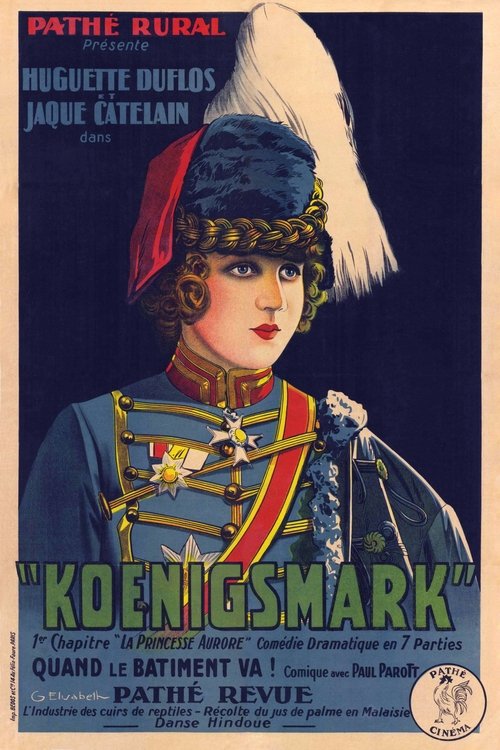
The Secret Spring
1923 · 3h
country: France
To fulfill her Father's wish, Grand Duchess Aurora (Huguette Duflos) is forced into an unhappy marriage with Grand Duke Rudolph (Henry Houry). He prepares to leave for the Congo but is murdered by his own brother (Georges Vaultier). Aurora goes to Paris with her father and, there, is told on the phone of her husband's death. After returning to the Kingdom, she meets a tutor (Jaque Catelain) who falls in love with her..
TMDB3.9
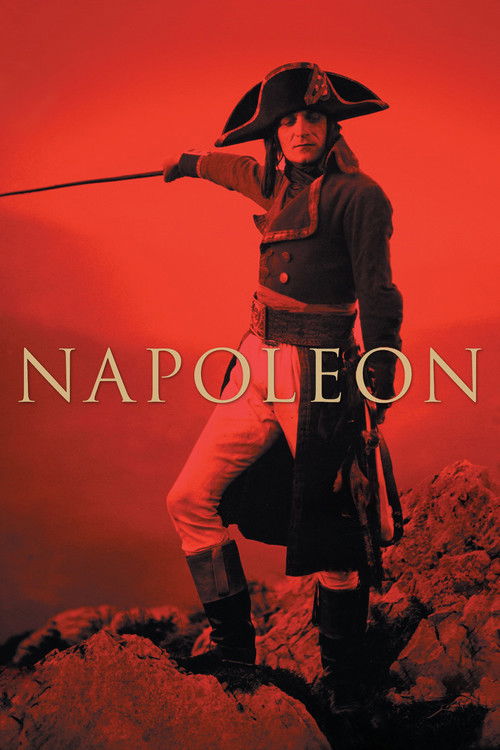
Napoleon
1927 · 5h 30m
country: France
A biopic of Napoleon Bonaparte, tracing the Corsican's career from his schooldays (where a snowball fight is staged like a military campaign) to his flight from Corsica, through the French Revolution (where a real storm is intercut with a political storm) and the Terror, culminating in his triumphant invasion of Italy in 1797.
TMDB3.1
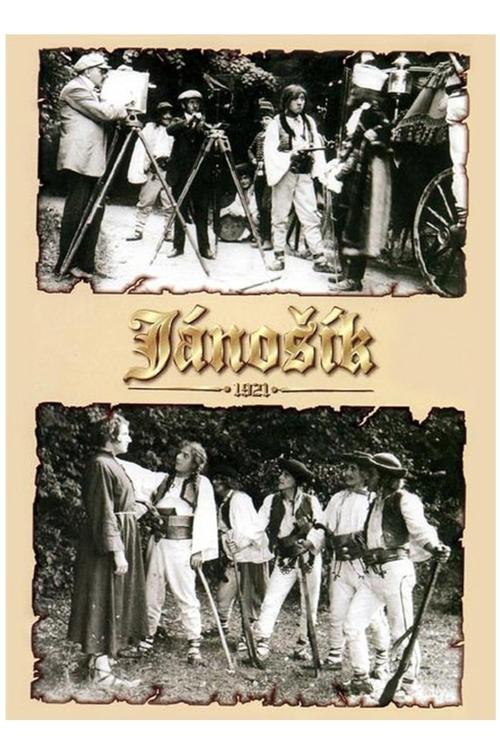
Jánošík
1921 · 1h 8m
country: Czechoslovakia
Janosík, a friar retrained as a bandit, becomes the farmers' symbol of resistance and fight against the feudal conditions.
TMDB3.5
Flanders under Philip II
1923 · 1h 55m
country: Belgium
Concepcion de la Playa Setta, an Andalusian noblewoman, the daughter of the provost marshall of Flanders, is in love with the Duke Philippe de Hornes. He is a Brussels gentleman in revolt against her people, the Spanish occupiers. When her rebellious lover is hurt during an uprising against the troops of Philip II, Concepcion takes him in in her house. And she personally defends him when, at his trial. Condemned to be hanged through the intervention of the Duke of Alba, de Hornes is eventually reprieved by the new governor and set free. The two lovers meet again and can live happily from now on.
TMDB3.2
The King of Kings
1927 · 2h 35m
country: United States
The King of Kings is the Greatest Story Ever Told as only Cecil B. DeMille could tell it. In 1927, working with one of the biggest budgets in Hollywood history, DeMille spun the life and Passion of Christ into a silent-era blockbuster. Featuring text drawn directly from the Bible, a cast of thousands, and the great showman’s singular cinematic bag of tricks, The King of Kings is at once spectacular and deeply reverent—part Gospel, part Technicolor epic.
TMDB3.5
The Wonderful Lies of Nina Petrovna
1929 · 1h 20m
country: Germany
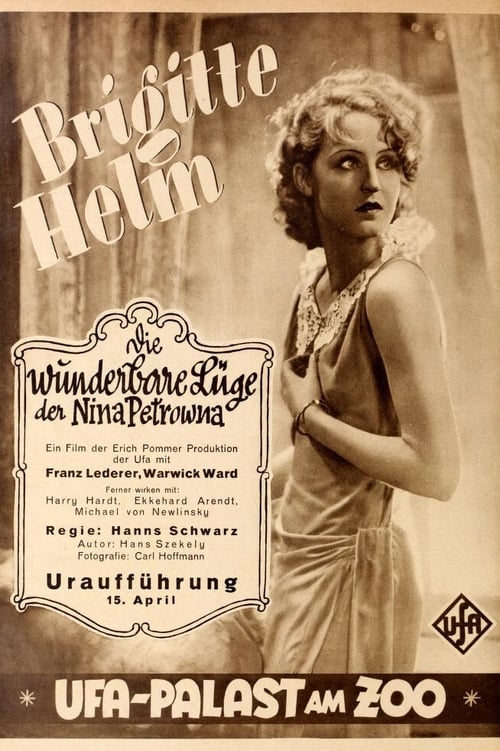
This silent-screen classic, like many others produced near the end of the silent era, was both a theatrical extravaganza boasting an original orchestral score and an item which languished in obscurity for many years. When Carlo Piccardi took what was left of the score by Maurice Jaubert and re-created it, the existing footage was restored and paired with a new orchestral performance which was shown in Paris in 1988. The film's story concerns the travails of a woman who has been living quite comfortably as the mistress of a colonel in the Tsar's army in Russia. However, she eventually encounters a penniless young lieutenant and falls madly in love with him, as he does with her. Despite her best intentions of remaining with the colonel, and his intention to avoid trouble with his fellow soldiers, they cannot forswear this relationship, and tragedy is the inevitable result. The title refers to a moving incident in the story, and translates as "the wonderful lie of Nina Petrovna."
TMDB3.2
Les Misérables
1925 · 5h 59m
country: France
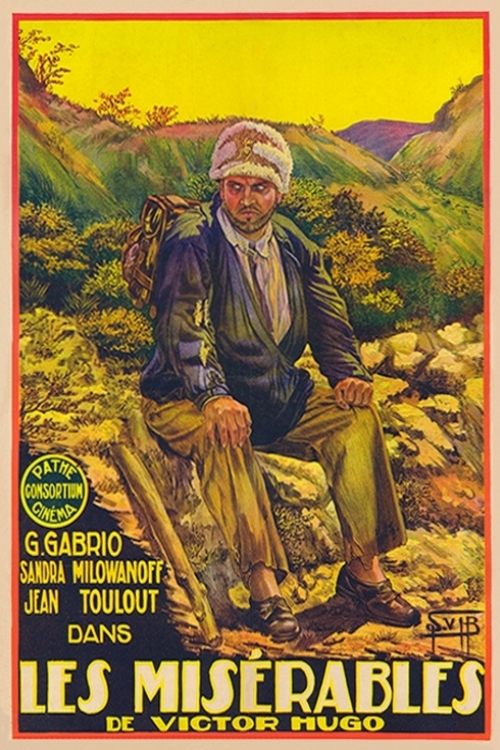
In 19th century France, Jean Valjean, a man imprisoned for stealing bread, must flee a relentless policeman named Javert. The pursuit consumes both men's lives, and soon Valjean finds himself in the midst of the student revolutions in France.
TMDB3.6
The Parson's Widow
1920 · 1h 33m
country: Sweden
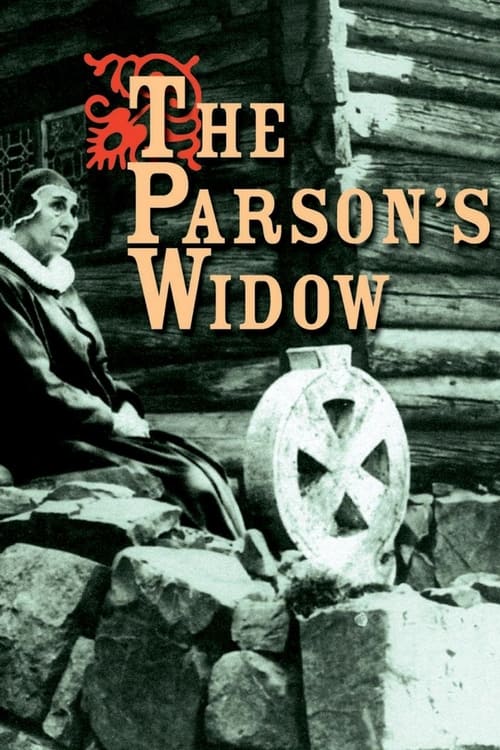
A newly elected village parson is required to marry his predecessor's widow. However, he's already married, and the woman is old enough to be his grandmother.
TMDB4.5
Cardigan
1922 · 1h 10m
country: Unknown
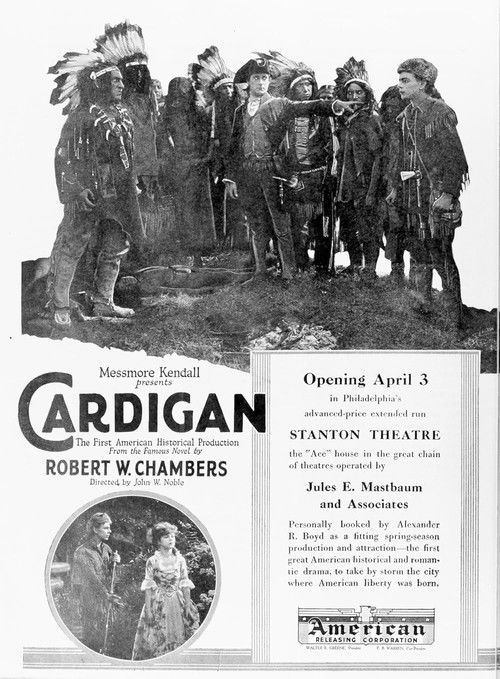
Michael Cardigan is an American patriot in the months before the American Revolution. He fights to broker a peace deal between settlers and the Cayuga tribe and almost loses his life in the process. Despite the fact that he loves Silver Heels, the ward of the British governor, Michael joins with the famed Minute Men to plot revolution and, he hopes, a free American nation.
TMDB5.0
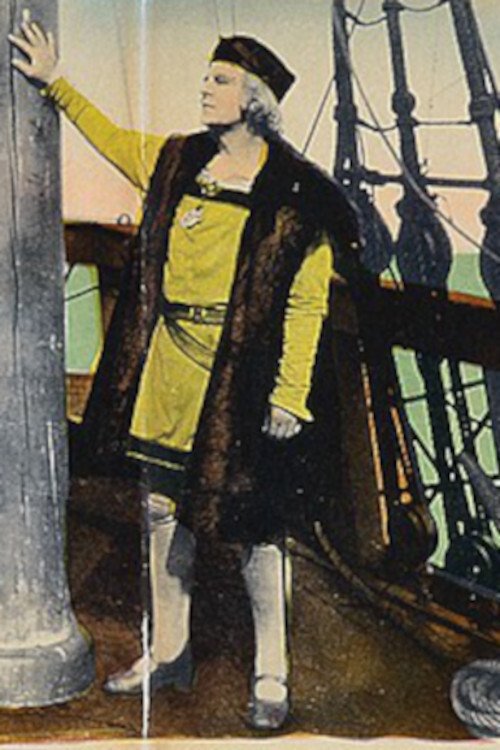
Christopher Columbus
1923
country: United States
Everyone knows what happened after he "discovered" America, but in this film we learn about Columbus' multi-year struggle to secure funding for the journey. Prior explorers journey's to the North American continent also get a nod in this story.
TMDB4.5
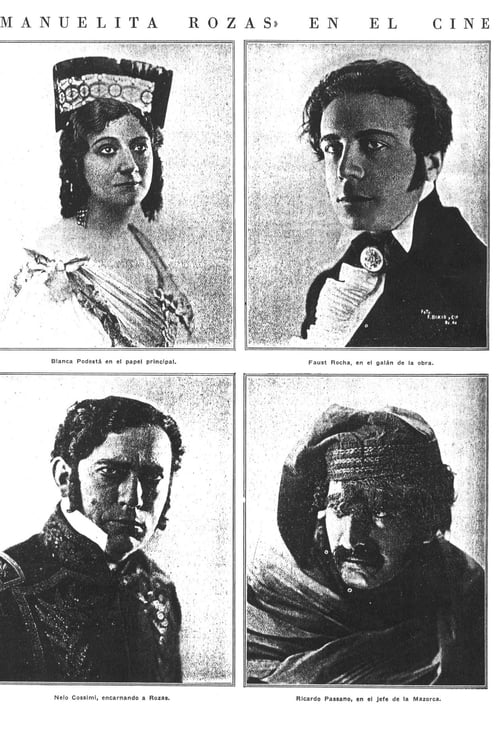
Manuelita Rosas
1925 · 56m
country: Argentina
The life and times of Manuelita Rosas.
TMDB3.2
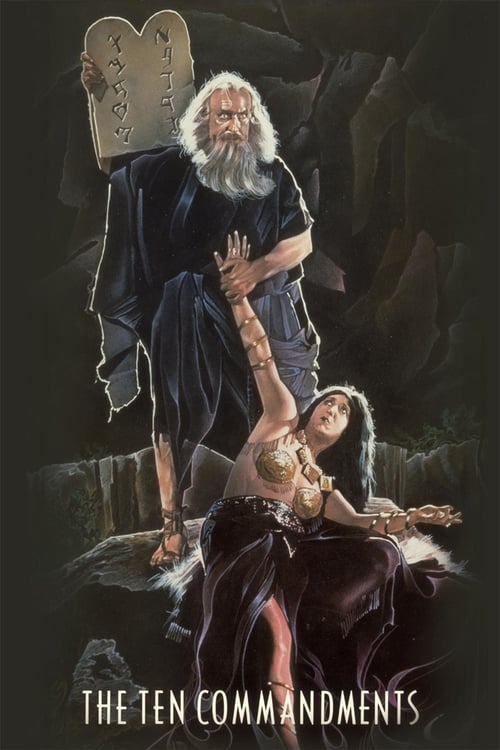
The Ten Commandments
1923 · 2h 16m
country: United States
The first part tells the story of Moses leading the Jews from Egypt to the Promised Land, his receipt of the tablets and the worship of the golden calf. The second part shows the efficacy of the commandments in modern life through a story set in San Francisco. Two brothers, rivals for the love of Mary, also come into conflict when John discovers Dan used shoddy materials to construct a cathedral.
TMDB2.8
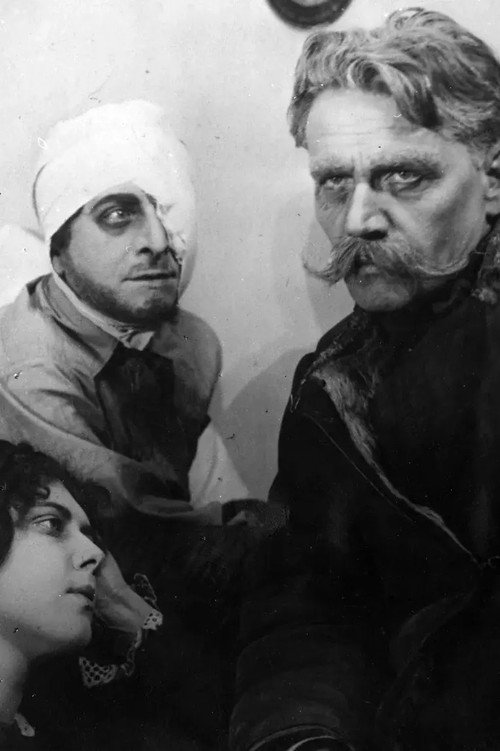
Year 1863
1922 · 1h 33m
country: Poland
A Polish silent film from 1922, it was the first adaptation of Stefan Żeromski's 1912 novel "The Faithful River." The film's central theme is the love story of Prince Odrowąż, a wounded insurgent, and Salomea, and the fateful intervention of the prince's mother. The plot is complemented by allegorical tableaux vivants by Artur Grottger from the "Polonia" and "Lithuania" series. The final scene depicts a group of veterans of the January Uprising in independent Poland.
TMDB3.1
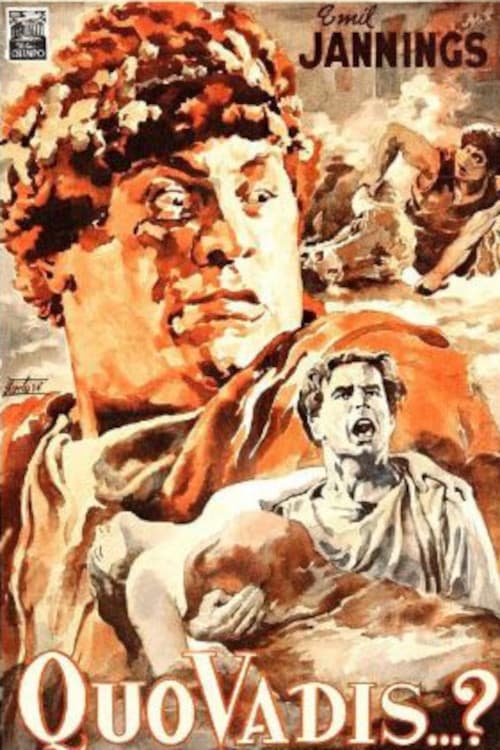
Quo Vadis?
1924 · 2h 17m
country: Germany
"The Roman Banquet, the golden glories, the unrivaled luxuries, the wine, the dance, the song, the beautiful women, the sumptuous splendors that taxed a barbaric world for a night of feasting and revel-- Re-created for your entertainment in the most colossal drama produced", reads an ad in the Daily Argus of New York. Unione Cinematografica Italiana's lavish production of the oft-told tale stars Emil Jannings as Nero.
TMDB3.4
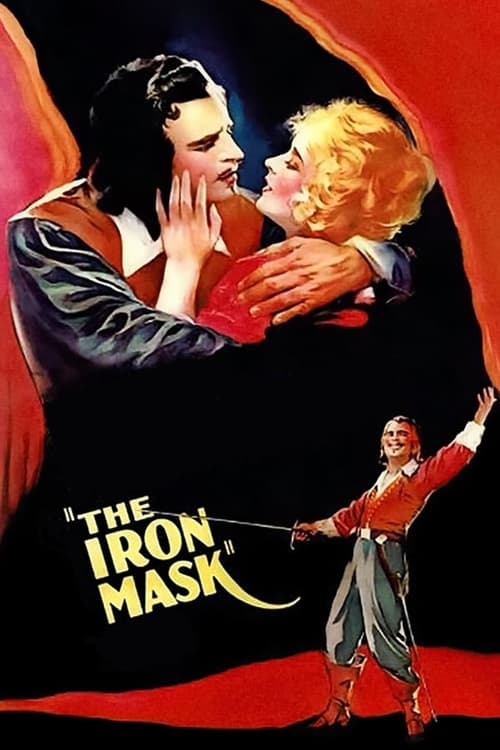
The Iron Mask
1929 · 1h 43m
country: United States
King Louis XIII of France is thrilled to have born to him a son - an heir to the throne. But when the queen delivers a twin, Cardinal Richelieu sees the second son as a potential for revolution, and has him sent off to Spain to be raised in secret to ensure a peaceful future for France. Alas, keeping the secret means sending Constance, lover of D'Artagnan, off to a convent. D'Artagnan hears of this and rallies the Musketeers in a bid to rescue her. Unfortunately, Richelieu out-smarts the Musketeers and banishes them forever.
TMDB5.0
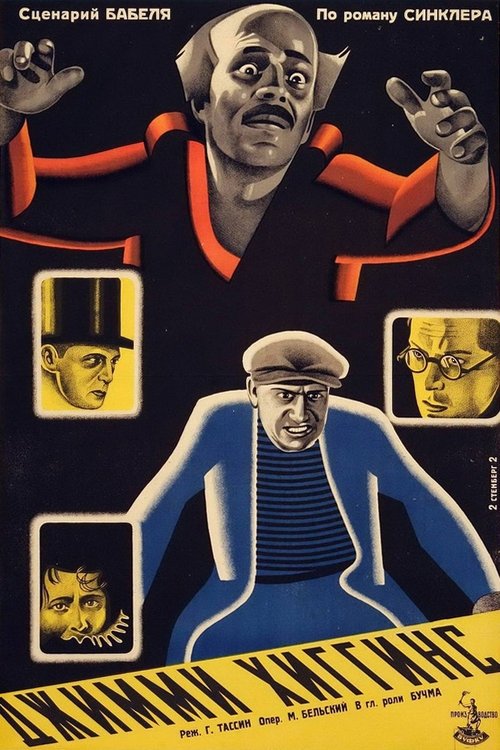
Jimmy Higgings
1928
country: Soviet Union
Jimmy Higgings is a worker of the plant making weapons for the Tsarist Russia and the German Empire. During World War I, Jimmy speaks at a spontaneous rally against the war. He is arrested. When released, he becomes unemployed. He is happy to hear the news about the revolution; he volunteers into the American expeditionary force thinking that having the weapons he can fight against Germans – the enemies of the Russian revolution. However, finding himself in Russia, Jimmy soon realises that the expeditionary force of American volunteers fights not against the Germans, but against the young Socialist Russia. Without any hesitations, he takes the path of revolutionary struggle, he spreads propaganda among the American soldiers and distributes Bolshevik leaflets. Captured by the American military police, Jimmy Higgings does not betray his friends. He is sentenced to twenty years in a military prison. Jimmy cannot stand it and loses his mind. Lost movie.
TMDB2.6
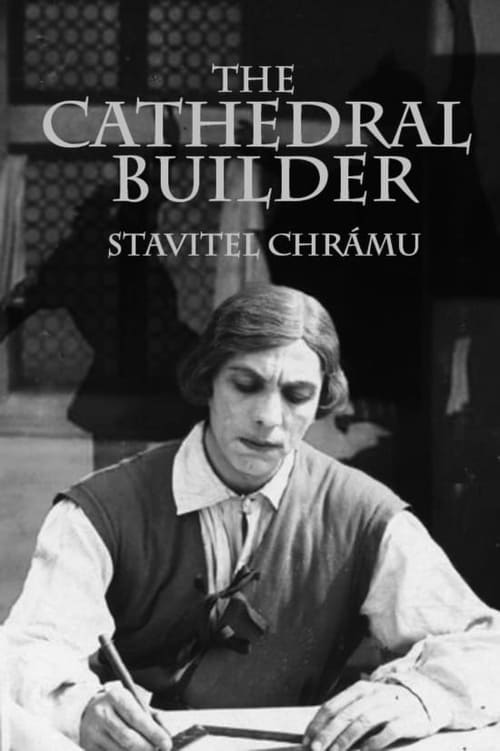
The Cathedral Builder
1920 · 38m
country: Czechoslovakia
The story of the legendary architect Petr Parléř, who is charged by the king Charles IV with the task of building a Gothic cathedral in Prague.
TMDB2.4
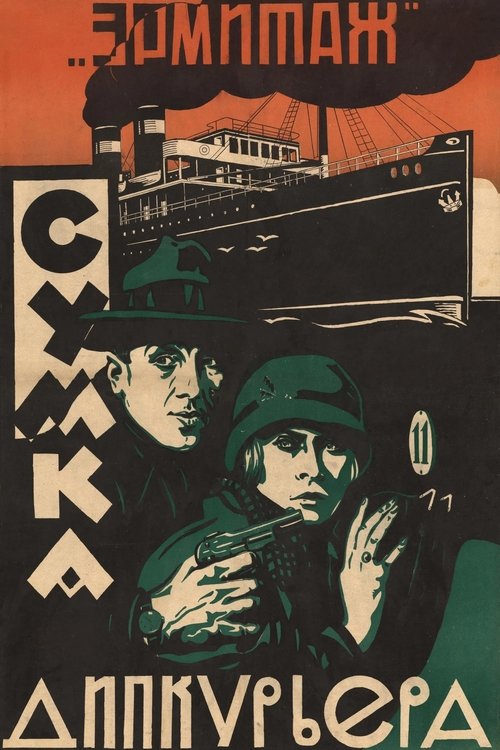
The Diplomatic Pouch
1927 · 1h 12m
country: Soviet Union
The Soviet embassy in England sends two couriers with diplomatic mail to Leningrad. The inspector of security police, White, and a group of policemen attack the Soviet diplomatic couriers at night. The documents get to an English trackman, who gives them to his son, a sailor in Portsmouth.

TMDB3.5
Madame Récamier
1928 · 2h 24m
country: France
The film displays Madame Récamier 's conflict with Napoleon. Twice she was pressed to become one of the Empress's ladies. In revenge for her refusal Napoleon declined to save her husband from ruin.

TMDB3.3
Romola
1924 · 1h 46m
country: United States
In Renaissance Florence, a Florentine trader meets a shipwrecked stranger, who introduces himself as Tito Melema, a young Italianate-Greek scholar. Tito becomes acquainted with several other Florentines, including Nello the barber and a young girl named Tessa. He is also introduced to a blind scholar named Bardo de' Bardi, and his daughter Romola. As Tito becomes settled in Florence, assisting Bardo with classical studies, he falls in love with Romola.
TMDB3.2
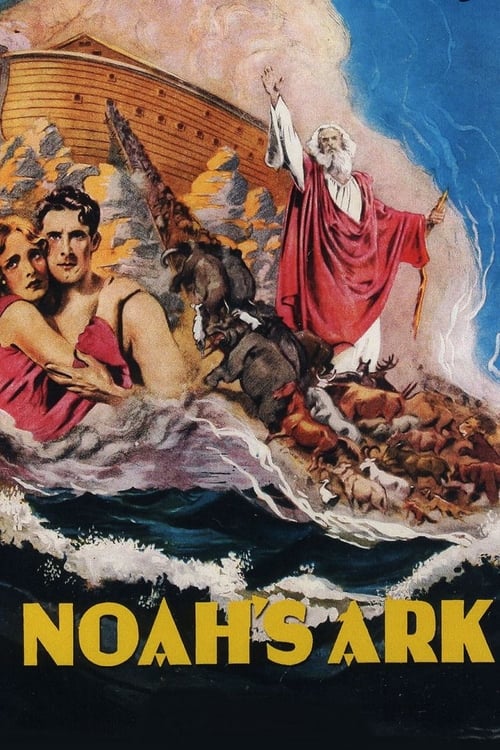
Noah's Ark
1928 · 2h 15m
country: United States
The Biblical story of Noah and the Great Flood, with a parallel story of soldiers in the First World War.
TMDB3.2
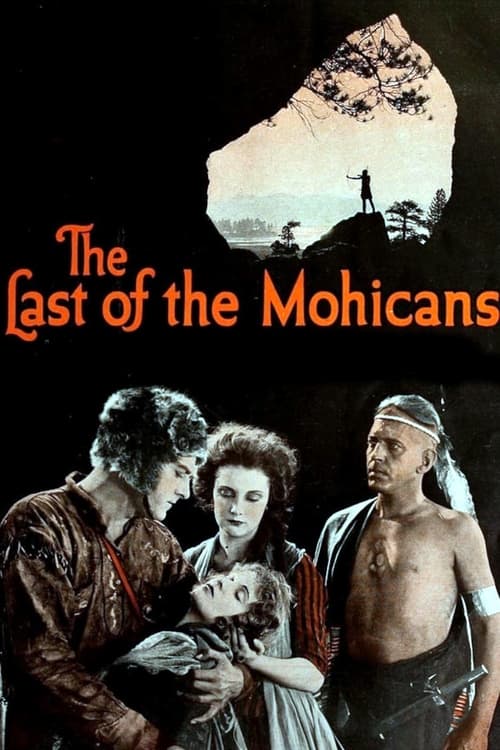
The Last of the Mohicans
1920 · 1h 13m
country: United States
As Alice and Cora Munro attempt to find their father, a British officer in the French and Indian War, they are set upon by French soldiers and their cohorts, Huron tribesmen led by the evil Magua. Fighting to rescue the women are Chingachgook and his son Uncas, the last of the Mohican tribe, and their white ally, the frontiersman Natty Bumppo, known as Hawkeye.
TMDB2.0
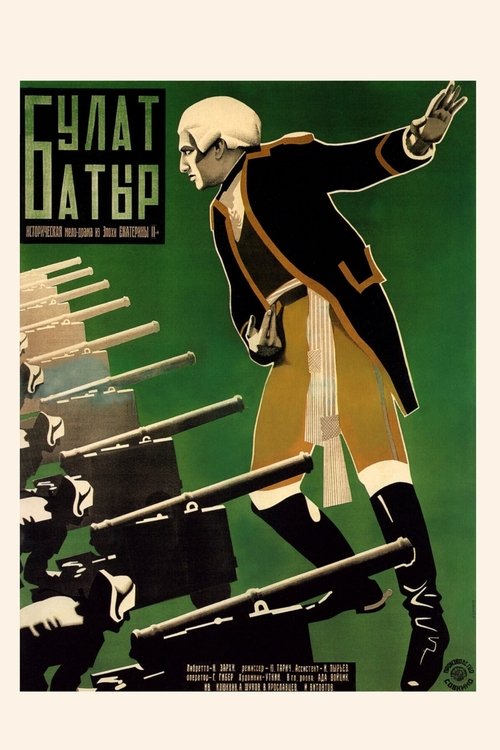
Bulat-Batyr
1928
country: Soviet Union
In a small Tatar village during the traditional holiday of the beginning of plowing, monks appear accompanied by soldiers. Trying to convert the local population to Orthodoxy by force, the monks and soldiers meet a tough rebuff from the locals. The wife of the peasant Bulat dies, and his son Asfan is taken away in an unknown direction.
TMDB4.0
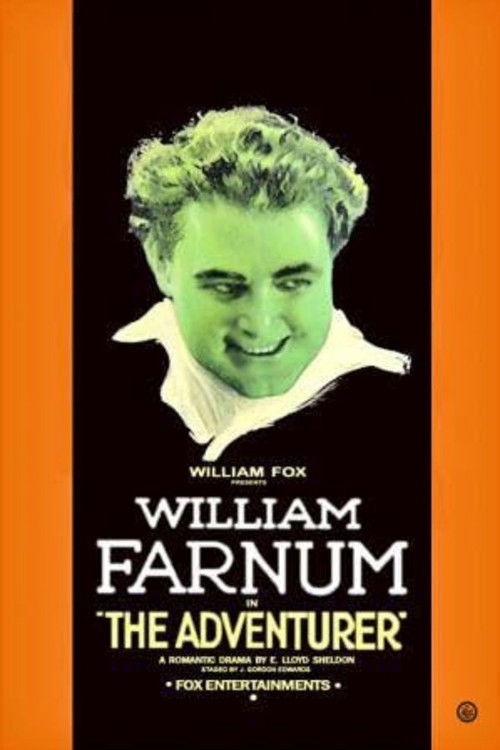
The Adventurer
1920 · 1h
country: United States
Don Caesar de Bazan, a reckless nobleman, falls for Maritana, a gypsy dancing girl. When Maritana is insulted by a drunk, Don Caesar wins her love by coming to her rescue. The two go to Madrid, where the girl is summoned to dance before the Queen. Maritana also attracts the attention of King Charles. Don Jose, the prime minister, who secretly loves the Queen, plots to get Maritana for the King. To do this, he schemes to have Maritana marry a nobleman so she can enter the King's court.
TMDB3.0
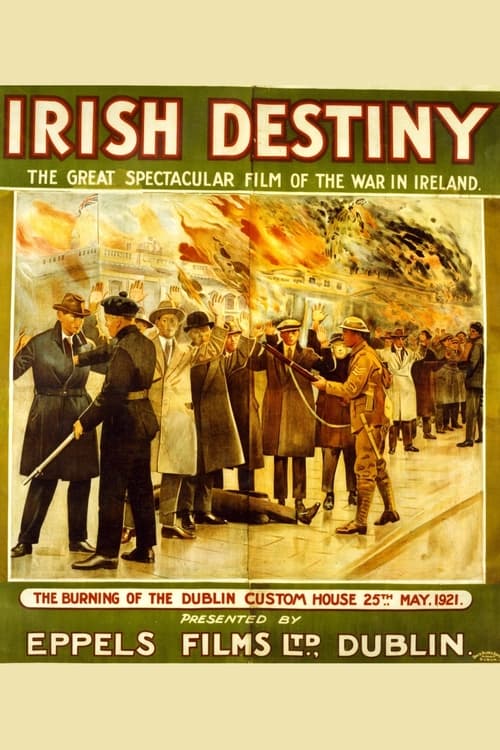
Irish Destiny
1926 · 1h 13m
country: Ireland
An IRA man races to Dublin to warn his colleagues of a forthcoming raid, but he is captured by British forces.
Violettes impériales
TMDB5.0
Violettes impériales
1923 · 2h
country: France
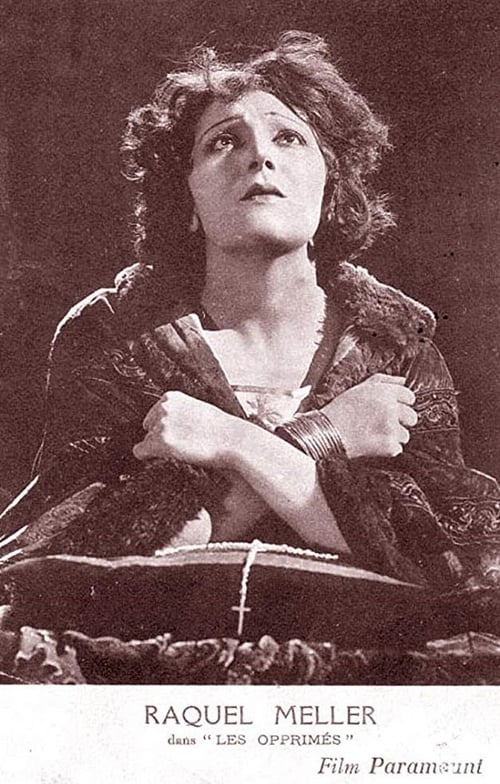
This historical melodrama (later remade by Henry Roussel himself in 1932 and Richard Pottier in 1952) set during the reign of Napoleon III of France. Here, Raquel Meller plays a Spanish flower girl who saves the life of the French empress Eugenie de Montijo (played by Suzanne Blanchetti), by taking her place in her carriage. When the carriage is overthrown by the anarchist's bomb, the girl survives because of the masses of violets in the imperial carriage, the empress' favorite flowers.
TMDB3.4
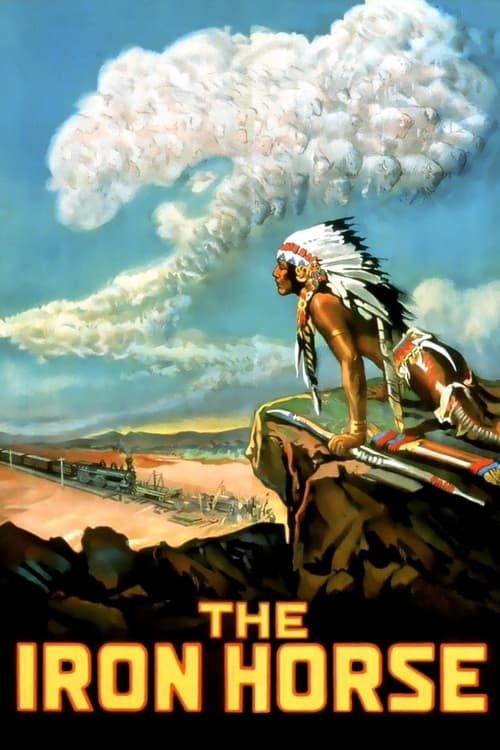
The Iron Horse
1925 · 2h 29m
country: United States
Brandon, a surveyor, dreams of building a railway to the west. He sets off with his son, Davy, to survey a route. They discover a new pass which will shave 200 miles off the expected distance, but they are set upon by a party of Cheyenne. One of them, a white renegade with only two fingers on his right hand, kills Brandon and scalps him. Davy is all alone now.
TMDB3.5
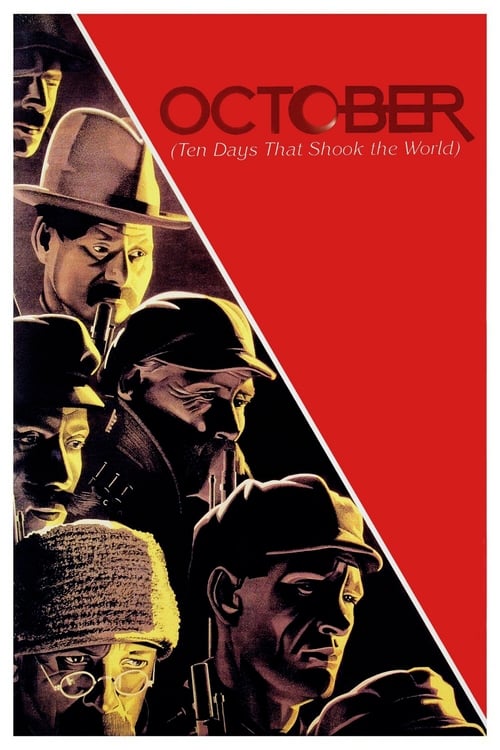
October (Ten Days that Shook the World)
1928 · 1h 55m
country: Soviet Union
Sergei M. Eisenstein's docu-drama about the 1917 October Revolution in Russia. Made ten years after the events and edited in Eisenstein's 'Soviet Montage' style, it re-enacts in celebratory terms several key scenes from the revolution.
TMDB3.7
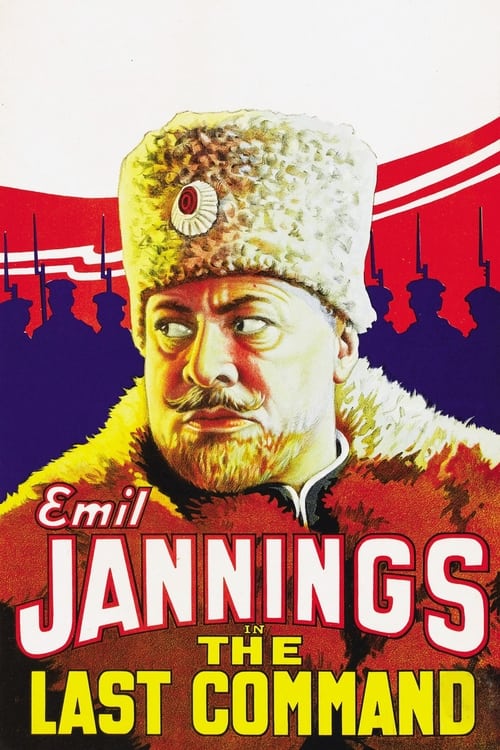
The Last Command
1928 · 1h 28m
country: United States
A former Imperial Russian general and cousin of the Czar ends up in Hollywood as an extra in a movie directed by a former revolutionary.

TMDB2.9
The Patriot
1928 · 1h 53m
country: United States
In 18th-Century Russia, the Czar, Paul, is surrounded by murderous plots and trusts only Count Pahlen. Pahlen wishes to protect his friend, the mad king, but because of the horror of the king's acts, he feels that he must remove him from the throne.
TMDB2.9
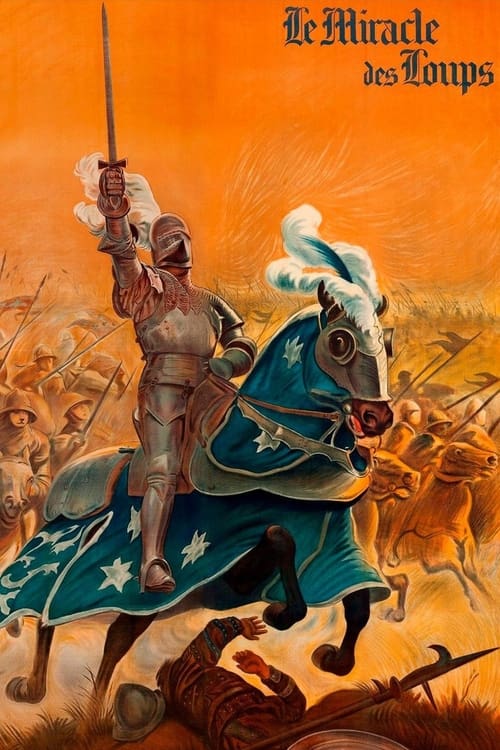
Miracle of the Wolves
1924 · 2h 12m
country: France
King Louis XI tries to unify France by all means fair or foul, which does not please his powerful rival Charles the Bold. It is against this troubled backdrop that the loves of the daughter of a wealthy bourgeois and the king's god-daughter Jeanne Fouquet and knight Robert Cottereau unfurl in spite of all the obstacles in their way. One of these being a pack of hungry wolves trying to stop Jeanne from carrying out an important mission assigned to her by the king himself.
TMDB3.5
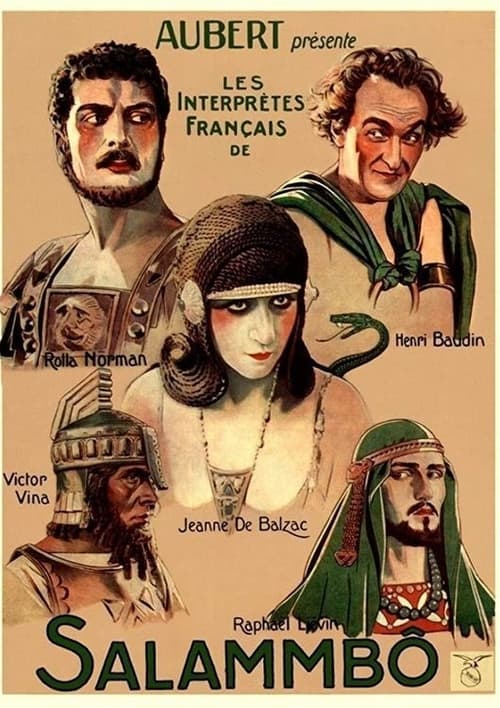
Salammbô
1926 · 2h 5m
country: Austria
Based on the historical novel by Flaubert, "Salammbo" tells the story of the Mercenary War between Carthage and the Barbarians in the third century BC.

TMDB3.1
When a Man Loves
1927 · 1h 51m
country: United States
A nobleman studying for the priesthood abandons his vocation in 18th Century France when he falls in love with a beautiful, but reluctant, courtesan.
Excellency Petticoat
TMDB4.0
Excellency Petticoat
1921
country: Germany
No overview available
TMDB3.2
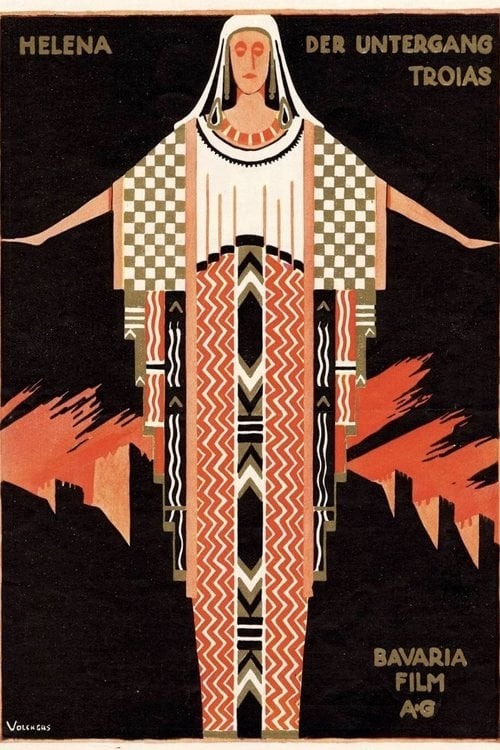
Helen of Troy
1924 · 3h 24m
country: Germany
Helena is a 1924 German silent drama film directed by Manfred Noa and starring Edy Darclea, Vladimir Gajdarov and Albert Steinrück. The film was based on the poem the Iliad by Homer. It was released in two separate parts: The Rape of Helen and The Fall of Troy. It was produced by Bavaria Film at the Emelka Studios in Munich. The film was made on an epic scale with thousands of extras, and large sets which rivalled those of the larger Berlin-based UFA.
TMDB2.8
The Ship
1921 · 1h 26m
country: Italy
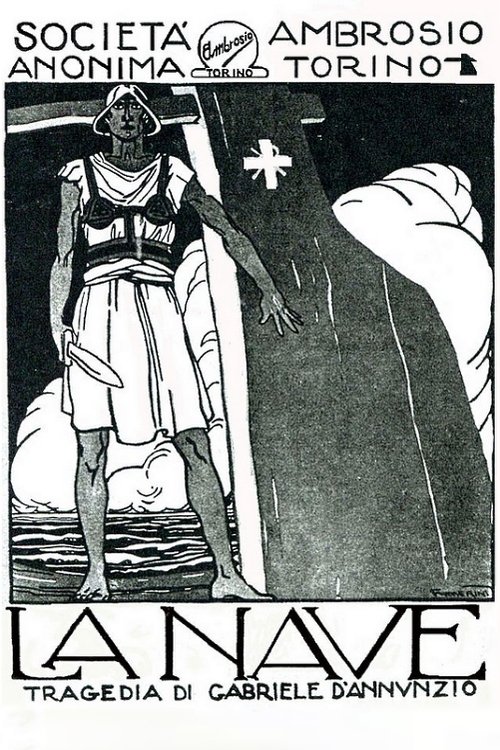
The newly-settled city of Venice in the Sixth Century AD: A wandering people struggle to establish Christian Theocracy. Basiliola Faledro, an exotic dancer, wicked and cunning, arrives from faraway lands seeking to avenge her pagan lineage; Her father and brothers blinded and humilated by frenzied zealots. Her primary targets are the brothers Gràtico, both newly-elected to positions of power: One, Marco, an arbiter and tribune, the other, Sergio, a bishop. The title refers to a bold pronouncement made by Deaconess Ema Gràtico to her subjects the Venetians, a seafaring and desperate tribe-- That their native homeland is aboard a ship.
TMDB4.0
Frate Francesco
1927 · 1h 25m
country: Italy
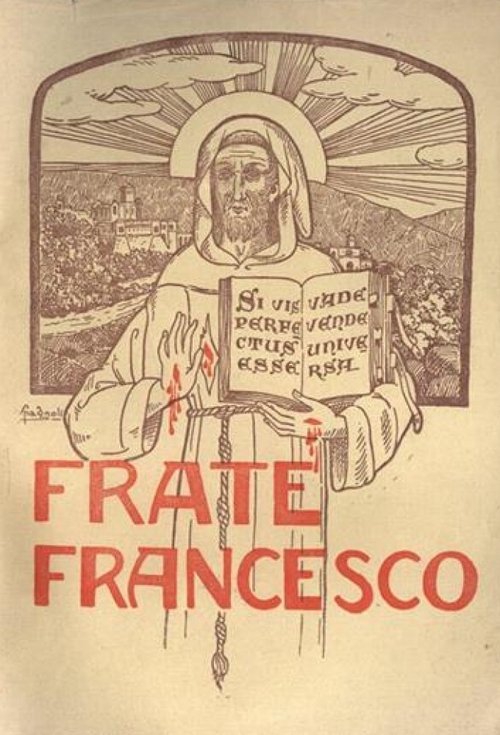
Frate Francesco/The Passion of St. Francis (1927) aka Santo Francesco was the third Italian film on the life of Saint Francis of Assisi. St. Francis, or Santo Francesco in Italian, was played by Alberto Pasquali, and the film was directed by Giulio Antamoro.
About 1920s History Movies
The 1920s
The 1920s were silent cinema's artistic peak, when directors had perfected a purely visual storytelling language just as sound arrived to displace it. German Expressionism and Soviet montage both date from here.
History
Historical films reconstruct the past, whether faithfully or as deliberate myth-making. The genre attracts big budgets and big performances, and it reveals as much about the era that produced the film as the one on screen.
In this list
- Best reviewed
- The Passion of Joan of Arc (8.0)
- Often also
- Drama, War, Romance
Common questions
- What are the best 1920s history movies?
- By popularity across Flickfolio and TMDB, the top picks right now are The Passion of Joan of Arc, Battleship Potemkin, and Häxan. The full ranked list of 40 sits above — open any movie for ratings, reviews, and streaming availability.
- How is this list ranked?
- 1920s history movies are ordered by overall popularity, which blends how often a title is viewed, searched, and logged. It updates as viewing habits shift, so the list reflects what people are actually watching rather than a fixed critical canon.
- Where can I watch these movies?
- Every movie page lists current streaming, rental, and purchase options for your region, alongside community ratings and reviews from Flickfolio members.