1940s Japanese Movies
The 40 most popular 1940s japanese movies, ranked. Click any film for ratings, reviews, trailers, and where to watch.
40films
2rated by members
Top ratedStray Dog5.0
TMDB4.0
FF4.0
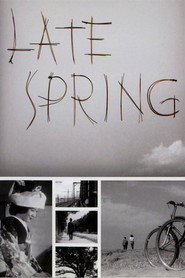
Late Spring
1949 · 1h 48m · JP
Noriko is perfectly happy living at home with her widowed father, Shukichi, and has no plans to marry -- that is, until her aunt Masa convinces Shukichi that unless he marries off his 27-year-old daughter soon, she will likely remain alone for the rest of her life. When Noriko resists Masa's matchmaking, Shukichi is forced to deceive his daughter and sacrifice his own happiness to do what he believes is right.
TMDB3.8
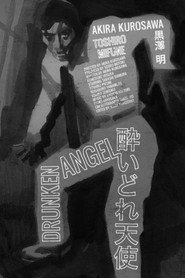
Drunken Angel
1948 · 1h 38m · JP
In postwar Tokyo, a blunt, alcohol-soaked doctor diagnoses a swaggering young yakuza with tuberculosis, forging an uneasy bond that’s tested when the gangster’s ruthless former boss returns and drags him back toward the swampy underworld he can’t escape.
TMDB3.8
FF5.0
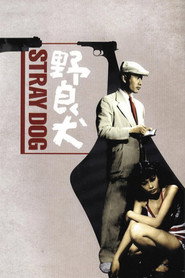
Stray Dog
1949 · 2h 2m · JP
A bad day gets worse for young detective Murakami when a pickpocket steals his gun on a hot, crowded bus. Desperate to right the wrong, he goes undercover, scavenging Tokyo’s sweltering streets for the stray dog whose desperation has led him to a life of crime. With each step, cop and criminal’s lives become more intertwined and the investigation becomes an examination of Murakami’s own dark side.
TMDB3.7
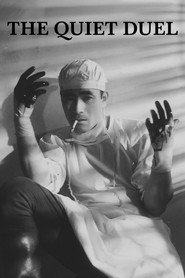
The Quiet Duel
1949 · 1h 35m · JP
A young army surgeon, Kyoji Fujisaki, accidentally contracts syphilis during a WWII field operation. Back at his father’s clinic, he treats himself in secret and breaks off his engagement rather than risk his fiancée’s future, even as he confronts the irresponsible patient who infected him—testing his ethics, pride, and capacity for sacrifice.
TMDB3.3
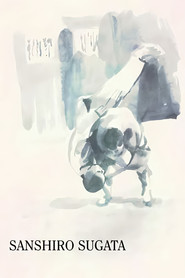
Sanshiro Sugata
1943 · 1h 37m · JP
A hotheaded youth in 1880s Meiji Japan apprentices to judo master Shōgorō Yano, trading brute jujutsu bravado for discipline and humility. As Sanshirō matures, he proves judo’s spirit against old-guard challengers—including a deadly duel—while falling for his vanquished opponent’s daughter. Based on the novel by Tsuneo Tomita, son of Tomita Tsunejirō, the earliest disciple of judo.
Cherry Blossom: Spring Fantasy
TMDB3.0
Cherry Blossom: Spring Fantasy
1946 · 8m · JP
A visually artistic animation with no real story. It follows a pair of butterflies as they drift past various beautiful depictions of people and animals.
TMDB3.0
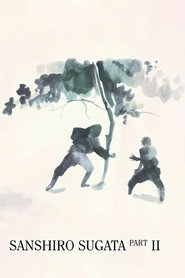
Sanshiro Sugata, Part Two
1945 · 1h 23m · JP
A few years after his breakthrough, Sanshiro resumes his path to judo mastery—testing his discipline against an American prizefighter and later facing vengeful karate brothers. As rival schools and public spectacle push him toward violence, he must reconcile strength with restraint and the true spirit of his art.
TMDB3.6
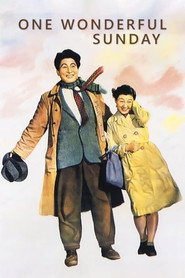
One Wonderful Sunday
1947 · 1h 48m · JP
Two broke sweethearts wander war-scarred Tokyo on a single Sunday, stretching 35 yen as they chase housing, small pleasures, and a little hope.
TMDB3.5
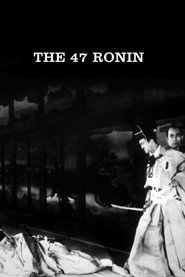
The 47 Ronin
1941 · 3h 43m · JP
In the early 18th-century, Lord Takumi-no-kami Asano, feuding with Lord Kira, tries to kill his opponent in the corridors of the Shogun's palace. The Shogun sentences Asano to seppuku and deprives the palace and lands from his clan, but does not punish Kira. Asano's vassals leave the land and his samurais become ronin and want to seek revenge against the Lord's dishonour. But their leader Kuranosuke Oishi seeks to restore the Asano clan with his brother Daigaku Asano. One year later, the Shogun refuses, and Oishi and 46 rōnin are out for revenge.
TMDB3.1
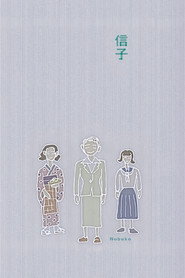
Nobuko
1940 · 1h 30m · JP
A spirited young teacher challenges the conservative school employing her with liberal thinking and teaching methods.
TMDB3.5
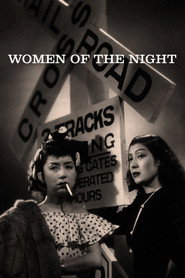
Women of the Night
1948 · 1h 14m · JP
In early post-war Osaka, three women—war widow Fusako, her Korean expat sister Natsuko, and Kumiko, Fusako's sister-in-law—descend into prostitution, all for their individual reasons.
TMDB3.5
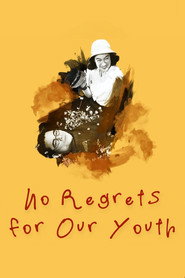
No Regrets for Our Youth
1946 · 1h 51m · JP
After her anti-fascist professor father is dismissed, Yukie navigates love, political repression, and wartime upheaval—ultimately forging her own path in pre- and post-WWII Japan.
TMDB3.5
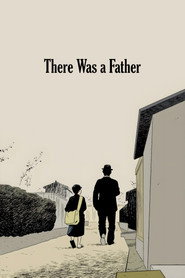
There Was a Father
1942 · 1h 33m · JP
Shuhei Horikawa, a poor schoolteacher, struggles to raise his son Ryohei by himself, despite neither money nor prospects.
TMDB3.5
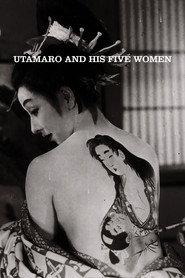
Utamaro and His Five Women
1946 · 1h 34m · JP
Utamaro, a great artist, lives to create portraits of beautiful women, and the Tokyo brothels provide his models. A world of passion swirls around him, as the women vie for lovers, and, occasionally, his art gets him into trouble.
The Lazy Fox
TMDB3.8
The Lazy Fox
1941 · 11m · JP
In spring, the fox is busy partying. On the other hand, the diligent raccoon dog family works hard in the fields even in the hot summer and are ready for the fall harvest. The fox makes fun of the raccoon dog family sweating as they carry their crops and steals a rabbit’s food in front of the raccoon dogs. When cold winter comes, the raccoon dog family enjoy themselves around a fire, but the fox wanders in the snow searching for food. The fox works out a plan to rob the raccoon dogs of the stock of food in their warehouse by starting a phantom fire. The fox changes into the shape of a truck and gets away with the food, but a raccoon dog turns into a sleigh and chases it. A battle of transformation between the fox and raccoon dogs starts in the air. One raccoon dog, reduced to one wing is facing a tough fight, but his family helps him with an anti-aircraft gun and finally fights off the fox.
TMDB3.0
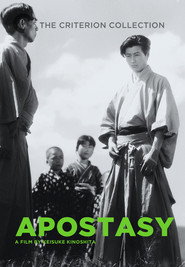
Apostasy
1948 · 1h 39m · JP
In the Meiji period, a schoolteacher tries to hide his lower-class upbringing as he supports a visiting liberal intellectual.
TMDB3.5
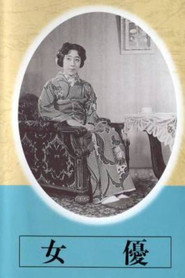
Actress
1947 · 1h 56m · JP
During the late Meiji period, at the beginning of the twentieth century, Sumako, a country girl, becomes a great actress with the help of Hogetsu, a scholar who brought European realism to the Japanese stage. The relationship leads to the end of his marriage and the breakup of his Arts Society.
TMDB3.5
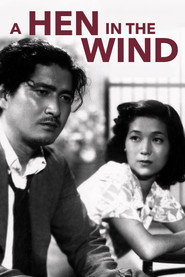
A Hen in the Wind
1948 · 1h 24m · JP
Tokiko patiently awaits her husband's return from WWII when her four-year old son falls ill. She takes him to the doctor but has no means of paying, so she resorts to prostitution. A month later, her husband returns to find his desperate wife, who tells him the truth. Together, they must deal with the consequences.
TMDB3.6
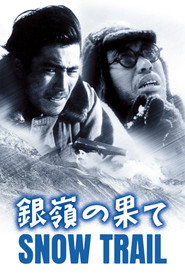
Snow Trail
1947 · 1h 29m · JP
Three bank robbers, Eijima, Nojiri, and Takasugi, flee the police and escape into the mountains. At an inn high in the Japanese Alps, Eijima and Nojiri encounter a young woman and her father, as well as Honda, a mountaineer. The inn folk do not realize their guests are wanted criminals and the visitors are treated with great kindness. Honda volunteers to lead them over the mountains, but Eijima's paranoia endangers all of them as they make the perilous trip.
TMDB3.4
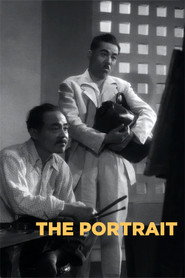
The Portrait
1948 · 1h 13m · JP
The mistress of a crook real estate broker comes to terms with her soulless existence after an artist paints her portrait.
TMDB4.0
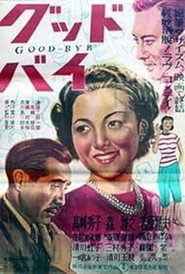
Good-Bye!
1949 · 1h 9m · JP
No overview available
TMDB2.8
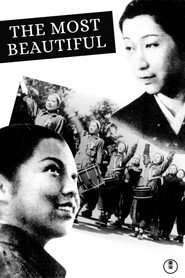
The Most Beautiful
1944 · 1h 25m · JP
Young women at a precision optics factory in wartime Japan push to exceed production quotas, enduring illness, injury, and personal hardship to “serve the country.” Led by Tsuru Watanabe, they fight fatigue and setbacks to keep their line moving—even when duty collides with grief.
TMDB2.9
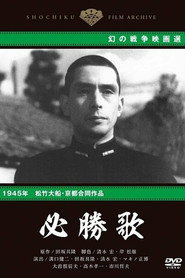
Victory Song
1945 · 1h 20m · JP
An anthology of thirteen patriotic stories about Japanese citizens contributing to the war effort.
TMDB3.4
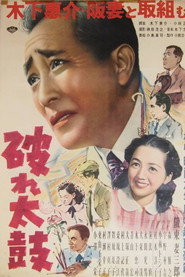
Broken Drum
1949 · 1h 48m · JP
When the future of his construction company falls into danger, a controlling father pushes his children into unsatisfying marriages and careers in order to regain financial stability.
TMDB5.0
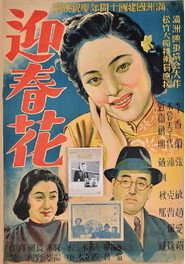
Winter Jasmine
1942 · 1h 14m · JP
An inept and recently graduated Japanese man begins working in the administration of Manchuria, under the supervision of his uncle. Meanwhile, he becomes acquainted with both a Japanese and Manchurian woman.
TMDB3.2
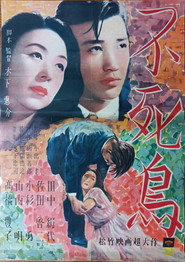
Phoenix
1947 · 1h 22m · JP
A Japanese war widow recalls her love affair with her deceased husband.
TMDB3.2
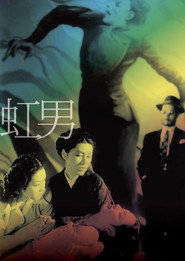
The Rainbow Man
1949 · 1h 21m · JP
When a young woman is named as the prime suspect in a murder, her girlfriend and her girlfriend's boyfriend set out to prove her innocence. Their investigation leads them to an isolated, creepy house in the middle of nowhere, where sinister goings-on abound.
TMDB3.9
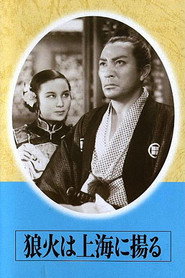
Signal Fires of Shanghai
1944 · 1h 7m · JP
During the Taiping Rebellion of the mid-19th century, anti-Qing (Manchu) Chinese forces led by Taiping commander Li Xiucheng march on Shanghai. Although the Western powers are officially neutral, the British consul in Shanghai sides with the Qing imperial government, and counter to his own government's policy he retains American adventurer Frederick Townsend Ward to raise a mercenary force of foreigners in Shanghai and oppose the Taipings. Ward's force is routed, with heavy casualties, but since many of the casualties are British, the British army soon is drawn in on the side of the Qings. The only support for the Chinese comes from Japanese in Shanghai and anti-imperialist demonstrations in Japan. A family drama plays out against this historical background. After a Chinese home is destroyed by careless British shelling, killing the father and crippling a daughter, the surviving son vows revenge but begins to see that his true friends may be the Japanese.
TMDB3.6
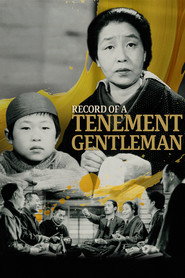
Record of a Tenement Gentleman
1947 · 1h 12m · JP
A hard-hearted old woman in a bombed-out Tokyo neighborhood reluctantly takes in an abandoned boy, leading to a heartwarming bond between them.
TMDB3.8
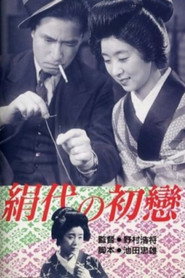
Kinuyo's First Love
1940 · 1h 22m · JP
Kinuyo is a daughter of rice cracker shop in downtown. She fell in love with her sister's boyfriend. It is a story whose theme is warm human relationships in a town of customs and manners.
TMDB5.0
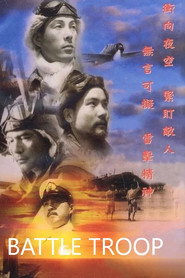
Battle Troop
1944 · 1h 35m · JP
Three IJN flyers Mikami (Susumu Fujita), Kawakami (Masayuki Mori) and Murakami (Akitake Kono) are good friends, and they are all renowned for their torpedo techniques. Mikami is posted as a staff officer at a base on an island in the Pacific. Kawakami and Murakami later joins him as the base squardron is reinforced. The enemy task force approaches the island and all three of them attack the fleet, killing themselves in the process.
TMDB3.7
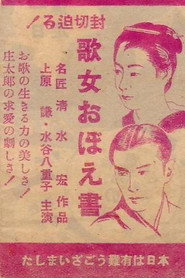
Notes of an Itinerant Performer
1941 · 1h 38m · JP
Uta’s mother died when she was six years old; her father she never met. She was forced to adopt a traveller’s life when her grandmother died, and now she is a dancer and part of a family of actors who travel from town to town, setting up street performances. A way of escape from this marginal existence arises when she gets the chance to move to tea merchant Hiramatsu’s place, where she is asked to teach his daughter to dance.
TMDB3.7
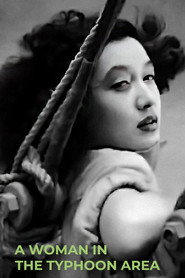
A Woman in the Typhoon Area
1948 · 1h 8m · JP
Four unlucky pirates head to a weather tracking station set on a remote island with the intention of holding the weather trackers as hostages and assaulting their next incoming supply ship; but at the station they are told that a serious typhoon is on the way, so the ship will be delayed.
TMDB4.0
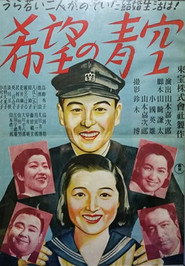
Sky of Hope
1942 · 1h 35m · JP
What is marriage? Young couple in match-making wanted to know before they decide. They visited married couples of sisters and brothers. Love comedy in 1942.
TMDB3.5
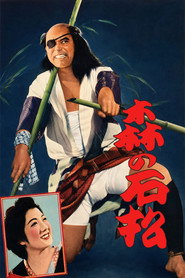
Ishimatsu of the Forest
1949 · 1h 37m · JP
The tale of a feudal swordsman who cynically takes no responsibility for anything, relegating it to others, and then taking the credit.
TMDB5.0
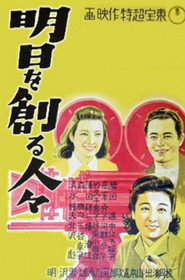
Those Who Make Tomorrow
1946 · 1h 22m · JP
In postwar Japan, two sisters—a film studio script girl and a revue dancer—become swept up in the growing labor movement when workers around them strike for better conditions. As their conservative father opposes their activism, his own dismissal forces him to confront the realities of class struggle and join their fight for a fairer future. Now considered a lost film, Those Who Make Tomorrow was produced by Toho to promote unionization during Japan’s Allied Occupation.
TMDB3.4
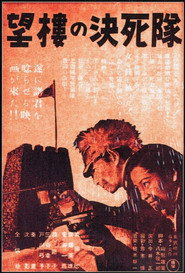
Suicide Troops of the Watchtower
1943 · 1h 35m · JP
Stalwart soldiers of the Japanese Empire – Japanese and Korean alike – stand in defense of a military outpost threatened by "bandits."
TMDB5.0
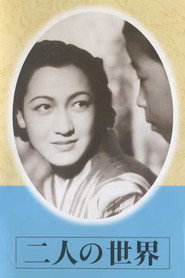
A World of Two
1940 · 1h 20m · JP
No overview available
TMDB5.0
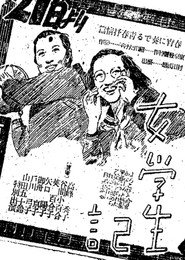
Schoolgirl Records
1941 · 1h 16m · JP
A "slice-of life" film about a group of high school girls in 1940s Japan.
TMDB3.3
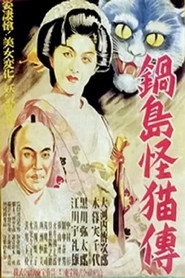
Ghost Cat of Nabeshima
1949 · 1h 23m · JP
Tanuma Kandayuu is a high class samurai of the house of Nabeshima. He finds a lavish board of Go (a Chinese Board game) at Kinbei's store. He recommend Kinbei to offer it to his lord. Kinbei hesitates at first, since he knows the board has a mysterious legend surrounding it; it's believed that for every game played on the board, one death is required.
About 1940s Japanese Movies
The 1940s
1940s cinema is split by the war: propaganda and home-front melodrama, then the darker, more cynical film noir that followed. Italian neorealism emerged from the rubble at the decade's end.
Japanese cinema
Japanese cinema gave the world Kurosawa's samurai epics, Ozu's domestic dramas, Godzilla and the kaiju film, and the J-horror wave that Hollywood spent the 2000s remaking. It also sustains the most developed animation industry on earth.
In this list
- Best reviewed
- Late Spring (8.0)
- Most common genres
- Drama, Crime, Romance
Common questions
- What are the best 1940s Japanese movies?
- By popularity across Flickfolio and TMDB, the top picks right now are Late Spring, Drunken Angel, and Stray Dog. The full ranked list of 40 sits above — open any movie for ratings, reviews, and streaming availability.
- How is this list ranked?
- 1940s Japanese movies are ordered by overall popularity, which blends how often a title is viewed, searched, and logged. It updates as viewing habits shift, so the list reflects what people are actually watching rather than a fixed critical canon.
- Where can I watch these movies?
- Every movie page lists current streaming, rental, and purchase options for your region, alongside community ratings and reviews from Flickfolio members.