1980s Documentary Movies
The 40 most popular 1980s documentary movies, ranked. Click any film for ratings, reviews, trailers, and where to watch.
TMDB4.5
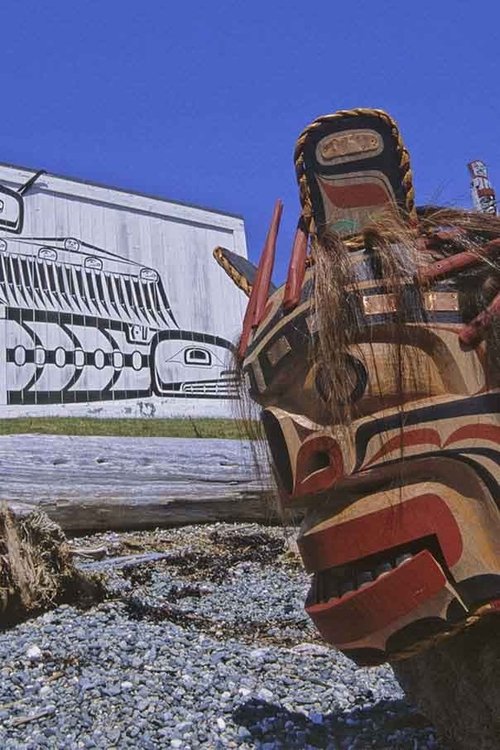
Box of Treasures
1983 · 28m
country: Canada
In 1921 the Kwakiut'l people of Alert Bay, British Columbia, held their last secret potlatch. In 1980 at Alert Bay, the U'mista Cultural Centre (U'mista means "something of great value that has come back") opened its doors to receive and house the cultural treasures which were seized decades earlier and only then returned to the people. The center also took up activities such as recording stories told by elders so that some part of the past would always be alive and teaching children about their heritage in order to make them feel connected to their ancestors. This film documents the cultural significance of these events for today's Kwakiut'l people. It is an eloquent testimony to the persistence and complexity of Kwakiut'l society and to the struggle for redefining cultural identity for them.
TMDB4.2
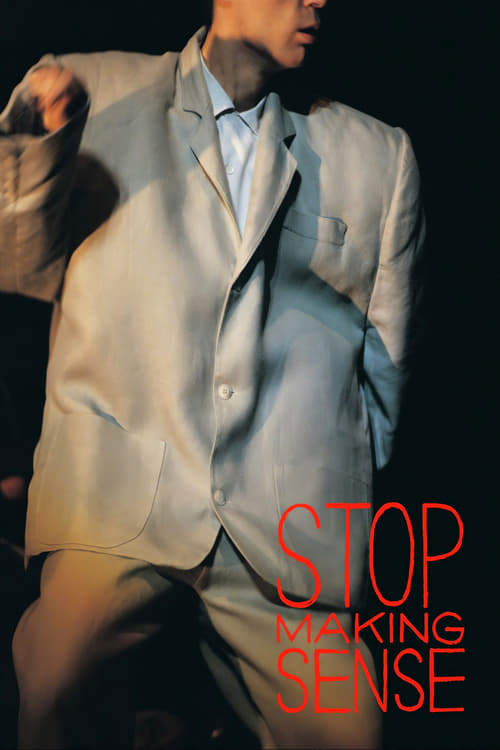
Stop Making Sense
1984 · 1h 28m
country: United States
A concert film documenting Talking Heads at the height of their popularity, on tour for their 1983 album "Speaking in Tongues." The band takes the stage one by one and is joined by a cadre of guest musicians for a career-spanning and cinematic performance that features creative choreography and visuals.
TMDB3.4
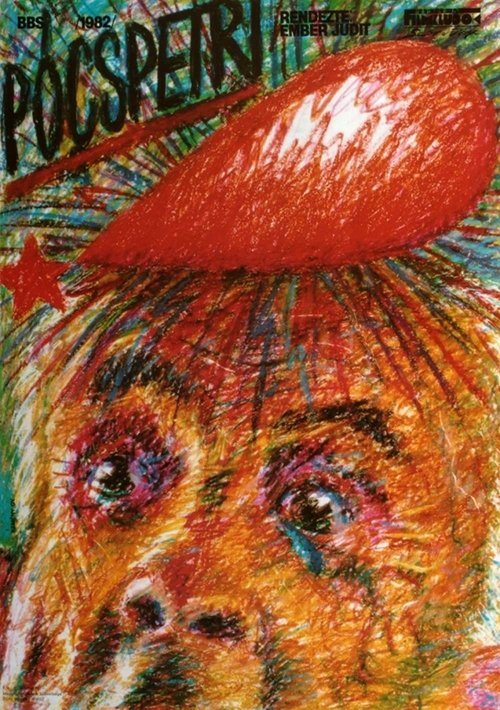
Pócspetri
1983 · 3h 10m
country: Hungary
In 1948, when schools were nationalized, a policeman was killed in Pócspetri. The authorities accused the whole village and instigated a hearing. Now the people of the village tell us all about the events of the past.
TMDB3.9
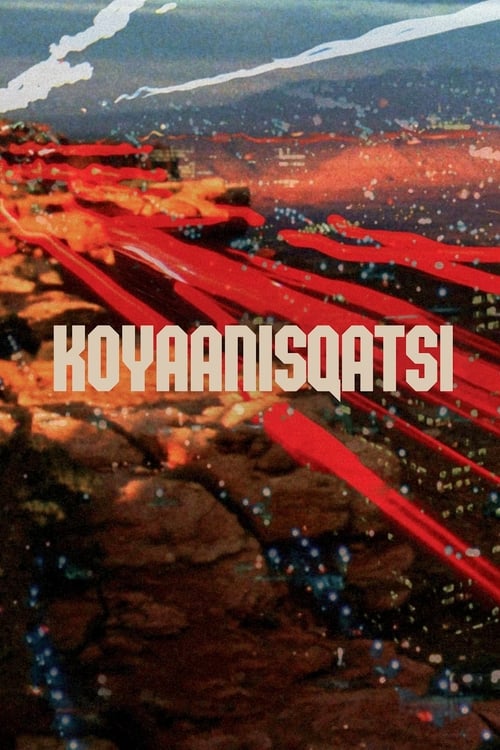
Koyaanisqatsi
1983 · 1h 26m
country: United States
Takes us to locations all around the US and shows us the heavy toll that modern technology is having on humans and the earth. The visual tone poem contains neither dialogue nor a vocalized narration: its tone is set by the juxtaposition of images and the exceptional music by Philip Glass.
TMDB5.0
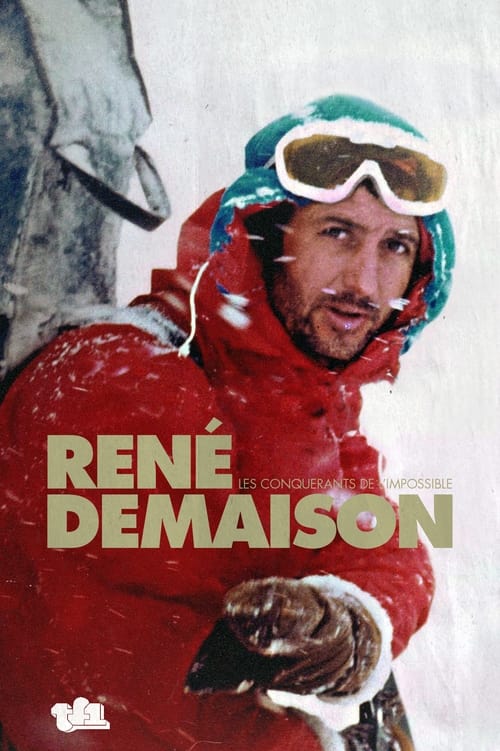
Les Conquérants de l'impossible - Portrait de René Desmaison
1985 · 52m
country: France
This episode is part of the series "The Conquerors of the Impossible (2/3)". From the 1950s to the 1980s, René Desmaison achieved a large number of "firsts". A specialist in normal routes (west face of Les Drus, Pilier du Freyney, Shroud...), he experienced a tragedy at the Grandes Jorasses, where his exceptional resistance allowed him to survive against all logic. He is the first to claim the practice of the mountain as a high level sport. A man of contrasts, his apparent strength hides great shyness and an unalterable enthusiasm despite the years. Beyond mountaineering, it is the spirit of adventure that has always inhabited him. A whole life devoted to mountaineering.

TMDB4.2
We Are the World: The Story Behind the Song
1985 · 52m
country: United States
We Are the World: The Story Behind the Song is a documentary which examines how the song was written, how producer Quincy Jones and songwriters Michael Jackson and Lionel Richie persuaded some of the most popular performers in America to donate their services to the project, and offers a behind-the-scenes look at the marathon recording session that produced the single.
TMDB3.4
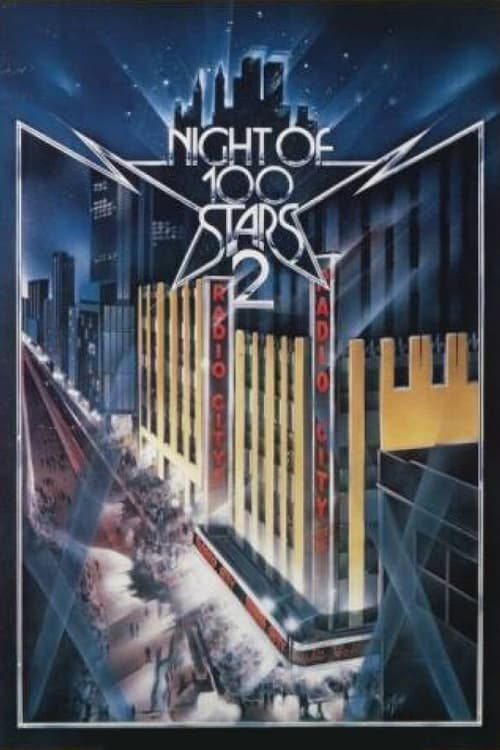
Night of 100 Stars II
1985 · 3h
country: United States
This special is the second "Night of 100 Stars" to benefit The Actors Fund of America. Edited from a seven-hour live entertainment marathon that was taped February 17, 1985, at New York's Radio City Music Hall, this sequel to the 1982 "Night of 100 Stars" special features 288 celebrities.
TMDB3.3
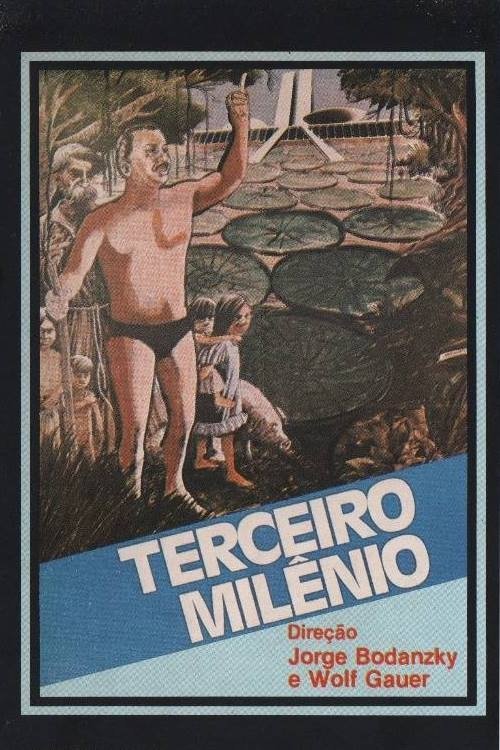
Terceiro Milênio
1981 · 1h 34m
country: Germany
August, 1980. Evandro Carreira, a Brazilian senator leaves his party's office in Manaus to visit his constituents in the state of Amazonas. Interviews with farmhands, loggers, explorer Paulo Lucena, Brazilian and Peruvian Indians and a representative of the National Indian Foundation (Funai) were recorded from the city of Benjamin Constant to the village of Cavalo Cocho. A visit to the indigenous village of the Ticunas and the lands of the Maiuruna people culminate with an interview and the actions of José Francisco da Cruz, a member of the Order of the Holy Cross. Throughout the trip, the economic potential of the Amazon and its problems (corruption in the indigenous policies and the pollution produced by factories) are shown.
TMDB4.3
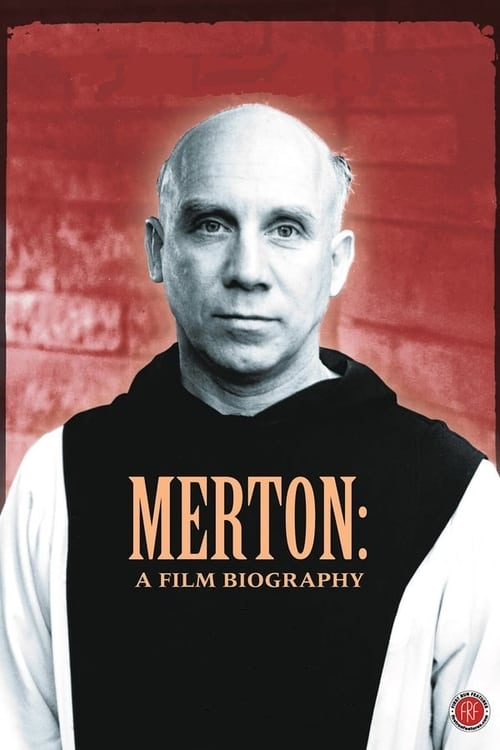
Merton: A Film Biography
1984 · 57m
country: Unknown
In his lifetime, Thomas Merton was hailed as a prophet and censured for his outspoken social criticism. For nearly 27 years he was a monk of the austere Trappist order, where he became an eloquent spiritual writer and mystic as well as an anti-war advocate and witness to peace. Merton: A Film Biography provides the first comprehensive look at this remarkable 20th century religious philosopher who wrote, in addition to his immensely popular autobiography The Seven Storey Mountain, over 60 books on some of the most pressing social issues of our time, some of which are excerpted here. Merton offers an engaging profile of a man whose presence in the world touched millions of people and whose words and thoughts continue to have a profound impact and relevance today.
On Probation
TMDB3.5
On Probation
1983 · 1h 49m
country: Hungary
János Kitka Jr, first seen in Schiffer's documentary 'Black Train' a decade earlier, is now 17 and is just released from a youth detention centre. He returns to his village and is put in the care of a probation officer. However, his family doesn't seem to help his situation, but rather makes him run away from home.

TMDB3.6
First Contact
1982 · 58m
country: Australia
"First Contact" is a 1983 documentary by Bob Connolly and Robin Anderson which recounts the discovery of a flourishing native population in the interior highlands of New Guinea in 1930 in what had been thought to be an uninhabited area. It is based on the book of the same name by the same authors. Inhabitants of the region and surviving members of the Leahy brothers' gold prospecting party recount their astonishment at this unforeseen meeting. The film includes still photographs taken by a member of the expedition and contemporary footage of the island's terrain. It was nominated for an Academy Award for Best Documentary Feature.

TMDB3.0
Happy 100th Birthday, Hollywood
1987 · 2h
country: United States
A TV special on the 100th anniversary of the birth of film.

TMDB3.0
Arab Camera
1987 · 1h 5m
country: Tunisia
Focusing on key Arab films produced in the last 20 years. Férid Boughedir traces the development of the film-makers' concern to produce more socially aware cinema. Themes include the issue of Palestinian homeland rights and the nature of Arab identity. The film-makers also share a desire to develop a strong poetic tradition.
TMDB3.5
Ganga
1985 · 2h 30m
country: France
The second entry in Velu Viswanadhan's series of experimental documentaries. This film traces the Ganges river upstream.
TMDB3.0
Radio Belén
1983 · 12m
country: Peru
A documentary short about a town floating on a river in Iquitos, Peru.

TMDB3.0
Buñuel
1984 · 1h 20m
country: Spain
Completed a year after his death in 1983, this program presents the definitive biography of Spain’s renowned Surrealist film maker and iconoclast, Luis Buñuel. Using photographs, film excerpts, and numerous interviews with Bunuel, the video chronicles his early friendships with Salvador Dalí and Federico García Lorca, the stormy reactions to many of his groundbreaking films, and the influence he has had on international cinema. Among those interviewed are directors Federico Fellini, John Huston, and Jose L. Saenz De Heredia; Buñuel’s wife, Jeanne Rucar, and son Juan; actor Francisco Rabal; and Octavio Paz.
TMDB5.0
Faces Nord
1987 · 26m
country: France
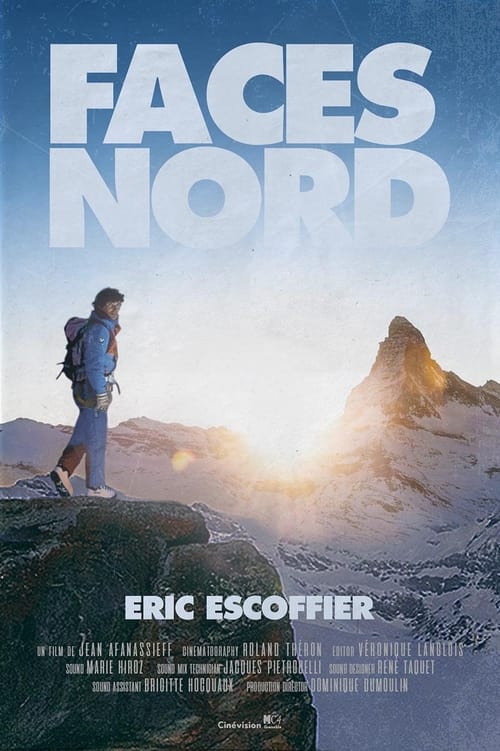
March 12, 1987. The young French mountaineer Eric Escoffier prepares his equipment, very reduced in material and food. He leaves the next day and intends to chain three north faces in the Alps: Eiger, Matterhorn and Grandes Jorasses. The ascent of the first summit, the Eiger is slow, difficult and full of pitfalls. It takes 17 hours to reach it. Without recognizing the terrain -he prefers to improvise- the mountaineer continues through the Matterhorn. When night falls, anxiety is felt on Zermatt's side. Help is organized to pick him up. Despite his refusal to return, Escoffier is finally hoisted. Christophe Profit, a few hours earlier, managed the chain of three summits.
TMDB4.3
Ôrí
1989 · 1h 40m
country: Brazil
A look at the Brazilian black movement between 1977 and 1988, going by the relationship between Brazil and Africa.
TMDB3.6
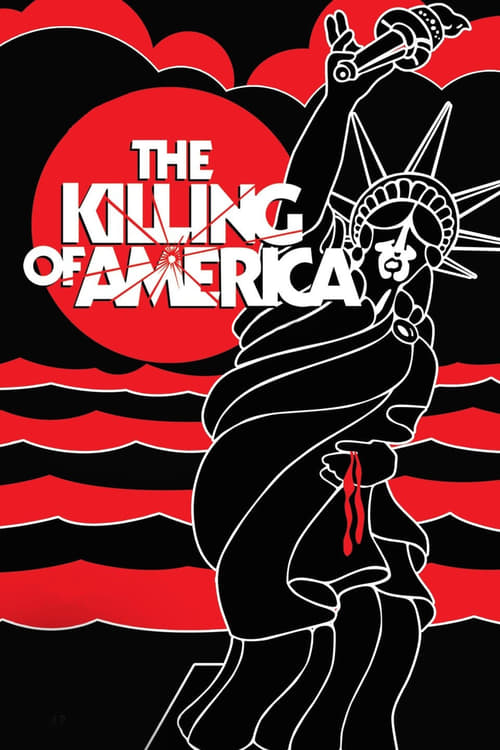
The Killing of America
1981 · 1h 35m
country: Japan
A documentary of the decline of America, composed of archival material and exclusive footage, carnage, madness, and mayhem with an unapologetic sincerity on the factual depiction of violence in the industrialized nation of the United States. Featuring a juxtaposition of detailed accounts of terrible acts, brutal behavior, and interviews from experts and convicted killers alike.
TMDB4.0
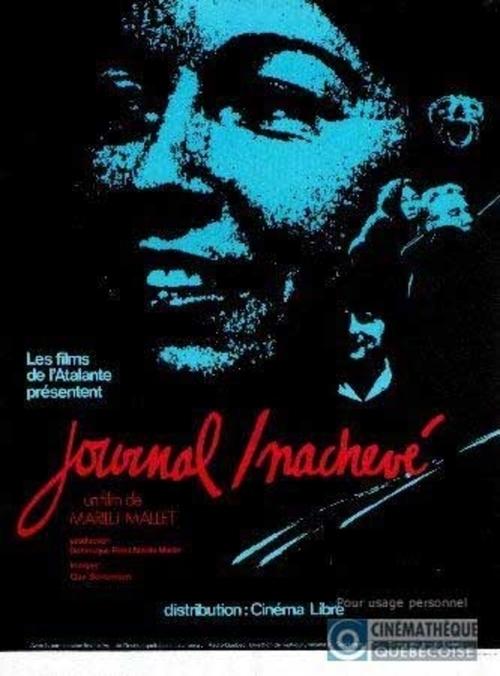
Unfinished Diary
1982 · 48m
country: Canada
In this heartwarming docudrama, Chilean immigrant Marilú Mallet strives to make a film about her experience of deep isolation. Her English-speaking husband, a prominent film director, criticizes her subjective approach to filmmaking; her young son, raised in Quebec, speaks only French. Interviews with Isabel Allende and other Chilean exiles reveal a deep bond in this powerful and resonant film about language and genre, exile and immigration.
TMDB3.8
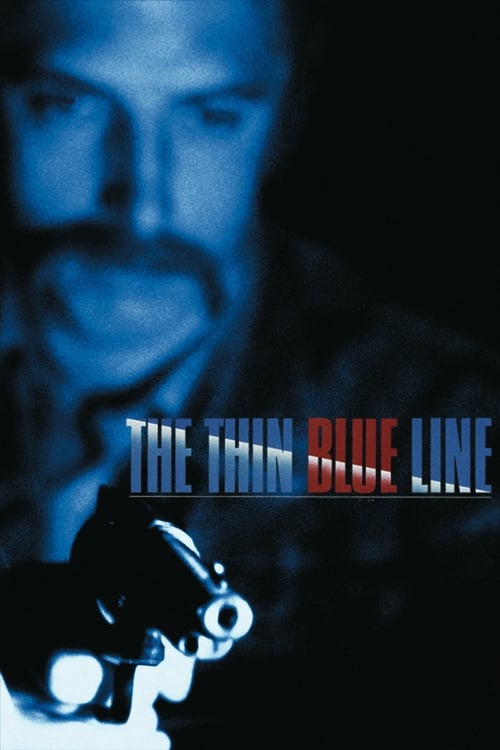
The Thin Blue Line
1988 · 1h 43m
country: United States
An unorthodox investigation into the wrongful conviction of Randall Dale Adams for the 1976 murder of Dallas police officer Robert Wood. Using stylized reenactments and interviews with key figures, conflicting testimonies and evidence are presented to argue that Adams was framed by a corrupt justice system, ultimately leading to his exoneration.
TMDB4.0
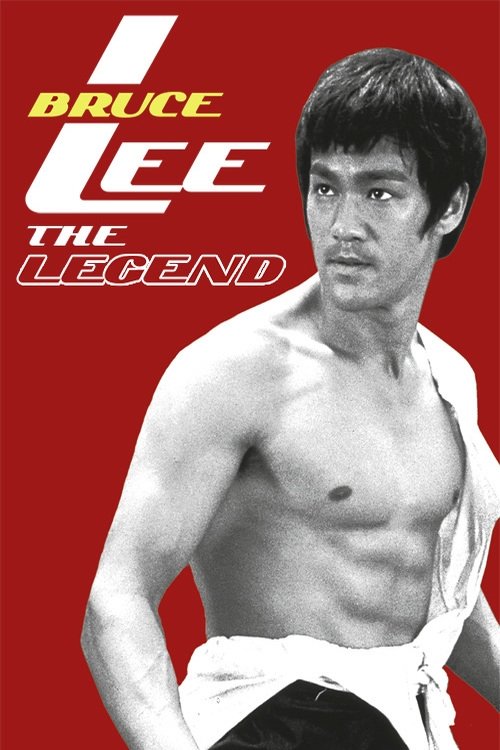
Bruce Lee, the Legend
1984 · 1h 28m
country: Hong Kong
The Official Golden Harvest tribute to the Master of the Martial Arts Film, Bruce Lee.
TMDB2.5
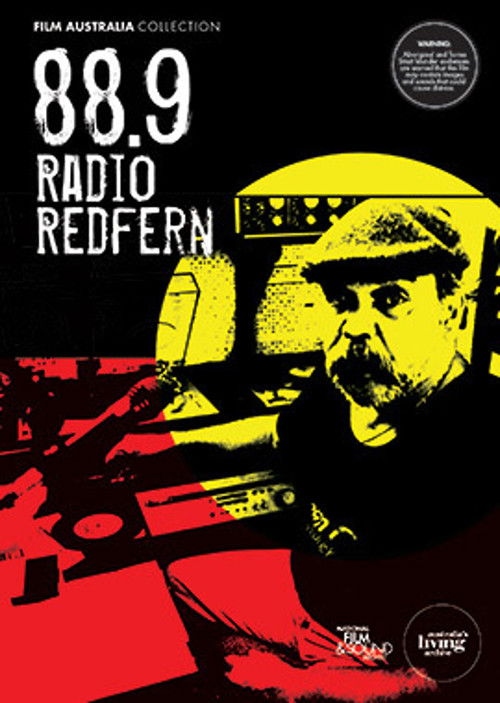
88.9 Radio Redfern
1989 · 54m
country: Australia
An observational documentary which looks at Sydney’s first community Aboriginal radio station, 88.9 Radio Redfern. Set against a backdrop of contemporary Aboriginal music, 88.9 Radio Redfern offers a special and rare exploration of the people, attitudes and philosophies behind the lead up to a different type of celebration of Australia’s Bicentennial Year. Throughout 1988, 88.9 Radio Redfern became an important focal point for communication and solidarity within the Aboriginal community. The film reveals how urban blacks are adapting social structures such as the mass media to serve their needs.
TMDB2.9
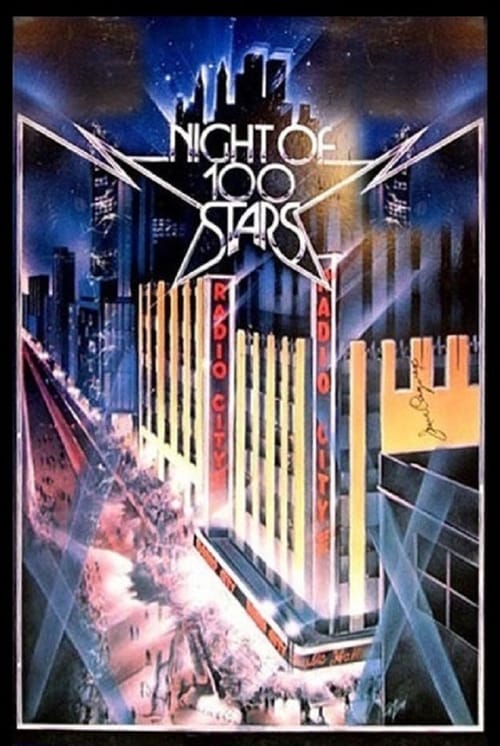
Night of 100 Stars
1982 · 3h 2m
country: United States
The most glittering, expensive, and exhausting videotaping session in television history took place Friday February 19, 1982 at New York's Radio City Music Hall. The event, for which ticket-buyers paid up to $1,000 a seat (tax-deductible as a contribution to the Actors' Fund) was billed as "The Night of 100 Stars" but, actually, around 230 stars took part. And most of the audience of 5,800 had no idea in advance that they were paying to see a TV taping, complete with long waits for set and costume changes, tape rewinding, and the like. Executive producer Alexander Cohen estimated that the 5,800 Radio City Music Hall seats sold out at prices ranging from $25 to $1,000. The show itself cost about $4 million to produce and was expected to yield around $2 million for the new addition to the Actors Fund retirement home in Englewood, N. J. ABC is reputed to have paid more than $5 million for the television rights.
TMDB2.3
A Generation
1982 · 10m
country: France
A handheld video camera explores image-surfaces as a visual collective unconscious: a TV screen, Polaroids, photos. A conceptually and formally compelling film about the idea of change, the loss of a revolution, the defying memory of the 70s decade.

TMDB3.0
Flamengo Paixão
1980 · 1h 18m
country: Brazil
Documentary about Flamengo, one of the most popular soccer teams in Brazil

TMDB4.0
First Ascent
1982 · 13m
country: Unknown
The first all women climbing film. Lynn Hill and Beth Bennet make the first female free ascent of the Naked Edge, Eldorado Canyon, Colorado. A film by Robert Carmichael and Greg Lowe produced by Sports Imagery
TMDB3.9
Live Aid
1985 · 16h 24m
country: United Kingdom
Live Aid was held on 13 July 1985, simultaneously in Wembley Stadium in London, England, and the John F. Kennedy Stadium in Philadelphia, United States. It was one of the largest scale satellite link-ups and television broadcasts of all time: watched live by an estimated global audience of 1.9 billion, across 150 nations. "It's twelve noon in London, seven AM in Philadelphia, and around the world it's time for Live Aid...!"
El danzón
TMDB2.3
El danzón
1984 · 31m
country: Unknown
Documentary discussing the history of Cuban dance and its music. It shows different dances, including some folk dances.
TMDB3.2
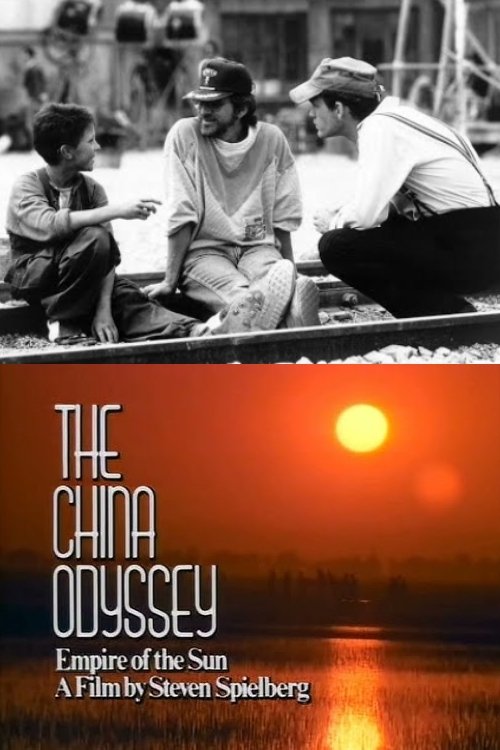
The China Odyssey: Empire of the Sun
1987 · 49m
country: United States
Documentary about the making of director Steven Spielberg's film Empire of the Sun
TMDB4.1
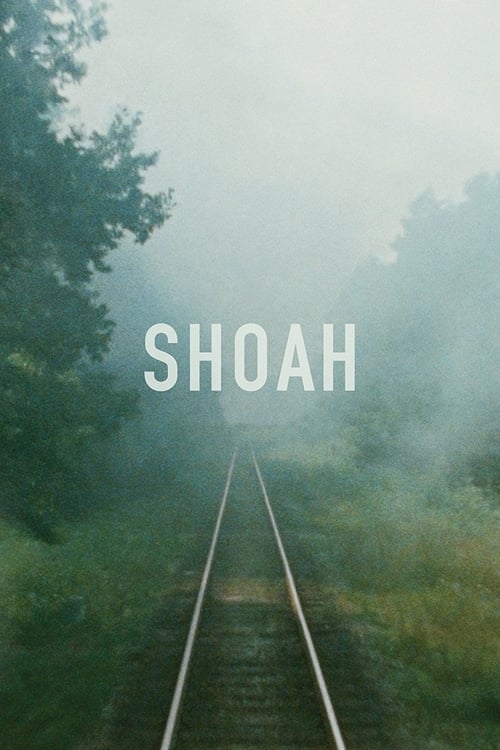
Shoah
1985 · 9h 26m
country: France
Director Claude Lanzmann spent 11 years on this sprawling documentary about the Holocaust, conducting his own interviews and refusing to use a single frame of archival footage. Dividing Holocaust witnesses into three categories – survivors, bystanders, and perpetrators – Lanzmann presents testimonies from survivors of the Chelmno concentration camp, an Auschwitz escapee, and witnesses of the Warsaw Ghetto Uprising, as well as a chilling report of gas chambers from an SS officer at Treblinka.
TMDB5.0
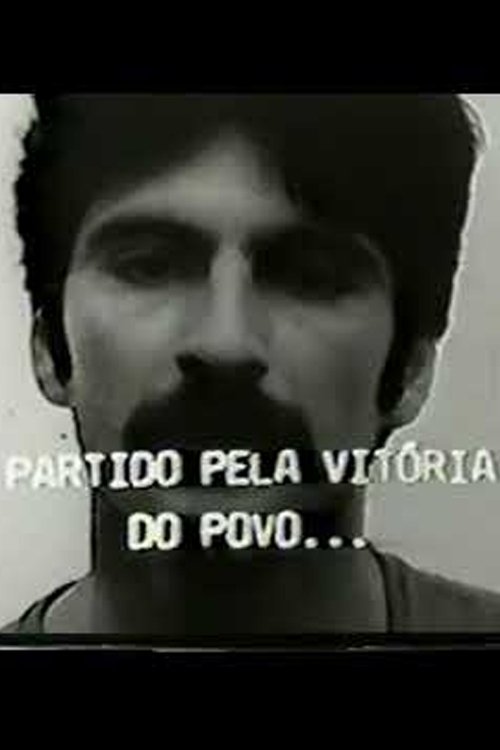
Southern Cone of South America
1985 · 29m
country: Brazil
No overview available
TMDB4.5
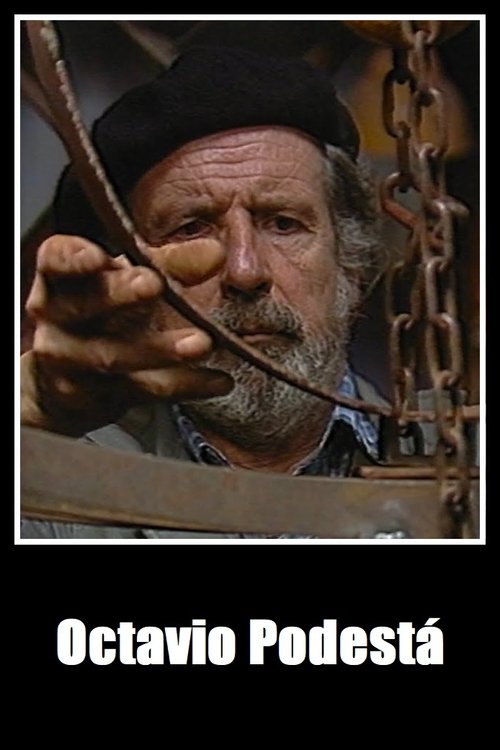
Octavio Podestá
1988 · 21m
country: Uruguay
A record of the works and reflections of this notable Uruguayan sculptor as a starting point to question the fate of art in our society, a question of how this artistic expression remains limited to a restricted area due to the lack of a true cultural policy.
Amor América
TMDB4.0
Amor América
1989 · 1h 47m
country: Germany
Documentary by Ciro Cappellari
TMDB3.7
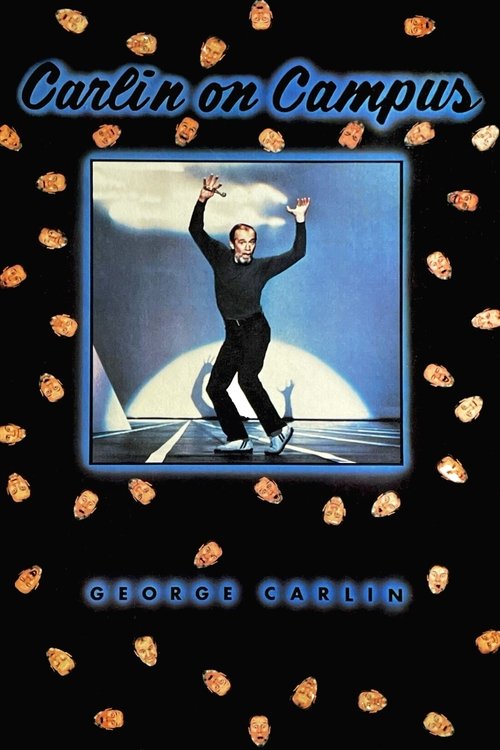
George Carlin: On Campus
1984 · 1h
country: United States
George Carlin hits the boards with the former Hippie-Dippie Weatherman's take on Brooklynese pronunciations of the names of sexually transmitted disease ("hoipes"), plus a prayer for the separation of church and state, feuds between breakfast foods, and the absurdity of wearing jungle camouflage in a desert.
TMDB3.1
The Yellow Star: The Persecution of the Jews in Europe - 1933-1945
1981 · 1h 29m
country: Germany
This Oscar nominated documentary serves not only as a remembrance but a lesson and a warning for the future. It follows the plight of Europe's Jews during the terrifying period from 1933 until the final defeat of the Third Reich in 1945. Never before had the world seen such contempt for human life on such a grand scale, the murder of an estimated 6 million Jews, with countless others persecuted. During the 1930s a wave of national fervor swept through a tumultuous Germany; people looked for answers, and the politicians were all too willing to point the finger of blame towards the Jewish population. Few, if any, could have foreseen how the views of one man would unfold…that man was Adolf Hitler.
TMDB3.4
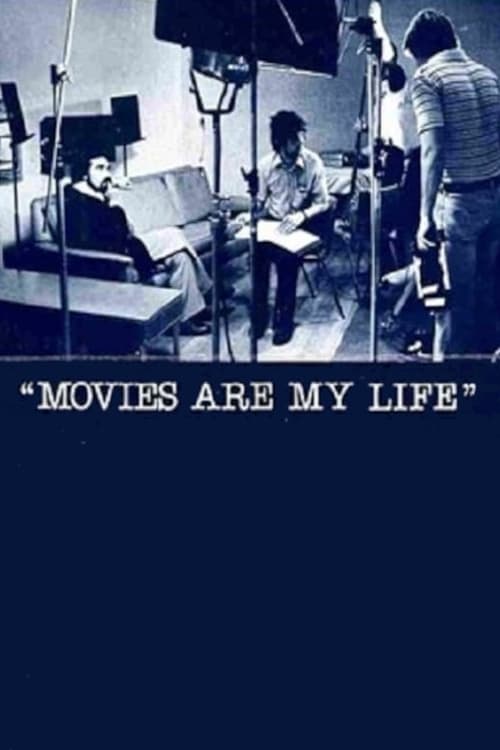
Movies Are My Life
1988 · 1h
country: United Kingdom
The very first full-length documentary on Scorsese offers an invaluable look at how he was perceived by his colleagues, and himself, in 1977. Catching Scorsese while he was in post-production on New York, New York and editing The Last Waltz, British filmmaker Peter Hayden gets the manically hyper Scorsese to comment on his youth, his relation to his lead characters, the making of Mean Streets and most importantly, his approach to direction. The doc doesn’t quite move at the pace of Scorsese’s revved-up speed-talking, but it does offer some real insight into his productivity in the 1970s, thanks to an impressive array of talking heads. Included are Scorsese’s collaborators Jay Cocks, Mardik Martin, Brian De Palma, Steven Prince (who co-produced this doc), and his mentor John Cassavetes. Also the performers, who discuss his working methods in detail — Jodie Foster, Liza Minnelli, and, of course, Robert De Niro.
TMDB4.5
Hunting Tigers
1988 · 30m
country: Japan
October, 1987. American filmmaker Steven Okazaki is making a documentary about laureated japanese author Kenzaburo Oe, but all goes wrong when he finds out that due to "mistranslated facts" the subject of his film has only one day to spare before leaving the country. During their brief interview, Mr. Kenzaburo affirms that the new generation of japanese artists are "spoiled, un-original and too influenced by Western culture." so, having a japanese film crew rented for four more days, Steven decides to roam the streets of Tokyo filming the lives of the japanese emergent underdog artists, trying to make some sense of Mr. Oe's statement.
TMDB3.9
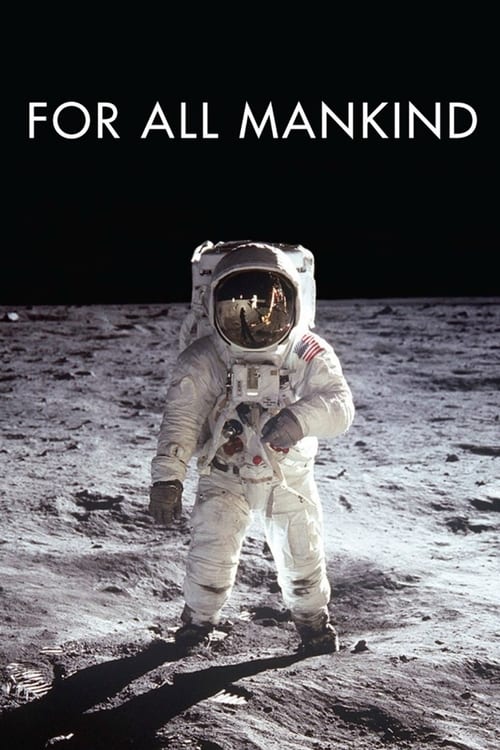
For All Mankind
1989 · 1h 20m
country: United States
A testament to NASA's Apollo program of the 1960s and '70s. Composed of actual NASA footage of the missions and astronaut interviews, the documentary offers the viewpoint of the individuals who braved the remarkable journey to the moon and back.
TMDB3.5
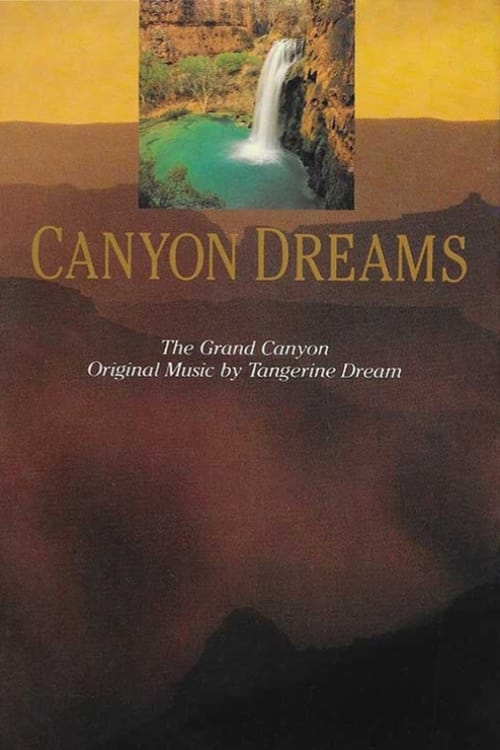
Canyon Dreams
1987 · 38m
country: United States
The remarkable Grand Canyon film set to the synth music of Tangerine Dream.
About 1980s Documentary Movies
The 1980s
The 1980s codified the blockbuster — high concept, wide release, heavy merchandising — while home video quietly built a second life for films that flopped in theaters. Practical effects hit their peak just before CGI arrived.
Documentary
Documentary covers everything from observational vérité to essay film and true crime. The form's best work argues rather than merely records, and the last two decades of streaming demand have made it a commercial genre as much as an artistic one.
In this list
- Best reviewed
- Stop Making Sense (8.3)
- Often also
- Music, TV Movie, Comedy
Common questions
- What are the best 1980s documentary movies?
- By popularity across Flickfolio and TMDB, the top picks right now are Box of Treasures, Stop Making Sense, and Pócspetri. The full ranked list of 40 sits above — open any movie for ratings, reviews, and streaming availability.
- How is this list ranked?
- 1980s documentary movies are ordered by overall popularity, which blends how often a title is viewed, searched, and logged. It updates as viewing habits shift, so the list reflects what people are actually watching rather than a fixed critical canon.
- Where can I watch these movies?
- Every movie page lists current streaming, rental, and purchase options for your region, alongside community ratings and reviews from Flickfolio members.