Mexican Drama TV Shows
The 40 most popular mexican drama TV shows, ranked. Click any show for ratings, reviews, trailers, and where to watch.

TMDB4.2
Rebelde
2004
country: Mexico
A group of young adults will spend their adolescence at the Elite Way School, where they will learn about love, life and live their passion for music.
TMDB4.5
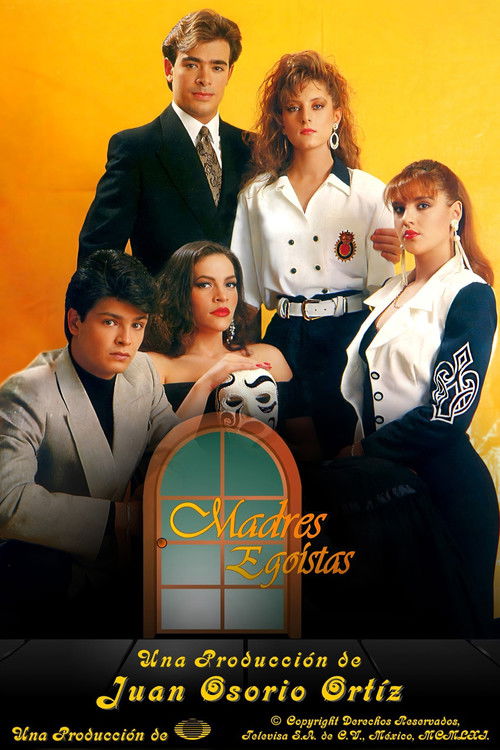
Madres egoístas
1991
country: Mexico
Madres egoístas is a Mexican telenovela produced by Juan Osorio for Televisa and originally broadcast on Canal de las Estrellas from February 4 to June 7, 1991. It is a remake of the 1963 telenovela of the same name produced by Valentín Pimstein. Created by Mimí Bechelani and adapted by Josefina Palos y Romo, the telenovela stars Julieta Rosen, Enrique Novi, Orlando Carrió, and Chantal Andere. The story follows Raquel Rivas Cantú, a young orphan and heiress who is raised by her housekeeper Mariana, a woman who secretly carries resentment against the Rivas Cantú family. After marrying Pablo, a widower with a daughter, Raquel's life becomes marked by tragedy, family conflicts, and betrayal. As secrets from the past emerge, Raquel and her loved ones must face revenge, ambition, and the search for justice and happiness.

TMDB3.3
Amorcito Corazón
2011
country: Mexico
Amorcito Corazón is a Mexican telenovela produced by Televisa by Lucero Suarez. Rehabilitation of the Venezuelan RCTV telenovela Trapos Intimos. It stars Elizabeth Álvarez, Diego Olivera, Africa Zavala and Daniel Arenas, involving Fabiola Campomanes, Gerardo Murguia and Macaria as the main villains and stellar performances by the leading lady Mariana Karr, and Grettell Valdez. Canal de las Estrellas broadcast Amorcito Corazón from August 29, 2011, to June 10, 2012, with Cachito de Cielo replacing it. Univision confirmed an afternoon airing of Amorcito Corazón, and is currently seen weekday afternoons at 2pm central. Previously, Univision broadcast it at 3pm, replacing Dos Hogares from May 30 to June 15, 2012.

TMDB4.6
The Trial
2026
country: Mexico
A teenager and her father struggle for justice after she is sexually assaulted by the scion of a successful businessman. Not only will the father and daughter have to navigate a failed judicial system, but they must also contend with a wealthy adversary bent on using all his power to protect his son.

TMDB3.9
Alma de Hierro
2008
country: Mexico
Alma de Hierro is a 2008–2009 Mexican telenovela produced by Televisa. It is a remake of the Argentinian soap opera Son de Fierro, with the character's names rewritten and adapted to the Mexican audience. The main actors were Blanca Guerra, Alejandro Camacho, Christian Vega, Flavio Medina, Lisardo and Alejandra Barros, with Jorge Poza, Zuria Vega, Adamari López, Angelique Boyer, Eddy Vilard, Martha Julia and Luz María Aguilar playing supporting roles. The show earned 8 awards at the "TV y Novelas" award celebration, becoming the highest-awarded production of the 2009 season.

TMDB3.9
Senora Acero
2014
country: Mexico
The adventures of Vicenta Acero, the feared coyote who now leads the dynasty of illicit dealings once under the control of her father.
TMDB4.0
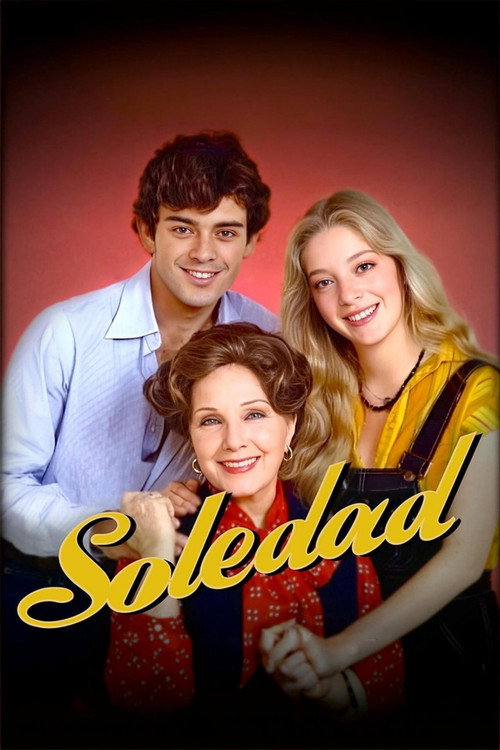
Soledad
1980
country: Mexico
Soledade González is the housekeeper for Anselmo, a father of five: Jesus—who is disabled—Ramiro, Sheila, André, and Luíza. Knowing he was near death, Anselmo married Soledade so she would take charge of his children.

TMDB4.0
Clase 406
2002
country: Mexico
The realistic chronicles of a working class group of Hispanic youth, with heavy subject matter like sex, drug dealing, teen pregnancy, abuse, drinking, rape, deception, and heartbreak.

TMDB4.0
El Chavo del Ocho
1973
country: Mexico
The mishaps of Chavo, an 8-year-old Mestizo-Latino American orphan boy who lives in a village. Together with Quico, Chilindrina, Ñoño and La Popis, Chavo experiences a series of humorous entanglements.

TMDB3.5
Hurricane
1997
country: Mexico
Huracán is a Mexican telenovela shown in Mexico from October 13, 1997 to March 27, 1998, starring with the late Jorge Russek, Fernando Balzaretti, and Eduardo Palomo.

TMDB3.9
As the Saying Goes
2011
country: Mexico
Dramatization of real-life situations and stories that are related to popular sayings, by Don Tomas.
TMDB3.6
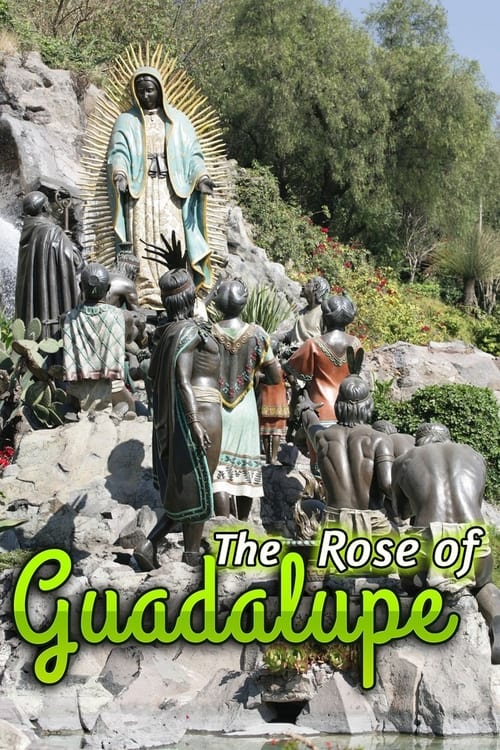
La rosa de Guadalupe
2008
country: Mexico
Stories about people who get into problems who use the help of Virgin Mary and where a rose appears and their problems are solved.

TMDB4.0
Hasta que el dinero nos separe
2009
country: Mexico
Hasta Que el Dinero Nos Separe is a telenovela produced by Emilio Larrosa. It is a remake of the Colombian soap opera Hasta Que la Plata Nos Separe. Hasta Que el Dinero Nos Separe stars Itatí Cantoral, Pedro Fernández, Victor Noriega, Luz Elena González and Joana Benedek. The telenovela made its debut on June 29, 2009 at 8 pm in Mexico's Canal de las Estrellas, in HD in some markets, and January 18, 2010 at 8/7 pm USA's Univision, starting on April 26, 2010, it aired from 8 pm est to 10 pm est in HD in some markets, until June 1, 2010, when Soy Tu Dueña premiered on Univision at 9pm, thus returning the novela back to its former one hour airing time. On February 16, 2010 Hasta Que El dinero nos separe premiered on internet TV's bsn Latino. "The Best Telenovela of the Year 2010."

TMDB4.1
Porque el Amor Manda
2012
country: Mexico
Porque el Amor Manda is a 2012 Mexican telenovela produced by Juan Osorio for Televisa. It is a remake of the Colombian telenovela El secretario, produced by Juan Andrés Flórez in 2011. Fernando Colunga and Blanca Soto star as the protagonists Claudia Álvarez stars as the antagonist.

TMDB2.7
Collision
2026
country: Mexico
When business magnate Miguel Ángel dies in a mysterious crash, his daughter Zoé and estranged wife Belén fight for control of his company.

TMDB4.0
La fea más bella
2006
country: Mexico
Leticia Padilla Solís, “Leti”, is an intelligent but unattractive girl, rather ugly. She graduated with honors in economics, speaks several languages, is fluent in computers, and is a financial genius. Only, because of his physique, she can't find work. Desperate to find a job, “Lety” decides to accept being hired below her level and takes a job as a secretary at Conceptos, a famous video production company, where ugliness is taboo. The production company “Conceptos” was founded by two good friends: Don Humberto Mendiola, and Julián Villaroel. Unfortunately, shortly after, the Villaroels die in an accident and Don Humberto and his wife Teresita take care of the Villaroels' orphaned children: Ariel, Marcia and Ana Leticia and the successful company.

TMDB4.0
Atrévete a Soñar
2009
country: Mexico
Danna Paola stars as Patito, Eleazar Gómez as Mateo, Violeta Isfel and Cynthia Klitbo, play antagonist roles as Antonella and Bianca. The telenovela features adult protagonists also, René Strickler and Vanessa Guzmán. It first aired on Sunday, 8 March 2009, as the first telenovela to debut on a Sunday in Mexico. After a year of success, becoming a major hit in Mexico, especially among children, its final episode was also on a Sunday, 7 March 2010.

TMDB3.9
Rosario Tijeras (Mexico)
2016
country: Mexico
Worlds collide when a vengeance-obsessed young woman from the other side of the tracks captures the attention of two well-off friends.
TMDB3.6
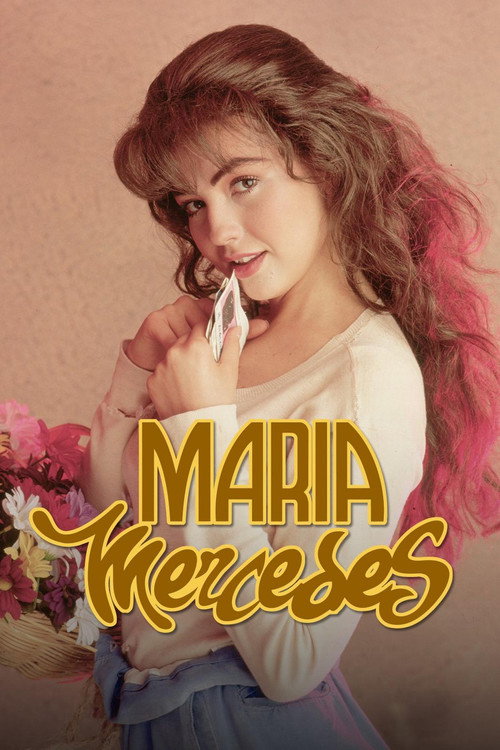
Maria Mercedes
1992
country: Mexico
María Mercedes, a poor girl who sells lottery tickets, meets a rich man who hates his own family and sees in María Mercedes an opportunity to make their lives miserable.

TMDB3.8
Corona de lágrimas
2012
country: Mexico
When Refugio and her three sons—Patricio, Edmundo, and Ignacio—are forced out of their home, a twist of fate brings them to Mexico City, where they begin a new life. Eighteen years later, they are settled in a small apartment in a working-class neighborhood. Refugio holds a modest job; although she suffers from serious vision problems, she neglects her own health to attend to her sons' needs. Patricio is studying law and dreams of a comfortable, prosperous future; his mother admires him for his charitable nature. Meanwhile, Edmundo begins courting Lucero—unintentionally hurting Ignacio, who secretly loved her—while Refugio tries in vain to make Patricio understand that he will never be happy with Olga.

TMDB3.8
La fiera
1983
country: Mexico
Natalie, a poor but beautiful girl from a humble neighborhood, falls in love with and wins the heart of Victor Afonso—her childhood friend and the son of the city's wealthiest family. Natalie lives with a cruel old woman who forces her to beg to support her, yet also foresees through fortune-telling cards that "The Beast"—as Natalie is known—will one day find happiness and wealth. Believing this fortune is linked to "The Greek," a wealthy man in love with Natalie, the old woman sells her to him—unaware that Natalie and Victor Afonso had secretly married before he left the country for his studies. When the young man's parents discover the truth, they annul the marriage, indifferent to the fact that "The Beast" is pregnant with his child. Supported by her friend—a cabaret performer known as "La Costeña"—and by The Greek himself, Natalie turns her life around and gives birth to twins; however, she has no idea that The Greek intends to exact a price for all his generosity.

TMDB3.6
Women in Blue
2024
country: Mexico
In 1971, four women defy ultraconservative norms and join Mexico's first female police force—only to discover that it's a publicity stunt to distract the media from a serial killer. As the body count grows, they make a pact to bring the killer to justice.

TMDB3.9
Rubí
2004
country: Mexico
Rubí Pérez is a very beautiful but poor woman who studies at an exclusive university thanks to the financial support from Cristina , her hard-working older sister. She is best friends with Maribel de la Fuente , a kind and wealthy young woman. Rubí is actually jealous of Maribel's social status while pitying her disability and dreams of marrying a rich man to leave poverty behind.

TMDB3.7
La Doña
2016
country: United States
A story of revenge and ambition, seduction and betrayal; all told from the perspective of an offended and abused woman named Altagracia. Altagracia represents the hundreds of thousands of Mexican women who have been victims of the violence by faceless men who are protected by impunity. But Altagracia, transformed into a strong-willed, ruthless man-eater known as La Doña, will seek out each and every one of these men to bring them to justice.

TMDB3.6
Storm Over Paradise
2007
country: Mexico
Tormenta en el Paraíso is a telenovela that was made by Televisa. This telenovela has a blend of new talents and with figures of extense experience in the television, and it began filming scenes in locations in the states of Quintana Roo and Veracruz on September 20, 2007. The telenovela is a production of Juan Osorio, premiered November 12 of 2007 in El Canal de las Estrellas.

TMDB3.9
Mi marido tiene familia
2017
country: Mexico
Julieta is quite happy in her relationship with her live in boyfriend, Robert... and thrilled that she won't have to deal with in-laws since Robert doesn't know his family. Things start going downhill for the couple when they rent an apartment from a very eccentric family dealing with a traumatic incident from their past.

TMDB3.7
Lovesick
2026
country: Mexico
Set during the Mexican Revolution, follow Emilia Sauri, a woman torn between two passionate loves while navigating a world dominated by violence and revolution.
TMDB3.5
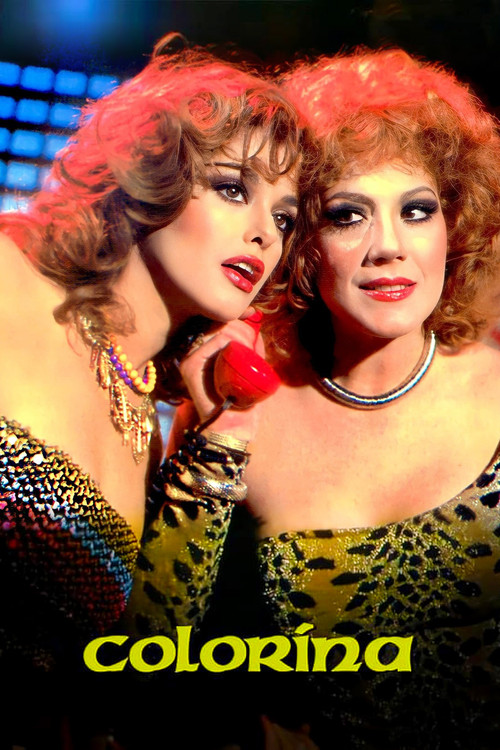
Colorina
1980
country: Mexico
No overview available

TMDB4.0
Laws of love
2018
country: Mexico
The story of two lawyers specializing in family law, Ricardo and Alejandra, that despite coming from two disappointments and being in a world where it seems that love loses strength, before so much divorce, they still have faith in finding true love.

TMDB3.9
Amores verdaderos
2012
country: Mexico
Victoria Balvanera owns a vast expanse of land and a prestigious advertising agency. She is married to the landowner Nelson Brizz. Following an attempted kidnapping, she finds love with José Ángel—her rescuer and the estate's new foreman.

TMDB3.6
Esmeralda
1996
country: Mexico
Esmeralda is a telenovela that was released by Televisa in 1997. It is a remake of a 1970 Venezuelan telenovela of that same name, and was itself remade in Brazil in 2004. Another version is Topacio from Venezuela in 1984. One of the most famous telenovela all the time.

TMDB3.3
Las Vías del Amor
2002
country: Mexico
Las Vías del Amor is a Mexican telenovela that aired on the Televisa channel in Mexico and Univision in the United States from 2002-2003.

TMDB3.7
El premio mayor
1995
country: Mexico
El premio mayor is a Mexican telenovela created and produced by Emilio Larrosa for Televisa and originally broadcast on Canal de las Estrellas from September 4, 1995, to May 24, 1996. Written by Verónica Suárez and Alejandro Pohlenz, the telenovela stars Laura León, Carlos Bonavides, Sergio Goyri, and Sasha Sokol. It was followed by the sequel Salud, dinero y amor in 1997. The story follows Huicho Domínguez, an uneducated construction worker who unexpectedly wins the grand prize in the National Lottery. His sudden fortune transforms his family's life as they move into a luxurious mansion and struggle to adapt to their new social status. As wealth attracts greed, infidelity, and opportunistic people, Huicho risks losing the love and stability that once defined his family.
Big Brother Mexico
TMDB2.3
Big Brother Mexico
2002
country: Mexico
Big Brother México is a reality television series based on the international Big Brother format produced in the Netherlands by Endemol. Big Brother México was launched by Televisa in 2002. Before its debut, the idea of being watched twenty-four hours a day by a camera was shocking to some in Mexican society. The series was successful, and it was followed by a special edition called Big Brother VIP with Mexican celebrities from show business and even politics. Congressman Jorge Kahwagi, minority whip of the Mexican Green Party in the Chamber of Deputees of Mexico's Congress, shocked and angered many people in Mexico when he asked to be excused from his post in Congress to be sequestered for months inside the Big Brother House. Critics among colleagues and the general public accused him of dereliction of duty, discrediting his office, and seeking personal gain. During the show, late-night variety-show host, comedian, and producer Adal Ramones, also from Televisa, made a send-up of Big Brother which he called "El Gran Carnal" or "Big Bro" in Mexican slang. In December 2009, it was announced that there would be an "Allstars" version of Big Brother Mexico and that if it favors well with ratings, a possible fourth season will likely follow.

TMDB3.7
Tomorrow is forever
2008
country: Mexico
Fernanda is the youngest daughter of the landowner Gonzalo Elizalde, owner of a large dairy company, and Eduardo is the son of Soledad, the Elizalde family's housekeeper. The two children have grown up together, united by an innocent and pure love, despite the difference in social class.

TMDB2.9
The Rich Also Cry
1979
country: Mexico
Popular telenovela produced in Mexico in 1979, starring Verónica Castro, Rogelio Guerra and Rocío Banquells. Castro also sang the theme Aprendí a Llorar, a song written by Lolita de la Colina. The telenovela was produced by Chilean Valentín Pimstein and Carlos Romero, it was directed by Rafael Banquells. The story was written by Inés Rodena and adapted by Valeria Philips.
TMDB3.8
Burning for Revenge
2008
country: Mexico
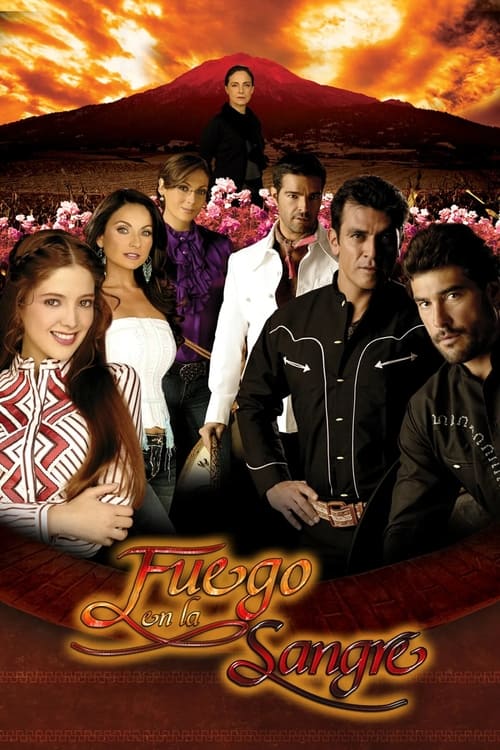
Fuego en la sangre is a telenovela that began transmissions on January 21, 2008, through Mexico's Canal de las Estrellas network. Starring Adela Noriega, Eduardo Yáñez, Diana Bracho, and Guillermo García Cantú. It is the Mexican remake of the Colombian soap operas Las Aguas Mansas and Pasion de Gavilanes. The theme song called "Para Siempre" is sung by Vicente Fernández. The telenovela received TVyNovelas Award for Best Telenovela, in 2009.

TMDB3.8
Distilling Love
2007
country: Mexico
A romance blossoms between a young country woman and the grandson of the late owner of a tequila company. The young man promises to return and marry his girlfriend once he finishes his studies abroad, unaware that she has become pregnant.
TMDB4.5
Viviana
1978
country: Mexico
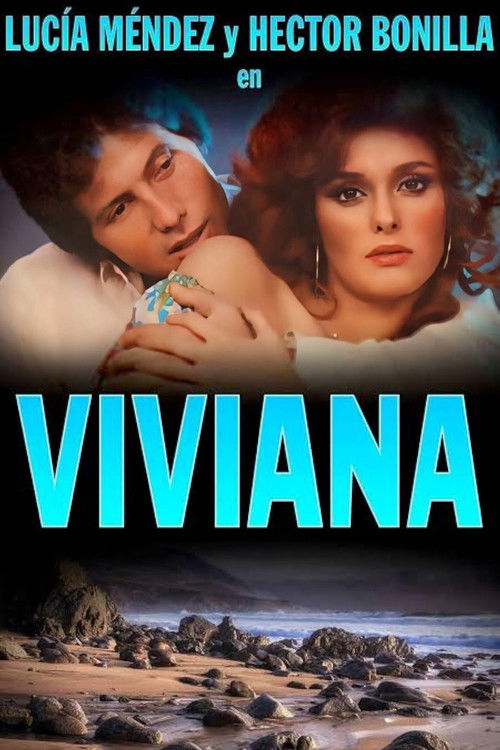
A poor but beautiful woman comes to the city looking for her husband ... who is married to another woman, the evil Gloria. While she falls in love to a handsome and good hearted doctor, she decides to work at nights to earn money at a "Model School" which is, in reality, a high profile brothel...

TMDB3.9
Little Angel Face
2000
country: Mexico
Dulce María is like her name, a sweet 5-year-old girl, full of joy and good feelings. With the death of his mother, his father, Luciano Larios, sinks into depression and pain, and decides to distance himself from everything and everyone. He admits Dulce María to the "Queen of America" nuns' school and goes abroad, leaving her in the care of her brother Gabriel, who is a priest. The only visit the girl receives is from her beloved Aunt Estefanía, whom she affectionately calls "Aunt Wigs" because instead of showing her hair, she wears colored wigs that match her clothes.
About Mexican Drama TV Shows
Mexican television
Mexican television's telenovela tradition is among the most widely exported formats in the world, and its streaming era has added darker crime and satire to the mix.
Drama
Television drama is where the medium made its case as film's equal, from the cable era's antihero epics to the current streaming wave. Long-form gives character change room to actually happen.
In this list
- Years covered
- 1973–2026
- Best reviewed
- Rebelde (8.4)
- Often also
- Soap, Comedy, Crime
- Longest run
- 15 seasons
Common questions
- What are the best Mexican drama TV shows?
- By popularity across Flickfolio and TMDB, the top picks right now are Rebelde, Madres egoístas, and Amorcito Corazón. The full ranked list of 40 sits above — open any show for ratings, reviews, and streaming availability.
- How is this list ranked?
- Mexican drama TV shows are ordered by overall popularity, which blends how often a title is viewed, searched, and logged. It updates as viewing habits shift, so the list reflects what people are actually watching rather than a fixed critical canon.
- Where can I watch these TV shows?
- Every show page lists current streaming, rental, and purchase options for your region, alongside community ratings and reviews from Flickfolio members.