Mexican Soap TV Shows
The 40 most popular mexican soap TV shows, ranked. Click any show for ratings, reviews, trailers, and where to watch.
TMDB4.5
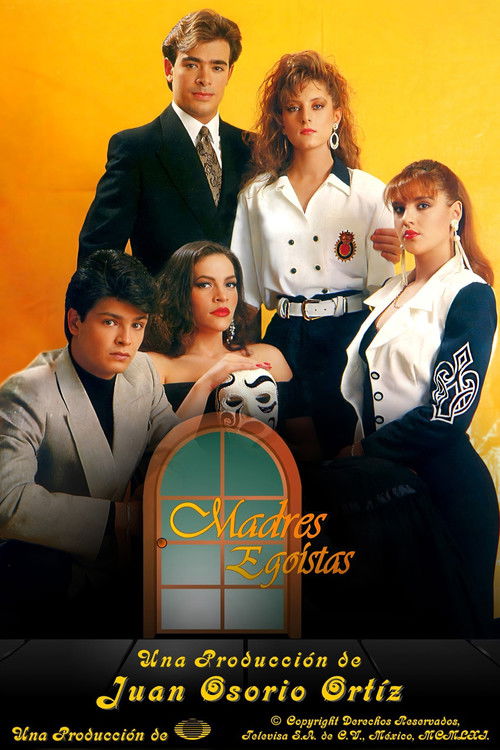
Madres egoístas
1991
country: Mexico
Madres egoístas is a Mexican telenovela produced by Juan Osorio for Televisa and originally broadcast on Canal de las Estrellas from February 4 to June 7, 1991. It is a remake of the 1963 telenovela of the same name produced by Valentín Pimstein. Created by Mimí Bechelani and adapted by Josefina Palos y Romo, the telenovela stars Julieta Rosen, Enrique Novi, Orlando Carrió, and Chantal Andere. The story follows Raquel Rivas Cantú, a young orphan and heiress who is raised by her housekeeper Mariana, a woman who secretly carries resentment against the Rivas Cantú family. After marrying Pablo, a widower with a daughter, Raquel's life becomes marked by tragedy, family conflicts, and betrayal. As secrets from the past emerge, Raquel and her loved ones must face revenge, ambition, and the search for justice and happiness.

TMDB3.9
Senora Acero
2014
country: Mexico
The adventures of Vicenta Acero, the feared coyote who now leads the dynasty of illicit dealings once under the control of her father.

TMDB4.0
Clase 406
2002
country: Mexico
The realistic chronicles of a working class group of Hispanic youth, with heavy subject matter like sex, drug dealing, teen pregnancy, abuse, drinking, rape, deception, and heartbreak.

TMDB3.5
Hurricane
1997
country: Mexico
Huracán is a Mexican telenovela shown in Mexico from October 13, 1997 to March 27, 1998, starring with the late Jorge Russek, Fernando Balzaretti, and Eduardo Palomo.
TMDB3.6
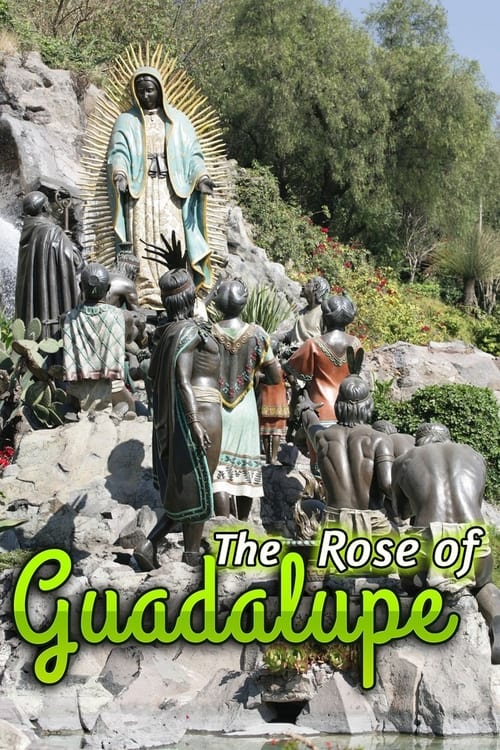
La rosa de Guadalupe
2008
country: Mexico
Stories about people who get into problems who use the help of Virgin Mary and where a rose appears and their problems are solved.

TMDB4.0
Hasta que el dinero nos separe
2009
country: Mexico
Hasta Que el Dinero Nos Separe is a telenovela produced by Emilio Larrosa. It is a remake of the Colombian soap opera Hasta Que la Plata Nos Separe. Hasta Que el Dinero Nos Separe stars Itatí Cantoral, Pedro Fernández, Victor Noriega, Luz Elena González and Joana Benedek. The telenovela made its debut on June 29, 2009 at 8 pm in Mexico's Canal de las Estrellas, in HD in some markets, and January 18, 2010 at 8/7 pm USA's Univision, starting on April 26, 2010, it aired from 8 pm est to 10 pm est in HD in some markets, until June 1, 2010, when Soy Tu Dueña premiered on Univision at 9pm, thus returning the novela back to its former one hour airing time. On February 16, 2010 Hasta Que El dinero nos separe premiered on internet TV's bsn Latino. "The Best Telenovela of the Year 2010."

TMDB4.1
Porque el Amor Manda
2012
country: Mexico
Porque el Amor Manda is a 2012 Mexican telenovela produced by Juan Osorio for Televisa. It is a remake of the Colombian telenovela El secretario, produced by Juan Andrés Flórez in 2011. Fernando Colunga and Blanca Soto star as the protagonists Claudia Álvarez stars as the antagonist.

TMDB2.7
Collision
2026
country: Mexico
When business magnate Miguel Ángel dies in a mysterious crash, his daughter Zoé and estranged wife Belén fight for control of his company.

TMDB4.0
La fea más bella
2006
country: Mexico
Leticia Padilla Solís, “Leti”, is an intelligent but unattractive girl, rather ugly. She graduated with honors in economics, speaks several languages, is fluent in computers, and is a financial genius. Only, because of his physique, she can't find work. Desperate to find a job, “Lety” decides to accept being hired below her level and takes a job as a secretary at Conceptos, a famous video production company, where ugliness is taboo. The production company “Conceptos” was founded by two good friends: Don Humberto Mendiola, and Julián Villaroel. Unfortunately, shortly after, the Villaroels die in an accident and Don Humberto and his wife Teresita take care of the Villaroels' orphaned children: Ariel, Marcia and Ana Leticia and the successful company.
TMDB3.6
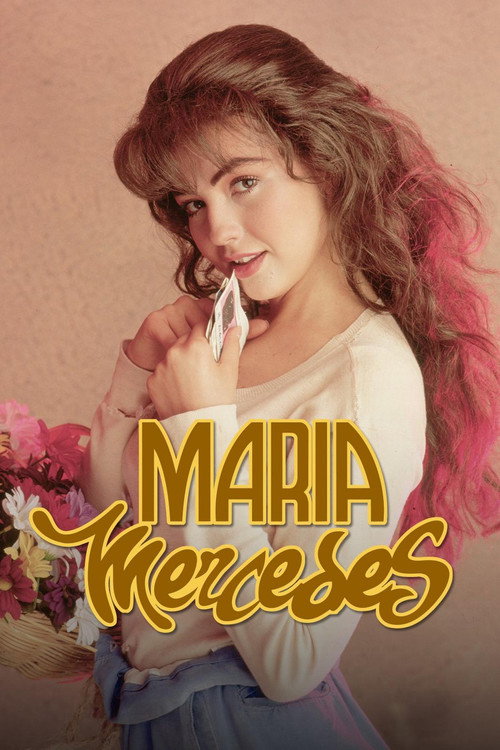
Maria Mercedes
1992
country: Mexico
María Mercedes, a poor girl who sells lottery tickets, meets a rich man who hates his own family and sees in María Mercedes an opportunity to make their lives miserable.

TMDB3.8
La fiera
1983
country: Mexico
Natalie, a poor but beautiful girl from a humble neighborhood, falls in love with and wins the heart of Victor Afonso—her childhood friend and the son of the city's wealthiest family. Natalie lives with a cruel old woman who forces her to beg to support her, yet also foresees through fortune-telling cards that "The Beast"—as Natalie is known—will one day find happiness and wealth. Believing this fortune is linked to "The Greek," a wealthy man in love with Natalie, the old woman sells her to him—unaware that Natalie and Victor Afonso had secretly married before he left the country for his studies. When the young man's parents discover the truth, they annul the marriage, indifferent to the fact that "The Beast" is pregnant with his child. Supported by her friend—a cabaret performer known as "La Costeña"—and by The Greek himself, Natalie turns her life around and gives birth to twins; however, she has no idea that The Greek intends to exact a price for all his generosity.

TMDB2.5
Morelia
1995
country: Mexico
Morelia is Mexican telenovela which starred Alpha Acosta, Arturo Peniche and Cecilia Bolocco. It was the first Mexican soap opera filmed in the city of Miami, it was produced and broadcast on Televisa in 1995–1996, Univision in 1996 and 2000–2001, Galavisión in 1998, and TeleFutura in 2003–2004. It is a remake of La Zulianita with Lupita Ferrer and José Bardina.

TMDB3.9
Rubí
2004
country: Mexico
Rubí Pérez is a very beautiful but poor woman who studies at an exclusive university thanks to the financial support from Cristina , her hard-working older sister. She is best friends with Maribel de la Fuente , a kind and wealthy young woman. Rubí is actually jealous of Maribel's social status while pitying her disability and dreams of marrying a rich man to leave poverty behind.

TMDB3.7
La Doña
2016
country: United States
A story of revenge and ambition, seduction and betrayal; all told from the perspective of an offended and abused woman named Altagracia. Altagracia represents the hundreds of thousands of Mexican women who have been victims of the violence by faceless men who are protected by impunity. But Altagracia, transformed into a strong-willed, ruthless man-eater known as La Doña, will seek out each and every one of these men to bring them to justice.
TMDB2.9
Dos vidas
2021
country: Mexico
The story of Julia, a woman currently living out the life that her mother and future husband have planned for her. But just as she is about to get married, she discovers a great family secret that will change her forever. On the verge of a nervous breakdown, she decides to get away and finds refuge in a secluded town in the mountains of Madrid where she will have a complicated mission: to take control of her own destiny.
TMDB3.9
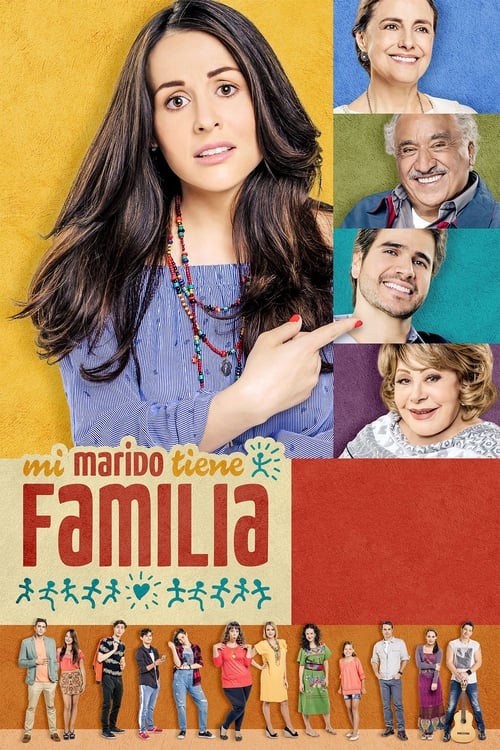
Mi marido tiene familia
2017
country: Mexico
Julieta is quite happy in her relationship with her live in boyfriend, Robert... and thrilled that she won't have to deal with in-laws since Robert doesn't know his family. Things start going downhill for the couple when they rent an apartment from a very eccentric family dealing with a traumatic incident from their past.
TMDB3.5
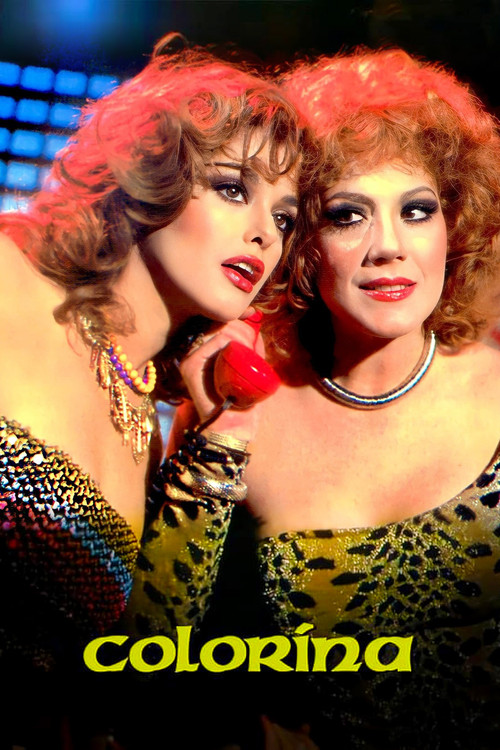
Colorina
1980
country: Mexico
No overview available

TMDB4.0
Laws of love
2018
country: Mexico
The story of two lawyers specializing in family law, Ricardo and Alejandra, that despite coming from two disappointments and being in a world where it seems that love loses strength, before so much divorce, they still have faith in finding true love.

TMDB3.9
Amores verdaderos
2012
country: Mexico
Victoria Balvanera owns a vast expanse of land and a prestigious advertising agency. She is married to the landowner Nelson Brizz. Following an attempted kidnapping, she finds love with José Ángel—her rescuer and the estate's new foreman.
TMDB3.6
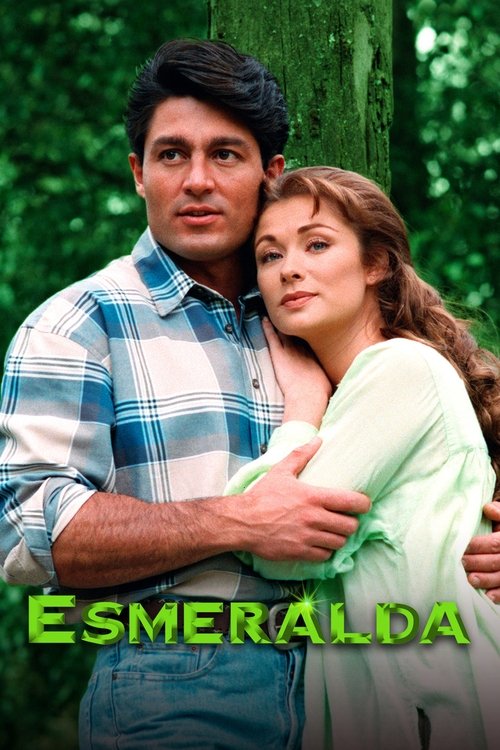
Esmeralda
1996
country: Mexico
Esmeralda is a telenovela that was released by Televisa in 1997. It is a remake of a 1970 Venezuelan telenovela of that same name, and was itself remade in Brazil in 2004. Another version is Topacio from Venezuela in 1984. One of the most famous telenovela all the time.

TMDB2.9
The Rich Also Cry
1979
country: Mexico
Popular telenovela produced in Mexico in 1979, starring Verónica Castro, Rogelio Guerra and Rocío Banquells. Castro also sang the theme Aprendí a Llorar, a song written by Lolita de la Colina. The telenovela was produced by Chilean Valentín Pimstein and Carlos Romero, it was directed by Rafael Banquells. The story was written by Inés Rodena and adapted by Valeria Philips.
TMDB3.8
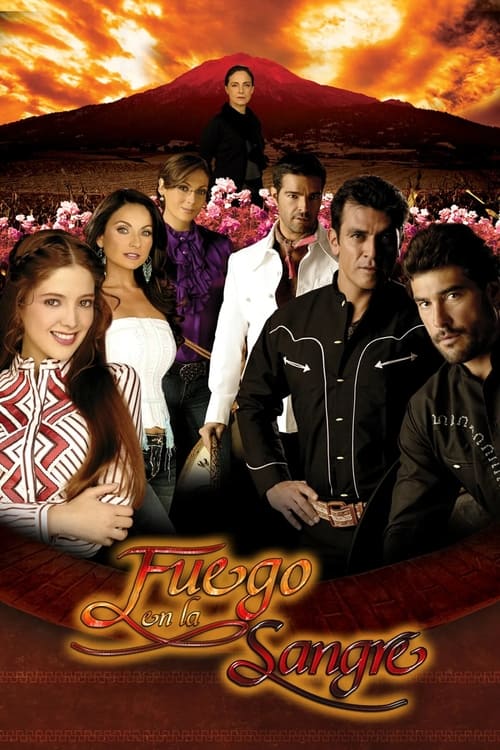
Burning for Revenge
2008
country: Mexico
Fuego en la sangre is a telenovela that began transmissions on January 21, 2008, through Mexico's Canal de las Estrellas network. Starring Adela Noriega, Eduardo Yáñez, Diana Bracho, and Guillermo García Cantú. It is the Mexican remake of the Colombian soap operas Las Aguas Mansas and Pasion de Gavilanes. The theme song called "Para Siempre" is sung by Vicente Fernández. The telenovela received TVyNovelas Award for Best Telenovela, in 2009.

TMDB3.8
Distilling Love
2007
country: Mexico
A romance blossoms between a young country woman and the grandson of the late owner of a tequila company. The young man promises to return and marry his girlfriend once he finishes his studies abroad, unaware that she has become pregnant.
TMDB4.5
Viviana
1978
country: Mexico
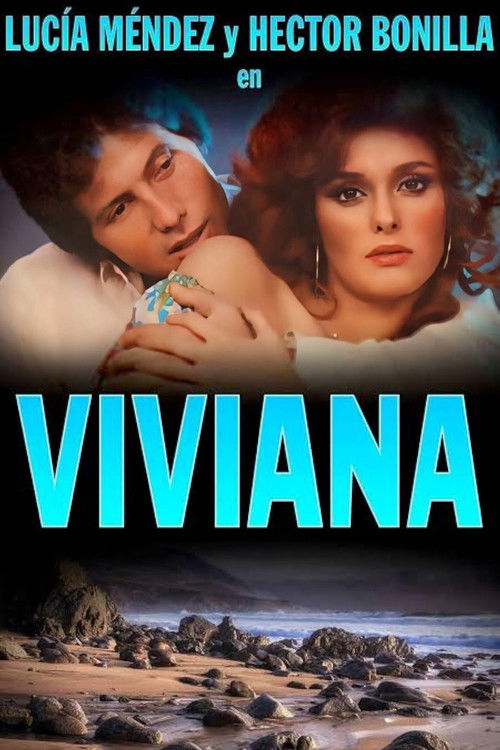
A poor but beautiful woman comes to the city looking for her husband ... who is married to another woman, the evil Gloria. While she falls in love to a handsome and good hearted doctor, she decides to work at nights to earn money at a "Model School" which is, in reality, a high profile brothel...

TMDB3.9
Little Angel Face
2000
country: Mexico
Dulce María is like her name, a sweet 5-year-old girl, full of joy and good feelings. With the death of his mother, his father, Luciano Larios, sinks into depression and pain, and decides to distance himself from everything and everyone. He admits Dulce María to the "Queen of America" nuns' school and goes abroad, leaving her in the care of her brother Gabriel, who is a priest. The only visit the girl receives is from her beloved Aunt Estefanía, whom she affectionately calls "Aunt Wigs" because instead of showing her hair, she wears colored wigs that match her clothes.
TMDB3.8
Mujer de Madera
2004
country: Mexico
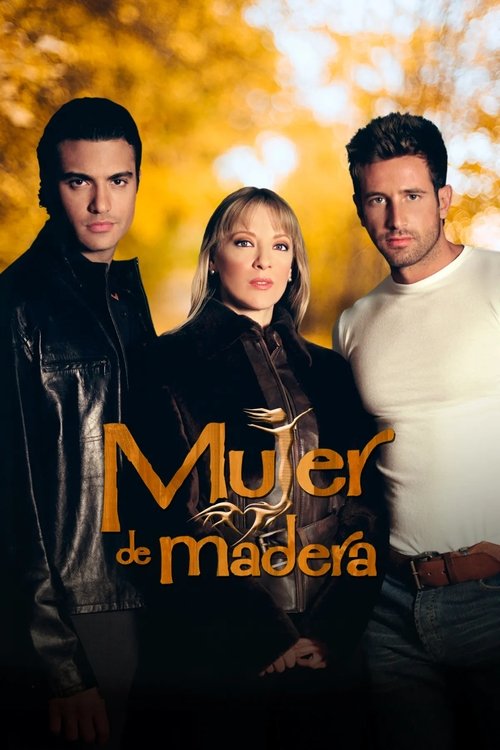
Mujer de Madera is a Mexican telenovela produced by Televisa in 2004. One unusual feature of this telenovela is that the main character is played by different actresses before and after her stay in hospital due to a forest fire.

TMDB3.0
The Thread Of Love
2021
country: Mexico
Despite their differences, Valentina and her sister Nora share the dream of becoming successful in the fashion world. As they try to reach their dreams, obstacles like family and romance complicate their journeys.

TMDB3.9
¡Vivan los niños!
2002
country: United States
¡Vivan los niños! is a Mexican telenovela for children that premiered in 2002. It ran for 155 episodes and finished in 2003. The opening, Vivan los niños, was recorded by the Latin pop group OV7. One of its closing themes, also entitled Vivan los niños, was performed by Cuban-American singer and songwriter Ana Cristina. The show is a version of the Argentinian telenovela "Jacinta Pichimahuida, la maestra que no se olvida". The series starred Andrea Legarreta as 2nd grade teacher Lupita Gómez. After the series ended, Andrea became the long-time host of the morning talk show Hoy. On July 12, 2012, in celebration of Andrea's birthday, the producers of Hoy reunited her with the young actors who played her students on the series.
TMDB3.9
Rina
1977
country: Mexico
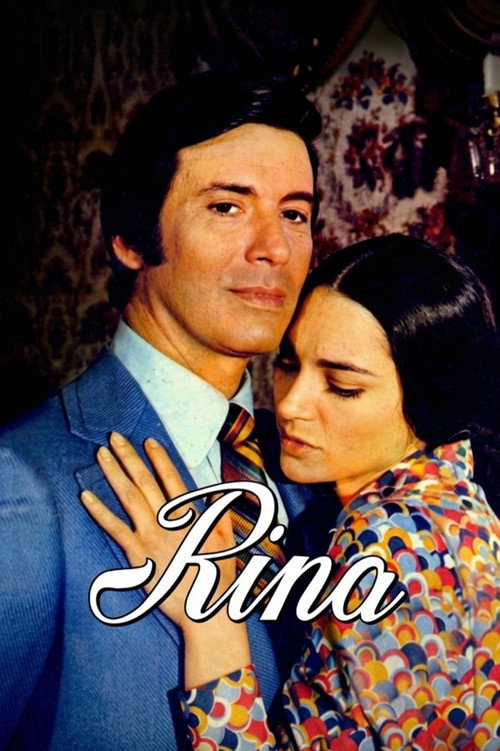
The story follows Rina, a young hunchback who sells flowers to support her father and siblings after being abandoned by her mother. One day, while selling her flowers, she is beckoned from a window by Leopoldo—a wealthy, elderly, bitter, and invalid man—who manipulates her into marrying him because he refuses to leave his inheritance to his sister-in-law, Rafaela. Rina agrees to the marriage due to financial hardship. Shortly thereafter, Leopoldo dies, and Rina inherits a vast fortune. She undergoes surgery to correct her hunchback and transforms into a beautiful woman. Unwilling to accept the loss of the inheritance, Rafaela devises a scheme with the help of her son, Carlos Augusto, who has recently been widowed.

TMDB3.8
Don't Mess with the Angel
2008
country: Mexico
When Marichuy was born, her mother—believing she was on the verge of death—handed her over to a priest, who took her to an orphanage. At the age of fourteen, Marichuy ran away from the institution and began wandering from place to place, scraping together a living however she could. Years later, she was attacked by a drunkard; the incident left her harboring resentment toward men and plagued by harrowing nightmares.

TMDB3.9
Like, la Leyenda
2018
country: Mexico
The experiences of a group of young people interned at the Life Institute of Knowledge and Evolution (LIKE), a prestigious and cosmopolitan educational institution, with a supposedly modern and open educational system, but in reality it is deeply traditional and schematic.

TMDB3.9
Teresa
2010
country: Mexico
Teresa Chavez is a young woman with an obsession for money and ambition. Despite her beauty and the fact that she was raised in the bosom of a loving family, she is resentful; her one desire is to leave her humble but poor neighbourhood.
TMDB4.0
Corazón salvaje
1992
country: Mexico
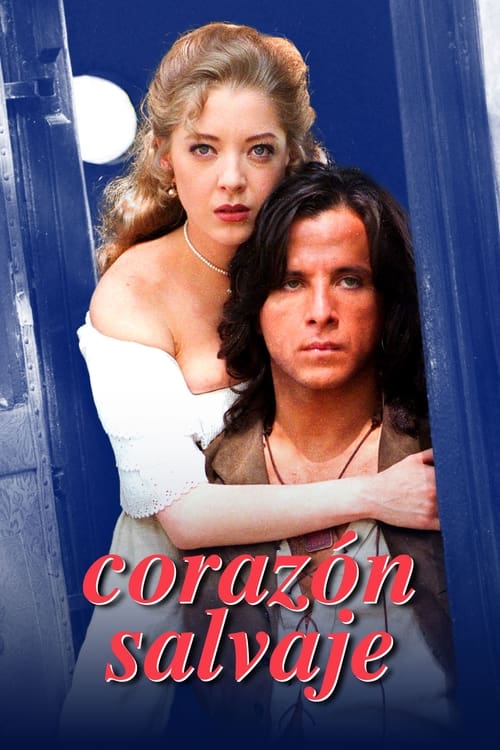
A telenovela that dramatizes the romances and rivalries between two brothers and two sisters in Mexico between the years 1885 and 1900.

TMDB3.4
La Hija del Jardinero
2003
country: Mexico
La Hija Del Jardinero is a Mexican telenovela directed by Luis Alberto Lamata. It aired from August 18, 2003 until April 23, 2004 on TV Azteca in Mexico.

TMDB3.9
What Life Took From Me
2013
country: Mexico
The beautiful young Montserrat is forced to marry a man she does not love in order to save her family from ruin and maintain their social standing.

TMDB3.9
Wild at Heart
2013
country: Mexico
Mistreated by the Narváez family, the poor and innocent Maricruz is humiliated, abandoned, and imprisoned, losing everything. Upon discovering her true origins, she transforms into a wealthy and powerful woman. Driven by grief and the loss of her father, she vows revenge against everyone who made her suffer.
TMDB4.5
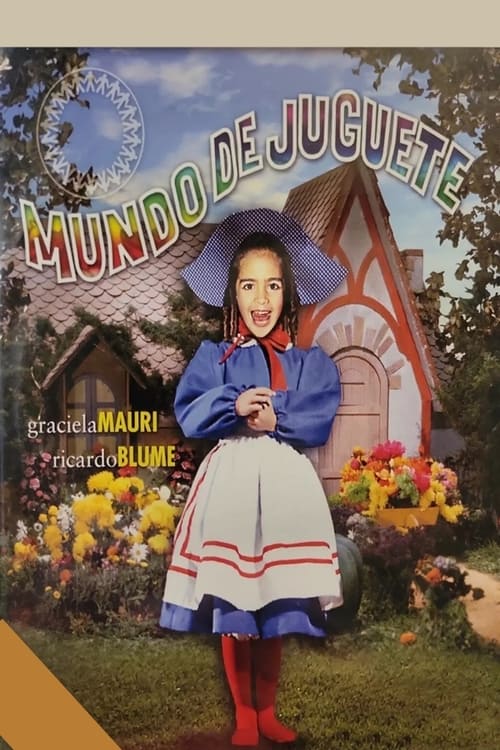
Mundo de Juguete
1974
country: Mexico
Mundo de Juguete is a telenovela produced in Mexico by Televisa in 1974. It is a remake of telenovela Papá Corazón. This telenovela holds the record for having the second longest run ever for a Latin American telenovela, with a total of 605 episodes. Most telenovelas run for an average of six to eight months; the shortest ones run about four months, and the longest up to a year. Many "Mundo de Juguete" fans believe that either all or some of the tapes and film from the telenovela were lost when Televisa collapsed during the 1985 earthquake. Televisa has been secretive regarding which tapes were lost during that earthquake, so there is no way of confirming this. However, such claims can be disputed, considering that the Telenovela has been repeated on television several times after 1985. During the nineties, it was repeated on Mexico City Canal 9. For a period of time, it was also shown on Unicable or on Telenovelas Televisa remade the telenovela in 2000, and called it "Carita de Angel".

TMDB3.5
Marimar
1994
country: Mexico
Story of love between Marimar and Sergio. Sergio is from a wealthy family, and Marimar lives with her poor grandparents in a hut in front of the ocean.

TMDB3.9
Carrusel
1989
country: Mexico
Based on the 1966 Argentine telenovela *Jacinta Pichimahuida, la maestra que no se olvida*, the story centers on a group of second-grade students at the Mundial School. Together, they discover the ups and downs of life and seek to resolve their problems with joy and a lighthearted attitude, always with the help and affection of Teacher Helena, who was like a second mother to them.

TMDB3.7
María la del Barrio
1995
country: Mexico
A brave, poor young girl is welcomed into a rich family and develops a romance with their misogynist youngest son, driving a woman already in love with him to go to great lengths to destroy their relationship.
About Mexican Soap TV Shows
Mexican television
Mexican television's telenovela tradition is among the most widely exported formats in the world, and its streaming era has added darker crime and satire to the mix.
Soap
Soap opera is television's most enduring form — continuing serials built on relationships, reversals, and an audience that returns for decades. Its storytelling grammar quietly underpins most modern serialized drama.
In this list
- Years covered
- 1974–2026
- Best reviewed
- Porque el Amor Manda (8.1)
- Often also
- Drama, Comedy, Kids
- Longest run
- 15 seasons
Common questions
- What are the best Mexican soap TV shows?
- By popularity across Flickfolio and TMDB, the top picks right now are Madres egoístas, Senora Acero, and Clase 406. The full ranked list of 40 sits above — open any show for ratings, reviews, and streaming availability.
- How is this list ranked?
- Mexican soap TV shows are ordered by overall popularity, which blends how often a title is viewed, searched, and logged. It updates as viewing habits shift, so the list reflects what people are actually watching rather than a fixed critical canon.
- Where can I watch these TV shows?
- Every show page lists current streaming, rental, and purchase options for your region, alongside community ratings and reviews from Flickfolio members.