1920s Russian Movies
The 18 most popular 1920s russian movies on Flickfolio, ranked by popularity. Click any film for ratings, reviews, trailers, and where to watch.
Miracle-Maker
1922 · 45m
country: Russia
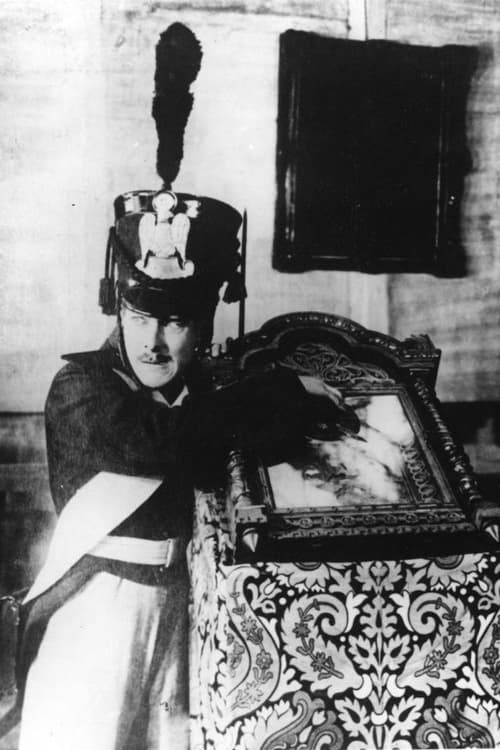
The young serf Eremey Mizgir is surrendered as a soldier by his mistress for his mischievous tricks. Mizgir ends up in St. Petersburg in the guards regiment. Resourceful, quick-witted, cheerful, he easily copes with his official duties and, although he often gets punished by the sergeant-major for his pranks, he never loses heart. But then sad news came from the village: the old people’s cow had died, and Eremey’s bride Dunya was being relentlessly pursued by the clerk. The soldier felt sad. Standing on guard at the rich, diamond-studded icon of the Kazan Mother of God and thinking about how to help the elderly and the bride, Mizgir decides to take a desperate step. He breaks the glass of the icon and picks out a large gemstone from the aureole of the Mother of God. When the loss is discovered, Mizgir, without blinking an eye, announces that the Mother of God herself gave him the stone.
Under the Old Sky
1922
country: Bulgaria
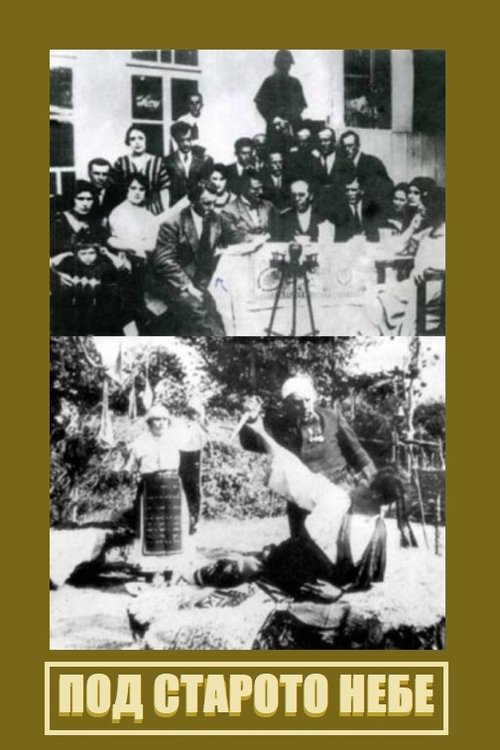
The shepherd Goran and Sevdana are in love. Her father, Old Stanko, gets wind of this and decides to punish the shepherd. Kancho is also in love with Sevdana and looks for opportunity to get rid of Goran. Old Stanko is hurt in a quarrel for land with peasants from the neighboring village. Goran helps him. Kanco takes advantage of the general confusion and shoots at the shepherd. While the two men lie wounded on the ground Kancho surprises Sevdana, who is worried about her father, and drags her towards the vineyards. Aunt Strahila rushes to her help. Sevdana looks after Goran. Old Stanko curses his daughter believing that she is being disgraced. The peasants attribute the present drought to the sins of the young and their defiance of established customs and traditions. Everyone shuns Sevdana and she loses her mind. Kancho does not evade retribution and dies. Goran leaves the village.
Kino-Pravda No. 2
1922 · 11m
country: Russia
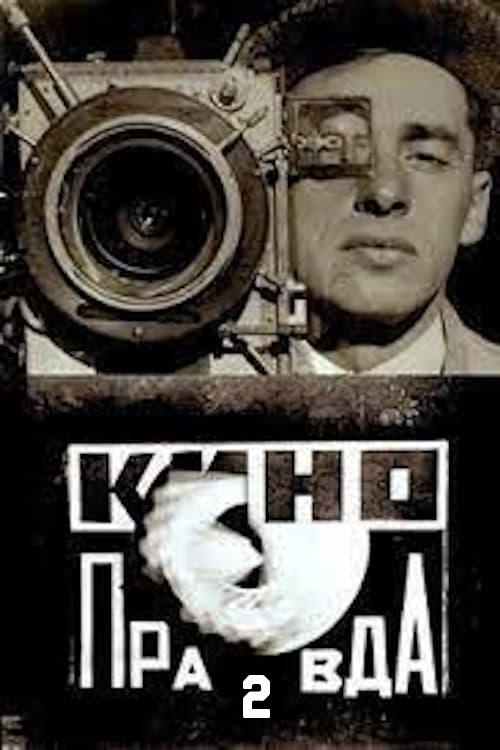
Dziga Vertov-directed Soviet newsreel covering: The opening of an electric generating station / Trial of the Socialist Revolutionaries.

Kino-Pravda No. 3
1922 · 8m
country: Russia
Dziga Vertov-directed Soviet newsreel covering: Trial of the Socialist Revolutionaries / Demonstrators carrying banners.

Kino-Pravda No. 4
1922 · 10m
country: Russia
Dziga Vertov-directed Soviet newsreel covering: Trial of the Socialist Revolutionaries / Motor race Moscow – Sevastopol' / Barges loaded with grain are sent to the starving in the provinces / The Caucasus and its resorts.
The History of the Civil War
1921 · 1h 34m
country: Russia
The epic story of the Russian Civil War (1918-21): the White Terror, the counterrevolutionary uprisings, the guerrilla war, the Kolchak front, the Wrangel front and the Kronstadt rebellion. Chaos and violence, devastation and death.
Kino-Pravda No. 6
1922 · 7m
country: Russia
Dziga Vertov-directed Soviet newsreel covering: Streetcar collision / Arms manufacturing plant resumes operation / Assembling an automobile / Bicycle and motorcycle races / A parade of Red Army armored units and an attack exercise.
Kino-Pravda No. 5
1922 · 9m
country: Russia
Dziga Vertov-directed Soviet newsreel covering: Peasant People's Commissar for Agricultural Affairs, Vasilij Jakovenko / Health resort Soči / Sanatorium for children / Harness racing - The first Red Derby.

Kino-Pravda No. 1
1922 · 11m
country: Russia
Dziga Vertov-directed Soviet newsreel covering: Starving children / Requisitioning of valuables possessed by the Russian Orthodox Church / Fundraising flights in support of the hungry / Trial of the Socialist Revolutionaries.

Kino-Pravda No. 8
1922 · 15m
country: Russia
Dziga Vertov-directed Soviet newsreel covering: A bet is placed on the outcome of the Trial of the Socialist Revolutionaries / The verdict / People in streetcars and on the street / A crashed aircraft / Reconstruction of streetcar line 13 / Peacetime use of tanks – airport construction work.
Kino-Pravda No. 7
1922 · 11m
country: Russia
Dziga Vertov-directed Soviet newsreel covering: Trial of the Socialist Revolutionaries / Rebuilding of the destroyed Siberian village of Taseevo / Railroad station Sljudjanka / Abandoned mica pits near Lake Baikal / Soči health resort / Chudjakovskij-Park / Beach near Tuapse / The loading of silk / Afghanistan, Kabul / Peacetime use of tanks / Mountain road / Chapel in the Caucasus.
Kino-Pravda No. 12
1922 · 10m
country: Russia
Lost Dziga Vertov-directed Soviet newsreel

Kino-Pravda No. 9
1922 · 14m
country: Russia
Dziga Vertov-directed Soviet newsreel covering: Congress of the "Living Church" / Opening of the horse racing season / Demonstration of an American movie camera / Operation of mobile projection units.
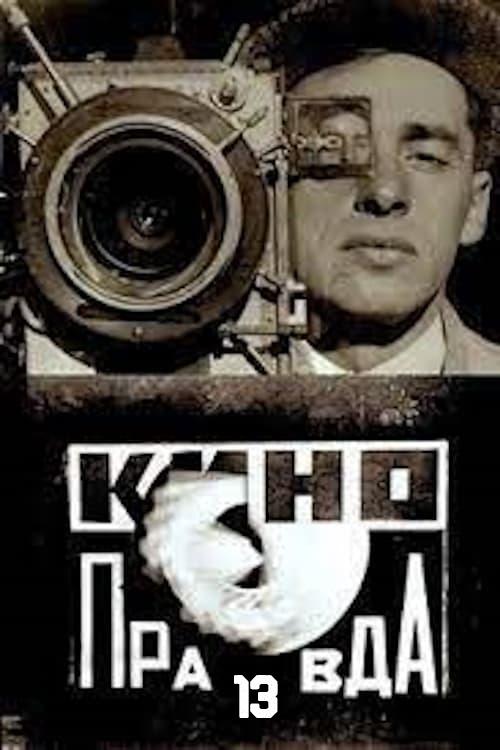
Kino-Pravda No. 13: Yesterday, Today, Tomorrow. A Film Poem Dedicated to the October Revolution
1922 · 37m
country: Russia
Dziga Vertov-directed Soviet newsreel. The first themed issue of Kino-Pravda, devoted to the fifth anniversary of the October Revolution in 1922.

Kino-Pravda No. 10
1922 · 16m
country: Russia
Dziga Vertov-directed Soviet newsreel covering: International Youth Day and demonstrations / All-Russian Olympiad / Streetcar collision / Construction of automobiles in a Petrograd factory.
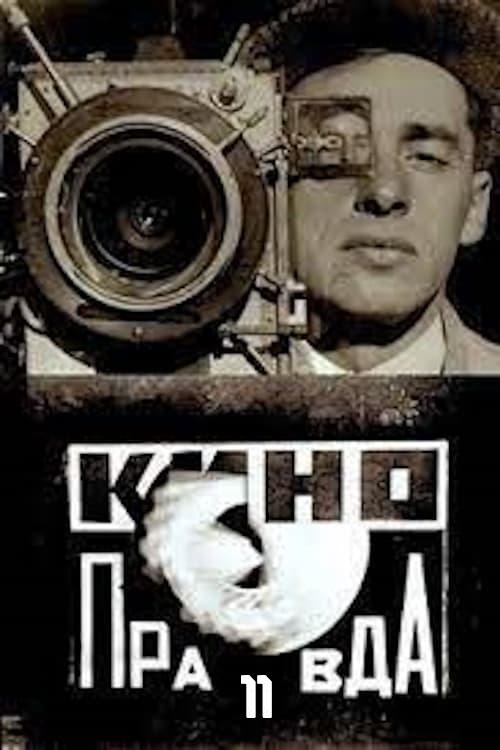
Kino-Pravda No. 11
1922 · 18m
country: Russia
Dziga Vertov-directed Soviet newsreel covering: All-Russian Congress of Trade Unions / Delegations and diplomats / Renaming of a confectionery factory / Unloading supplies / Komsomol Day / Red Army maneuvers.
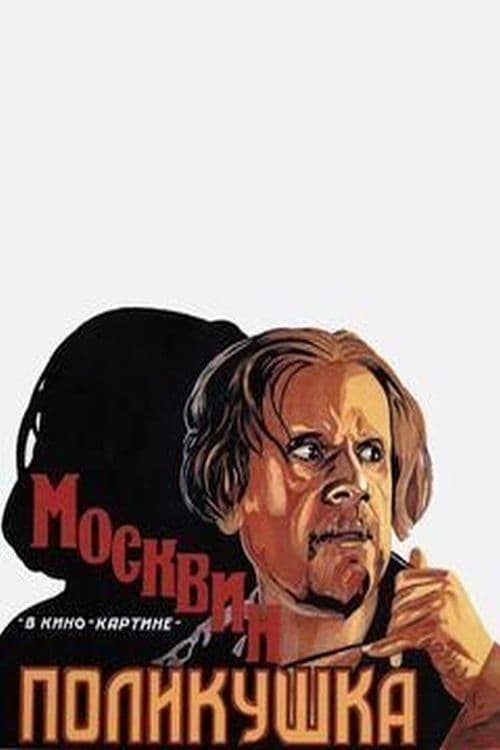
Polikushka
1922 · 42m
country: Russia
"Polikushka" was the only film directed by Aleksandr Sanin, one of Moscow Art Academic Theatre's founders, and is based on Lev Tolstoy's homonym short story. In spite the many differences between the literary oeuvre and its film adaptation it is a remarkable work that is outstanding for its depiction of the cruel realities of Russian society -the harsh life condition of its main character and his family in contrast to the wealth of his mistress;
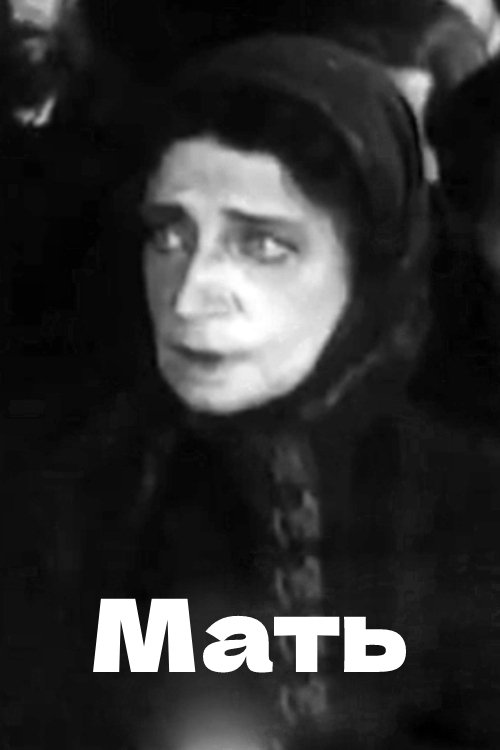
Mother
1920
country: Russia
Only fragments exist of this early version of Mat [Mother] by Aleksandr Razumnyj.