1960s British TV Shows
The 40 most popular 1960s british TV shows, ranked. Click any show for ratings, reviews, trailers, and where to watch.
TMDB2.7
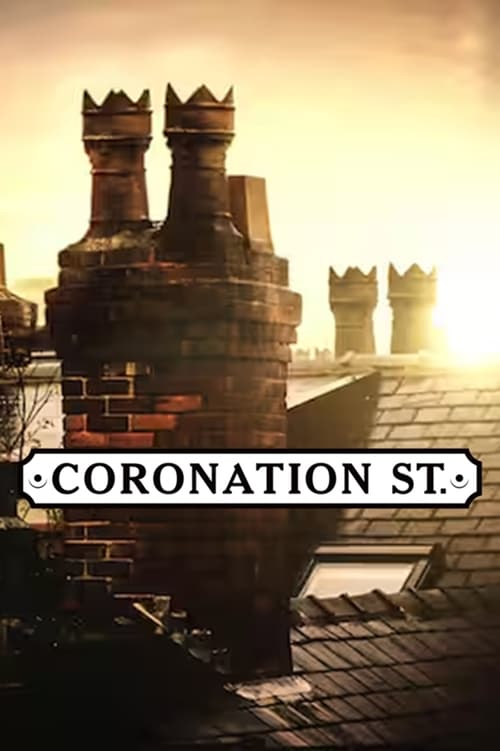
Coronation Street
1960
country: United Kingdom
The residents of Coronation Street are ordinary, working-class people, and the show follows them through regular social and family interactions at home, in the workplace, and in their local pub, the Rovers Return Inn. Britain's longest-running soap.

TMDB3.3
Top of the Pops
1964
country: United Kingdom
The biggest stars, the most iconic performances, the most outrageous outfits – it’s Britain’s number one pop show.

TMDB3.8
Match of the Day
1964
country: United Kingdom
BBC's football highlights and analysis. "The longest-running football television programme in the world" as recognised by Guinness World Records in 2015.
TMDB4.0
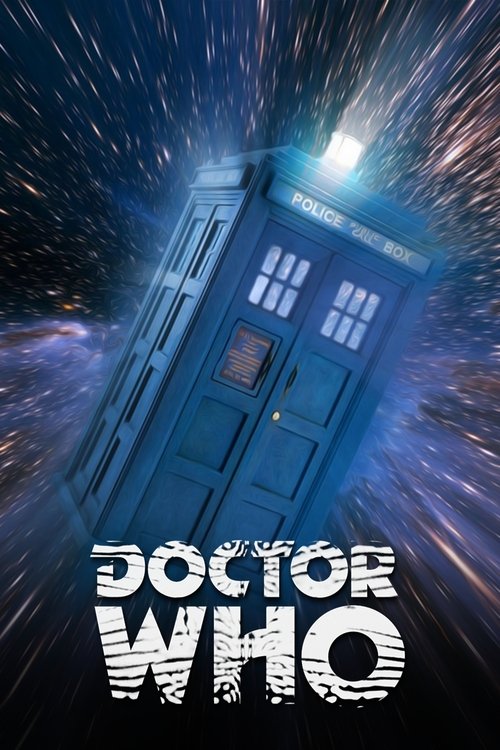
Doctor Who
1963
country: United Kingdom
The adventures of The Doctor, a time-traveling humanoid alien known as a Time Lord. He explores the universe in his TARDIS, a sentient time-traveling spaceship. Its exterior appears as a blue British police box, which was a common sight in Britain in 1963 when the series first aired. Along with a succession of companions, The Doctor faces a variety of foes while working to save civilizations, help ordinary people, and right many wrongs.
TMDB3.2
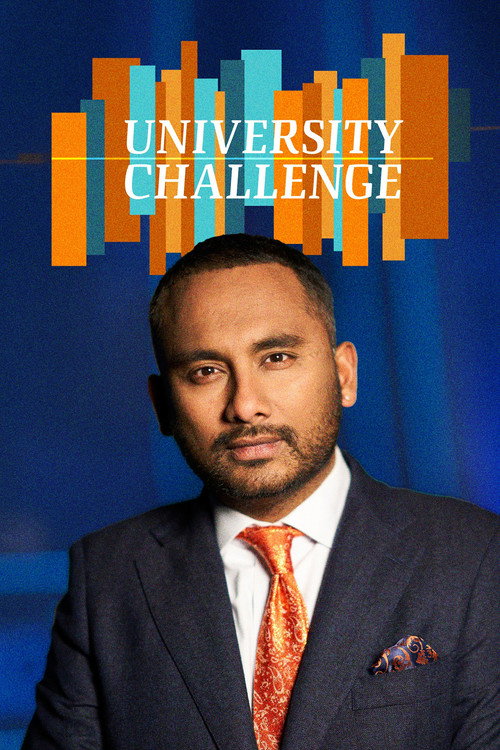
University Challenge
1962
country: United Kingdom
Academic quiz show where teams of students from UK universities answer questions on all manner of subjects.
TMDB3.7
Horizon
1964
country: United Kingdom
Horizon tells amazing science stories, unravels mysteries and reveals worlds you've never seen before.
TMDB3.9
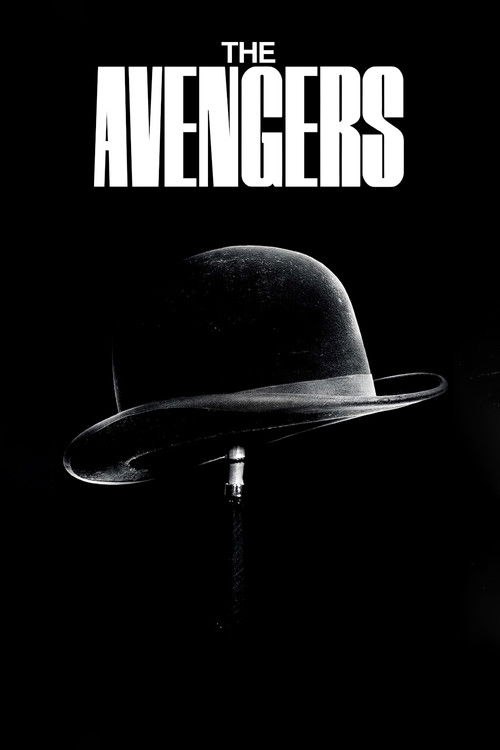
The Avengers
1961
country: United Kingdom
A quirky spy show of the adventures of eccentrically suave British Agent John Steed and his predominantly female partners. Jonathan Steed - an urbane, proper gentleman spy - teams with various assistants throughout the series' run, including Dr. David Keel, Cathy Gale, Emma Peel and Tara King, to repeatedly save the world from diabolical schemes plotted by equally diabolical evil-doers (among them robots and man-eating monsters).

TMDB2.6
BBC Play of the Month
1965
country: United Kingdom
A BBC television anthology series featuring productions of classic and contemporary stage plays usually broadcast on BBC1. Each production featured a different work, often using prominent British stage actors in the leading roles. The series was transmitted from October 1965 to September 1983.
TMDB2.5
Compact
1962
country: United Kingdom
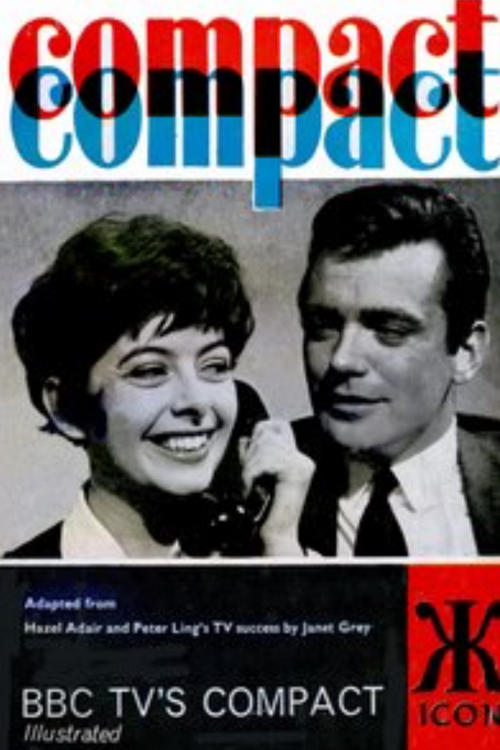
Compact was a British television soap opera shown by the BBC between 1962 and 1965. The series was created by Hazel Adair and Peter Ling, who together went on to devise Crossroads. In contrast to the kitchen sink realism of Coronation Street, Compact was a distinctly middle-class serial, set in the more "sophisticated" arena of magazine publishing. An early "avarice" soap, it took the viewer into the business workplace, and aligned the professional lives of the characters with more personal storylines. The show was scheduled for broadcast on Tuesdays and Thursdays, thus avoiding a clash with ITV's Coronation Street on Mondays and Wednesdays. When Compact began, the editor was a woman, Joanne Minster, yet it was not long before she was replaced by Ian Harmon, the son of the magazine's owner. Despite being largely criticised by reviewers, Compact was popular with the general public, and in 1964 a regular omnibus edition was introduced, broadcast on Sundays. Morris Barry, a some-time actor and BBC director – he directed several Doctor Who stories in the 1960s – took over as producer and was given a brief to spice the series up in view of the criticism it had received from the national press. But the BBC, never comfortable with the concept of soap opera, quietly dropped the series in 1965.
TMDB2.6
Nationwide
1969
country: United Kingdom
Nationwide was a BBC News and current affairs television programme which ran from 9 September 1969 to 5 August 1983. It was broadcast on BBC One each weekday following the early evening news. It followed a magazine format, combining political analysis and discussion with consumer affairs, light entertainment and sports reporting. It began on 9 September 1969, running between Tuesdays and Thursdays at 6.00pm, before being extended to five days a week in 1972. From 1976 until 1981 the start time was 5:55pm. The final edition was broadcast on 5 August 1983, and the following October it was replaced by Sixty Minutes. The long-running Watchdog programme began as a Nationwide feature. The light entertainment was quite similar in tone to That's Life!. Eccentric stories featured skateboarding ducks and men who claimed that they could walk on egg shells.. Richard Stilgoe performed topical songs.
TMDB3.6
Z-Cars
1962
country: United Kingdom
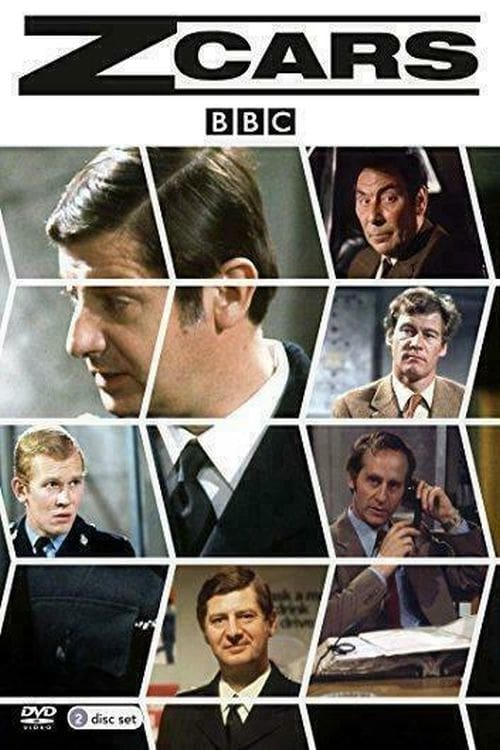
Z-Cars or Z Cars is a British television drama series centred on the work of mobile uniformed police in the fictional town of Newtown, based on Kirkby, Merseyside. Produced by the BBC, it debuted in January 1962 and ran until September 1978.
TMDB2.8
Crossroads
1964
country: United Kingdom
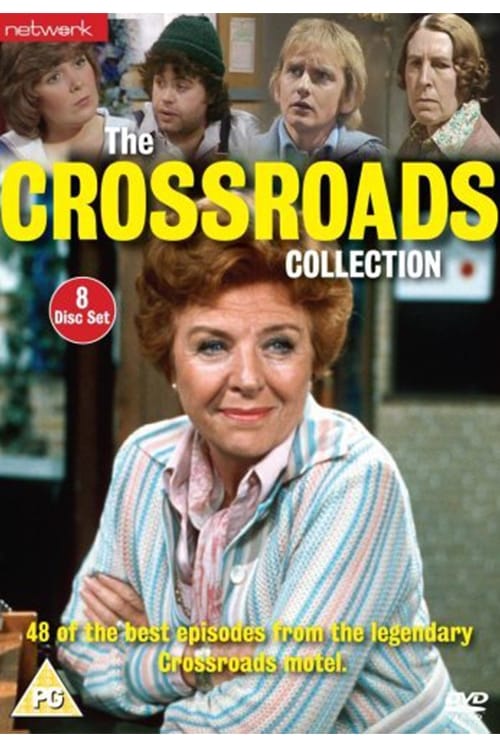
Crossroads is a British television soap opera set in a fictional motel near Birmingham, England. Created by Hazel Adair and Peter Ling, the commercial ITV network originally broadcast the series between 1964 and 1988. Produced by ATV and later by Central it became a byword for cheap production values, particularly in the 1970s and early 1980s. The series was revived in a glossier version by Carlton Television in 2001, but was again cancelled in 2003. The original theme tune was composed by Tony Hatch, and notably covered by Paul McCartney & Wings on their 1975 album Venus and Mars. A new version, which was first aired in 1987 when the series was relaunched as Crossroads, Kings Oak, was composed by Raf Ravenscroft and Max Early.
TMDB3.6
Omnibus
1967
country: United Kingdom
Omnibus was an arts-based BBC television documentary series, broadcast mainly on BBC1 in the United Kingdom. The programme was the successor to the long-running arts-based series 'Monitor'. It ran from 1967 until 2003, usually being transmitted on Sunday evenings. During its 35-year history, the programme won 12 Bafta awards. Among the series' best remembered documentaries are Cracked Actor, a profile of David Bowie, and Rene Magritte, a graduate film by David Wheatley, 'Madonna: Behind the American dream', a film produced by Nadia Hagger, and a profile of the British film director Ridley Scott. For a season in 1982, the series was in a magazine format presented by Barry Norman. The series was replaced by 'Imagine' hosted by Alan Yentob.
TMDB3.7
The Saint
1962
country: United Kingdom
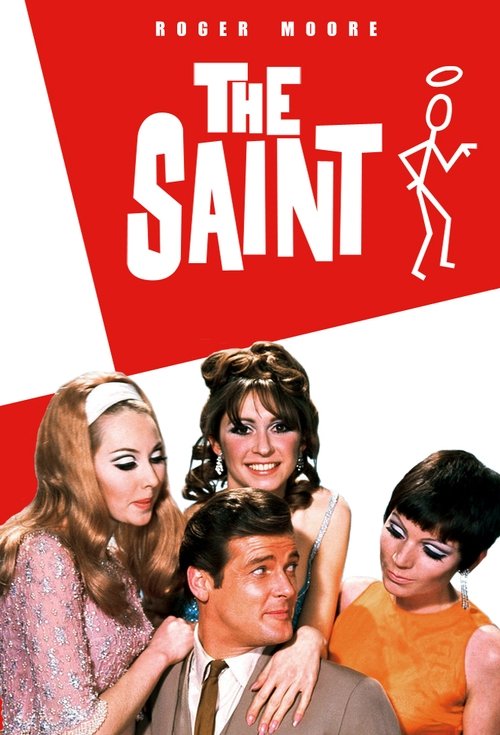
Simon Templar is The Saint, a handsome, sophisticated, debonair, modern-day Robin Hood who recovers ill-gotten wealth and redistributes it to those in need.

TMDB3.6
Theatre 625
1964
country: United Kingdom
Theatre 625 is a British television drama anthology series, produced by the BBC and transmitted on BBC2 from 1964 to 1968. It was one of the first regular programmes in the line-up of the channel, and the title referred to its production and transmission being in the higher-definition 625-line format, which only BBC2 used at the time.
TMDB2.6
The Wednesday Play
1964
country: United Kingdom
An anthology series of television plays which aired on BBC1 from October 1964 to May 1970. The plays were usually written for television, although adaptations from other sources also featured.
TMDB3.5
ITV Playhouse
1967
country: United Kingdom
ITV Playhouse is a British comedy-drama TV series that ran from 1967 to 1983, which featured contributions from playwrights such as Dennis Potter, Rhys Adrian and Alan Sharp. The series began in black and white, but was later shot in colour and was produced by various companies for the ITV network, a format that would inspire Dramarama. Actors appearing in the series included Leslie Anderson, Gwen Nelson, Ricky Alleyne, Pat Heywood, Michael Elphick, Ian Hendry, Edward Woodward, Margaret Lockwood, Jessie Matthews and Lloyd Peters.
TMDB2.1
Thirty-Minute Theatre
1965
country: United Kingdom
An anthology of short plays shown on BBC Television between 1965 and 1973, used in part at least as a training ground for new writers, on account of its short length, and which therefore attracted many writers who later became well known.
TMDB5.0
South at Six
1961
country: United Kingdom
South Today is the BBC's regional television news programme for Hampshire, the Isle of Wight, West Sussex, eastern Dorset, southern and eastern Oxfordshire, western Berkshire and parts of Buckinghamshire, Surrey and Wiltshire. Since 2000, an opt-out of the main programme has also covered most of Oxfordshire, eastern Gloucestershire, western Buckinghamshire and northern parts of Berkshire and Wiltshire.
United!
TMDB3.5
United!
1965
country: United Kingdom
United! was a British television series which was produced by the BBC between 1965 and 1967, and was broadcast twice-weekly on BBC1. The series followed the fortunes of a fictional second division football team, Brentwich United. The football scenes were filmed on the grounds of Stoke City with Jimmy Hill acting as a technical advisor, and the efforts to achieve authenticity saw the show being criticised by the then management of Wolverhampton Wanderers, who complained that the series was based on their team.
TMDB3.5
ITV Saturday Night Theatre
1969
country: United Kingdom
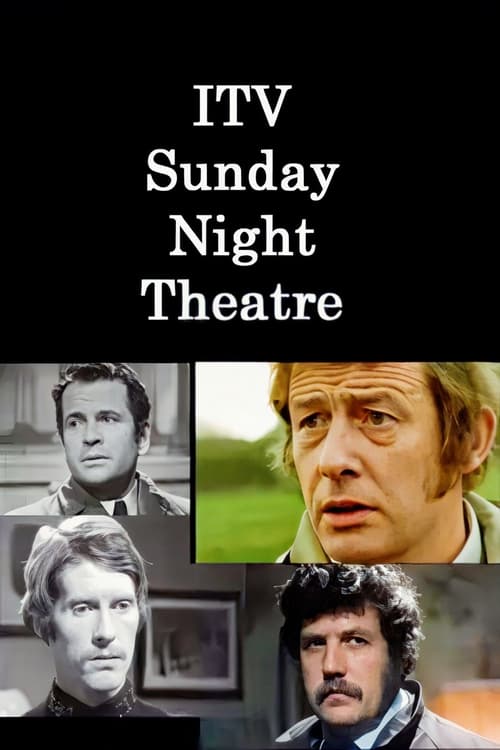
Anthology series of dramatic works.
TMDB3.7
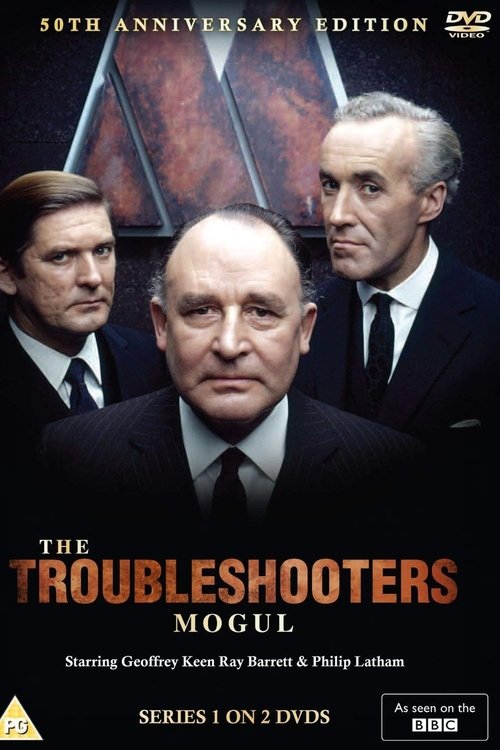
The Troubleshooters
1965
country: United Kingdom
The Troubleshooters is a British television series made by the BBC between 1965 and 1972, created by John Elliot. During its run, the series made the transition from black and white to colour transmissions. The series was based around an international oil company – the "Mogul" of the title. The first series was mostly concerned with the internal politics within the Mogul organisation, with episodes revolving around industrial espionage, internal fraud and negligence almost leading to an accident on a North Sea oil rig.
TMDB3.5
World in Action
1963
country: United Kingdom
World in Action was Granada Television’s flagship ITV current affairs series, running from 7 Jan 1963 to 7 Dec 1998, and built a reputation for film-led investigative reporting and a forceful editorial stance. Its journalism produced major public and political repercussions—including investigations associated with miscarriages of justice such as the Birmingham Six—and it also served as a platform for landmark documentary projects, including the first broadcast of “Seven Up!” as part of the strand in 1964.
TMDB3.3
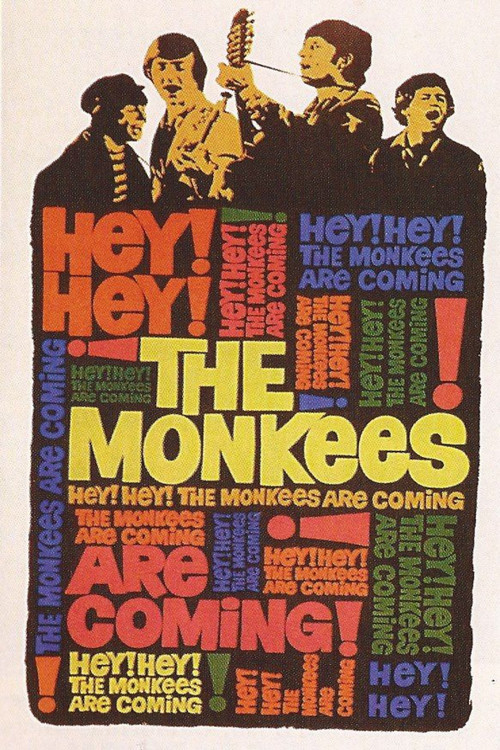
The Monkees
1966
country: United Kingdom
Micky, Mike, Peter, and Davy are four young men in mid-1960s LA, members of a struggling country-folk-rock band looking for their big break amid madcap encounters with a variety of people straight out of TV and movie central casting, with full knowledge that their existence is part of a weekly television series.
TMDB3.3
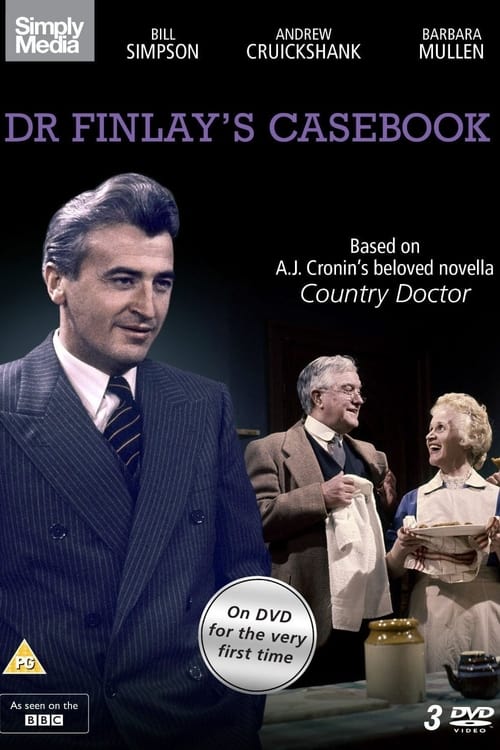
Dr. Finlay's Casebook
1962
country: United Kingdom
Dr Finlay's Casebook is a BBC television series that was broadcast from 1962 until 1971. Based on A. J. Cronin's novella Country Doctor, the storylines centred on a general medical practice in the fictional Scottish town of Tannochbrae during the late 1920s.
TMDB3.3
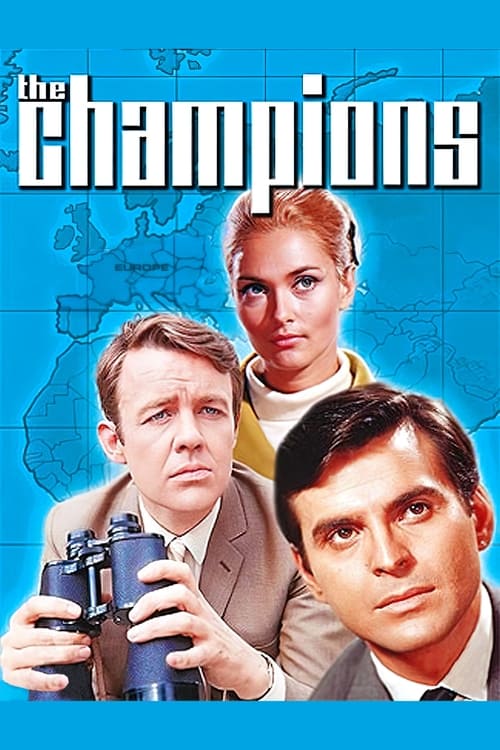
The Champions
1968
country: United Kingdom
After a plane carrying three Agents crashes in the Himalayas, they are rescued by an advanced civilisation secretly living in Tibet who grant them enhanced versions of the ordinary five senses, and intellectual and physical abilities.

TMDB3.7
Danger Man
1960
country: United Kingdom
Danger Man is a British television series which was broadcast between 1960 and 1962, and again between 1964 and 1968. The series featured Patrick McGoohan as secret agent John Drake. Ralph Smart created the programme and wrote many of the scripts. Danger Man was financed by Lew Grade's ITC Entertainment.
TMDB3.7
Dad's Army
1968
country: United Kingdom
Introducing the Walmington-On-Sea home guard. During WW2, in a fictional British seaside town, a ragtag group of Home Guard local defense volunteers prepare for an imminent German invasion.
TMDB3.0
Comedy Playhouse
1961
country: United Kingdom
Comedy Playhouse is a long-running British anthology series of one-off unrelated sitcoms that aired for 120 episodes from 1961 to 1975. Many episodes later graduated to their own series, including Steptoe and Son, Till Death Us Do Part, All Gas and Gaiters, The Liver Birds, Are You Being Served? and Last of the Summer Wine, which is the world's longest running sitcom, having run from January 1973 to August 2010.
TMDB3.5
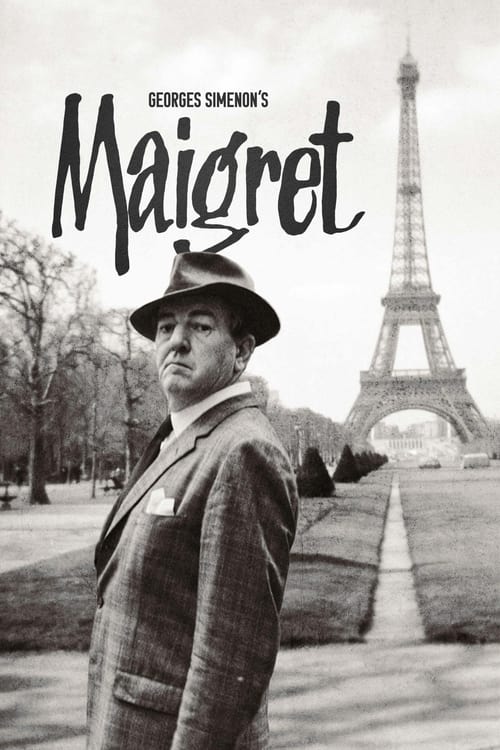
Maigret
1960
country: United Kingdom
BBC series based on the novels by Georges Simenon which starred Rupert Davies as Inspector Maigret, a French police detective who preferred to watch and listen in order to solve crimes. The series ran from 1960-63 on British television.
TMDB4.5
The Expert
1968
country: United Kingdom
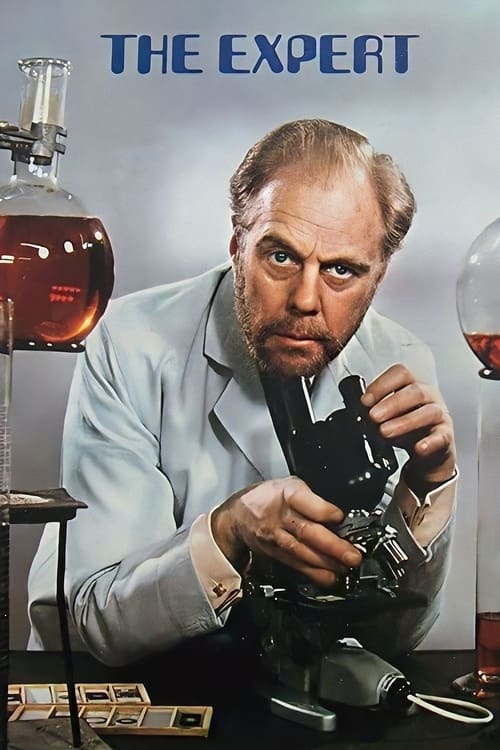
The Expert is a British television series produced by the BBC between 1968 and 1976. The series starred Marius Goring as Dr. John Hardy, a pathologist working for the Home Office and was essentially a police procedural drama, with Hardy bringing his forensic knowledge to solve various cases. The Expert was created and produced by Gerard Glaister. The series was also one of the first BBC dramas to be made in colour, and throughout its four series had numerous high quality guest appearances by actors such as John Carson, Peter Copley, Rachel Kempson, Peter Vaughan, Clive Swift, Geoffrey Palmer, Peter Barkworth, Jean Marsh, Ray Brooks, George Sewell, Anthony Valentine, Bernard Lee, Lee Montague, Geoffrey Bayldon, Mike Pratt, Edward Fox, André Morell, Brian Blessed, Nigel Stock, Philip Madoc and Warren Clarke.
TMDB2.9
Mystery and Imagination
1966
country: United Kingdom
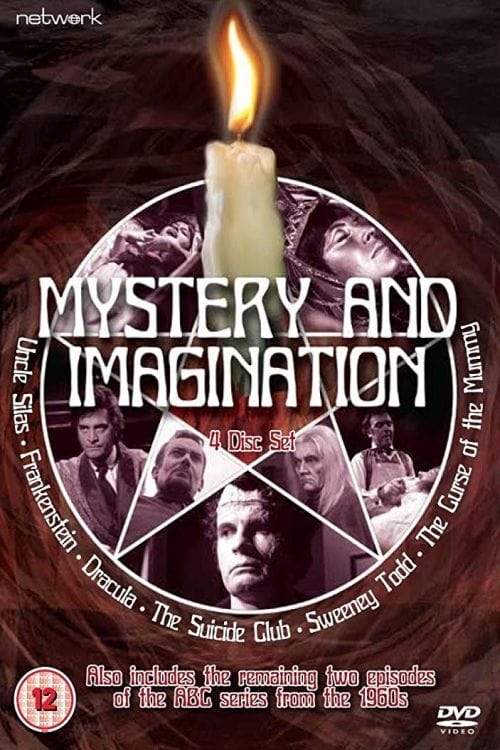
Mystery and Imagination is a British television anthology of classic horror and supernatural dramas. Five series were broadcast from 1966 to 1970 on ITV and produced by ABC and Thames Television.
TMDB4.1
Monty Python's Flying Circus
1969
country: United Kingdom
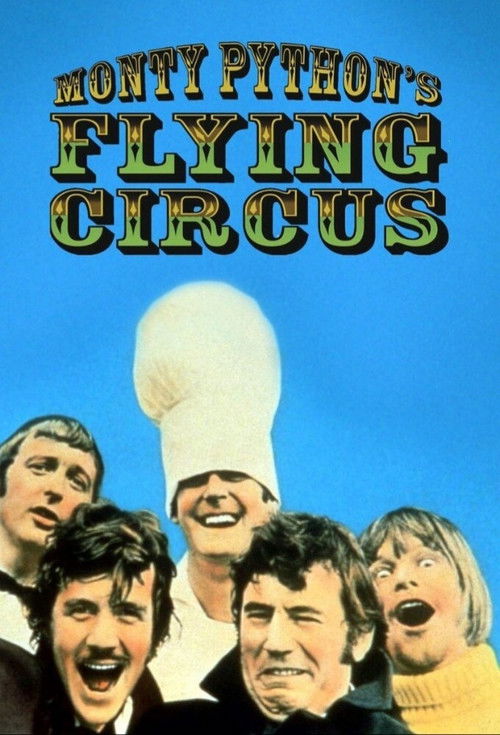
A British sketch comedy series with the shows being composed of surreality, risqué or innuendo-laden humour, sight gags and observational sketches without punchlines.
TMDB3.2
Tomorrow's World
1965
country: United Kingdom
Tomorrow's World was a long-running BBC television series on new developments in science and technology. First transmitted on 7 July 1965 on BBC1, it ran for 38 years until it was cancelled at the beginning of 2003.
TMDB3.8
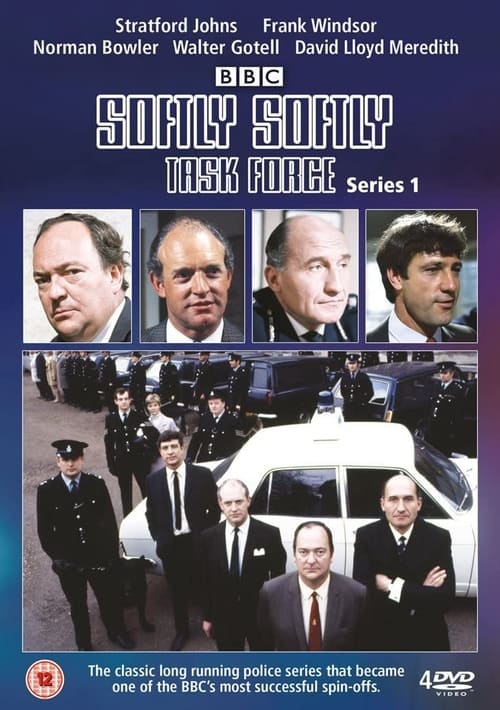
Softly, Softly
1966
country: United Kingdom
Softly, Softly is a British television drama series, produced by the BBC and screened on BBC 1 from January 1966. It centred around the work of regional crime squads, plain-clothes CID officers based in the fictional region of Wyvern, supposedly in the Bristol area of England.
TMDB3.5
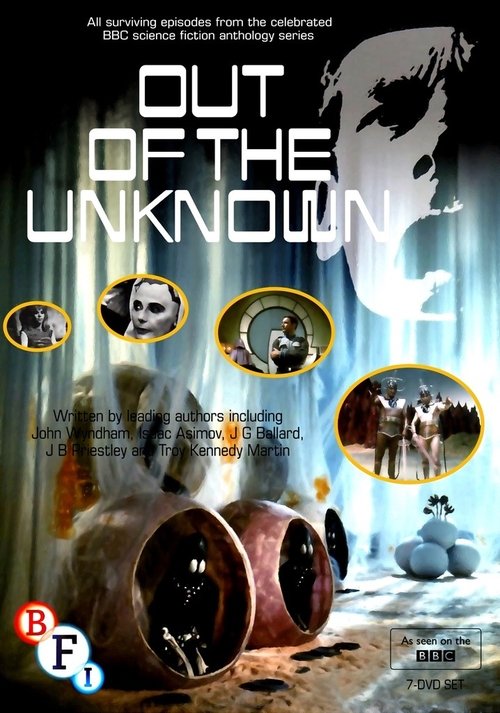
Out of the Unknown
1965
country: United Kingdom
Out of the Unknown is a British television science fiction anthology drama series, produced by the BBC and broadcast on BBC2 in four series between 1965 and 1971. Each episode was a dramatisation of a science fiction short story; some were created for the series, but most were adaptations of already published stories. The first three years were exclusively science fiction, but that genre was abandoned in the final year in favour of horror and fantasy. A number of episodes were wiped during the early 1970s, as was standard procedure at the time.
TMDB4.1
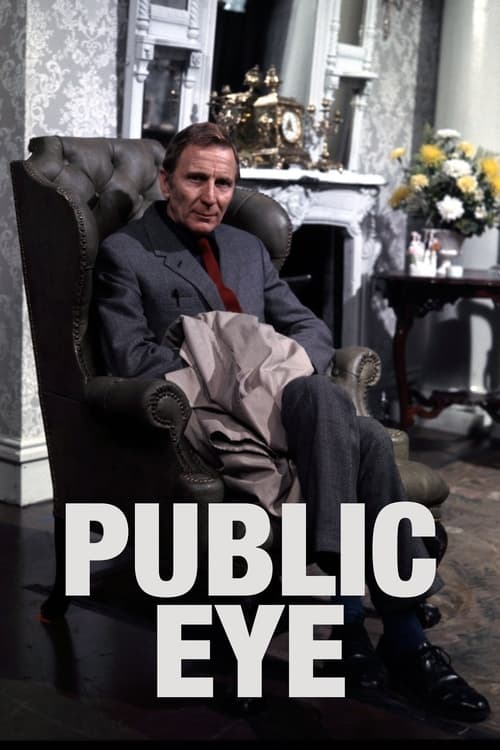
Public Eye
1965
country: United Kingdom
Public Eye is a British television drama broadcast from 1965 to 1975 on ITV1. Produced by ABC Television for three series, and Thames Television for a further four, the programme follows the investigations and cases handled by the unglamourous enquiry agent Frank Marker.
TMDB3.9
The Prisoner
1967
country: United Kingdom
After resigning, a secret agent is abducted and taken to what looks like an idyllic village, but is really a bizarre Kafkaesque prison. His warders demand information. He gives them nothing, but only tries to escape.
TMDB3.0
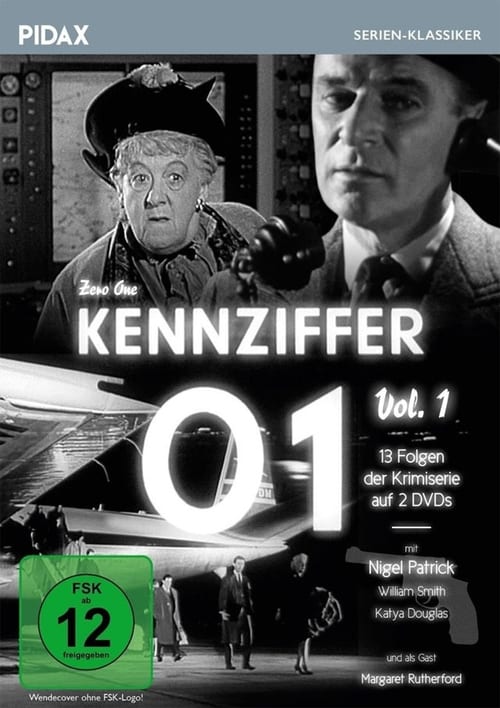
Zero One
1962
country: United Kingdom
'Zero One' is the call sign of the International Air Security Board, an international security network dedicated to the safety of air travel all around the world, with its HQ at London Airport. Airline detective Alan Garnett is called upon to combat hijackers and smugglers, prevent disasters, and generally preserve peace in the air and at airports.
TMDB3.7
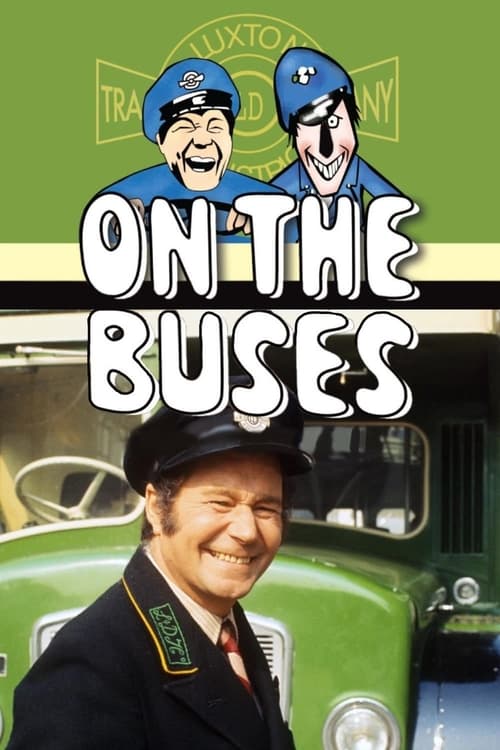
On the Buses
1969
country: United Kingdom
On the Buses is a British comedy series created by Ronald Wolfe and Ronald Chesney, broadcast in the United Kingdom from 1969 to 1973. The writers' previous successes with The Rag Trade and Meet the Wife were for the BBC, but the corporation rejected On the Buses, not seeing much comedy potential in a bus depot as a setting. The comedy partnership turned to a friend, Frank Muir, Head of Entertainment at London Weekend Television, who loved the idea; the show was accepted and despite a poor critical reception became a hit with viewers.
About 1960s British TV Shows
The 1960s
1960s television was the medium's first confident decade, when the Western and the variety show gave way to a broader range of genre programming in colour.
British television
British television's defining habit is the short series — six episodes, one writer, a finite story. That structure produced the modern prestige miniseries and a format catalogue the rest of the world keeps adapting.
In this list
- Best reviewed
- Monty Python's Flying Circus (8.3)
- Most common genres
- Drama, Crime, Comedy
- Longest run
- 67 seasons
Common questions
- What are the best 1960s British TV shows?
- By popularity across Flickfolio and TMDB, the top picks right now are Coronation Street, Top of the Pops, and Match of the Day. The full ranked list of 40 sits above — open any show for ratings, reviews, and streaming availability.
- How is this list ranked?
- 1960s British TV shows are ordered by overall popularity, which blends how often a title is viewed, searched, and logged. It updates as viewing habits shift, so the list reflects what people are actually watching rather than a fixed critical canon.
- Where can I watch these TV shows?
- Every show page lists current streaming, rental, and purchase options for your region, alongside community ratings and reviews from Flickfolio members.