1970s Brazilian TV Shows
The 40 most popular 1970s brazilian TV shows, ranked. Click any show for ratings, reviews, trailers, and where to watch.
TMDB4.0
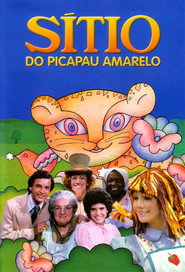
Sítio do Picapau Amarelo
1977 · BR
The stories created by Monteiro Lobato take place at the "Sítio do Picapau Amarelo" (Yellow Woodpecker Farm), where various characters experience magical tales and star in unforgettable adventures.
TMDB4.0
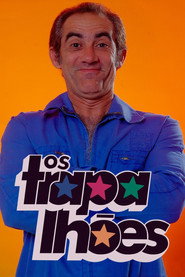
The Trapalhões
1977 · BR
Os Trapalhões was a Brazilian comedy group and also a Brazilian television series created by Wilton Franco. Its members were Dedé Santana, Zacarias, Mussum and their leader Didi Mocó, that was played by Renato Aragão. The name Trapalhões is derived from the Portuguese verb atrapalhar, which means the opposite of helping, to do something the wrong way or to Those that confuse. The name is translated "Tramps" in English DVD subtitles. It was aired by Rede Globo from 1977 to 1999. On March 18, 1990, Zacarias died due to respiratory failure, but the group and the series didn't come to an end until July 29, 1994, when Mussum died due to an unsuccessful heart transplant.

TMDB4.2
Fantástico
1973 · BR
'Fantástico' is a journalistic program shown on Sundays, presented by Poliana Abritta and Maju Coutinho. Every week, he presents special reports, shows and various paintings.
TMDB4.7
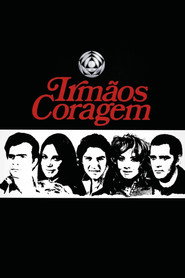
Irmãos Coragem
1970 · BR
The fight for freedom and against oppression is the central theme of this soap opera that tells the story of the Coragem brothers: João, Jerônimo and Duda, in the city of Coroado.
O Machão
TMDB4.0
O Machão
1974 · BR
No overview available
Jerônimo, o Herói do Sertão
TMDB4.5
Jerônimo, o Herói do Sertão
1972 · BR
No overview available
TMDB4.3
Vila Sésamo
1972 · BR
No overview available
TMDB4.0
O Semideus
1973 · BR
No overview available
TMDB4.5
Selva de Pedra
1972 · BR
Amidst an unresolved crime, Simone protects Cristiano and falls in love with him. However, the couple faces ambition and betrayals that tear them apart. Presumed dead, she returns under a new identity seeking revenge.
As Pupilas do Senhor Reitor
TMDB3.5
As Pupilas do Senhor Reitor
1970 · BR
No overview available
TMDB3.5
Simplesmente Maria
1970 · BR
No overview available
Secrets of Sand
TMDB4.0
Secrets of Sand
1973 · BR
Twin sisters with contrasting personalities, Ruth and Raquel, rival in the fictional Pontal D'Areia, on the coast of Rio de Janeiro.

TMDB3.9
Dancin' Days
1978 · BR
A down-on-her-luck former inmate tries to reconnect with her daughter--to the objections of her sister who raised the girl, meets a millionaire, and transforms into a strong woman, returning to society at Dancin' Days nightclub's opening.
A Fábrica
TMDB5.0
A Fábrica
1971 · BR
No overview available

TMDB3.4
Uma Rosa com Amor
1972 · BR
Serafina is a romantic young woman who dreams of experiencing great love. Claude is a wealthy businessman who is in the country illegally. The two make a deal that will transform their lives.
TMDB5.0
O Homem Que Deve Morrer
1971 · BR
No overview available
O Direito de Nascer
TMDB4.5
O Direito de Nascer
1978 · BR
No overview available
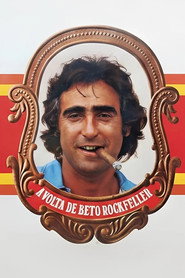
TMDB4.5
The Return Of The Rockefeller
1973 · BR
The big shot Albert returns after three years, reuniting with his family — his parents and his sister. And he gets in touch with some acquaintances, such as his old friend Vitório and a decadent high society woman. And once again Albert, the Rockefeller gets involved with millionaires and opportunists.
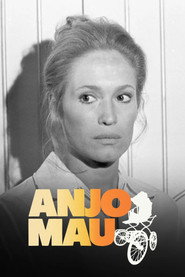
TMDB4.0
Anjo Mau
1976 · BR
A poor young woman, unhappy with her inevitable destiny as a suburban housewife, gets a job as a nanny for a wealthy family and falls in love with her employer's brother, using every trick to win him over and ultimately become the lady of the mansion. .
Dead Gods
TMDB4.5
Dead Gods
1971 · BR
In 1889, a conflict arose between the decadent and ruined rural aristocracy following the liberation of slaves and a new class of wealthy individuals, comprised of entrepreneurs emerging from the republican industrial class, interested in free labor. In the city of Ouro Negro, in the interior of São Paulo state, the conservative, aristocratic, and monarchist Almeida Santos family, which traditionally dominated the region, began to lose ground to the Lobo Ferraz family, representing the nascent progressive and republican bourgeoisie.

TMDB4.5
Meu Pedacinho de Chão
1971 · BR
Colonel Epaminondas is a retrograde and authoritarian man, who commands and dismantles the region. He declares war on Pedro Galvão, his main rival, when he donates part of his land – purchased from the colonel – for the construction of a church and a school. The arrival of professor Juliana, right at the beginning of the plot, changes the lives of the residents of the small village. Juliana takes over the school and ends up arousing the interest of Fernando, Epaminondas' son. Oblivious to the fights that drive the story are Pituca (Patrí and Serelepe (Aires Pinto). The friendship between the two children, however, does not please the colonel, who is always fighting with his daughter. 'Meu Pedacinho de Chão' was co-produced and shown simultaneously by Globo and TV Cultura in São Paulo.
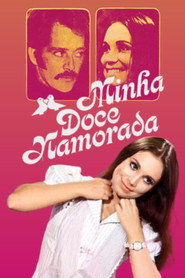
TMDB4.5
Minha Doce Namorada
1971 · BR
Patricia, an orphan living in a traveling amusement park, believes the stars will bring her happiness. One day, an astrologer predicts the impossible: the young woman, an Aquarius, will fall in love with a Pisces boy, a sign initially incompatible with hers. The girl does, in fact, become enchanted by the wealthy student Renato, but he doesn't feel the same way. Patricia travels to Rio de Janeiro, where she befriends a gentleman whom she affectionately calls Mr. Pepe, unaware that he is Renato's great-uncle and the owner of the company where she begins working. Mr. Pepe discovers fraudulent activities committed by his family and decides to fake his death to observe the dispute over his inheritance.
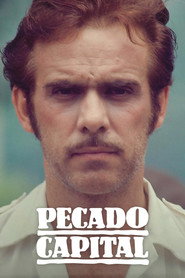
TMDB4.3
Pecado Capital
1975 · BR
Carlão is a taxi driver who experiences a drama of conscience after fleeing bank robbers leave a suitcase with stolen money in his car: he doesn't know whether to hand it over to the police, running the risk of being accused of being an accomplice in the robbery, or whether to use the money to solve his problems.
As Divinas… e Maravilhosas
TMDB5.0
As Divinas… e Maravilhosas
1973 · BR
No overview available

TMDB4.0
Papai Coração
1976 · BR
No overview available

TMDB3.5
Tempo de Viver
1972 · BR
No overview available
TMDB4.1
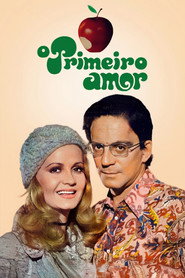
O Primeiro Amor
1972 · BR
Professor Luciano Lima arrives in the fictional town of Nova Esperança to take over as principal of a school. A widower, he hires a governess to take care of his four children: Júnior, Babi, Zizi, and Rui. The professor and the governess, Paula, fall in love, but the romance faces strong resistance from the children, especially Babi, the most rebellious of the four. Luciano also encounters difficulties at the school. His former girlfriend, English teacher Maria do Carmo, does everything she can to steal his position as principal. Meanwhile, a group of maladjusted and rebellious students, led by the biker Rafa, disrupts the school environment and bothers the other students. In this scenario, Giovana, a young psychologist hired by Luciano to help him deal with the rebellious students, emerges. She ends up forming a love triangle with Paula and the professor.

TMDB3.5
Vitória Bonelli
1972 · BR
No overview available

TMDB3.5
Cara a Cara
1979 · BR
Millionaire Ingrid Von Herbert comes to Brazil to search for her missing son, who was taken from her in Italy by the child's father during World War II. Here, she meets and falls in love with mechanic Fran, but resists this love because she suspects he might be her son. There are other suspicions, but this mystery persists throughout the plot. An unusual event changes the course of the story: Fran's father, Sandro, has his car sabotaged and dies in an accident.

TMDB4.5
O Todo Poderoso
1979 · BR
The plot unfolds across two distinct worlds: Dr. Cristiano Navarro’s hospital and an impoverished neighborhood on the outskirts of São Paulo. While doctors at the hospital fight to save lives using state-of-the-art medical technology, young Emanuel—living in the neighborhood—demonstrates the ability to perform miraculous, extraordinary healings with just the touch of his hands. Dr. Cristiano is married to Linda, a wealthy, refined woman twenty years his junior. They long for a child but have been unable to conceive. Linda consults Dr. Paula, a renowned gynecologist, but the doctor cannot resolve their issue. Linda then decides to seek help from Emanuel, sparking a series of conflicts with her husband. However, things are far from ideal in Emanuel’s neighborhood. He possesses paranormal abilities that sometimes manifest in ways beyond his control. An enigmatic and unpredictable man, Emanuel fears his own powers.

TMDB4.4
Locomotives
1977 · BR
Kiki Blanche is a former star dedicated to her family and her beauty salon, in the South Zone of Rio de Janeiro. In addition to Milena, her legitimate daughter, Kiki raises Fernanda, Paulo, Renata and Regina. The great conflict of the plot is Fernanda's passion for Fábio, a man also loved by Milena.
TMDB4.4
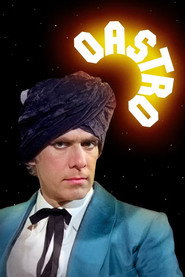
O Astro
1977 · BR
Herculano Quintanilha, after a failed coup and escape from prison, becomes a magician. He meets Márcio, a conflicted heir, and begins to influence his powerful family.

TMDB4.0
Corrida do Ouro
1974 · BR
Five women inherit a fortune from a stranger, but to claim the money they must fulfill certain requirements. How much is it worth to choose our own destiny?

TMDB3.5
Planeta dos Homens
1976 · BR
No overview available
TMDB3.8
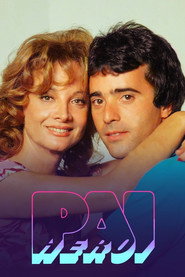
Pai Herói
1979 · BR
After his grandfather's death, André Cajarana goes to Rio de Janeiro to understand the death of his father—whom he had always believed to be a hero—and to try to prove his innocence.
Como Salvar Meu Casamento
TMDB4.8
Como Salvar Meu Casamento
1979 · BR
No overview available
Ídolo de Pano
TMDB4.3
Ídolo de Pano
1974 · BR
No overview available
TMDB4.5
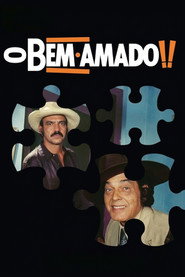
O Bem-Amado
1973 · BR
Based on the work of Dias Gomes, 'O Bem Amado' is a political satire that revolves around Odorico Paraguaçu, the opportunistic mayor of the city of Sucupira.
TMDB4.5
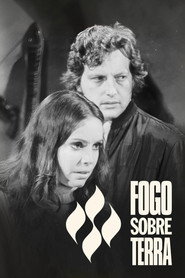
Fogo Sobre Terra
1974 · BR
The plot takes place in a fictional city called Vale do Café, where two powerful families, the Toledo and Fontes, are locked in an intense dispute for power and land ownership. Conflicts are marked by betrayals, forbidden loves and dark secrets. The soap opera addresses themes such as ambition, revenge, romance and conflicts between families, showing the fire that consumes the land and human relationships.
TMDB4.2
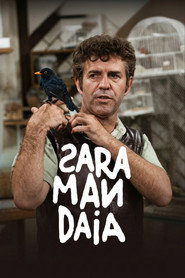
Saramandaia
1976 · BR
Saramandaia is a Brazilian telenovela originally written by Dias Gomes in 1976. It's considered remarkable because of the Magic Realism (used by the author to subtly criticize the Military Regime of the time) and had 160 chapters. The story centers on the name change that the city undergoes, promoted by the younger citizens and reviled by the older ones. It also focuses on the lives of the city's quirky residents.
About 1970s Brazilian TV Shows
The 1970s
1970s television grew markedly more socially engaged, with sitcoms and dramas taking on subject matter the previous decade wouldn't touch.
Brazilian television
Brazilian television is built on the telenovela, produced at enormous scale and with a broader social range than the format's reputation suggests.
In this list
- Most common genres
- Soap, Drama, Comedy
- Longest run
- 54 seasons
Common questions
- What are the best 1970s Brazilian TV shows?
- By popularity across Flickfolio and TMDB, the top picks right now are Sítio do Picapau Amarelo, The Trapalhões, and Fantástico. The full ranked list of 40 sits above — open any show for ratings, reviews, and streaming availability.
- How is this list ranked?
- 1970s Brazilian TV shows are ordered by overall popularity, which blends how often a title is viewed, searched, and logged. It updates as viewing habits shift, so the list reflects what people are actually watching rather than a fixed critical canon.
- Where can I watch these TV shows?
- Every show page lists current streaming, rental, and purchase options for your region, alongside community ratings and reviews from Flickfolio members.