1970s French TV Shows
The 40 most popular 1970s french TV shows, ranked. Click any show for ratings, reviews, trailers, and where to watch.
TMDB5.0
Le 20H
1975
country: France
No overview available
TMDB3.6
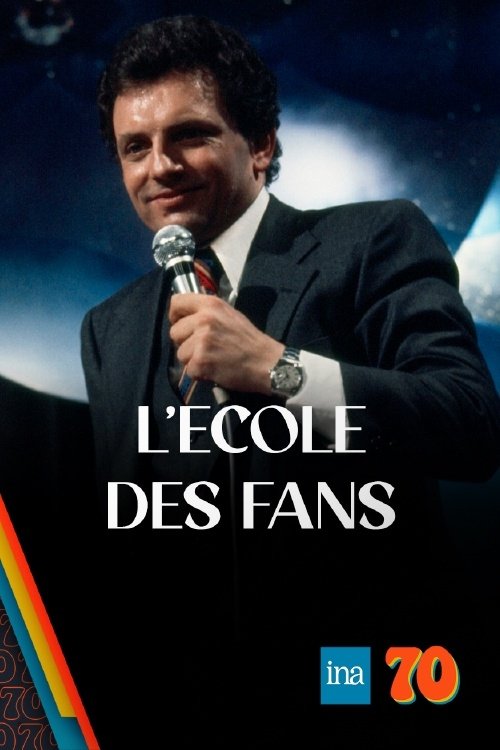
Fan School
1977
country: France
Host Jacques Martin invites different talented children from various backgrounds to showcase their beautiful voices. The participants entertain and wow the audience with their lovely performances.
TMDB4.3
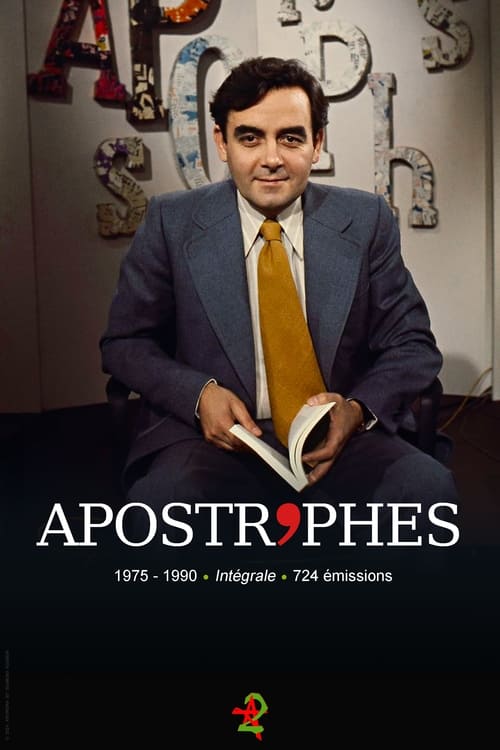
Apostrophes
1975
country: France
Apostrophes was a live, weekly, literary, prime-time, talk show on French television created and hosted by Bernard Pivot. It ran for fifteen years (724 episodes) from January 10, 1975, to June 22, 1990, and was one of the most watched shows on French television (around 6 million regular viewers). It was broadcast on Friday nights on the channel France 2 (which was called "Antenne 2" from 1975 to 1992). The hourlong show was devoted to books, authors and literature. The format varied between one-on-one interviews with a single author and open discussions between four or five authors.
TMDB3.8
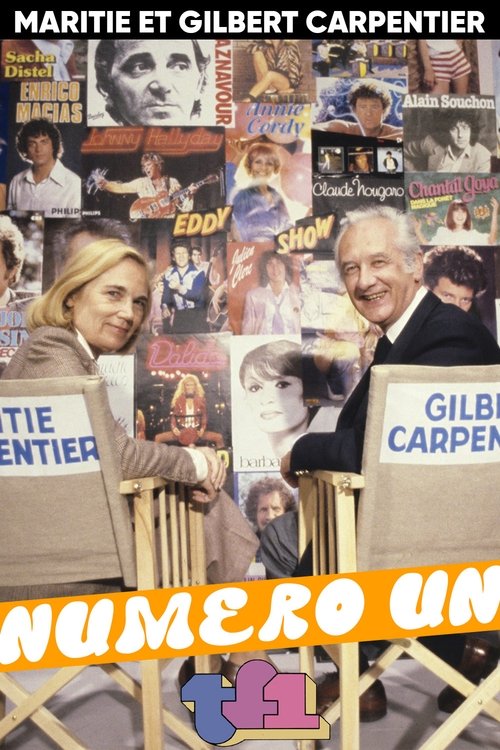
Numéro un
1975
country: France
A French variety show.
TMDB4.5
Midi Première
1975
country: France
Midi Première is a French variety show presented by Danièle Gilbert, directed by Jacques Pierre and broadcast from January 6, 1975 until January 1, 1982 on TF1. The program was generally broadcast between 12:15 p.m. and 12:55 p.m., then giving way to the 1:00 p.m. TV news. However, the broadcast schedule could change, depending on the guests, and the setting where the recording of the program was shot. Certain performances by artists who have become cult like the one where Ringo jostles with a demonstrator in interpretation (1977), that of Dalida with the title There is always a song with the soundtrack that does not start, twice, at the right speed (1978), Claude François and his Clodettes, who, in the provinces, are unable to join "the set" in order to interpret his song, the latter being taken by the crowd of delirious fans (summer 1977) . The group Supertramp performed there with the title "Dreamer" on March 8, 1975.
TMDB4.8
Spécial cinéma
1974
country: France
Marcello Mastroianni, Isabelle Adjani, Alain Delon, Martin Scorsese, Woody Allen... the biggest stars in cinema were welcomed by Christian Defaye on his show Spécial cinéma. Between intimate confessions from actors and immersion in the world of the greatest filmmakers, Christian Defaye took viewers on a journey into the fascinating world of cinema for nearly thirty years.

TMDB3.0
Les Rendez-vous du dimanche
1975
country: France
A talk show presented by Michel Drucker
TMDB4.0
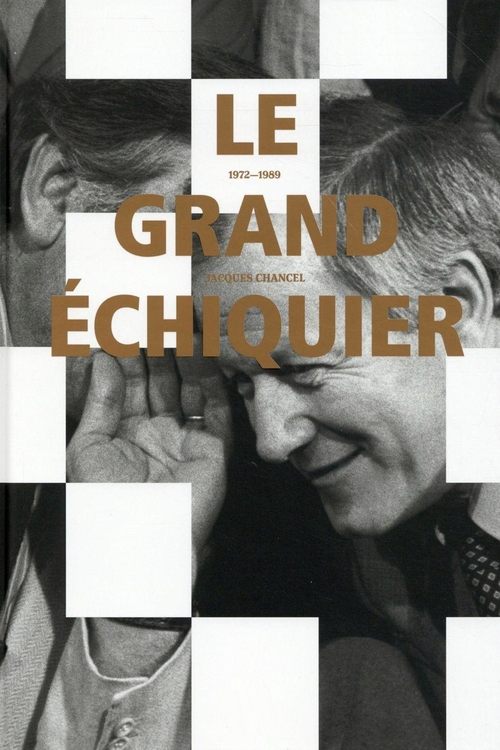
Le Grand Échiquier
1972
country: France
Le Grand Échiquier is a French variety television program created and presented by Jacques Chancel. It aired at 8:30 pm on the first channel of the ORTF from January 12, 1972 to July 12, 1972, then on the second color channel of the ORTF from September 1972 to December 1974, and finally on Antenne 2 from January 1975 to December 21, 1989. The program returned to France 2 on December 20, 2018 and is hosted by Anne-Sophie Lapix.
TMDB2.5
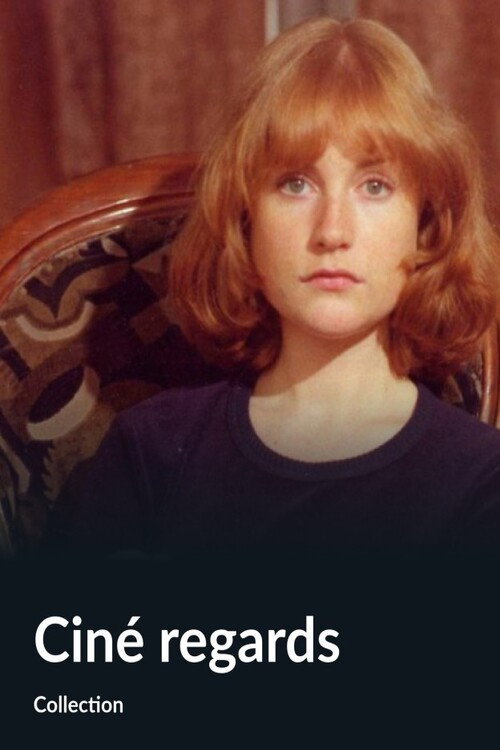
Ciné regards
1978
country: France
No overview available
TMDB3.0
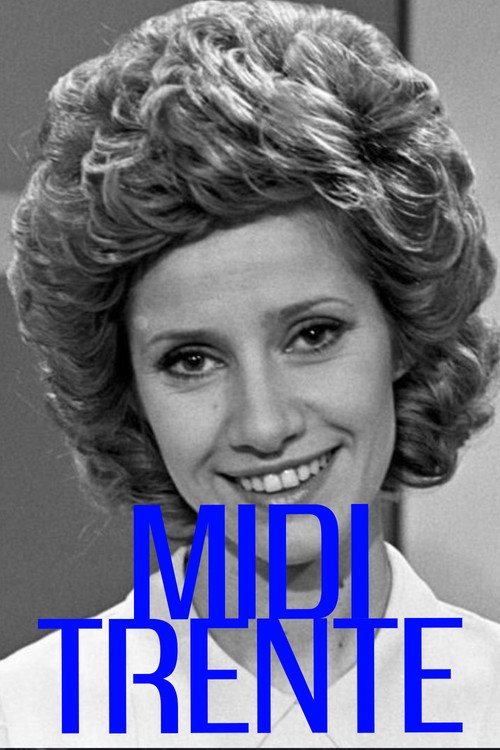
Midi trente
1972
country: France
No overview available
Samedi soir
TMDB3.0
Samedi soir
1971
country: France
No overview available
TMDB2.6
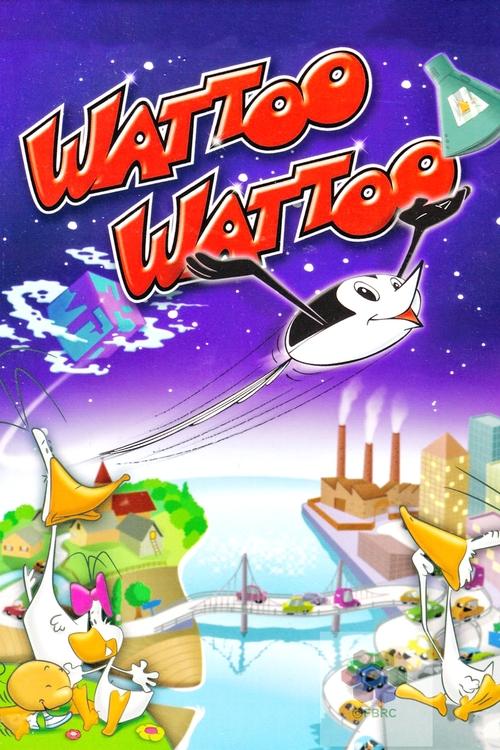
Wattoo Wattoo Super Bird
1978
country: France
Wattoo Wattoo Super Bird is a French cartoon series created in 1978. Consisting of 60 five-minute episodes, the series was intended to teach morals to children.
TMDB3.5
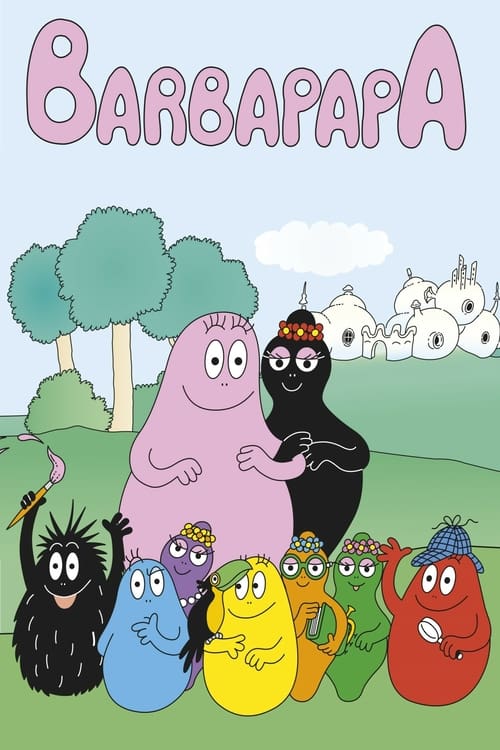
Barbapapa
1974
country: France
The adventures of Barbapapa and Barbama and their seven children, where they search for their place in the world, while helping humans and animals.
TMDB3.1
30 millions d'amis
1976
country: France
No overview available
TMDB2.3
Cérémonie des César
1976
country: France
The César Awards are cinematographic awards created in 1976 and presented annually in Paris to professionals of the 7th art in various categories to recognize the best French productions. They are often cited as the French equivalent of the Oscars in the United States.
TMDB3.5
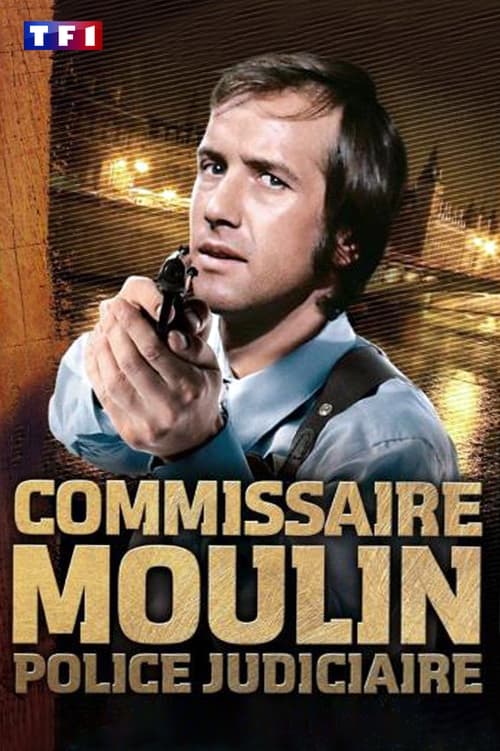
Police Commissioner Moulin
1976
country: France
The series follows the adventures of lighthearted Jean-Paul Moulin, a police Commissaire, and his team as they solve crimes.

TMDB3.9
Arsène Lupin
1971
country: France
Arsène Lupin is a French TV show which was co-produced with German, Canadian, Belgian, Dutch, Swiss, Italian and Austrian TV stations. It was only loosely based on Maurice Leblancs novels. Georges Descrières' portrayal of Arsène Lupin showed more similarity to Graf Yoster than to Maurice Leblanc's original. He behaved in the first place as a perfect gentleman who never got angry. He was always relaxed, because whatever could possibly had bothered him in daily life was taken care of by his butler. It wasn't questioned how he had come to his financial independence although the series sometimes discreetly implied that he was a professional criminal. Besides rescuing damsels in distress Lupin took on criminals, competing with their wit and intelligence. Either he stole paintings from rich people who had to be considered white-collar criminals or he acted as a detective who derailed criminal schemes. However, when he was attacked, he could defend himself effortlessly by using elegant jujutsu methods. Among the guest stars were German actors such as Günter Strack and Sky du Mont. Jean-Paul Salomé said in his commentary on the DVD version of his film Arsène Lupin he had like this series as a child. German TV, one the investors, would broadcast the show eventually between 18:00-20:00 o'clock because it was only allowed to show commercials within that very timeslot. For them to get a financial return on investment the show had to be appropriate for families and also for children who would watch it alone. Subsequently it was nearby to ask to defuse and flatten some of Leblanc's plots in order to avoid possible complaints that could force the station to broadcast the show beyond the "Vorabendprogramm".
TMDB3.5
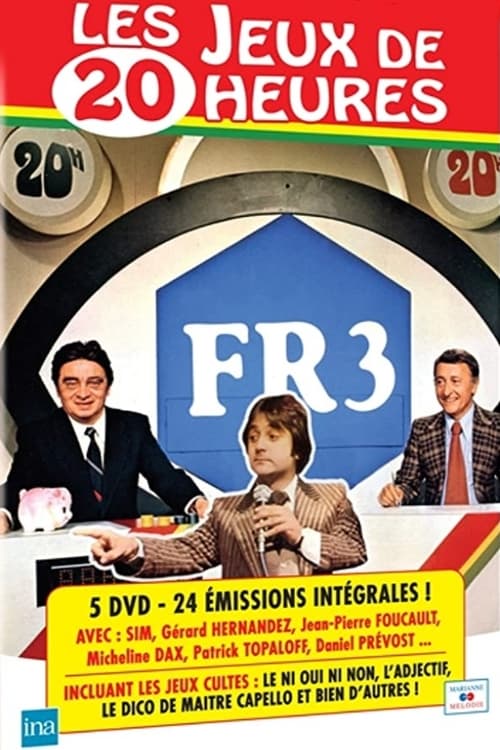
Les Jeux de 20 heures
1976
country: France
No overview available
TMDB5.0
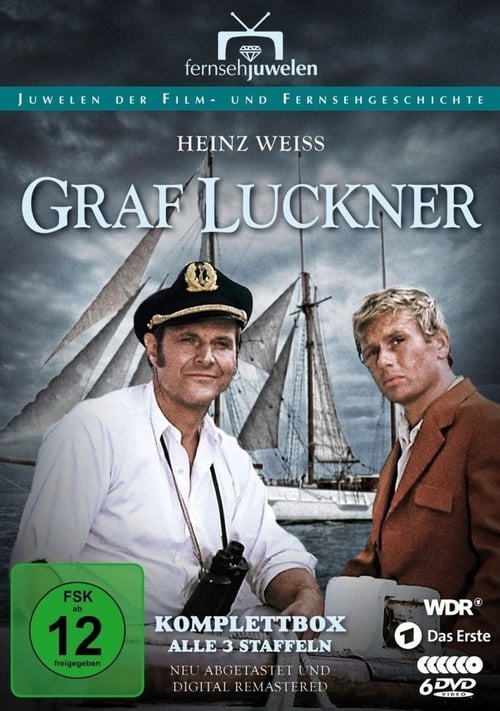
Graf Luckner
1971
country: Germany
Between the first and second World Wars, we portray glorified and renown naval sea officer Felix Graf von Lucker and his fictitious ship Niobe, which is the 1887 built Amphitrite from Southampton. Von Luckner is famous for his tactical genius in the first World War, especially sinking 14 enemy ships and only losing one crewman, whilst always seeking a peaceful outcome - making him the ideal seaman.
TMDB4.2
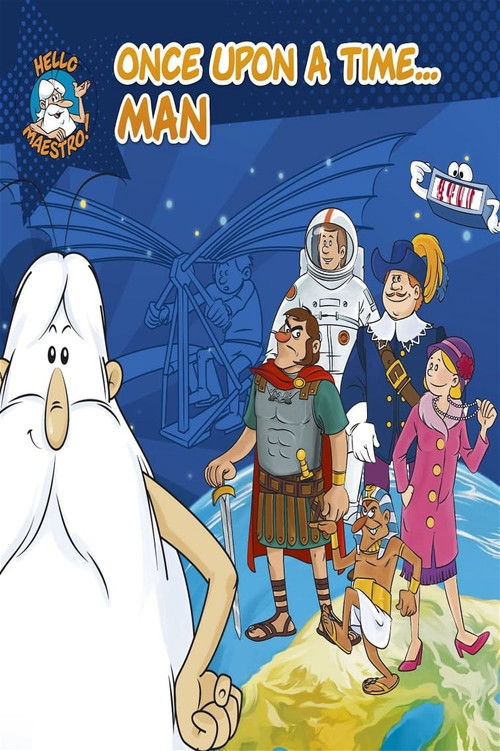
Once Upon a Time… Man
1978
country: France
The history of mankind from prehistoric times to the 20th century.
TMDB5.0
Un mystère par jour
1970
country: France
No overview available
TMDB3.5
Chéri-Bibi
1974
country: France
No overview available
Le Pèlerinage
TMDB3.5
Le Pèlerinage
1975
country: France
No overview available
TMDB3.5
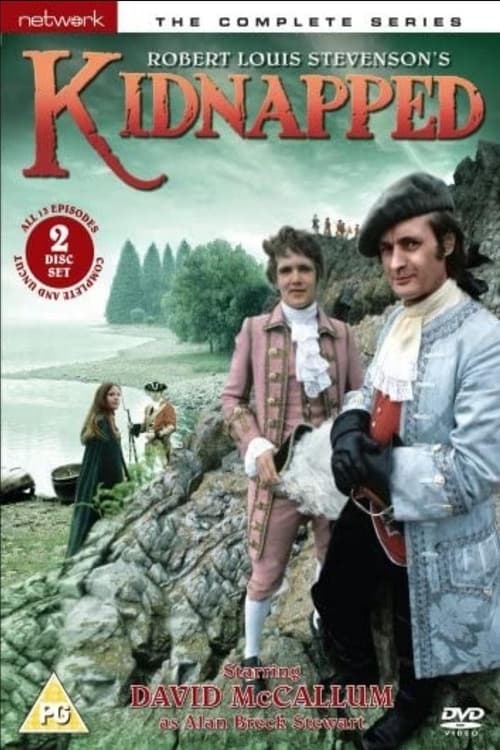
Kidnapped
1979
country: Germany
David McCallum stars as the rebellious Alan Breck Stewart, and this ambitious serial (a co-production between HTV and Germany's Tele-Munchen) also features a host of British character actors, including Bill Simpson, Patrick Allen, Andrew Keir, Patrick Magee and Frank Windsor. When young David Balfour arrives at his uncle's bleak Scottish house to claim his inheritance, his relative tries to murder him then has him shipped off to be sold as a slave in the colonies. Luckily for the lad, he strikes up a friendship with Alan Breck Stewart, who is on the run after Bonnie Prince Charlie's defeat at Culloden. When a ship's captain tries to kill Breck for his money, the two manage to get to land and set out for Edinburgh, dodging the ruthless Redcoats along the way.
TMDB3.0
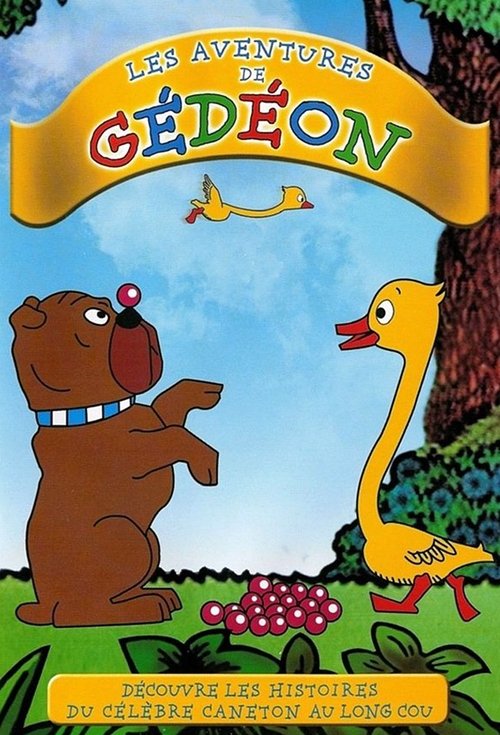
Gideon
1976
country: France
No overview available

TMDB4.3
Schulmeister, l'espion de l'Empereur
1971
country: France
Schulmeister, l’espion de l’empereur (Schulmeister, the Emperor's Spy) is a French historical adventure television series consisting of 13 episodes (1971–1974), inspired by the real life of Charles Louis Schulmeister, a famous spy in the service of Napoleon I. It alternates between historical facts and fiction, offering a fictionalized portrait of a cunning spy, loyal to Napoleon, and always ready to turn a situation to his advantage.
TMDB3.4
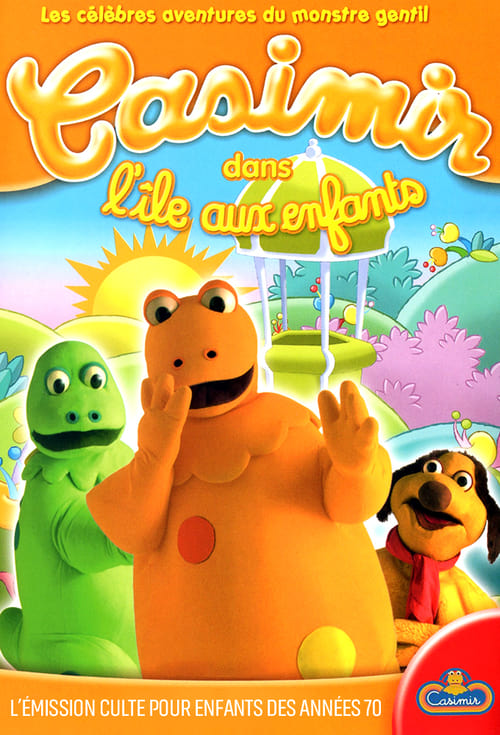
L'Île Aux Enfants
1974
country: France
French children's television series inspired by Sesame Street featuring Casimir, an anthropomorphic orange dinosaur with yellow and red spots.
TMDB4.8
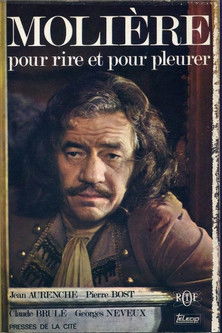
Molière pour rire et pour pleurer
1973
country: France
Molière pour rire et pour pleurer recounts the life of Jean‑Baptiste Poquelin, from his childhood in an artisan family to his rise as Molière, a central figure of French theatre. The series shows his difficult decision to abandon the family trade and join Madeleine Béjart to found L’Illustre Théâtre, marked by debts and repeated setbacks. While touring the provinces, he shapes his style and discovers the power of comedy. Back in Paris, he makes a name for himself with Les Précieuses ridicules, but his sharp satires provoke fierce opposition, especially during the Tartuffe scandal. Supported by Louis XIV, he continues despite attacks, literary rivalries, and tensions within his troupe, particularly with Armande Béjart. The miniseries also follows his growing exhaustion, his determination to perform at any cost, and his final breath after Le Malade imaginaire, the ultimate symbol of an artist who lived — and died — for the stage.
Henry James Stories
TMDB4.0
Henry James Stories
1976
country: France
A French-language anthology of seven famous, fantastic, and psychological stories by beloved American author Henry James.
TMDB5.0
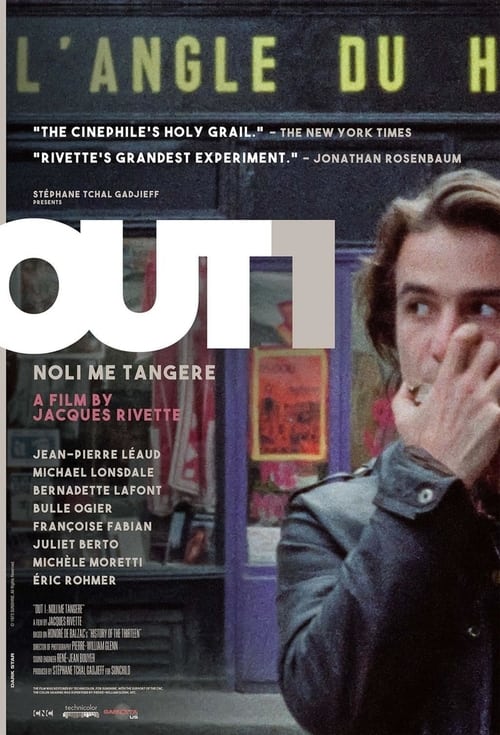
Out 1
1971
country: France
Following the May 1968 civil unrest in France, two theater groups rehearse plays by Aeschylus while two solitary individuals wander the Parisian streets hustling the populace for cash.
TMDB3.6
Sandokan
1976
country: France
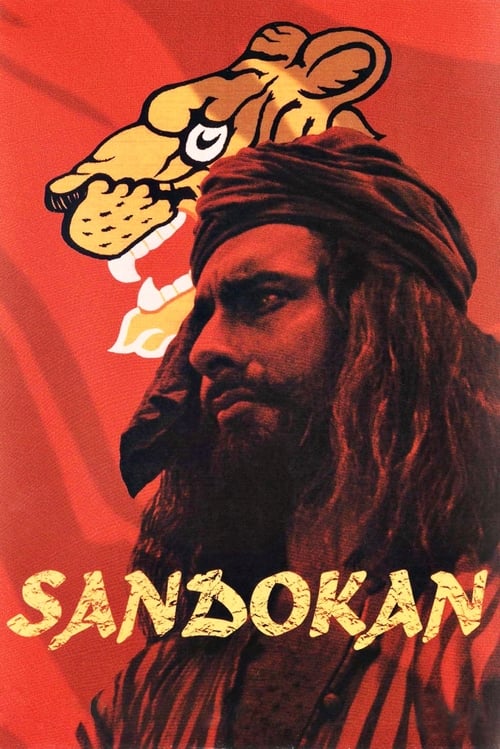
In this mini-series in six parts from 1976 the Indian actor Kabir Bedi plays the lead role. Carol Andre plays Lady Marianna Guillonk and as Sandokans best friend Yanez de Gomera we see Phillipe Leroy. The noble prince Sandokan is a fighter of the first rank who are cruel to their enemies, but always loyal to his friends.
TMDB4.2
Chapi Chapo
1974
country: France
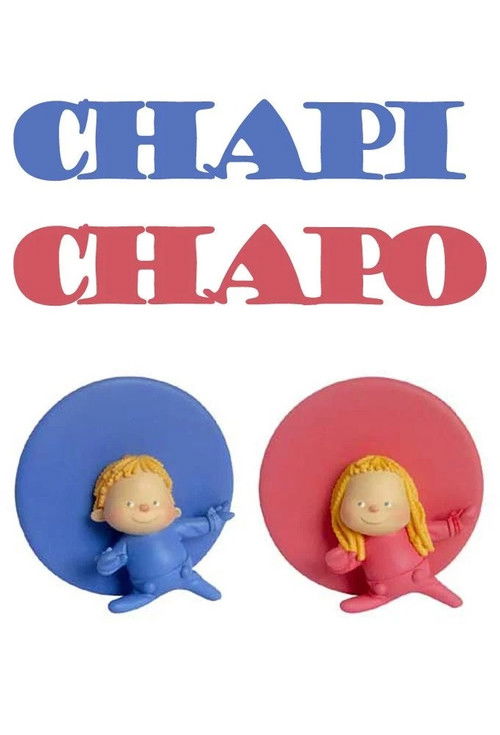
Chapi Chapo is a French short stop-motion series. Created by Italo Bettiol and Stephano Lonati, with music by François de Roubaix, it premiered in 1974 on RF Television and ran for 60 5-minute episodes. The show aired on American television in the 1980s as part of Nickelodeon's Pinwheel. It was named "Chapi Chapo" as a play-on-words with the French word, chapeaux, which means "hats". Both of the main characters wore oversized hats that matched their clothing. The one in red is Chapi and the one in blue is Chapo. Each episode ends with a little dance.
TMDB3.5
Quentin Durward
1971
country: France
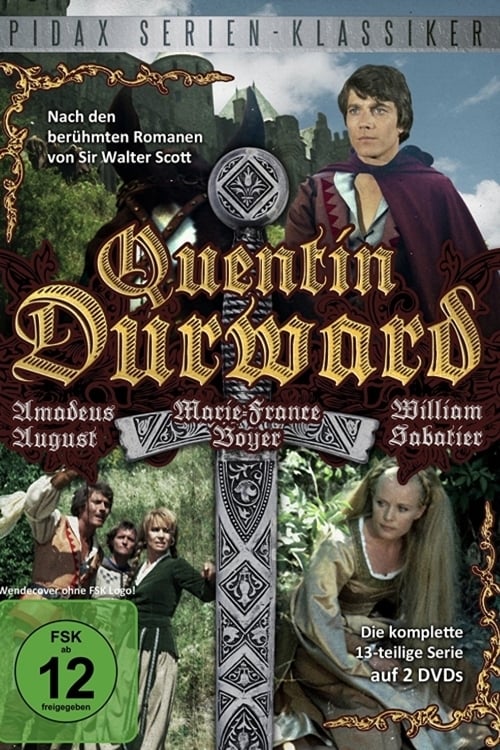
Quentin Durward is a French-German swashbuckler TV series. It was produced in 1970, directed by Gilles Grangier and broadcast in 1971. The series starred the German actor Amadeus August as the protagonist and the French actress Marie-France Boyer as Isabelle de Croye. The series was based on Sir Walter Scott's in 1823 published novel Quentin Durward. It concerns a Scottish soldier who serves French King Louis XI while the King has to overcome the schemes of his rival Charles the Bold and Jean Balue. The TV series kept close to the classic novel and was often shot at historic French locations. The French version consists of 7 instalments of 52 minutes each, while the dubbed German version had 13 episodes of about 25 minutes apiece. Both versions have been made available on DVD.
TMDB2.5
Minichronique
1976
country: France
No overview available
TMDB4.2
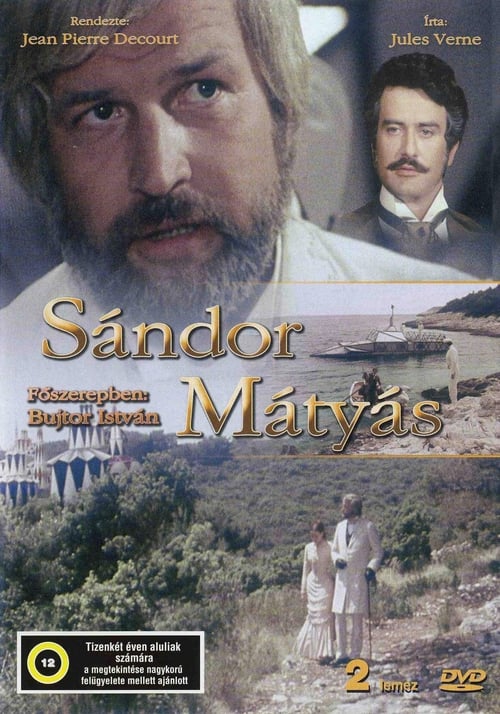
Sándor Mátyás
1979
country: Germany
Count Mátyás Sándor is the protagonist of this exciting series based on the popular novel by Jules Verne. In 1859, after the defeat of the Habsburgs in Italy, the wealthy Transylvanian lord sees the time has come to launch another armed struggle for Hungary's independence. The Viennese Chamberlain, however, learns of his activities and decides to 'liquidate' him. Two adventurous criminals are commissioned to carry out the assassination.
TMDB4.0
Collaro Show
1979
country: France
No overview available
TMDB5.0
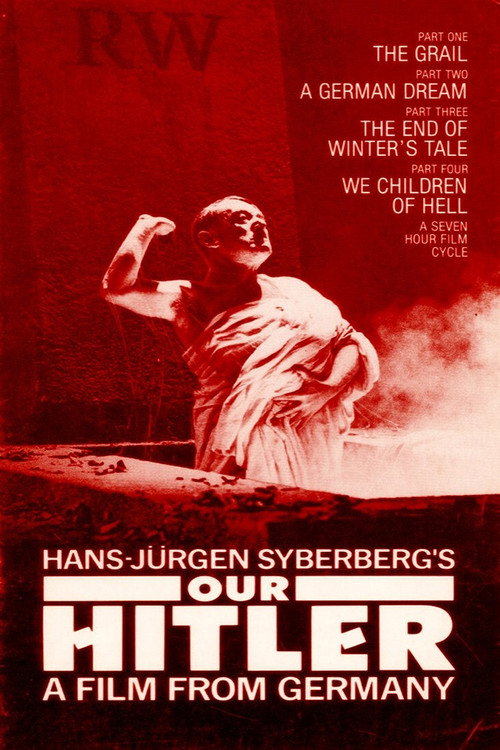
Hitler: A Film from Germany
1977
country: France
A structure-free, four-part examination of the rise and fall of the Third Reich. Each part explores a different topic, from Hitler's cult of personality in propaganda to how said propaganda was associated with pre-Nazi German cultural, spiritual, and national heritage to the Holocaust and the ideology behind it, particularly from Himmler's point of view.
TMDB4.8
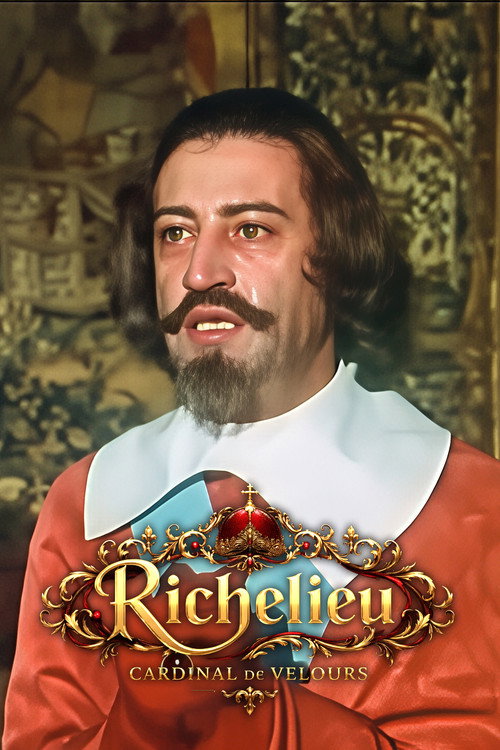
Richelieu
1977
country: France
In a France fractured by court rivalries and personal ambitions, Richelieu moves without ornament. No flourish, no glory — only the cold machinery of power. Caught between a hesitant king, a nobility dreaming of defiance, and enemies multiplying on every front, the cardinal enforces his line: centralize, control, crush resistance. The series follows a strategist who doesn’t hide behind morality. He acts to keep the State standing, even if it means breaking those who stand in his way. Espionage, secret negotiations, decisive strikes… Richelieu plays a game where mistakes are fatal, and the survival of the kingdom rests on one man willing to go further than all the others
TMDB3.4
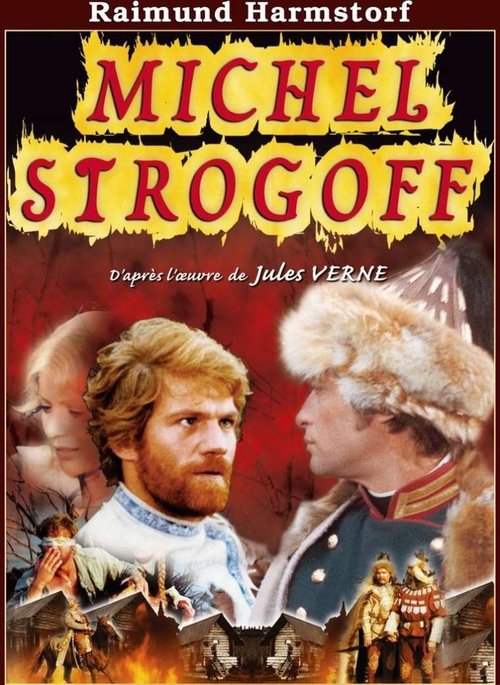
Michael Strogoff
1975
country: France
Captain Michael Strogoff is chosen in Moscow to be the courier of the Tsar, 5,523 km far to Irkutsk, to warn the governor about the traitor Ivan Ogareff, a former colonel, who was once demoted and exiled and now seeks revenge.
TMDB3.5
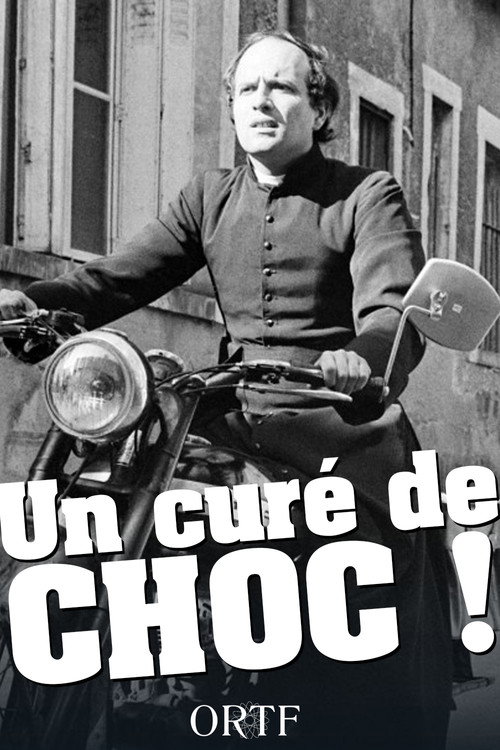
Un curé de choc
1974
country: France
No overview available
About 1970s French TV Shows
The 1970s
1970s television grew markedly more socially engaged, with sitcoms and dramas taking on subject matter the previous decade wouldn't touch.
French television
French television has moved from a broadcast-dominated tradition into a strong export position, particularly in crime and spy drama. The results tend to be shorter-run and more cinematic than Anglo-American equivalents.
In this list
- Most common genres
- Drama, Family, Action & Adventure
- Longest run
- 52 seasons
Common questions
- What are the best 1970s French TV shows?
- By popularity across Flickfolio and TMDB, the top picks right now are Le 20H, Fan School, and Apostrophes. The full ranked list of 40 sits above — open any show for ratings, reviews, and streaming availability.
- How is this list ranked?
- 1970s French TV shows are ordered by overall popularity, which blends how often a title is viewed, searched, and logged. It updates as viewing habits shift, so the list reflects what people are actually watching rather than a fixed critical canon.
- Where can I watch these TV shows?
- Every show page lists current streaming, rental, and purchase options for your region, alongside community ratings and reviews from Flickfolio members.