1970s Kids TV Shows
The 40 most popular 1970s kids TV shows, ranked. Click any show for ratings, reviews, trailers, and where to watch.
TMDB3.9
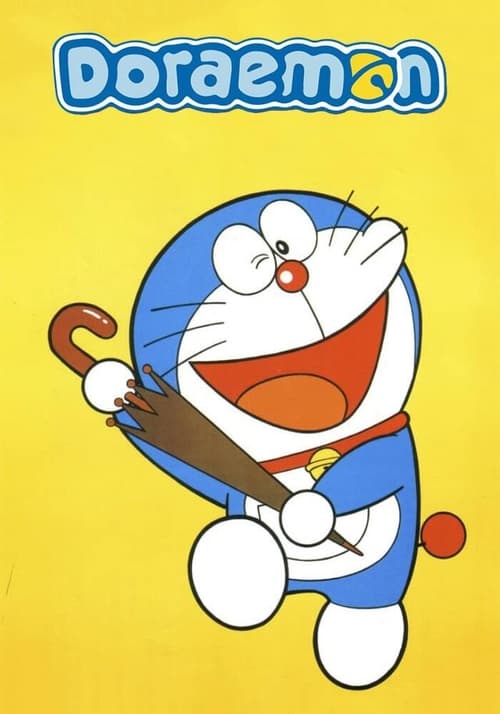
Doraemon
1979
country: Japan
Doraemon is an anime TV series created by Fujiko F. Fujio and based on the manga series of the same name. This anime is the much more successful successor of the 1973 anime.

TMDB3.6
Fan School
1977
country: France
Host Jacques Martin invites different talented children from various backgrounds to showcase their beautiful voices. The participants entertain and wow the audience with their lovely performances.
TMDB4.0
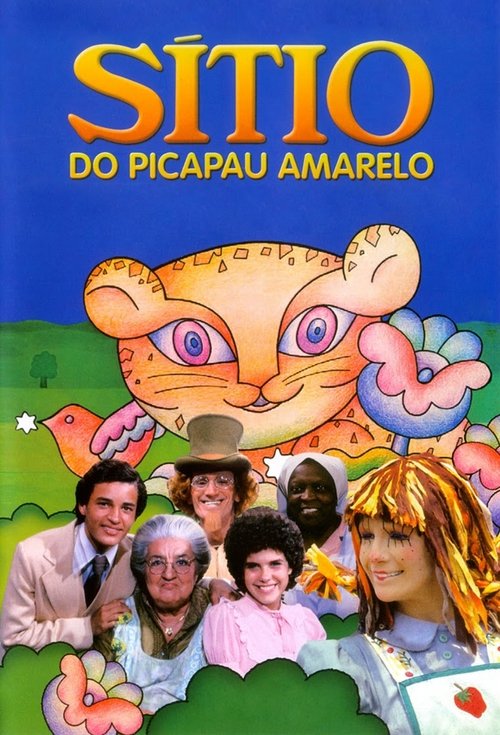
Sítio do Picapau Amarelo
1977
country: Brazil
The stories created by Monteiro Lobato take place at the "Sítio do Picapau Amarelo" (Yellow Woodpecker Farm), where various characters experience magical tales and star in unforgettable adventures.
TMDB3.4
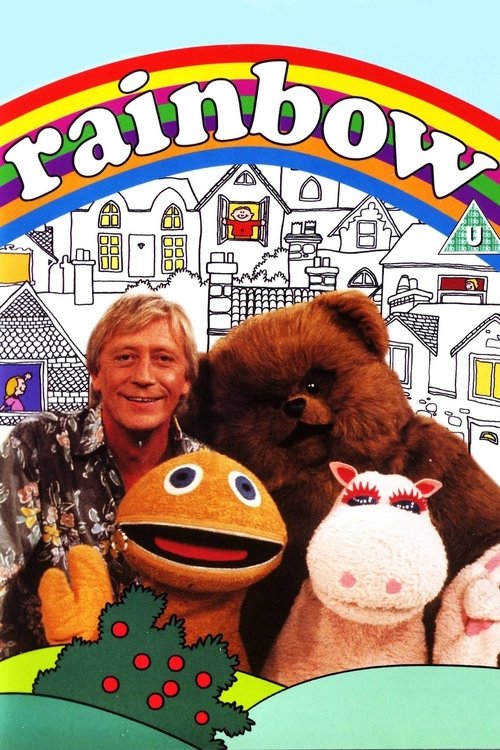
Rainbow
1972
country: United Kingdom
Children's puppet programme featuring music and stories. Join George, Bungle, Zippy, and all their friends at the Rainbow House, always an exciting place to be.
TMDB3.3
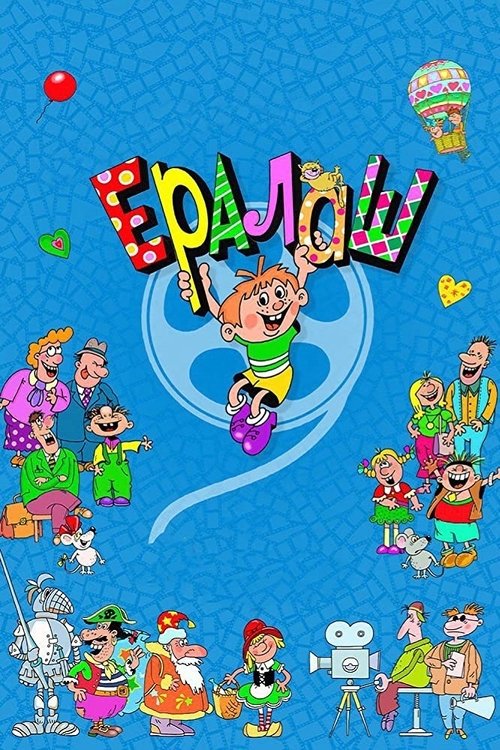
Yeralash
1974
country: SU
The children's humorous film magazine "Yeralash" is a one-of-a-kind work of cinematography that ironically approaches the solution of everyday problems, focusing on the views and needs of modern society, allowing different generations to achieve mutual understanding.
TMDB4.2
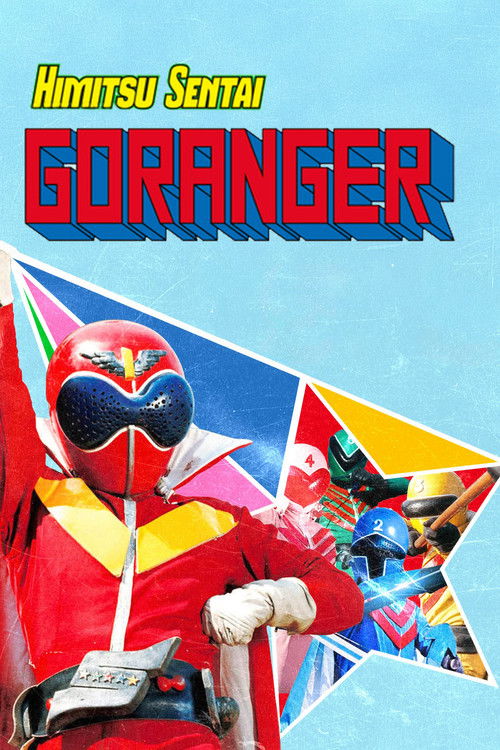
Himitsu Sentai Gorenger
1975
country: Japan
A powerful terrorist organization known as the Black Cross Army threatens to destroy the Earth, with only the defense organization EAGLE (EArth Guard LEague) able to oppose them. In retaliation, Black Cross Army destroys multiple EAGLE headquarters across Japan, killing all but five people. Now, these five remaining EAGLE members are called to form a secret, powerful team known as Gorenger, the only force left that has a chance to stop the Black Cross Army and their evil leader, Black Cross Führer.
TMDB3.9
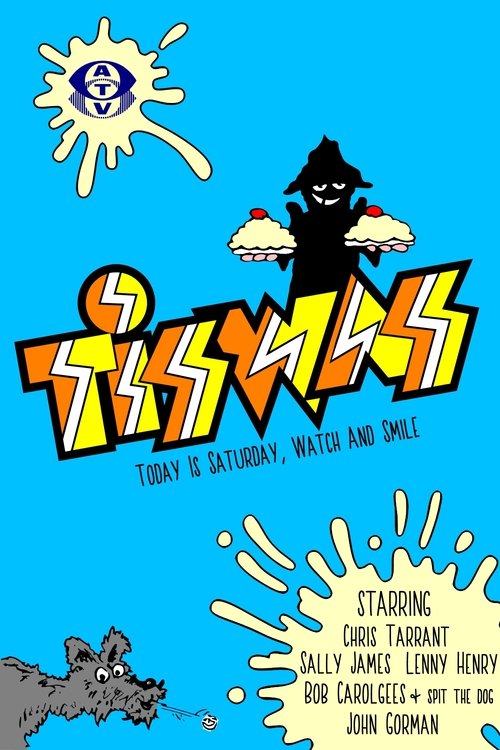
Tiswas
1974
country: United Kingdom
Tiswas was a Saturday morning children's British television series which ran from 5 January 1974 to 3 April 1982 and was produced for the ITV network by ATV Network Limited. It was created by ATV continuity announcer Peter Tomlinson following a test period in 1973 when he tried out a few competitions and daft stuff between the programmes.

TMDB3.7
Pipkins
1973
country: United Kingdom
Pipkins was a British children's TV programme. Hartley Hare, Pig, Topov and the gang were the stars of ATV's pre-school series which ran from January 1973 to 29 December 1981.
TMDB4.3
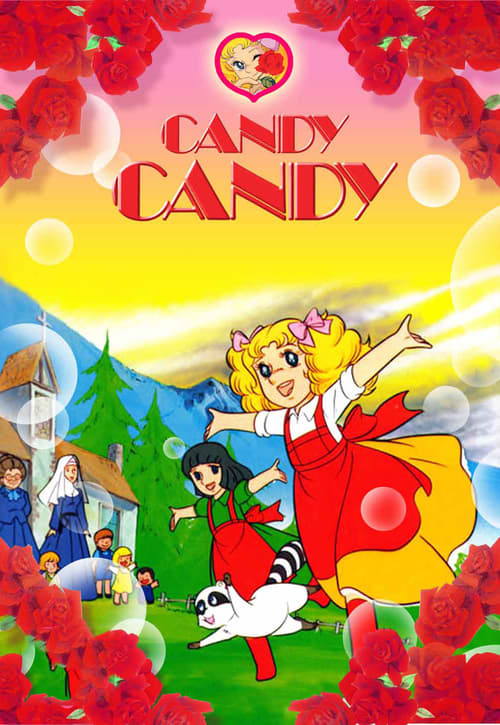
Candy Candy
1976
country: Japan
This story is about a girl, Candy, who is a orphan. She is a nice and optimistic girl and she has a warm heart. When she was a child, she lived in an orphanage called Pony's Home. She had a good friend called Ann. And she met the "handsome boy on the hill" who is a important person in her life, on the hill behind the orphanage. She was adopted by the Loka's family. What's awaiting her are the bad-hearted Leo and his sister, Eliza. One day, in the rose garden, she met a boy, who is identical to the "handsome boy on the hill" who she had met in her childhood. The boy is called Antony. Thereafter, a fantastic story that she has never expected begins.
TMDB3.8
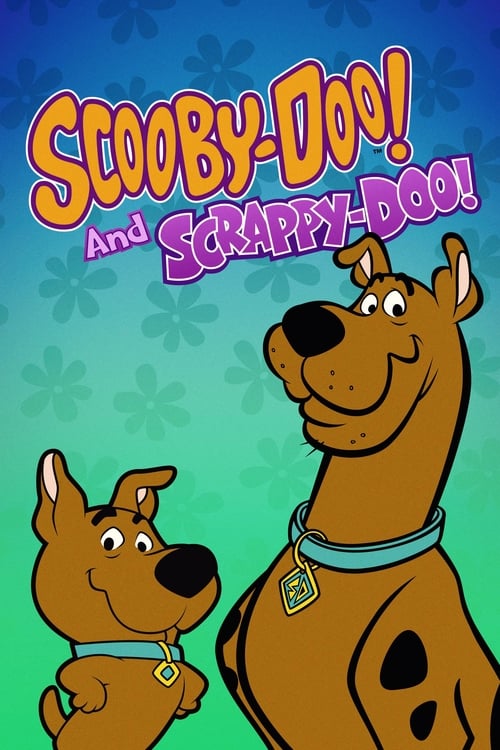
Scooby-Doo and Scrappy-Doo
1979
country: United States
Everyone’s favorite mystery-solving Great Dane is here to find clues, along with a little help from his energetic nephew and four human companions.
TMDB3.0
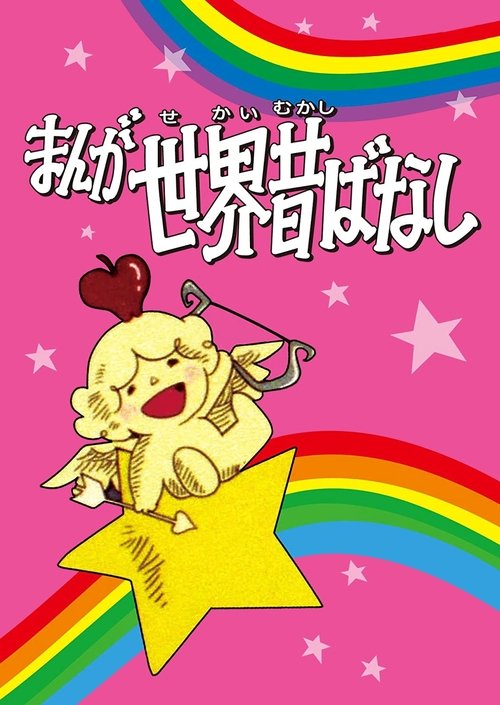
Manga Fairy Tales of the World
1976
country: Japan
Each episode of this series tells the story of a famous fairy tale from all around the world. Some of them are adapted from famous books such as "The Iliad".
TMDB3.5
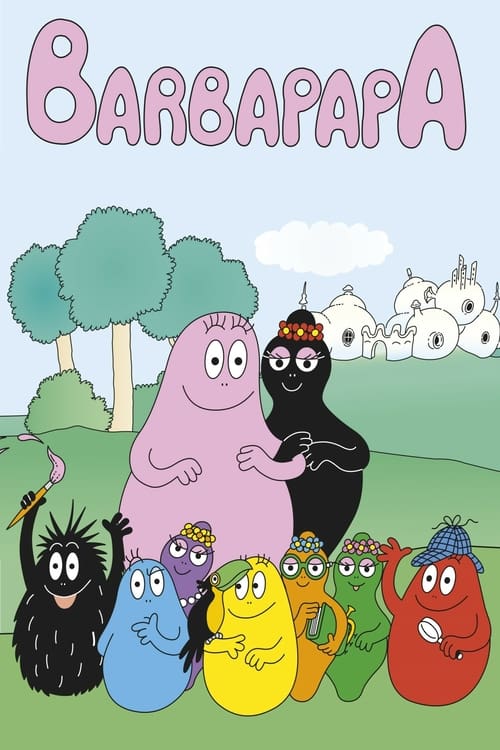
Barbapapa
1974
country: France
The adventures of Barbapapa and Barbama and their seven children, where they search for their place in the world, while helping humans and animals.
TMDB4.0
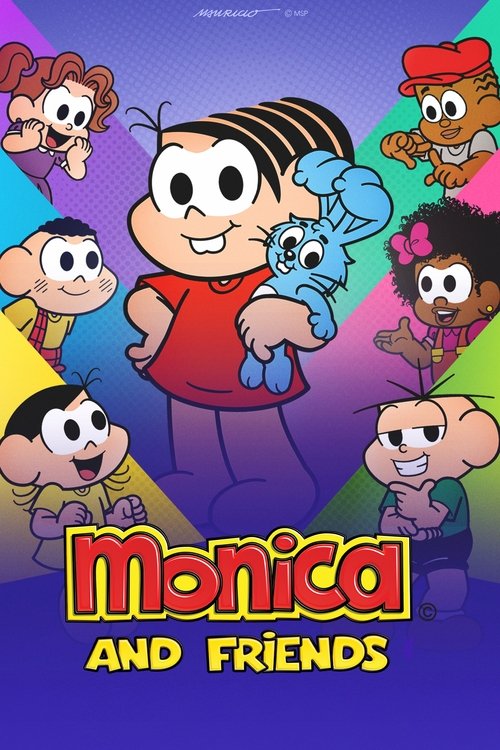
Monica and Friends
1976
country: Brazil
Monica, the leader of the crew and 'ruler of the street,' is a little girl with a strong personality, not one to overlook any insult. She absolutely loves her stuffed bunny, Samson, and takes him with her everywhere. Jimmy Five, one of her best friends, is a smart kid, but he's always provoking her. Maggy is Monica's best friend and a super cute girl, who is always eating watermelons. To complete the show's main quartet, enter Smudge, a skillful boy who is terrified of water.
TMDB3.8
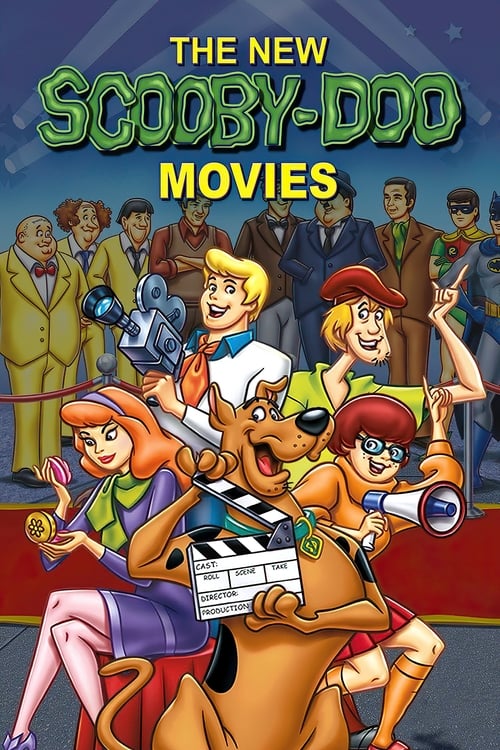
The New Scooby-Doo Movies
1972
country: United States
Aside from doubling the length of each episode, The New Scooby-Doo Movies differed from its predecessor in the addition of a rotating special guest star slot; each episode featured real-life celebrities or well known fictional characters joining the Mystery, Inc. gang in solving the mystery of the week. Some episodes, in particular the episodes guest-starring the characters from The Addams Family, Batman, and Jeannie, deviated from the established Scooby-Doo format of presenting criminals masquerading as supernatural beings by introducing real ghosts, witches, monsters, and other such characters into the plots.

TMDB4.3
Vila Sésamo
1972
country: Brazil
No overview available
TMDB4.0
Scooby's All-Stars
1977
country: United States
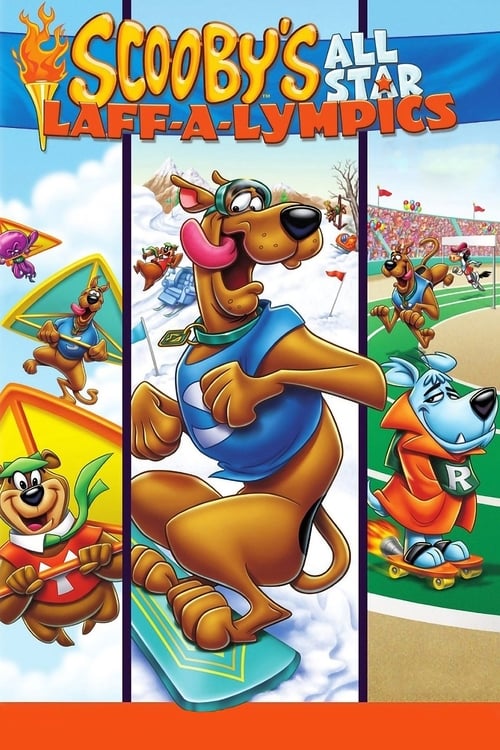
Each episode of this series include multiple segments: The first and last were "Laff-A-Lympics" segments, the other ones were "Captain Caveman and the Teen Angels", "Scooby-Doo" and "Dynomutt" segments. The "Laff-A-Lympics" segments feature 45 Hanna-Barbera cartoon characters (classic and otherwise) competing for gold medals in wacky events. Events include racing on ostriches, camels, kangaroos, rickshaws and unicycles, as well as scavenging for creatures like the Abominable Snowman, vampires, and the Loch Ness Monster.

TMDB4.5
1, 2 oder 3
1977
country: Germany
The quiz show for the whole family with Elton and Piet Flosse: Three teams from Austria, Germany, and a changing third country compete against each other. Each team consists of a mixed group of three kids – smart minds and quick legs are required. 1, 2, or 3? If you know the answer, you’re in!

TMDB3.6
Vinterbyøster
1973
country: Denmark
No overview available
TMDB4.5
Meu Pedacinho de Chão
1971
country: Brazil
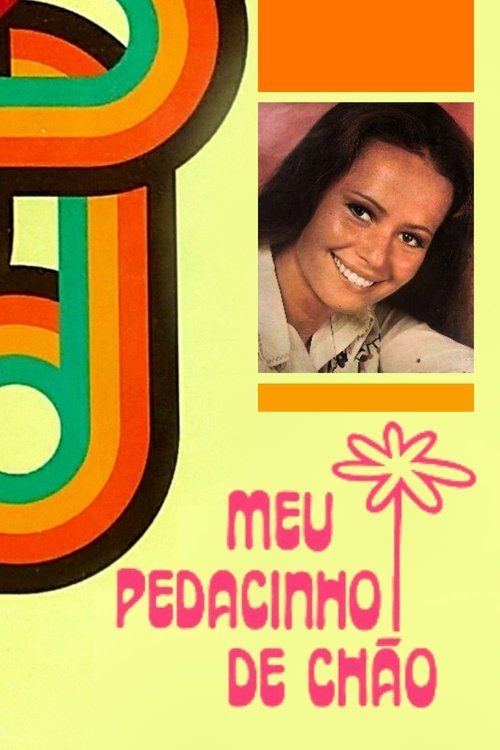
Colonel Epaminondas is a retrograde and authoritarian man, who commands and dismantles the region. He declares war on Pedro Galvão, his main rival, when he donates part of his land – purchased from the colonel – for the construction of a church and a school. The arrival of professor Juliana, right at the beginning of the plot, changes the lives of the residents of the small village. Juliana takes over the school and ends up arousing the interest of Fernando, Epaminondas' son. Oblivious to the fights that drive the story are Pituca (Patrí and Serelepe (Aires Pinto). The friendship between the two children, however, does not please the colonel, who is always fighting with his daughter. 'Meu Pedacinho de Chão' was co-produced and shown simultaneously by Globo and TV Cultura in São Paulo.
TMDB3.4
Bagpuss
1974
country: United Kingdom
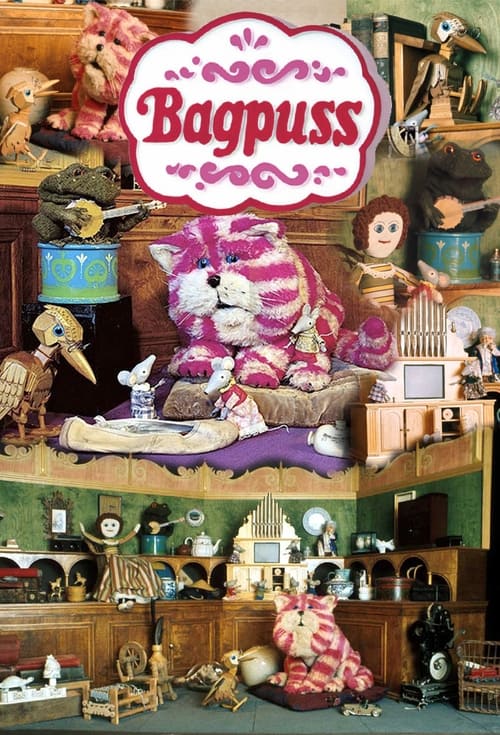
Bagpuss is a UK children's television series, made by Peter Firmin and Oliver Postgate from 12 February 1974 to 7 May 1974 through their company Smallfilms. The title character was, "An old, saggy, cloth cat, baggy, and a bit loose at the seams." Although only 13 episodes of the show were made, it remains fondly remembered, and was regularly repeated in the UK for thirteen years. In 1999 Bagpuss topped a BBC poll for the UK's favourite children's TV programme.
TMDB4.0
J.A.K.Q. Dengekitai
1977
country: Japan
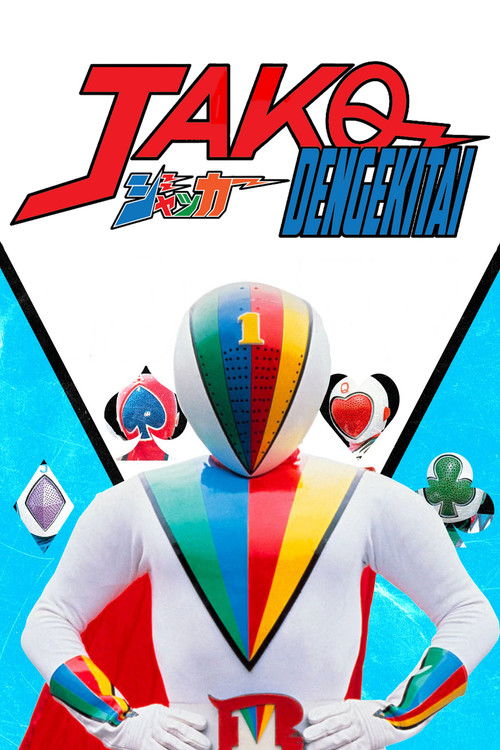
Cyborg warriors were created by the Special Science Investigation Squad to bear nuclear, gravitational, magnetic, and electrical forces. They fight the crime empire known as "Crime".
TMDB3.9
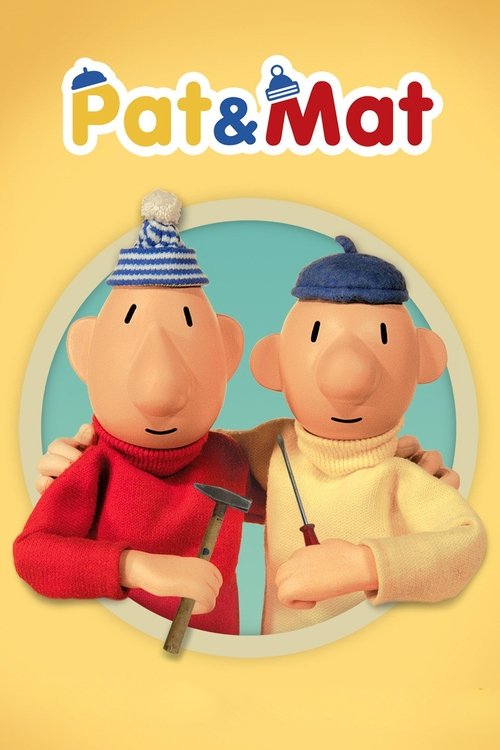
Pat & Mat
1979
country: Czech Republic
Pat & Mat is a Czech stop-motion animated series featuring two handymen, Pat and Mat. It was created by Lubomír Beneš and Vladimír Jiránek.
TMDB2.8
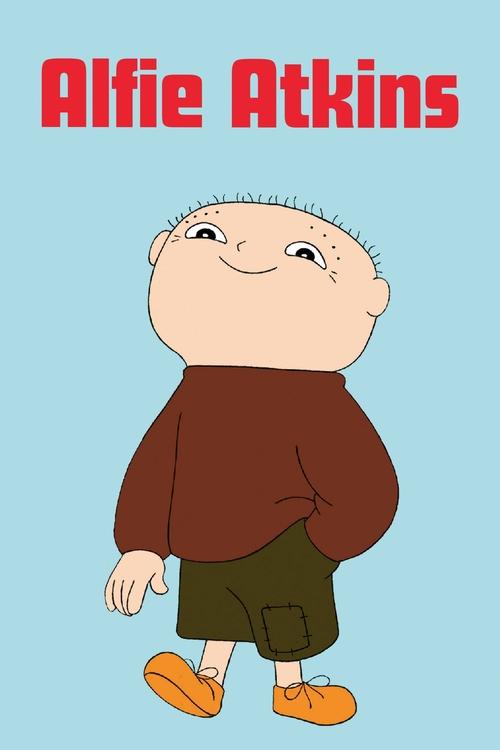
Alfie Atkins
1979
country: Sweden
Alfie Atkins is a pretty ordinary guy who lives with his father. When he was younger he had an imaginary friend named Malcolm that only Alfie could see. Later on he finds real friends such as Milla and Victor. He also has a cat named Puzzle.
TMDB3.9
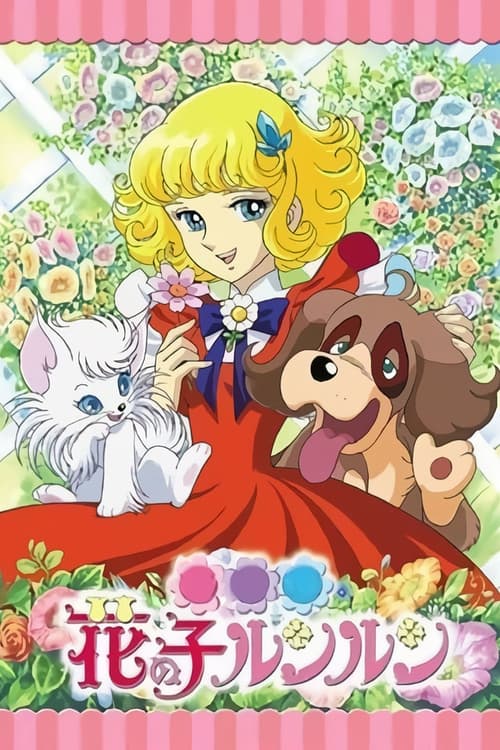
Flower Angel
1979
country: Japan
The King of the Flower Planet is dying, but his heir can't take up the throne until the legendary Seven Color Flower, symbol of the King's power, is found. The Angels Cateau and Noveau are sent to Earth to find the Flower Girl, a young female who descends from both humans and Flower Angels (who once inhabited Earth, long ago) - and they find Lunlun in France. They convince her to go in a long journey to find the Flower - she'll know the good and bad sides of humans and Flower Angels (incarnated in the ambitious Togenishia and her sidekick Boris), and will fall in love with Serge Flora, a man who holds a great secret.
TMDB2.8
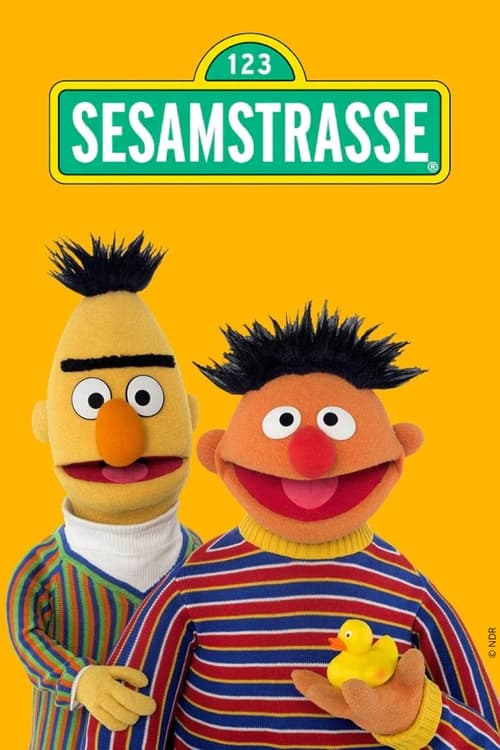
Sesamstraße
1975
country: Germany
Sesamstraße is the German-language version of Sesame Street, a children's television series. It airs primarily in Germany and the surrounding German-speaking countries. The show premièred on 8 January 1973, Sesamstraße has been running on Norddeutscher Rundfunk since 1973; it's now in its 40th season. Sesamstraße is also broadcast on Das Erste and KiKa.
TMDB3.8
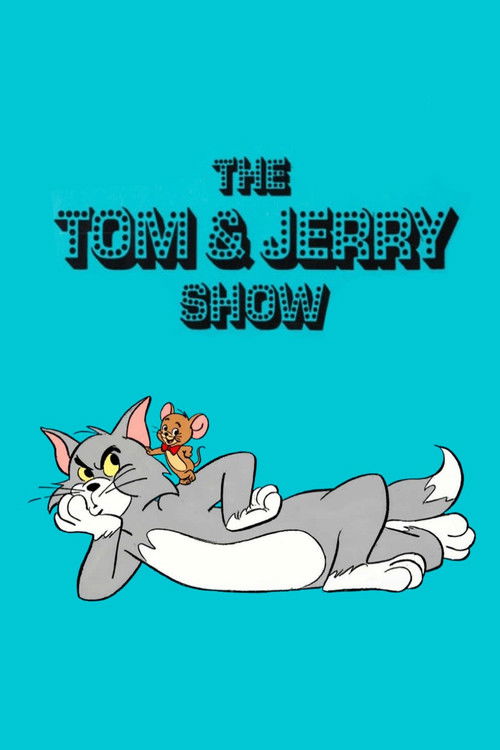
The Tom and Jerry Show
1975
country: United States
The New Tom & Jerry Show is an animated television series produced for Saturday mornings by Hanna-Barbera Productions in association with Metro-Goldwyn-Mayer Television in 1975 for ABC based on the theatrical shorts and characters Tom and Jerry.

TMDB2.3
Jim'll Fix It
1975
country: United Kingdom
A long-running BBC television series hosted by Jimmy Savile. Children from the public would write in to the host requesting that he 'fix' something for them or make some wish come true.
TMDB2.9
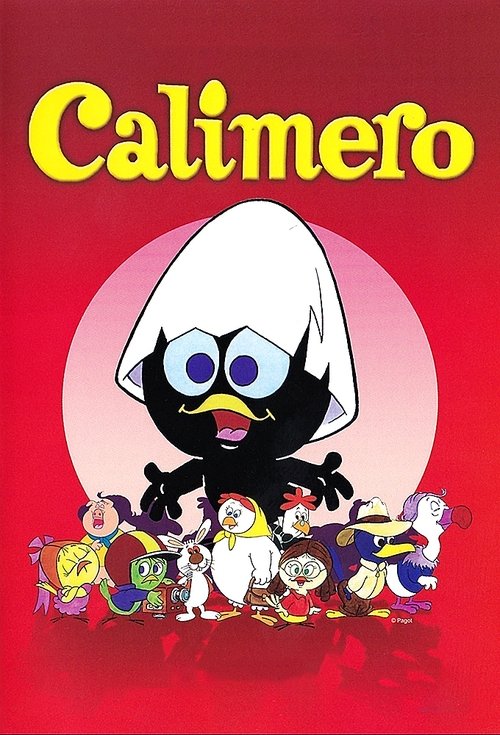
Calimero
1974
country: Italy
Calimero is an Italian/Japanese cartoon about a charming, but hapless anthropomorphized cartoon chicken; the only black one in a family of yellow chickens. He wears half of his egg shell still on his head. Calimero originally appeared on the Italian television show Carosello on July 14, 1963, and soon became a popular icon in Italy. The characters were later licensed in Japan as an anime series, twice. The first was made by Toei Animation and ran from October 15, 1974 to September 30, 1975, and the second, with new settings and characters, was made in 1992. Altogether, 99 Japanese episodes were made. The series mostly consists of the many adventures of Calimero and his friends as they solve mysteries and make documentaries. However, their adventures usually get them into quite a bit of trouble. The first series was also broadcast on European networks such as TROS, ZDF and RTL II or TVE.
TMDB3.2
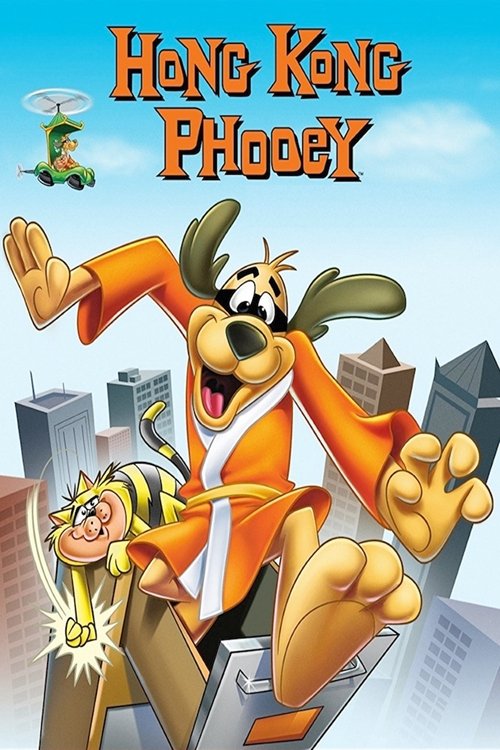
Hong Kong Phooey
1974
country: United States
Penrod Pooch leaps into action as Hong Kong Phooey to fight villains.
TMDB3.2
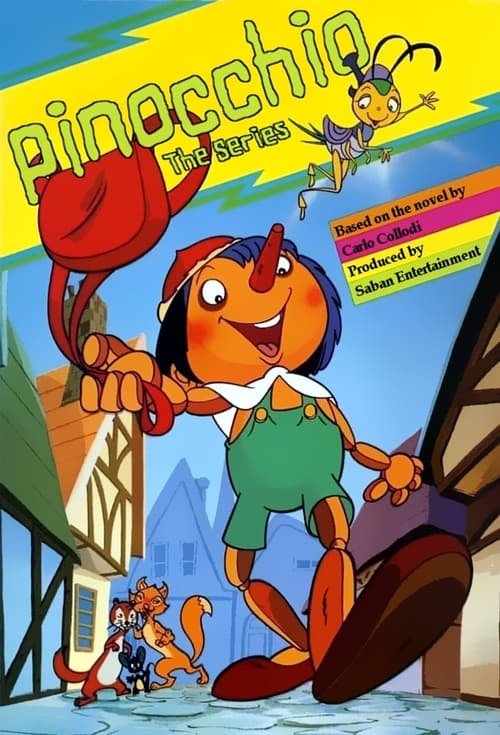
Pinocchio: The Series
1972
country: Germany
Mokku of the Oak Tree, also known as Mokku Woody the Oak Tree, or Saban's Adventures of Pinocchio in the United States, is a 52 episode anime series by Tatsunoko Productions first aired on Fuji Television in 1972. The story is based on the novel The Adventures of Pinocchio by Italian author Carlo Collodi. Unlike the more cheerful lighter tones of the Disney Version and Nippon Animation's version Piccolino no Bōken, this series has a distinctly sadistic darker theme and portrays the main character, Pinocchio, as suffering from constant physical and psychological abuse and freak accidents.
TMDB4.0
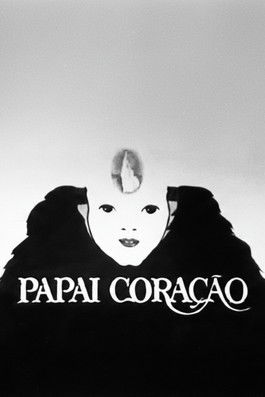
Papai Coração
1976
country: Brazil
No overview available
TMDB2.8
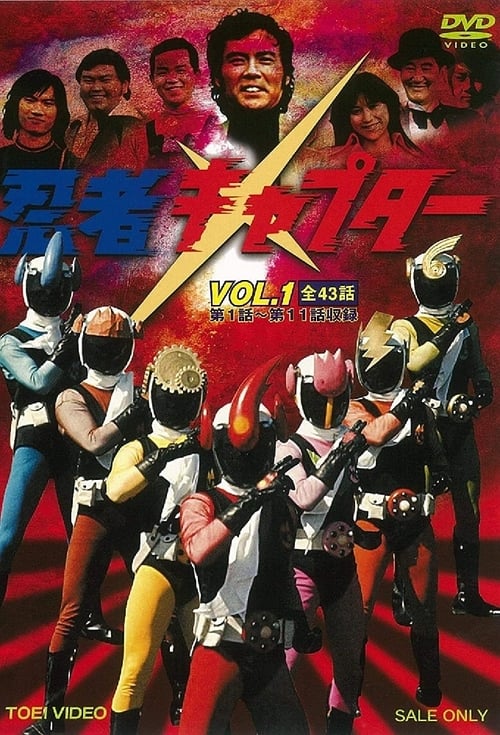
Ninja Captor
1976
country: Japan
Ninja Captor is a Japanese tokusatsu TV series aired from April 7, 1976 to January 26, 1977 on TV Tokyo 12 Channel, produced by Toei Company, Ltd. This Sentai-esque series aired during the run of Shotaro Ishinomori's original Super Sentai series, Himitsu Sentai Gorenger and was notably first superhero team show produced by Toei under the Saburo Yatsude/Hatte pseudonym. Daisuke Izumo graduates from the Wind-Demon Stealth-Army, a secret army aiming for the conquest of Japan. He instead escapes, and becomes the leader of the "Captor," a ninja team supervised by Mujin Tendou. The Captor team's mission is to battle the ninja sent out by the Wind-Demon General, Retsufuu Fuuma. This show used to be considered by some to be a part of the Super Sentai franchise* , but was later excluded. In 2013, it got a Shout-Out in the fourth episode of Hikonin Sentai Akibaranger: Season 2.
TMDB5.0
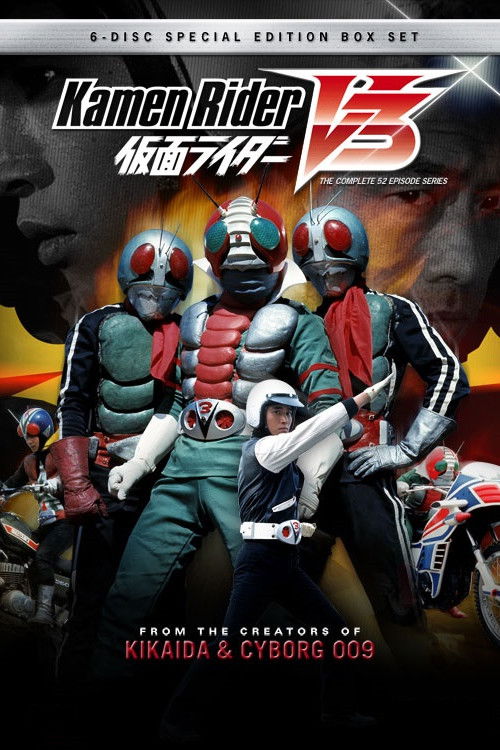
Kamen Rider V3
1973
country: Japan
Follow the adventures of Shiro Kazami, a bio-chem major at Jonan University in Tokyo. After witnessing the murder of a member of the evil organization Destron, Kazami is targeted by Destron which kills his family and leads him down a road of revenge that crosses paths with both Takeshi Hongo and Hayato Ichimonji, the original Kamen Riders and his eventual transformation into Kamen Rider V3!
TMDB5.0
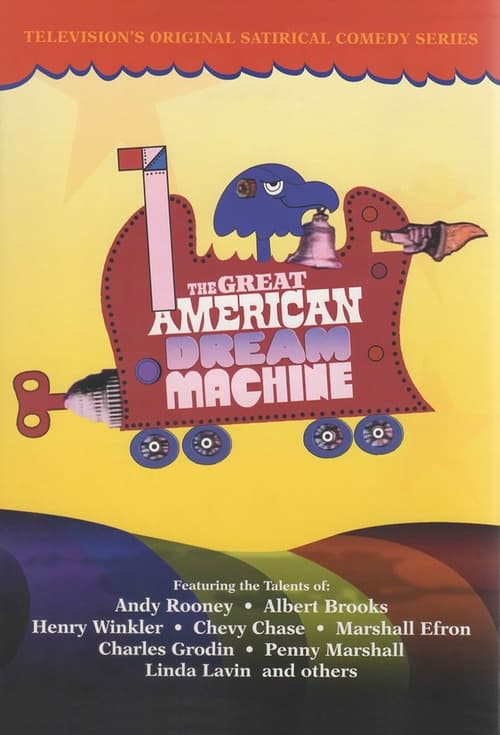
The Great American Dream Machine
1971
country: United States
The Great American Dream Machine was a weekly satirical variety television series, produced in New York City by WNET and broadcast on PBS from 1971 to 1973. The program was hosted by humorist and commentator Marshall Efron. The show centered around skits and satirical political commentary. The hour and a half long show usually contained at least seven different current event topics. In the second season, the show was trimmed down to an hour. Other notable cast members included Chevy Chase. Contributors included Albert Brooks and Andy Rooney. Some of the skits would later be revamped for the movie The Groove Tube. There were also occasional short films presented on the show, most of them "experimental" or documentaries about artistic endeavours. Some of these were subtitled.
TMDB3.1
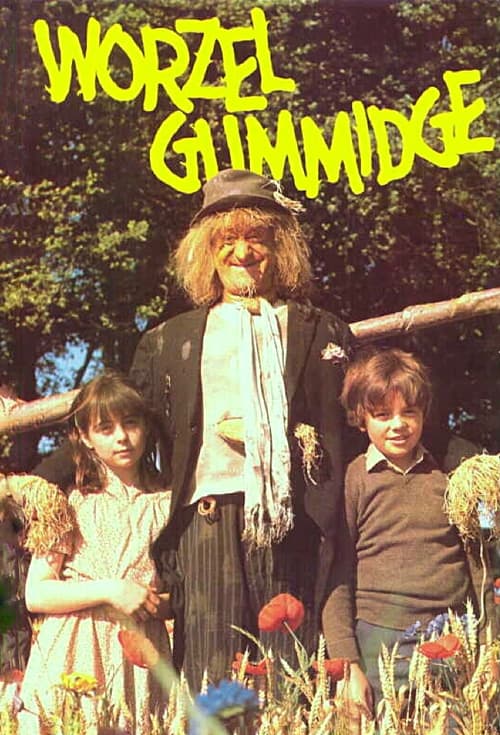
Worzel Gummidge
1979
country: United Kingdom
Worzel Gummidge is a children's comedy series, produced by Southern Television for ITV, based on the books by Barbara Euphan Todd. Starting in 1979, the programme starred Jon Pertwee in the title role and ran for four series in the UK until 1981. Channel 4 reprised the show in 1987 as Worzel Gummidge Down Under, which was set in New Zealand.
TMDB3.6
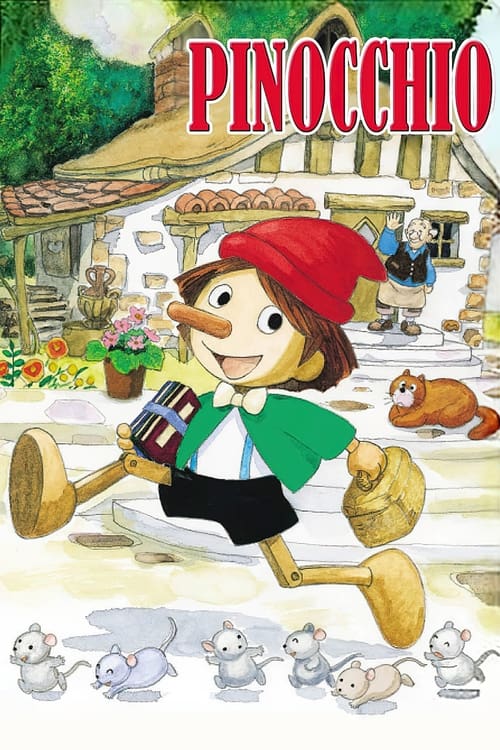
The Adventures of Pinocchio
1976
country: Japan
The Adventures of Piccolino is a 52 episode anime series by Nippon Animation first aired in 1976. The story is based on the novel "Pinocchio" by Italian author Carlo Collodi.
TMDB3.3
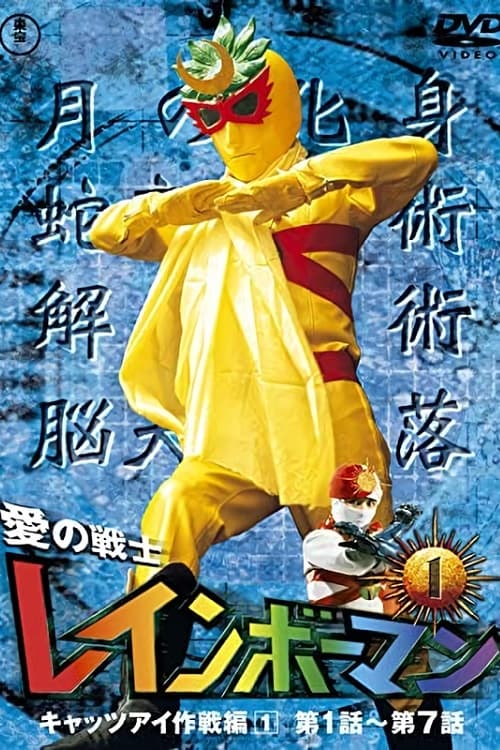
Warrior of Love Rainbowman
1972
country: Japan
Thanks to a Buddhist hermit in India, a young Japanese wrestler transforms into a 7-phased superhero and fights an evil organization hell-bent on destroying Japan.
TMDB3.8
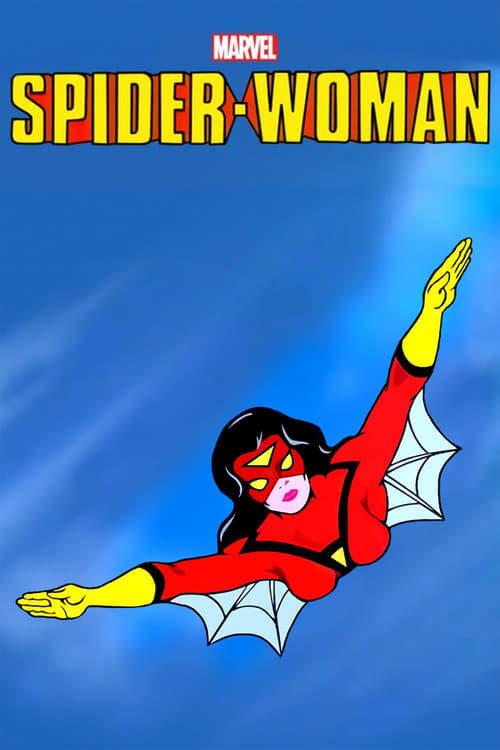
Spider-Woman
1979
country: United States
When Jessica Drew was bitten by a poisonous spider as a child, her father saved her life by injecting her with an experimental "spider serum," which also granted her superhuman powers. As an adult, Jessica works as editor of Justice Magazine but when trouble arises, Jessica slips away to change into her secret identity of Spider-Woman.
TMDB2.9
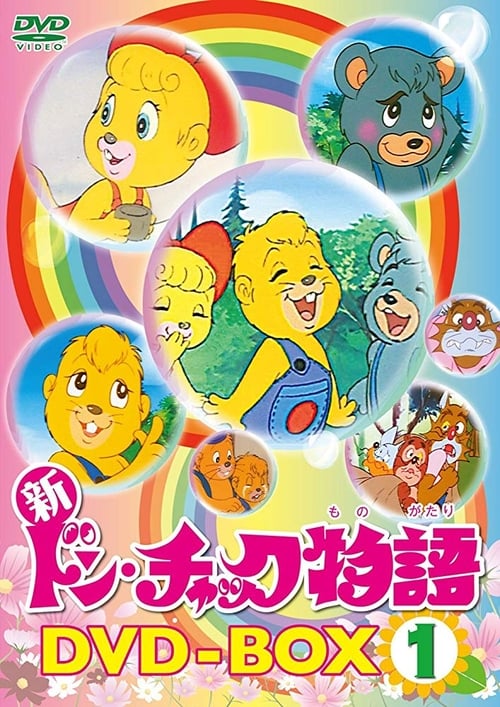
Don Chuck Beaver
1975
country: Japan
No overview available
TMDB3.5
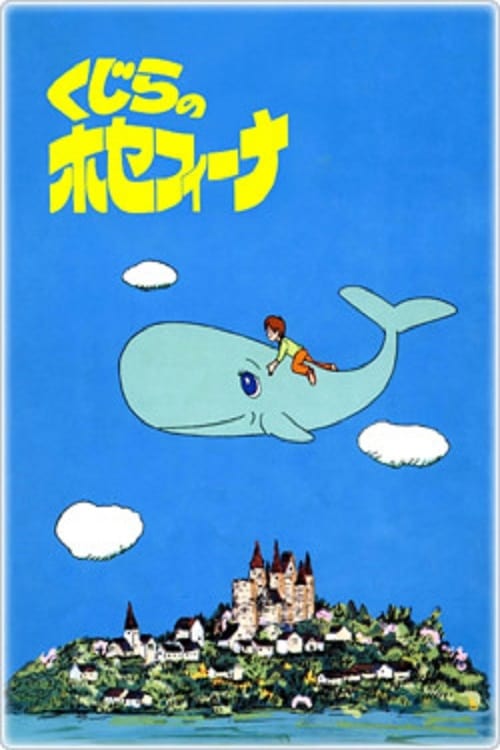
Josephina the Whale
1979
country: Japan
No overview available
About 1970s Kids TV Shows
The 1970s
1970s television grew markedly more socially engaged, with sitcoms and dramas taking on subject matter the previous decade wouldn't touch.
Kids
Children's television is a craft of its own — pacing, repetition, and emotional clarity tuned to a developing audience. The best of it has a visual and musical identity kids remember for life.
In this list
- Best reviewed
- Candy Candy (8.5)
- Often also
- Animation, Family, Comedy
- Longest run
- 48 seasons
Common questions
- What are the best 1970s kids TV shows?
- By popularity across Flickfolio and TMDB, the top picks right now are Doraemon, Fan School, and Sítio do Picapau Amarelo. The full ranked list of 40 sits above — open any show for ratings, reviews, and streaming availability.
- How is this list ranked?
- 1970s kids TV shows are ordered by overall popularity, which blends how often a title is viewed, searched, and logged. It updates as viewing habits shift, so the list reflects what people are actually watching rather than a fixed critical canon.
- Where can I watch these TV shows?
- Every show page lists current streaming, rental, and purchase options for your region, alongside community ratings and reviews from Flickfolio members.