1970s Documentary TV Shows
The 40 most popular 1970s documentary TV shows, ranked. Click any show for ratings, reviews, trailers, and where to watch.

TMDB3.4
Vetenskapens värld
1971
country: Sweden
Vetenskapens värld is a popular science TV documentary program broadcast on Swedish Television (SVT).

TMDB3.5
NOVA
1974
country: United States
PBS' premier science series helps viewers of all ages explore the science behind the headlines. Along the way, NOVA demystifies science and technology, and highlights the people involved in scientific pursuits.
TMDB3.0
Great Performances
1971
country: United States
The best in the performing arts from across America and around the world including a diverse programming portfolio of classical music, opera, popular song, musical theater, dance, drama, and performance documentaries.
kinokino
TMDB5.0
kinokino
1978
country: Germany
No overview available
TMDB3.1
20/20
1978
country: United States
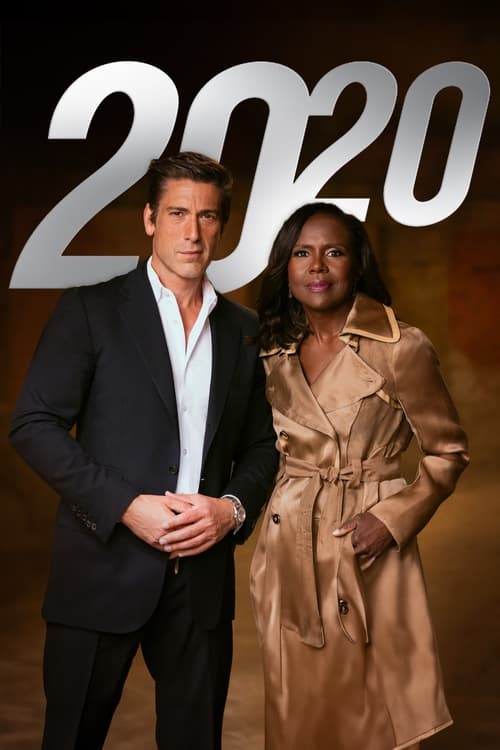
20/20 is an American television newsmagazine that has been broadcast on ABC since June 6, 1978. Created by ABC News executive Roone Arledge, the show was designed similarly to CBS's 60 Minutes but focuses more on human interest stories than international and political subjects. The program's name derives from the "20/20" measurement of visual acuity. The hour-long program has been a staple on Friday evenings for much of the time since it moved to that timeslot from Thursdays in September 1987, though special editions of the program occasionally air on other nights.
TMDB2.8
The South Bank Show
1978
country: United Kingdom
The South Bank Show is a television arts magazine show produced by ITV between 1978 and 2010. A new series began on Sky Arts from 27 May 2012. Presented by Melvyn Bragg, the show aims to bring both high art and popular culture to a mass audience.

TMDB2.9
This Old House
1979
country: United States
TV's original home-improvement show, following one whole-house renovation over several episodes.

TMDB3.1
Austin City Limits
1975
country: United States
Now the longest-running music series in American television history, ACL showcases popular music legends and innovators from every genre.

TMDB3.6
Arena
1975
country: United Kingdom
Arena is a British television documentary series, made and broadcast by the BBC. Voted by leading TV executives in Broadcast as one of the top 50 most influential programmes of all time, it has run since 1 October 1975 with over five hundred episodes made, directed by the likes of Martin Scorsese, Alan Yentob, Roly Keating, Frederick Baker, Volker Schlondorff and Vikram Jayanti. Arena's subjects are a roll-call of the world's best known cultural figures from the 20th and 21st centuries, from singers Bob Dylan and Amy Winehouse to academics Edward Said and Eric Hobsbawm, from writers Jean Genet and V S Naipaul to artists Francis Bacon and Louise Bourgeois. The current series editor is Anthony Wall.
TMDB2.5
Ciné regards
1978
country: France
No overview available

TMDB4.2
Fantástico
1973
country: Brazil
'Fantástico' is a journalistic program shown on Sundays, presented by Poliana Abritta and Maju Coutinho. Every week, he presents special reports, shows and various paintings.

TMDB4.0
Top Gear
1978
country: United Kingdom
Motoring programme featuring reviews of and reports about cars of all types.
TMDB3.3
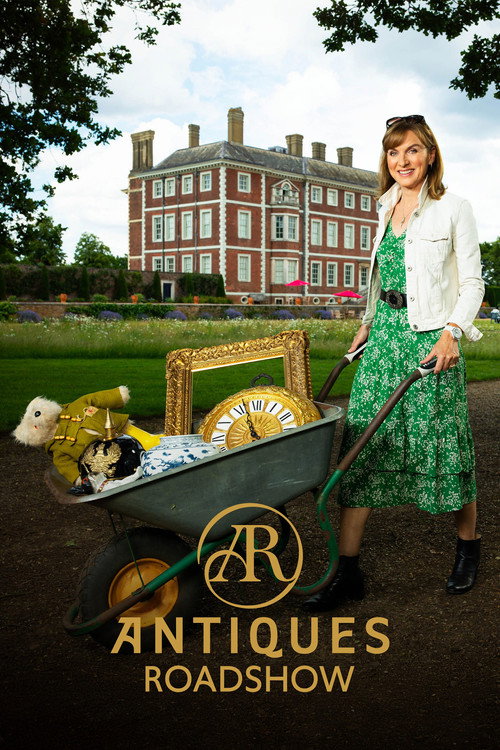
Antiques Roadshow
1979
country: United Kingdom
Antiques Roadshow is a British television show in which antiques appraisers travel to various regions of the United Kingdom to appraise antiques brought in by local people. It has been running since 1979. There are also international versions of the programme.

TMDB3.3
Globo Repórter
1973
country: Brazil
This show addresses issues related to the Brazilian way of life, highlighting matters such as health, education, work and nature.
TMDB3.8
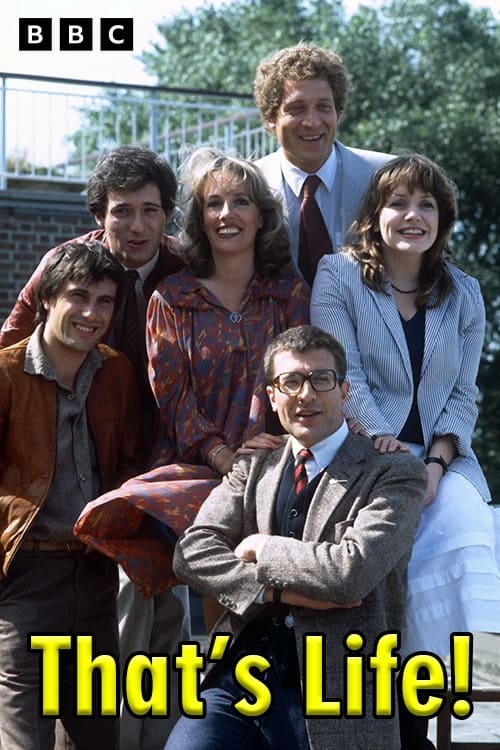
That's Life!
1973
country: United Kingdom
A magazine-style television series on BBC1 which was broadcast from May 1973 to June 1994, presented by Esther Rantzen, with various changes of co-presenters. The show presented hard-hitting investigations alongside satire and occasional light entertainment.

TMDB3.1
30 millions d'amis
1976
country: France
No overview available
V.I.P. Schaukel
TMDB4.0
V.I.P. Schaukel
1971
country: Germany
V.I.P.-Schaukel is a 45 minute documentary-family-news-talk show starring Margret Dünser as Host. The series premiered on Sun May 09, 1971 on ZDF and Folge 37 - Final Show last aired on Fri May 09, 1980.
TMDB5.0
Everyman
1977
country: United Kingdom
Everyman is a British television documentary series that aired on BBC One in a late-night slot on Sunday evenings between 1977 and 2005. Its subject matter tended to be focused on moral and religious issues, often in the form of a film in which individuals would discuss their thoughts. One edition from 1990, A Game of Soldiers concerned a group of soldiers exploring their feelings about being trained to kill. Throughout much of its time on air, series of Everyman aired alternately with Heart of the Matter, a debate series which featured somewhat similar topics. Both series were cancelled in the 2000s after the BBC revamped the output of its religious programming.

TMDB4.0
La semaine verte
1971
country: Canada
No overview available
TMDB2.3
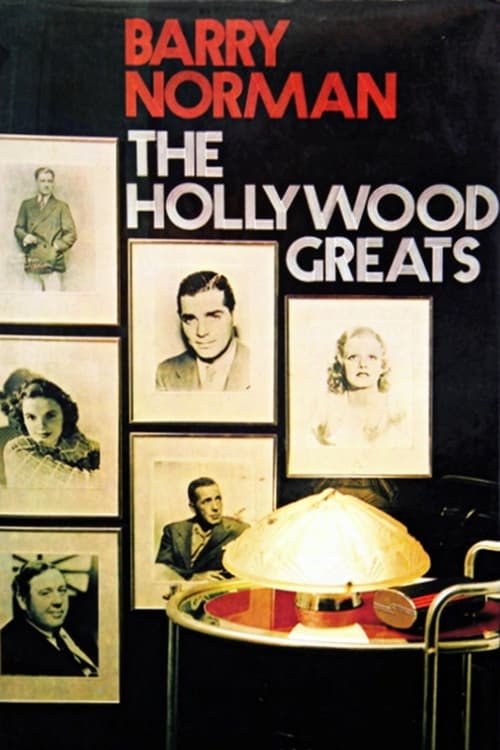
The Hollywood Greats
1977
country: United Kingdom
Hollywood Greats was a BBC Television series, which began in 1977. The film critic Barry Norman wrote and narrated a series of in depth profiles on major Hollywood film personalities, in which he interviewed surviving associates. He later made a series called British Greats in 1980. A series of books, entitled The Hollywood Greats, The Movie Greats and The British Greats, which were authored by Norman were subsequently published. A series of the same name was later presented by Jonathan Ross from 1999 to 2006.
TMDB4.5
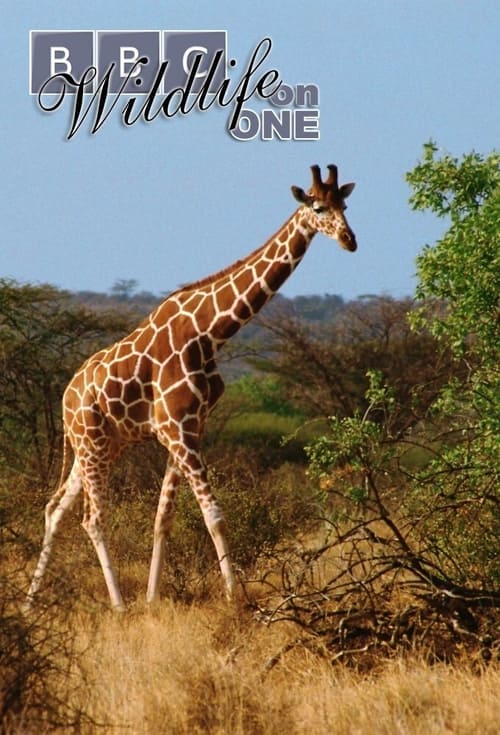
Wildlife on One
1977
country: United Kingdom
Wildlife on One was, for nearly thirty years, the BBC's flagship natural history programme. First broadcast in 1977, each edition ran for half an hour. The narrator was David Attenborough. When repeated on BBC2, the programmes were retitled Wildlife on Two. The series came to an end in 2005.
Hobbythek
TMDB3.8
Hobbythek
1974
country: Germany
No overview available
TMDB4.0
Decision
1971
country: Japan
No overview available
TMDB4.2
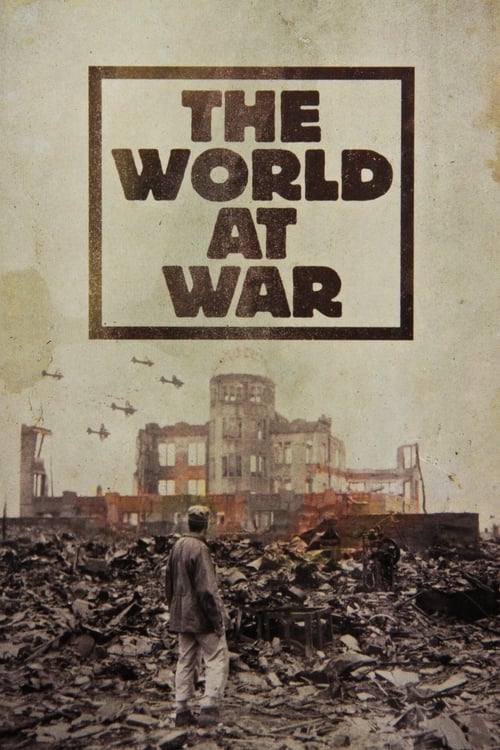
The World at War
1973
country: United Kingdom
A documentary series that gives a historical account of the events of World War II, from its roots in the 1920s to the aftermath and the lives it profoundly influenced.
TMDB3.4
The Fifth Estate
1976
country: Canada
Each week the fifth estate brings in-depth investigations that matter to Canadians – delivering a dazzling parade of political leaders, controversial characters and ordinary people whose lives were touched by triumph or tragedy.
TMDB4.8
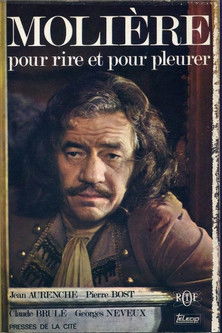
Molière pour rire et pour pleurer
1973
country: France
Molière pour rire et pour pleurer recounts the life of Jean‑Baptiste Poquelin, from his childhood in an artisan family to his rise as Molière, a central figure of French theatre. The series shows his difficult decision to abandon the family trade and join Madeleine Béjart to found L’Illustre Théâtre, marked by debts and repeated setbacks. While touring the provinces, he shapes his style and discovers the power of comedy. Back in Paris, he makes a name for himself with Les Précieuses ridicules, but his sharp satires provoke fierce opposition, especially during the Tartuffe scandal. Supported by Louis XIV, he continues despite attacks, literary rivalries, and tensions within his troupe, particularly with Armande Béjart. The miniseries also follows his growing exhaustion, his determination to perform at any cost, and his final breath after Le Malade imaginaire, the ultimate symbol of an artist who lived — and died — for the stage.
TMDB5.0
Les Cent Livres des Hommes
1970
country: United States
Les Cent Livres des Hommes (ORTF, 1969-1973) was a series of literary programs created by Claude Santelli and Françoise Verny, and produced notably by Santelli, Jean Archimbaud, and Serge Moati. Planned for one hundred episodes but completed at thirty-nine, the series aimed to introduce great literary works, 'chefs-d’œuvre', to a younger audience through a mix of dramatization, reading, and documentary techniques. It marked a transfer of cultural legitimacy from writers and critics to a generation of television producers, offering a new model of educational and creative literary broadcasting - 'télévision d’auteur'.
TMDB4.1
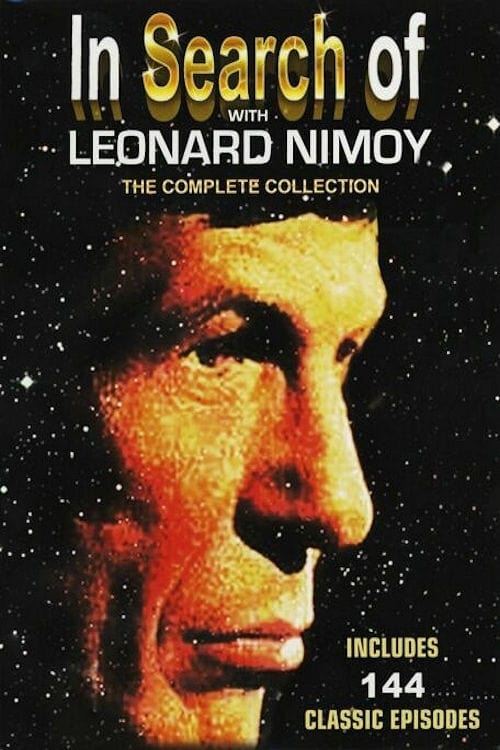
In Search of...
1977
country: United States
In Search of... is a TV series that was broadcast weekly from 1977 to 1982, devoted to mysterious phenomena. It was created after the success of three one-hour TV documentaries produced by creator Alan Landsburg: In Search of Ancient Astronauts in 1973, In Search of Ancient Mysteries and The Outer Space Connection, both in 1975. All three featured narration by Rod Serling, who was the initial choice to host the spin-off show. After Serling's death, Leonard Nimoy was selected to be the host.
TMDB2.0
Inside Story
1974
country: United Kingdom
A BBC documentary film strand, with the focus on investigative journalism.
Visions
TMDB4.0
Visions
1976
country: United States
Weekly anthology series of original dramas, often with period settings.
TMDB4.1
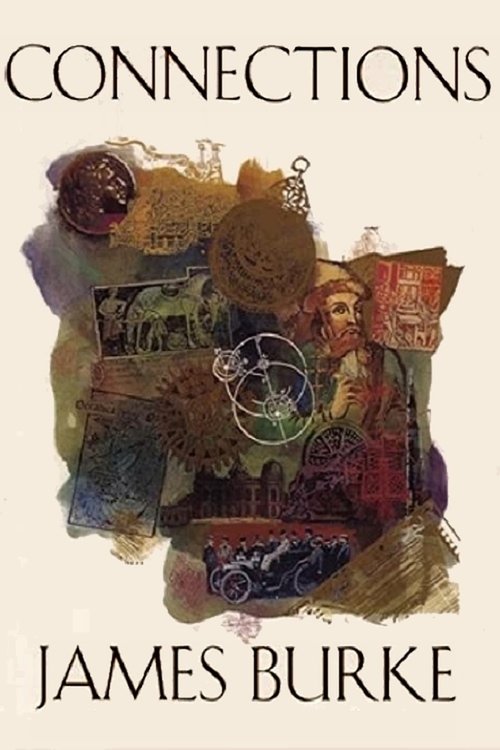
Connections
1978
country: United Kingdom
Taking an interdisciplinary approach to the history of science and invention, Connections explores an "Alternative View of Change" that rejects the conventional linear and teleological view of historical progress. To demonstrate this view, Burke begins each episode with a particular event or innovation in the past (usually ancient or medieval) and traces a path from that event through a series of connections to a fundamental and essential aspect of the modern world.
TMDB3.7
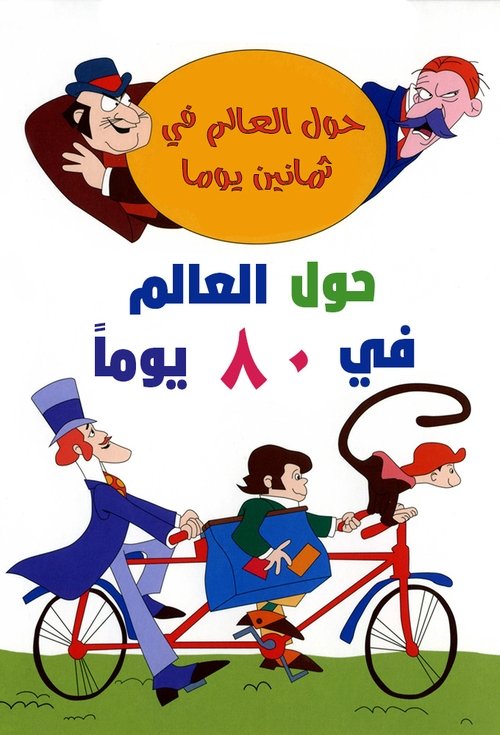
Around the World in Eighty Days
1972
country: Australia
Around the World in 80 Days is an animated television series that lasted one season of sixteen episodes, broadcast during the 1972-1973 season by NBC. It was the first Australian-produced cartoon to be shown on American network television. Leif Gram directed all sixteen episodes, and the stories were loosely adapted by Chester "Chet" Stover from the novel by Jules Verne.
Encyclopédie audiovisuelle du cinéma
TMDB4.5
Encyclopédie audiovisuelle du cinéma
1978
country: France
Produced for television by Claude-Jean Philippe, the « Encyclopédie audiovisuelle du cinéma », recounts the history of French cinema from its birth to the beginning of the 1960s. With commentary read by Jean Rochefort.

TMDB4.5
Life on Earth
1979
country: United Kingdom
The story of life, from the first primitive cells to the plants and animals that now live around us.
TMDB4.3
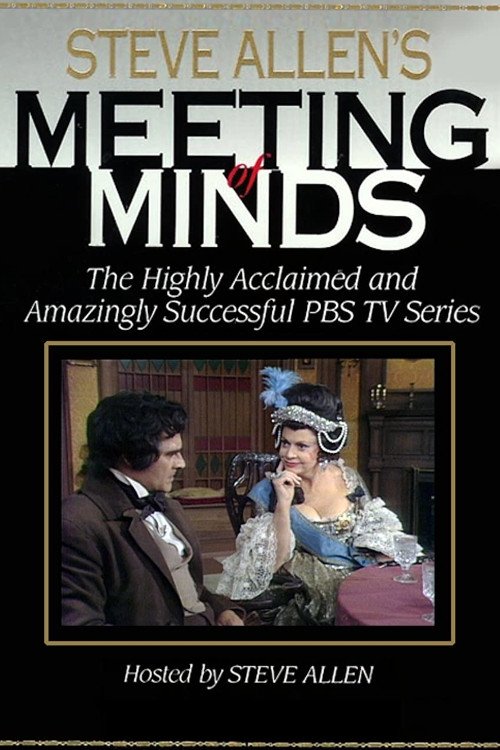
Meeting of Minds
1977
country: United States
The show featured guests who played significant roles in world history. Guests would interact with each other and host Steve Allen, discussing philosophy, religion, history, science, and many other topics. As nearly as was possible, the actual words of the historical figures were used. The show was fully scripted, yet the scripts were carefully crafted to give the appearance of spontaneous discussion among historic figures. Typically, each episode would be split into two parts, broadcast separately, with most or all of the guests introduced over the course of the first part, and the discussions continuing into the second part. A total of 24 episodes were produced.

TMDB3.5
the famous escapes
1972
country: France
From Bonaparte to Casanova, history is cast in the light of famous escapes from various European countries.
TMDB3.5
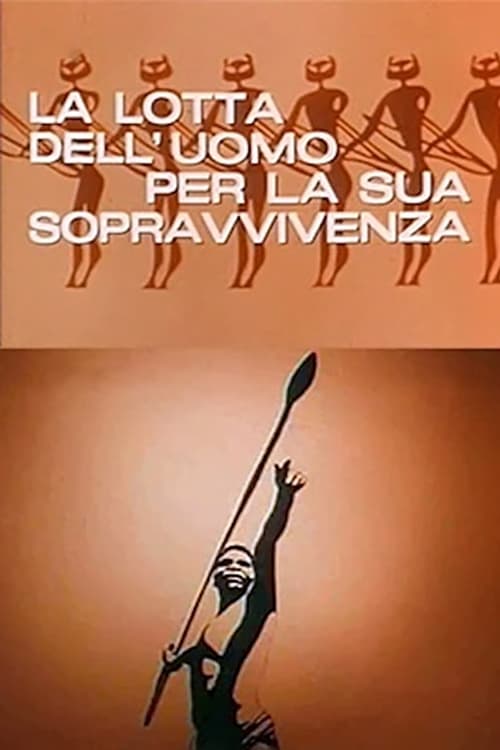
Man's Struggle for Survival
1970
country: Italy
Blurring the boundaries between documentary and historical fiction, this twelve-part series examines and imagines man's struggle to survive, from the days of cave dwellers to modern journeys into space.

TMDB3.7
Man and the Earth
1974
country: Spain
El hombre y la Tierra is a 1974 television series produced by Radio Televisión Española.
TMDB5.0
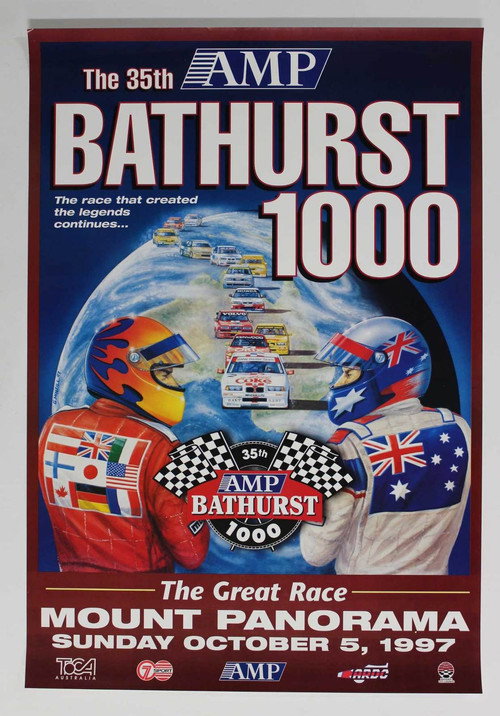
Bathurst 1000
1973
country: Australia
The Bathurst 1000 is a 1,000.29 kilometres (621.6 mi) touring car race held annually on the Mount Panorama Circuit in Bathurst, New South Wales, Australia. It is run as part of the Supercars Championship, the most recent incarnation of the Australian Touring Car Championship. In 1987 it was a round of the World Touring Car Championship. The race originated with the 1960 Armstrong 500 with a 500 mile race distance at the Phillip Island Grand Prix Circuit; it was relocated to Bathurst in 1963 also with the 500 mile distance and has continued there every year since, extending to a 1,000 kilometer race in 1973. The race was traditionally run on the New South Wales Labour-Day long weekend in early October. Since 2001, the race has been run on the weekend following the long weekend, generally the second weekend of October.
TMDB4.5
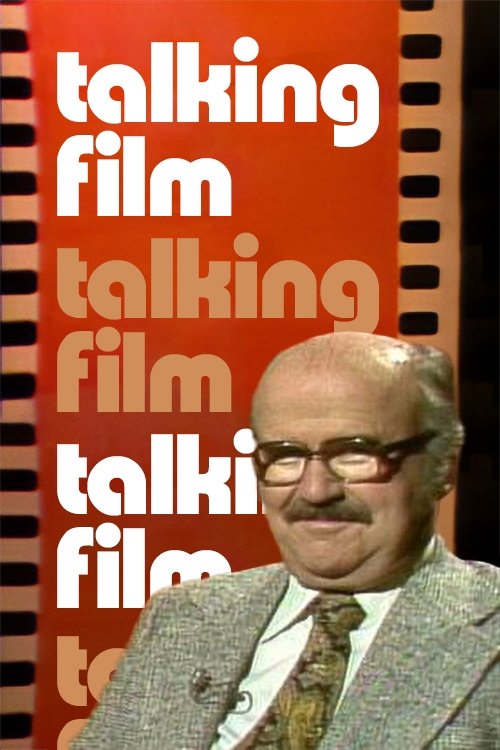
Talking Film
1978
country: Canada
Movie expert Elwy Yost interviews industry people on both sides of the camera, encouraging them to talk about themselves, the state of their art, and its history. The series features many famous film personalities who, along with producers, directors, designers, screenwriters, and critics, offer candid insights into the making of motion pictures.
About 1970s Documentary TV Shows
The 1970s
1970s television grew markedly more socially engaged, with sitcoms and dramas taking on subject matter the previous decade wouldn't touch.
Documentary
Documentary series use length the way films can't — returning to subjects, following developments, and building cases across many hours. Streaming turned the format into a genuine cultural force.
In this list
- Often also
- News, Comedy, Family
- Longest run
- 54 seasons
Common questions
- What are the best 1970s documentary TV shows?
- By popularity across Flickfolio and TMDB, the top picks right now are Vetenskapens värld, NOVA, and Great Performances. The full ranked list of 40 sits above — open any show for ratings, reviews, and streaming availability.
- How is this list ranked?
- 1970s documentary TV shows are ordered by overall popularity, which blends how often a title is viewed, searched, and logged. It updates as viewing habits shift, so the list reflects what people are actually watching rather than a fixed critical canon.
- Where can I watch these TV shows?
- Every show page lists current streaming, rental, and purchase options for your region, alongside community ratings and reviews from Flickfolio members.