1970s Soap TV Shows
The 40 most popular 1970s soap TV shows, ranked. Click any show for ratings, reviews, trailers, and where to watch.

TMDB2.1
Emmerdale
1972
country: United Kingdom
The lives of several families in the Yorkshire Dales revolve around a farm and the nearby village. With murders, affairs, lies, deceit, laughter and tears, it's all there in the village.
TMDB3.5
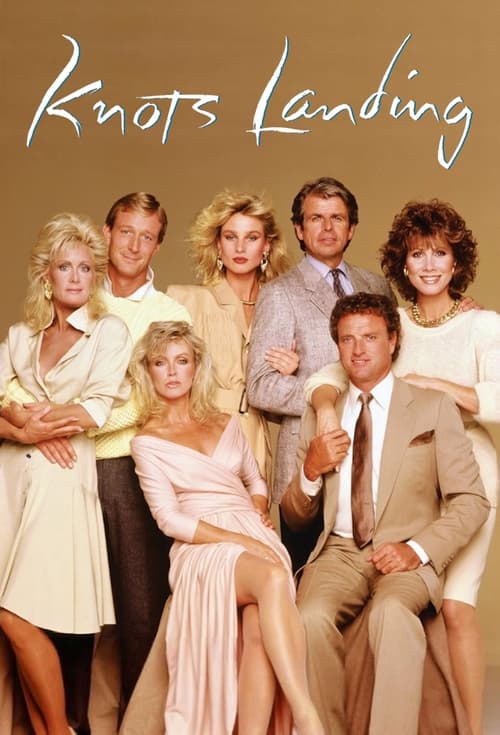
Knots Landing
1979
country: United States
The domestic adventures, misdeeds and everyday interactions of five families living on a cul-de-sac in a small California community.
TMDB3.6
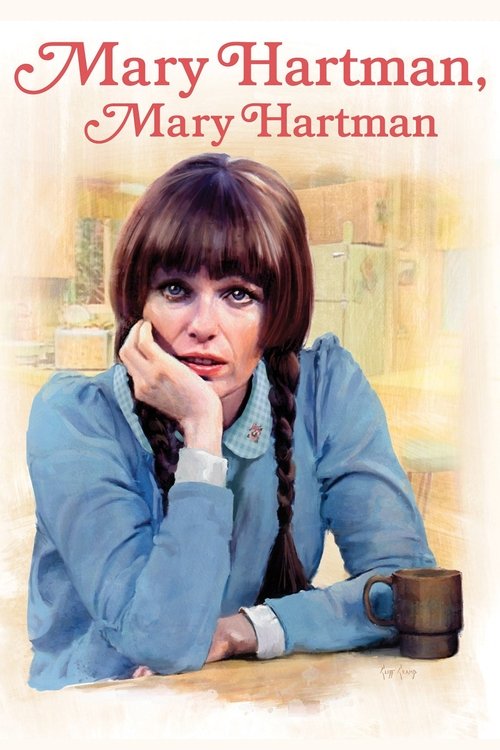
Mary Hartman, Mary Hartman
1976
country: United States
In the fictional town of Fernwood, Ohio, suburban housewife Mary Hartman seeks the kind of domestic perfection promised by Reader’s Digest and TV commercials. Instead she finds herself suffering the slings and arrows of outrageous fortune: mass murders, low-flying airplanes and waxy yellow buildup on her kitchen floor.
TMDB3.4
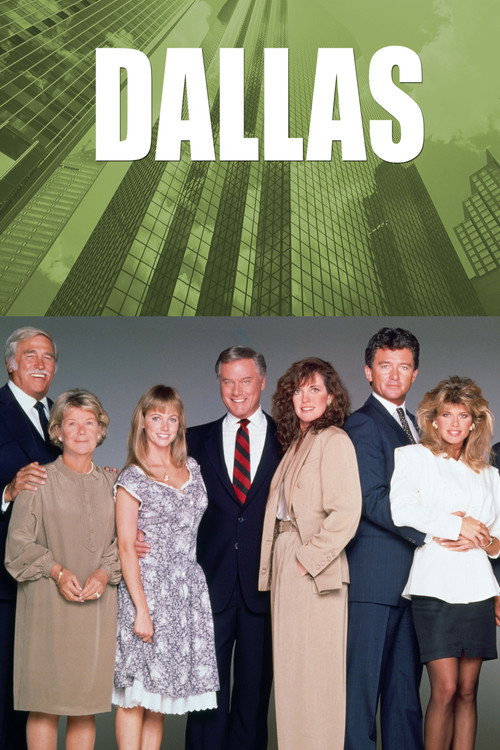
Dallas
1978
country: United States
The world's first mega-soap, and one of the most popular ever produced, Dallas had it all. Beautiful women, expensive cars, and men playing Monopoly with real buildings. Famous for one of the best cliffhangers in TV history, as the world asked "Who shot J.R.?" A slow-burner to begin with, Dallas hit its stride in the 2nd season, with long storylines and expert character development. Dallas ruled the airwaves in the 1980's.

TMDB3.2
All My Children
1970
country: United States
All My Children is an American television soap opera that aired on ABC for 41 years, from January 5, 1970 to September 23, 2011, and on The Online Network since April 29, 2013 via Hulu, Hulu Plus, and iTunes. Created by Agnes Nixon, All My Children is set in Pine Valley, Pennsylvania, a fictitious suburb of Philadelphia which is modeled on the actual Philadelphia suburb of Rosemont.
How to Survive a Marriage
TMDB2.4
How to Survive a Marriage
1974
country: United States
How to Survive a Marriage is an American soap opera which aired on the NBC television network from January 7, 1974 to April 17, 1975. The serial was created by Anne Howard Bailey, with much input from then-NBC Vice President Lin Bolen. The show's working title was From This Moment and was an in-house NBC production.
TMDB2.7
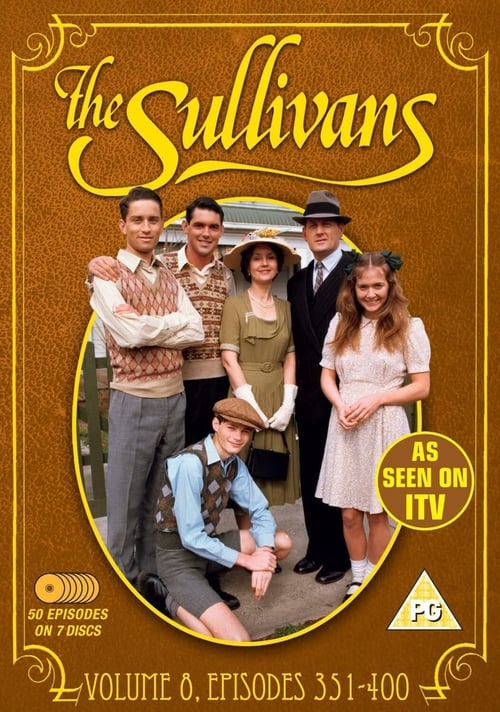
The Sullivans
1976
country: Australia
The Sullivans is an Australian drama television series produced by Crawford Productions which ran on the Nine Network from 1976 until 1983. The series told the story of an average middle-class Melbourne family and the effect World War II had on their lives. It was a consistent ratings success in Australia, and also became popular in the United Kingdom, Ireland, Netherlands, Gibraltar and New Zealand.

TMDB3.5
The Young and the Restless
1973
country: United States
The rivalries, romances, hopes and fears of the residents of the fictional Midwestern metropolis, Genoa City. The lives and loves of a wide variety of characters mingle through the generations, dominated by the Newman, Abbott, Baldwin and Winters families.

TMDB3.8
Prisoner
1979
country: Australia
Prisoner is an Australian soap opera that is set in the Wentworth Detention Centre, a fictional women's prison.
Somerset
TMDB3.3
Somerset
1970
country: United States
Somerset is an American television soap opera which ran on NBC from March 30, 1970 until December 31, 1976. A spin-off fron Another World, it focuses on the lives of characters in the fictional Somerset, Illinois, particularly those connected to the town's main employer, Delaney Brands. The show initially centered on characters who moved from Another World to start new lives but later evolved into a crime-focused melodrama.
O Machão
TMDB4.0
O Machão
1974
country: Brazil
No overview available
O Julgamento
TMDB5.0
O Julgamento
1976
country: Brazil
No overview available

TMDB3.6
Soap
1977
country: United States
The antics of a wealthy family, the Tates, and a working-class family, the Campbells, in the fictional town of Dunn's River, Connecticut.
TMDB4.0
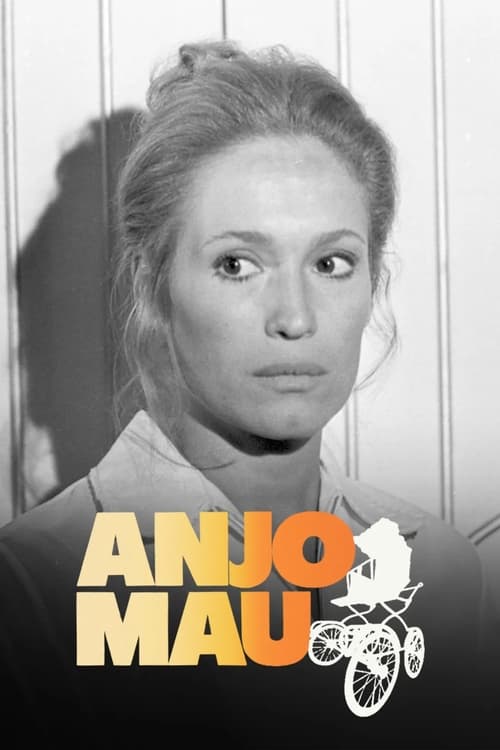
Anjo Mau
1976
country: Brazil
A poor young woman, unhappy with her inevitable destiny as a suburban housewife, gets a job as a nanny for a wealthy family and falls in love with her employer's brother, using every trick to win him over and ultimately become the lady of the mansion. .
Secrets of Sand
TMDB4.0
Secrets of Sand
1973
country: Brazil
Twin sisters with contrasting personalities, Ruth and Raquel, rival in the fictional Pontal D'Areia, on the coast of Rio de Janeiro.

TMDB4.5
Selva de Pedra
1972
country: Brazil
Amidst an unresolved crime, Simone protects Cristiano and falls in love with him. However, the couple faces ambition and betrayals that tear them apart. Presumed dead, she returns under a new identity seeking revenge.

TMDB3.9
Dancin' Days
1978
country: Brazil
A down-on-her-luck former inmate tries to reconnect with her daughter--to the objections of her sister who raised the girl, meets a millionaire, and transforms into a strong woman, returning to society at Dancin' Days nightclub's opening.
A Barba Azul
TMDB4.3
A Barba Azul
1974
country: Brazil
No overview available
TMDB2.9
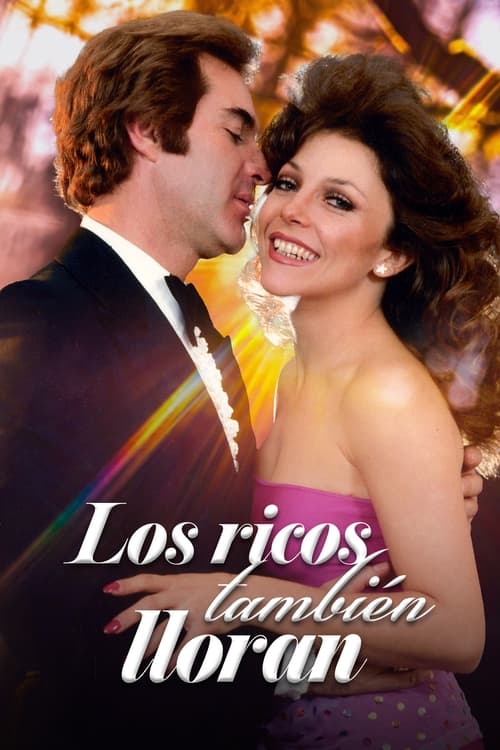
The Rich Also Cry
1979
country: Mexico
Popular telenovela produced in Mexico in 1979, starring Verónica Castro, Rogelio Guerra and Rocío Banquells. Castro also sang the theme Aprendí a Llorar, a song written by Lolita de la Colina. The telenovela was produced by Chilean Valentín Pimstein and Carlos Romero, it was directed by Rafael Banquells. The story was written by Inés Rodena and adapted by Valeria Philips.
TMDB4.5
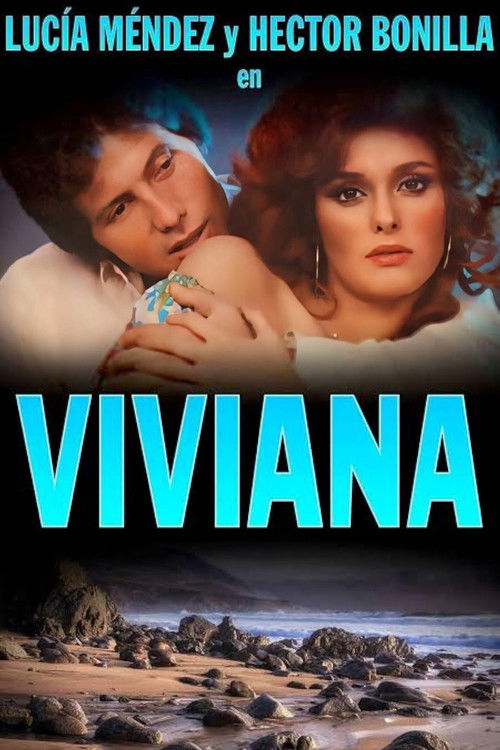
Viviana
1978
country: Mexico
A poor but beautiful woman comes to the city looking for her husband ... who is married to another woman, the evil Gloria. While she falls in love to a handsome and good hearted doctor, she decides to work at nights to earn money at a "Model School" which is, in reality, a high profile brothel...
TMDB3.0
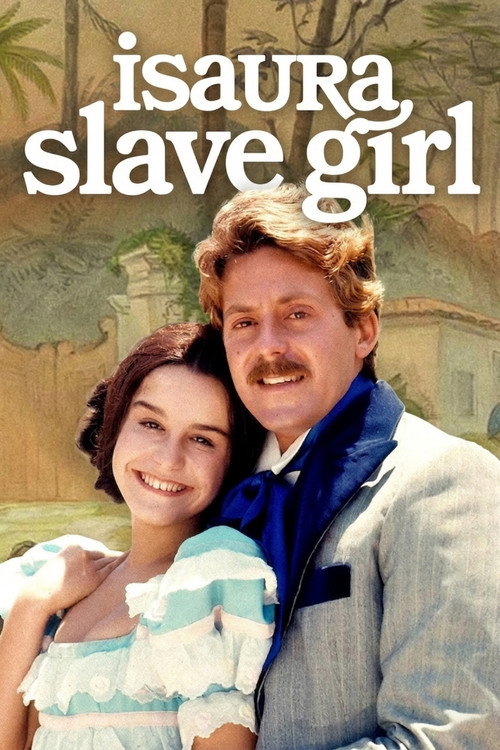
Isaura: Slave Girl
1976
country: Brazil
Set in 19th-century Brazil during the waning years of slavery, Escrava Isaura tells the story of Isaura, a white-skinned enslaved woman raised with the manners and education of a noble lady. Though treated with affection by her mistress, Isaura remains legally enslaved and becomes the object of obsessive desire by Leôncio Almeida, the cruel heir to the plantation. After the death of her protector, Isaura falls under Leôncio’s control. Despite his attempts to seduce and dominate her, she resists, determined to preserve her dignity and freedom. Her father, Miguel, helps her escape to Recife, where she adopts a new identity and meets Álvaro, a wealthy and principled abolitionist who falls in love with her. Leôncio eventually tracks her down, leading to dramatic confrontations. In the end, Álvaro rescues Isaura by purchasing Leôncio’s debts, securing her freedom and affirming the story’s central themes of justice, love, and resistance against oppression.

TMDB4.3
Pecado Capital
1975
country: Brazil
Carlão is a taxi driver who experiences a drama of conscience after fleeing bank robbers leave a suitcase with stolen money in his car: he doesn't know whether to hand it over to the police, running the risk of being accused of being an accomplice in the robbery, or whether to use the money to solve his problems.

TMDB4.8
Bravo!
1975
country: Brazil
A widowed conductor rediscovers love when he meets a young woman from the countryside, but doubts about his music make him question his competence and distance himself from the woman he loves.
TMDB4.2
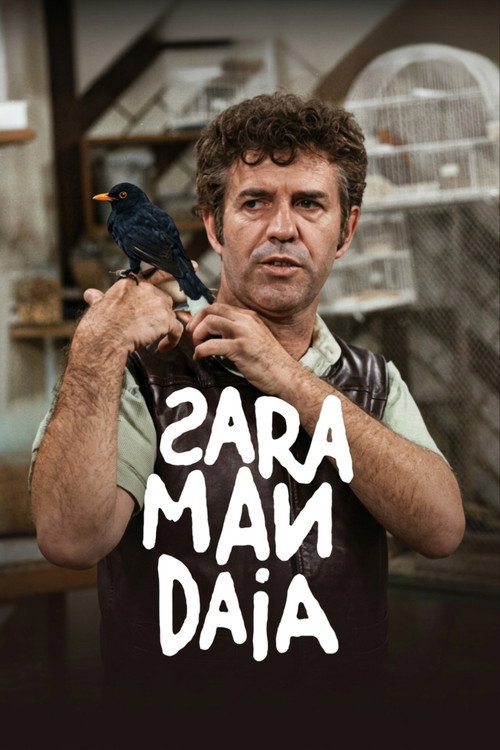
Saramandaia
1976
country: Brazil
Saramandaia is a Brazilian telenovela originally written by Dias Gomes in 1976. It's considered remarkable because of the Magic Realism (used by the author to subtly criticize the Military Regime of the time) and had 160 chapters. The story centers on the name change that the city undergoes, promoted by the younger citizens and reviled by the older ones. It also focuses on the lives of the city's quirky residents.
TMDB3.9
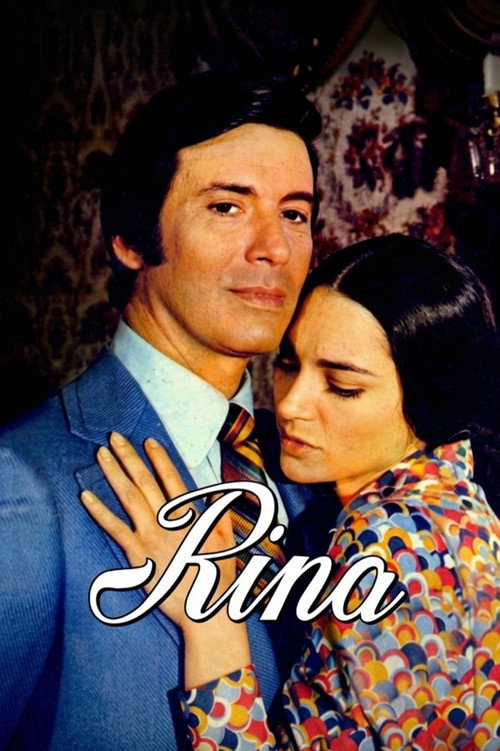
Rina
1977
country: Mexico
The story follows Rina, a young hunchback who sells flowers to support her father and siblings after being abandoned by her mother. One day, while selling her flowers, she is beckoned from a window by Leopoldo—a wealthy, elderly, bitter, and invalid man—who manipulates her into marrying him because he refuses to leave his inheritance to his sister-in-law, Rafaela. Rina agrees to the marriage due to financial hardship. Shortly thereafter, Leopoldo dies, and Rina inherits a vast fortune. She undergoes surgery to correct her hunchback and transforms into a beautiful woman. Unwilling to accept the loss of the inheritance, Rafaela devises a scheme with the help of her son, Carlos Augusto, who has recently been widowed.

TMDB4.0
O Semideus
1973
country: Brazil
No overview available

TMDB4.5
O Todo Poderoso
1979
country: Brazil
The plot unfolds across two distinct worlds: Dr. Cristiano Navarro’s hospital and an impoverished neighborhood on the outskirts of São Paulo. While doctors at the hospital fight to save lives using state-of-the-art medical technology, young Emanuel—living in the neighborhood—demonstrates the ability to perform miraculous, extraordinary healings with just the touch of his hands. Dr. Cristiano is married to Linda, a wealthy, refined woman twenty years his junior. They long for a child but have been unable to conceive. Linda consults Dr. Paula, a renowned gynecologist, but the doctor cannot resolve their issue. Linda then decides to seek help from Emanuel, sparking a series of conflicts with her husband. However, things are far from ideal in Emanuel’s neighborhood. He possesses paranormal abilities that sometimes manifest in ways beyond his control. An enigmatic and unpredictable man, Emanuel fears his own powers.

TMDB3.5
Cara a Cara
1979
country: Brazil
No overview available
Jerônimo, o Herói do Sertão
TMDB4.5
Jerônimo, o Herói do Sertão
1972
country: Brazil
No overview available
TMDB4.5
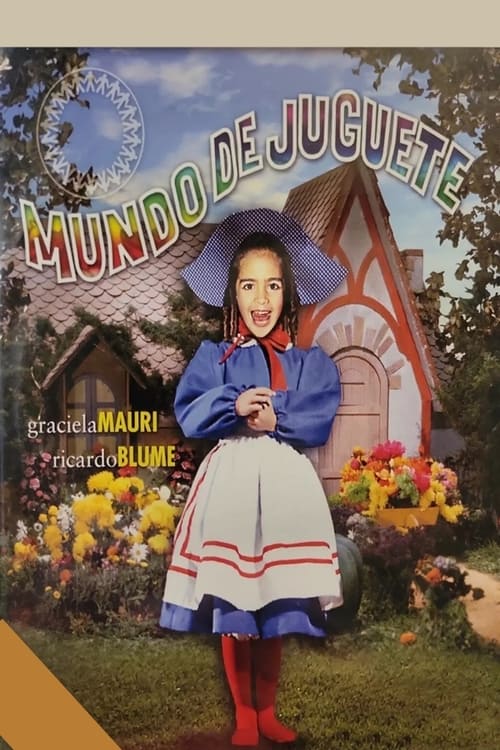
Mundo de Juguete
1974
country: Mexico
Mundo de Juguete is a telenovela produced in Mexico by Televisa in 1974. It is a remake of telenovela Papá Corazón. This telenovela holds the record for having the second longest run ever for a Latin American telenovela, with a total of 605 episodes. Most telenovelas run for an average of six to eight months; the shortest ones run about four months, and the longest up to a year. Many "Mundo de Juguete" fans believe that either all or some of the tapes and film from the telenovela were lost when Televisa collapsed during the 1985 earthquake. Televisa has been secretive regarding which tapes were lost during that earthquake, so there is no way of confirming this. However, such claims can be disputed, considering that the Telenovela has been repeated on television several times after 1985. During the nineties, it was repeated on Mexico City Canal 9. For a period of time, it was also shown on Unicable or on Telenovelas Televisa remade the telenovela in 2000, and called it "Carita de Angel".
As Pupilas do Senhor Reitor
TMDB3.5
As Pupilas do Senhor Reitor
1970
country: Brazil
No overview available
TMDB3.8
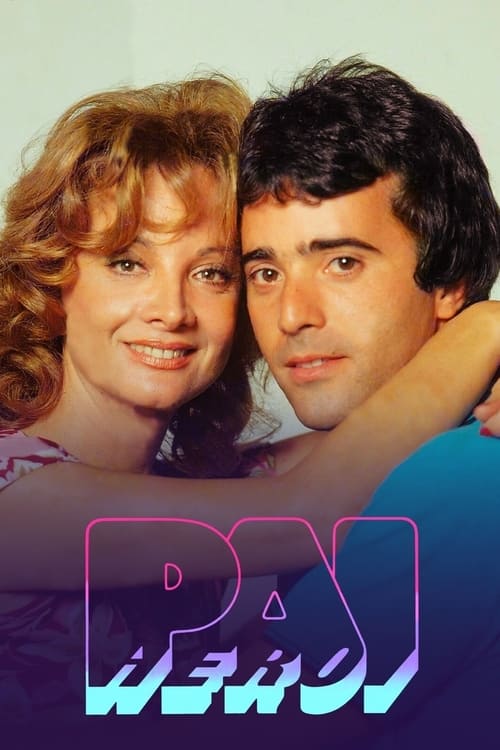
Pai Herói
1979
country: Brazil
After his grandfather's death, André Cajarana goes to Rio de Janeiro to understand the death of his father—whom he had always believed to be a hero—and to try to prove his innocence.
TMDB3.5
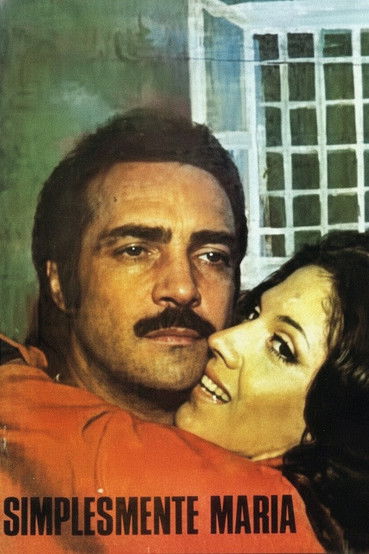
Simplesmente Maria
1970
country: Brazil
No overview available
O Direito de Nascer
TMDB4.5
O Direito de Nascer
1978
country: Brazil
No overview available
Como Salvar Meu Casamento
TMDB4.8
Como Salvar Meu Casamento
1979
country: Brazil
No overview available

TMDB4.8
Gabriela
1975
country: Brazil
No overview available

TMDB4.5
Minha Doce Namorada
1971
country: Brazil
Patricia, an orphan living in a traveling amusement park, believes the stars will bring her happiness. One day, an astrologer predicts the impossible: the young woman, an Aquarius, will fall in love with a Pisces boy, a sign initially incompatible with hers. The girl does, in fact, become enchanted by the wealthy student Renato, but he doesn't feel the same way. Patricia travels to Rio de Janeiro, where she befriends a gentleman whom she affectionately calls Mr. Pepe, unaware that he is Renato's great-uncle and the owner of the company where she begins working. Mr. Pepe discovers fraudulent activities committed by his family and decides to fake his death to observe the dispute over his inheritance.
Gaivotas
TMDB5.0
Gaivotas
1979
country: Brazil
No overview available

TMDB4.5
Meu Pedacinho de Chão
1971
country: Brazil
Colonel Epaminondas is a retrograde and authoritarian man, who commands and dismantles the region. He declares war on Pedro Galvão, his main rival, when he donates part of his land – purchased from the colonel – for the construction of a church and a school. The arrival of professor Juliana, right at the beginning of the plot, changes the lives of the residents of the small village. Juliana takes over the school and ends up arousing the interest of Fernando, Epaminondas' son. Oblivious to the fights that drive the story are Pituca (Patrí and Serelepe (Aires Pinto). The friendship between the two children, however, does not please the colonel, who is always fighting with his daughter. 'Meu Pedacinho de Chão' was co-produced and shown simultaneously by Globo and TV Cultura in São Paulo.
Ídolo de Pano
TMDB4.3
Ídolo de Pano
1974
country: Brazil
No overview available
About 1970s Soap TV Shows
The 1970s
1970s television grew markedly more socially engaged, with sitcoms and dramas taking on subject matter the previous decade wouldn't touch.
Soap
Soap opera is television's most enduring form — continuing serials built on relationships, reversals, and an audience that returns for decades. Its storytelling grammar quietly underpins most modern serialized drama.
In this list
- Best reviewed
- Dallas (6.9)
- Often also
- Drama, Comedy, Mystery
- Longest run
- 55 seasons
Common questions
- What are the best 1970s soap TV shows?
- By popularity across Flickfolio and TMDB, the top picks right now are Emmerdale, Knots Landing, and Mary Hartman, Mary Hartman. The full ranked list of 40 sits above — open any show for ratings, reviews, and streaming availability.
- How is this list ranked?
- 1970s soap TV shows are ordered by overall popularity, which blends how often a title is viewed, searched, and logged. It updates as viewing habits shift, so the list reflects what people are actually watching rather than a fixed critical canon.
- Where can I watch these TV shows?
- Every show page lists current streaming, rental, and purchase options for your region, alongside community ratings and reviews from Flickfolio members.